Everything You Need to Know About mother-in-law’s tongue (Sansevieria trifasciata ‘Black Robusta’)
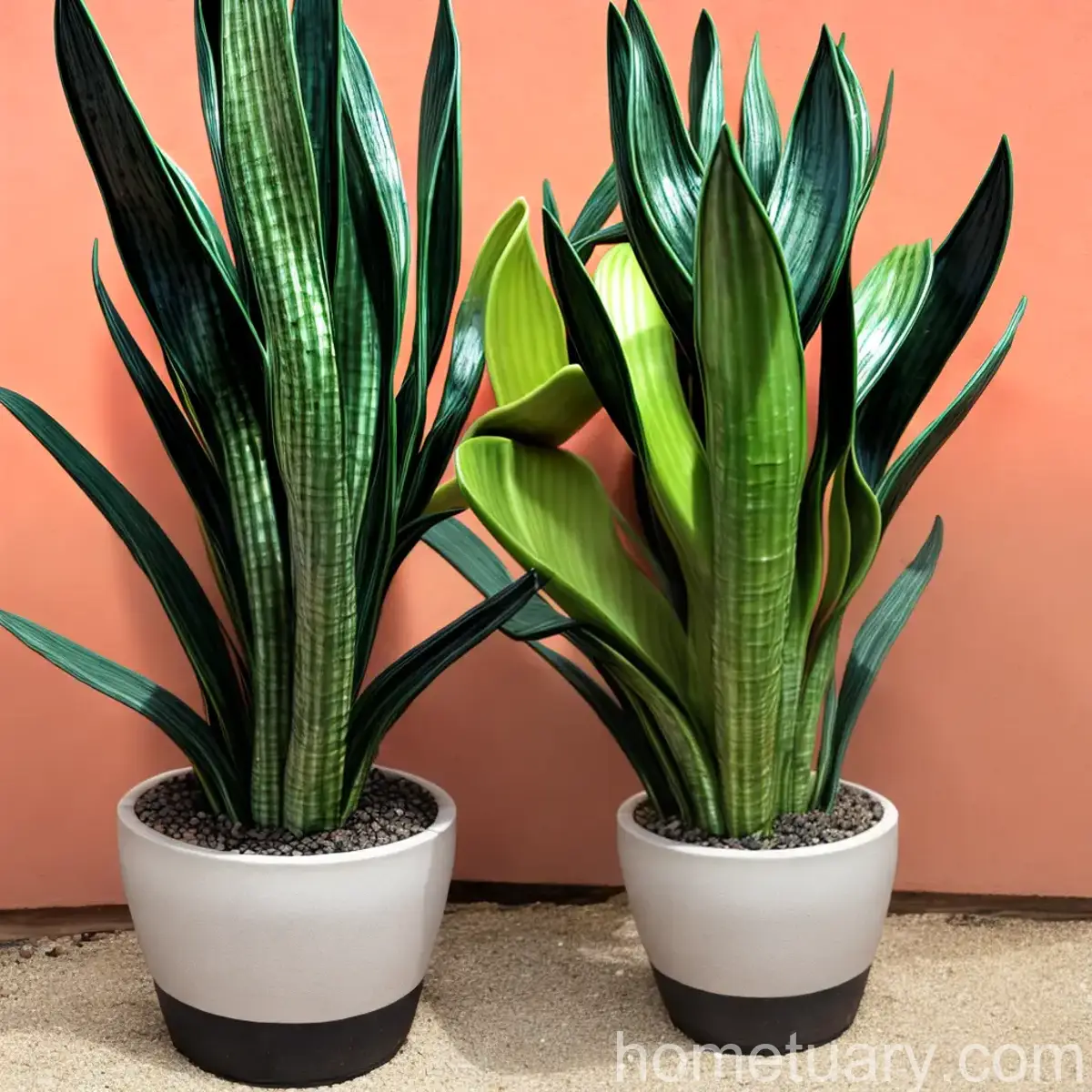
Sansevieria trifasciata, commonly known as “mother-in-law’s tongue” or “snake plant,” is a popular and low-maintenance houseplant cherished for its striking appearance and air-purifying qualities. Among its various cultivars, the ‘Black Robusta’ stands out for its intense dark green foliage and elegant aesthetic. In this comprehensive guide, we will delve into the various aspects of the Sansevieria trifasciata ‘Black Robusta,’ encompassing its culture, uses, care requirements, and more.
What is Sansevieria trifasciata ‘Black Robusta’?
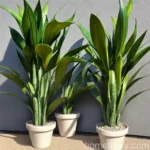
Sansevieria trifasciata ‘Black Robusta’ is a cultivar of the Sansevieria trifasciata species, renowned for its robust and dark green leaves. It belongs to the Asparagaceae family and is native to West Africa, where it thrives in arid conditions. As an indoor plant, the ‘Black Robusta’ showcases its resilience and can survive in various environments, earning its reputation as a versatile and visually appealing addition to any space.
Key Takeaways
Before delving into the aspects of culture, uses, and care for the ‘Black Robusta,’ let’s highlight the key takeaways:
– ‘Black Robusta’ is a striking cultivar of the Sansevieria trifasciata species, featuring intense dark green leaves.
– It is also known as “mother-in-law’s tongue” or “snake plant.”
– This plant is lauded for its air-purifying capabilities and low-maintenance requirements, making it an ideal choice for both beginners and experienced plant enthusiasts.
– The ‘Black Robusta’ can thrive in a range of light conditions and is tolerant of irregular watering, making it an adaptable and resilient houseplant.
– Its unique aesthetic and air-purifying qualities contribute to its popularity as a decorative and functional element in indoor spaces.
Now, let’s delve deeper into the various facets of Sansevieria trifasciata ‘Black Robusta,’ ranging from its culture and uses to care requirements and maintenance tips.
Culture
Understanding the cultural requirements of Sansevieria trifasciata ‘Black Robusta’ is essential for fostering its optimal growth and ensuring its longevity. Let’s explore the key cultural aspects, such as its native habitat, uses, and its adaptation to indoor environments.
Native Habitat and Uses
Sansevieria trifasciata, including the ‘Black Robusta’ cultivar, originates from West Africa. It thrives in arid and semi-arid regions, where it has adapted to withstand harsh and dry conditions. In its natural habitat, Sansevieria trifasciata plays a vital role in the ecosystem, contributing to soil stability and providing habitat and sustenance for various wildlife.
Adaptation to Indoor Environments
When brought into indoor environments, Sansevieria trifasciata ‘Black Robusta’ retains its resilient nature and adapts well to being grown as a houseplant. Its air-purifying qualities, low maintenance requirements, and striking appearance have contributed to its widespread popularity as a decorative element in homes, offices, and other indoor spaces.
Uses
The ‘Black Robusta’ Sansevieria trifasciata serves distinct purposes, ranging from aesthetic embellishment to contributing to indoor air quality. Understanding its practical uses can foster a deeper appreciation for this versatile plant.
Decorative Purposes
The ‘Black Robusta’ is valued for its aesthetic appeal, featuring striking dark green foliage that adds a touch of elegance to any indoor setting. Its upright and architectural growth habit further enhances its visual impact, making it a popular choice for interior decorators and plant enthusiasts seeking to incorporate greenery into their spaces.
Air-Purifying Qualities
In addition to its ornamental value, Sansevieria trifasciata ‘Black Robusta’ is recognized for its air-purifying abilities. It is known to remove toxins such as formaldehyde, xylene, toluene, and nitrogen oxides from indoor air, thereby contributing to a healthier and more pleasant indoor environment.
Care Requirements
To ensure the optimal growth and well-being of Sansevieria trifasciata ‘Black Robusta,’ it is essential to understand and cater to its specific care requirements. This encompasses aspects such as water, sunlight, fertilizer, soil, pruning, propagation, and container preferences.
Water
Sansevieria trifasciata ‘Black Robusta’ is renowned for its tolerance to drought and its susceptibility to overwatering. When it comes to watering, it is crucial to exercise restraint and adhere to a conservative watering regimen, particularly during the plant’s dormant period. A well-draining potting mix and allowing the soil to dry out between waterings are pivotal in preventing root rot and maintaining the plant’s overall health.
Sunlight
The ‘Black Robusta’ Sansevieria trifasciata thrives in bright, indirect light. While it can tolerate low-light conditions, providing it with moderate to bright light encourages optimal growth and vibrant foliage. However, it is important to shield it from direct, intense sunlight, as this can scorch its leaves.
Fertilizer
The ‘Black Robusta’ benefits from occasional fertilization during the active growing season, typically spring and summer. A balanced, general-purpose houseplant fertilizer applied at half-strength every 4-6 weeks can provide the necessary nutrients to support healthy growth without risking fertilizer burn.
Soil
A well-draining and aerated potting mix is essential for the ‘Black Robusta.’ A mixture that combines components such as peat moss, perlite, and coarse sand facilitates optimal drainage and prevents waterlogging, thereby promoting a healthy root system.
Pruning
The ‘Black Robusta’ Sansevieria trifasciata typically requires minimal pruning. Removal of any discolored or damaged leaves can be performed as needed to maintain the plant’s aesthetic appeal and eliminate potential disease vectors. Additionally, trimming back any overgrown or unsightly foliage can help to promote a more symmetrical and visually pleasing appearance.
Propagation
Propagating the ‘Black Robusta’ Sansevieria trifasciata is relatively straightforward and can be accomplished through division or leaf cuttings. Dividing the plant during repotting or utilizing leaf cuttings in a suitable propagation medium can quickly yield new plants, making it an accessible and rewarding process for plant enthusiasts.
Container Preferences
When selecting a container for the ‘Black Robusta,’ it is advisable to choose a pot with drainage holes to prevent water accumulation, which can lead to root rot. The container should also provide ample space for the plant’s rhizomes and accommodate its upright growth habit without being excessively large.
Popularity
Sansevieria trifasciata ‘Black Robusta’ has garnered significant popularity among plant enthusiasts and interior decorators, owing to its unique attributes and versatile nature. Its rising popularity can be attributed to several factors, from its visually striking appearance to its low-maintenance requirements and air-purifying capabilities.
Decorative Appeal
The ‘Black Robusta’ captivates with its intense dark green foliage and upright growth habit, adding a touch of sophistication to any indoor setting. Its ability to thrive in various lighting conditions further enhances its appeal, making it a versatile option for both well-lit spaces and areas with limited natural light.
Low-Maintenance Nature
One of the primary reasons for the ‘Black Robusta’s’ popularity is its low-maintenance requirements. It is well-suited for individuals seeking a resilient and visually striking plant that does not demand intensive care, making it an ideal choice for busy lifestyles and those new to plant care.
Air-Purifying Qualities
As awareness of indoor air quality and its impact on well-being grows, the ‘Black Robusta’ has gained recognition for its air-purifying abilities. Its capacity to remove harmful toxins from indoor air adds to its allure, appealing to individuals seeking to create healthier living and working environments.
Versatile Use Cases
The adaptability of the ‘Black Robusta’ further contributes to its popularity, as it can thrive in various settings and climates. It can be employed as a decorative element in homes, offices, commercial spaces, and even outdoor gardens, showcasing its versatility and broad appeal.
Common Diseases and Pest Control
Despite its resilience, the ‘Black Robusta’ Sansevieria trifasciata is susceptible to certain diseases and pest infestations that can hinder its growth and vitality. Understanding these potential issues and implementing appropriate preventive and remedial measures is crucial for maintaining the plant’s health.
Disease Diagnosis
Common diseases that may affect the ‘Black Robusta’ include fungal infections such as root rot and leaf spot diseases. Root rot, caused by overwatering and waterlogged soil, manifests as yellowing and wilting of the foliage. Leaf spot diseases are characterized by the presence of dark spots or lesions on the leaves. Proper diagnosis of these issues enables targeted interventions to mitigate their impact and prevent recurrence.
Common Pests
Pests that may pose a threat to the ‘Black Robusta’ include mealybugs, spider mites, and occasionally, scales. Mealybugs can be identified by the presence of white, cottony masses on the plant, particularly in leaf axils and crevices. Spider mites may cause stippling and webbing on the foliage, while scales appear as small, raised bumps on the stems. Vigilance and prompt action are essential to combat these pests and prevent widespread infestations.
Botanist’s Tips for Disease and Pest Management
Implementing cultural practices that promote proper airflow, adequate drainage, and controlled watering can help prevent moisture-related diseases. When it comes to pest control, utilizing natural predators, such as beneficial insects or predatory mites, can aid in managing pest populations without resorting to chemical interventions. Moreover, regularly inspecting the plant for signs of disease or pest activity allows for early detection and intervention, minimizing the potential impact on the ‘Black Robusta’s’ health.
Fun Facts about Sansevieria trifasciata ‘Black Robusta’
As we delve into the world of the ‘Black Robusta’ Sansevieria trifasciata, let’s uncover some intriguing and fun facts that contribute to the allure of this remarkable plant.
Air-Purifying Champion
The ‘Black Robusta’ is celebrated for its exceptional air-purifying qualities, effectively removing toxins from indoor air. Its reputation for enhancing air quality makes it a cherished addition to homes and workspaces, offering both aesthetic appeal and functional benefits.
Low-Light Warrior
One of the ‘Black Robusta’s’ remarkable attributes is its tolerance for low-light conditions. This resilience enables it to thrive in environments with minimal natural light, making it a versatile choice for spaces that may not receive ample sunlight.
Drought Tolerance
Hailing from arid regions, the ‘Black Robusta’ has adapted to withstand extended periods of drought. Its ability to thrive with infrequent watering aligns with its reputation as a low-maintenance and resilient plant, accommodating a variety of care routines.
Variegated Varieties
In addition to the ‘Black Robusta,’ there exists a diverse array of Sansevieria trifasciata cultivars, featuring distinctive leaf patterns and colors. The variegated varieties, characterized by unique streaks and patterns, add a captivating dimension to the world of snake plants.
Historical Significance
Sansevieria trifasciata has a rich history, encompassing its traditional use in various cultures for medicinal and practical purposes. Its enduring presence and longevity as a revered plant further underscore its cultural significance and enduring appeal.
Links to External Resources
To supplement the information presented in this guide, the following external resources provide additional insights and practical tips for nurturing Sansevieria trifasciata ‘Black Robusta’:
-
The Ultimate Guide to Growing Snake Plants (Sansevieria): This comprehensive guide offers in-depth information on growing and caring for various Sansevieria species, including the ‘Black Robusta.’
-
Indoor Plant Care: How to Take Care of Snake Plant (Sansevieria): This resource provides practical care tips and maintenance guidelines tailored to indoor environments, making it an invaluable companion for plant enthusiasts.
-
Managing Houseplant Pests: An insightful article that delves into the identification and management of common pests that may affect indoor plants, offering proactive strategies for pest control.
-
Snake Plants: How to Grow and Care for Sansevieria: This educational resource provides an overview of Sansevieria care requirements, growth habits, and tips for optimizing the plant’s health and vitality.
-
Guide to Common Houseplants: The Royal Horticultural Society offers a comprehensive guide to common houseplants, including Sansevieria trifasciata, encompassing cultivation, display, and care recommendations.
By exploring these external resources, plant enthusiasts can access a wealth of knowledge and expert guidance to support the successful cultivation and maintenance of Sansevieria trifasciata ‘Black Robusta.’
In conclusion, Sansevieria trifasciata ‘Black Robusta’ stands as a captivating and resilient plant that transcends its decorative appeal to embody functionality and air-purifying capabilities. With its low-maintenance requirements and adaptability to various environments, it has earned its place as a cherished and popular houseplant. By familiarizing oneself with its culture, uses, care requirements, and potential challenges, individuals can cultivate a deeper appreciation for the ‘Black Robusta’ and foster its optimal growth and well-being. Whether adorning a modern interior, purifying indoor air, or adding a touch of greenery to a compact space, Sansevieria trifasciata ‘Black Robusta’ exemplifies the enduring allure and versatility of indoor plants, enriching our living and working environments with its presence.