Broad-leaved Linden (Tilia Platyphyllos)
Broad-leaved linden (Tilia platyphyllos) is a magnificent tree known for its broad, heart-shaped leaves and fragrant, nectar-rich flowers. Cultivated for.

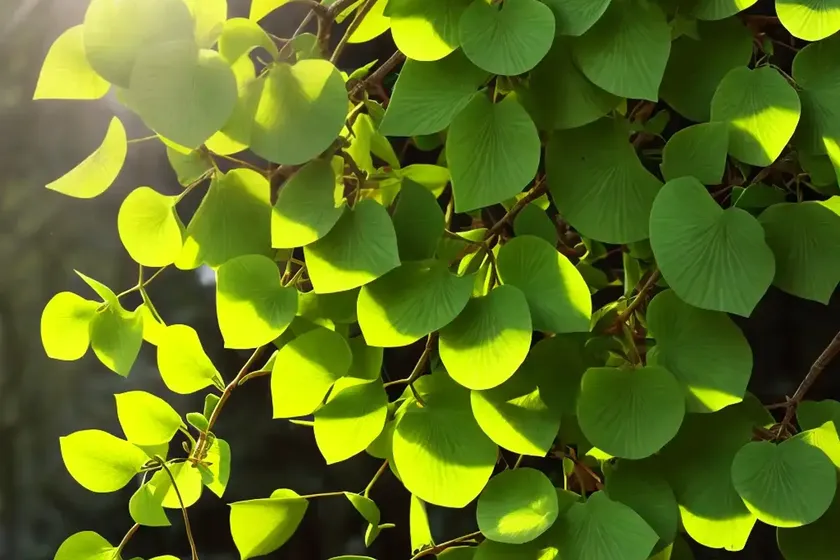

Broad-leaved linden (Tilia platyphyllos) is a magnificent tree known for its broad, heart-shaped leaves and fragrant, nectar-rich flowers. Cultivated for its ornamental value and various practical uses, this species is a staple in many landscapes and gardens. In this comprehensive guide, we will delve into the detailed care, characteristics, uses, and fascinating facts about the broad-leaved linden, providing plant enthusiasts and horticulturists with valuable insights into this beautiful and valuable tree.
1. What is Plant: Broad-Leaved Linden (Tilia platyphyllos)
Broad-leaved linden (Tilia platyphyllos), commonly known as large-leaved linden or large-leaved lime, belongs to the Tiliaceae family. This deciduous tree is indigenous to Europe and Western Asia and is revered for its stately form, vibrant blooms, and aromatic foliage. The broad-leaved linden can reach impressive heights, often growing to around 60-80 feet tall, with a spread of 30-50 feet, making it a substantial presence in any landscape.
Key Characteristics of Tilia platyphyllos:
– Broad, heart-shaped leaves with serrated edges
– Fragrant, creamy-yellow flowers that bloom in early summer
– Irregular, ovate crown with a powerful, spreading form
– Smooth, grey bark that develops deep furrows with age
– Small, round, nut-like fruits enclosed in a woody bract
This majestic tree holds significant cultural and ecological importance and has been cultivated for centuries for its practical and symbolic value.
2. Key Takeaways – Broad-Leaved Linden (Tilia platyphyllos)
This section offers a brief overview of the key takeaways regarding the care, uses, and characteristics of the broad-leaved linden tree.
Broad-Leaved Linden Care
- Optimal water, sunlight, and soil conditions are crucial for the successful cultivation of Tilia platyphyllos.
- Regular pruning and maintenance are essential for sustaining a healthy and aesthetically pleasing tree.
- Propagation techniques such as seed germination and softwood cuttings can be employed to propagate new broad-leaved linden trees.
Tilia platyphyllos Cultivation
- Tilia platyphyllos flourishes in well-drained soil and prefers full sunlight or partial shade.
- This species can be grown as an ornamental tree in gardens, parks, and urban landscapes, providing shade and visual appeal.
Growing Broad-Leaved Linden
- Broad-leaved linden trees are slow to moderate growers, requiring patience and diligent care to reach their full potential.
- Regular watering, especially during the establishment phase, is crucial for promoting healthy growth and robust root development.
Tilia platyphyllos Characteristics
- The broad-leaved linden tree boasts striking foliage, attractive flowers, and a robust, symmetrical form, making it a valuable addition to diverse landscapes.
Broad-Leaved Linden Tree
- Tilia platyphyllos, with its expansive canopy and ornamental features, is prized as a shade tree and ornamental specimen in many regions.
3. Culture
Uses
The broad-leaved linden tree holds immense practical and cultural significance, offering a range of uses that contribute to its enduring appeal.
- Landscaping: Tilia platyphyllos is a favored choice in landscaping due to its broad, dense crown, which provides abundant shade and its picturesque appearance.
- Timber: The wood of the broad-leaved linden is lightweight, easy to work with, and has historically been utilized for making musical instruments, furniture, and carved wooden items.
- Medicinal Purposes: Various parts of the tree, including the flowers and leaves, have been used in traditional herbal medicine for their purported calming and soothing properties.
- Culinary: The fragrant flowers of the broad-leaved linden can be utilized to prepare herbal teas and infusions, known for their delicate flavor and relaxation-inducing effects.
- Bee Forage: The nectar-rich flowers of Tilia platyphyllos attract bees and other pollinators, making it a valuable tree for supporting local ecosystems and apiaries.
Water
Proper watering is critical, especially during the tree’s early stages of growth. Once established, the broad-leaved linden is moderately drought-tolerant, but consistent watering during dry spells enhances its overall health and vitality.
- Watering Needs:
- Establishment Phase: In the first few years after planting, the tree should be watered regularly, especially during dry periods, to encourage strong root establishment.
-
Mature Trees: Once mature, the broad-leaved linden usually thrives with natural rainfall, but additional watering can be beneficial during prolonged periods of drought.
-
Watering Tips:
- Water deeply, ensuring that the soil around the tree’s roots is adequately moistened.
- A layer of organic mulch can help retain soil moisture and reduce water stress for the tree.
Sunlight
Broad-leaved linden trees prefer full sunlight to partial shade, thriving in locations that provide ample direct sunlight while offering some respite from intense midday heat.
- Sunlight Requirements:
- Full Sun: Ideally, the tree should receive at least 6-8 hours of direct sunlight daily for optimal growth and flowering.
-
Partial Shade: While tolerant of partial shade, the broad-leaved linden may exhibit reduced flowering and slightly slower growth in such conditions.
-
Sunlight Considerations:
- Plant the tree in a location where it can receive abundant sunlight, especially in the morning and late afternoon, while being sheltered from the harshest midday sun.
Fertilizer
Prudent fertilization can support the growth and vigor of the broad-leaved linden, promoting lush foliage, abundant flowering, and overall tree health.
- Fertilization Guidelines:
- Young Trees: Newly planted trees can benefit from a balanced, slow-release fertilizer to provide essential nutrients for initial growth.
-
Mature Trees: Once established, moderate fertilization in early spring can help sustain the tree’s vitality and enhance its ornamental appeal.
-
Fertilizer Application:
- Apply fertilizer evenly around the drip line of the tree, avoiding direct contact with the trunk.
- Water the area thoroughly after applying fertilizer to facilitate its absorption into the soil.
Soil
The soil composition and quality play a crucial role in the growth and development of broad-leaved linden trees, influencing their overall health and resilience.
- Soil Type:
- Well-drained, loamy soil with a slightly acidic to neutral pH (pH 6.0-7.5) is ideal for Tilia platyphyllos.
-
The tree thrives in fertile, moisture-retentive soil without waterlogging, which can compromise root health.
-
Soil Amendments:
- Organic matter such as compost or well-rotted manure can be incorporated into the soil to enhance its fertility and structure.
- Mulching with organic materials helps improve soil moisture retention and suppresses weed competition.
Pruning
Proper and timely pruning is essential for shaping the tree, maintaining its structural integrity, and promoting long-term health and vitality.
- Pruning Techniques:
- Remove dead, damaged, or diseased branches to prevent the spread of infections and enhance the tree’s aesthetics.
-
Thinning out dense growth helps improve air circulation and light penetration within the canopy, reducing the risk of fungal diseases.
-
Pruning Schedule:
- Prune the tree during its dormant season in late winter to early spring when it’s devoid of foliage, facilitating better visibility and precision in the pruning process.
- Light, corrective pruning can also be carried out in summer to address any immediate concerns regarding the tree’s form and structure.
4. Propagation
Broad-leaved linden trees can be propagated through various methods, such as seeds, softwood cuttings, and grafting, allowing for the expansion of plantings and the preservation of specific cultivars.
- Propagation Methods:
- Seed Propagation: Collect mature seeds in autumn and sow them in a well-prepared seedbed, providing protection from harsh weather until germination occurs.
- Cuttings: Softwood cuttings taken in early summer can be rooted under controlled conditions to produce new plants with identical characteristics.
-
Grafting: Budding or grafting onto compatible rootstocks can be utilized to propagate select cultivars and ensure desirable traits in the offspring.
-
Propagation Considerations:
- Propagation success often hinges on providing suitable environmental conditions, including moisture, warmth, and protection from excessive heat or drying winds.
- Vigilant care and monitoring are essential during the initial stages of propagation to optimize the survival and establishment of young linden trees.
5. Container Popularity
While broad-leaved linden trees are typically grown in open landscapes, they can also thrive in large containers, adding a touch of elegance and greenery to outdoor spaces with limited planting areas.
- Container Requirements:
- Select spacious, sturdy containers with adequate drainage holes to promote healthy root growth and prevent waterlogging.
-
Use high-quality, well-draining potting mix specifically formulated for woody plants to provide optimal support and nutrition for the tree.
-
Container Care:
- Regular watering is essential for potted linden trees, with attention to maintaining soil moisture without waterlogging.
- Fertilize container-grown trees judiciously using a balanced, slow-release fertilizer to support their growth and flowering.
6. Common Diseases
Like many other trees, broad-leaved linden is susceptible to certain diseases that can affect its health and aesthetic appeal, necessitating prompt identification and intervention.
- Common Diseases:
- Anthracnose: Characterized by blotchy lesions and defoliation, anthracnose can impact the tree’s vitality during periods of cool, wet weather.
- Powdery Mildew: White, powdery fungal growth on leaves and shoots is indicative of powdery mildew, requiring adequate airflow and potential fungicidal treatments.
-
Leaf Spot Diseases: Various types of leaf spot diseases, caused by fungal pathogens, can lead to unsightly blemishes on the foliage, necessitating proper sanitation and, if needed, targeted fungicidal applications.
-
Disease Management:
- Implement proactive measures such as promoting good air circulation, practicing proper sanitation, and selecting disease-resistant cultivars to minimize the risk of infection.
- Timely identification and responsive treatment, which may involve fungicidal applications and cultural practices, are crucial to mitigate disease impact and preserve the tree’s health.
7. Disease Diagnosis
Accurate diagnosis of tree diseases is fundamental for implementing effective management strategies and providing the necessary care to mitigate the disease’s impact.
- Diagnosis Steps:
- Thoroughly examine the tree, paying attention to any abnormal symptoms, including leaf discoloration, spots, or deformities.
-
Seek the assistance of certified arborists or plant pathologists for professional diagnosis and tailored recommendations based on the specific disease and its severity.
-
Diagnostic Tools:
- Utilize digital resources, including reputable plant disease databases and diagnostic tools, to compare observed symptoms with known disease profiles and make informed assessments.
- Laboratory testing and microscopic analysis of affected plant tissues can help pinpoint the causative agents and guide precise management strategies.
8. Common Pests
In addition to diseases, broad-leaved linden trees may encounter various pests that can compromise their health and aesthetics, necessitating proactive pest management measures.
- Common Pests:
- Aphids: These tiny insects can congregate on young shoots and foliage, extracting sap and excreting honeydew, which can attract sooty mold and compromise tree vigor.
- Scale Insects: Scale infestations, recognizable by small, immobile, waxy coverings on branches and stems, can weaken the tree and detract from its visual appeal.
-
Leaf Miners: Larvae of leaf-mining insects tunnel within the leaf tissues, creating distinctive patterns and diminishing the tree’s photosynthetic capacity.
-
Pest Management:
- Encouraging natural predators and beneficial insects, such as ladybugs and lacewings, helps maintain pest populations in check and reduce the need for chemical interventions.
- Consider targeted treatments using horticultural oils, insecticidal soaps, or botanical insecticides to manage pest infestations while minimizing potential impacts on non-target organisms.
9. Botanist’s Tips
For those seeking to cultivate and care for broad-leaved linden trees, the following tips offer valuable insights to optimize the tree’s growth and resilience.
- Soil Considerations: Prioritize planting in well-drained, fertile soil with a slightly acidic to neutral pH to provide an optimal foundation for the tree’s health and vitality.
- Pruning Practices: Practice regular, prudent pruning to shape the tree, remove dead or diseased wood, and improve its overall form and structure.
- Integrated Pest Management: Embrace an integrated approach to pest management, emphasizing biological control and cultural practices to minimize the need for chemical interventions.
10. Fun Facts
- Tilia platyphyllos is often featured in folklore and mythology, with various cultures associating it with themes of love, protection, and tranquility.
- The fragrant flowers of the broad-leaved linden are highly attractive to bees, contributing to the production of high-quality linden honey.
- The leaves of the tree have been used traditionally to create herbal infusions known for their soothing and calming properties, making them a popular choice for tea blends.
11. Links to External Resources
For additional information on broad-leaved linden (Tilia platyphyllos), including detailed cultural guidelines, pest and disease management, and specific cultivar recommendations, refer to the following reputable resources:


