The Incredible Monarda ‘Kardinal’ (Bee Balm): A Complete Guide for Plant Enthusiasts
Introduction
As a plant scientist and enthusiast, I am always delighted to delve into the fascinating world of plants, especially when it comes to the Monarda ‘Kardinal’ – commonly known as Bee Balm. This stunning plant is renowned for its vibrant red flowers, aromatic foliage, and a multitude of benefits, making it an excellent addition to any garden or landscape. In this comprehensive guide, we will explore everything there is to know about the Monarda ‘Kardinal,’ from its characteristics and growing tips to its uses, care requirements, and much more.
What is Monarda ‘Kardinal’ (Bee Balm)?
Famously known as Bee Balm, Monarda ‘Kardinal’ is a herbaceous perennial that belongs to the mint family, Lamiaceae. It is native to North America and is cherished for its striking scarlet-red flowers, which are not only visually appealing but also serve as a significant food source for pollinators such as bees, butterflies, and hummingbirds.
The Monarda genus, also commonly referred to as wild bergamot or horsemint, comprises several species, each with its unique characteristics and ornamental value. Monarda ‘Kardinal’ is one of the most popular and sought-after varieties, particularly prized for its intense color and fragrance, making it a standout in any garden setting.
Key Takeaways – Monarda ‘Kardinal’ (Bee Balm)
Before we dive deeper into the world of Monarda ‘Kardinal,’ let’s take a quick look at the key takeaways that will be covered in this comprehensive guide:
- Characteristics: Explore the defining features and attributes of Monarda ‘Kardinal.’
- Growing Tips: Gain valuable insights into the optimal conditions for cultivating this remarkable plant.
- Care Guide: Learn about the essential care requirements, including water, sunlight, soil, and fertilizer needs.
- Uses: Discover the diverse uses of Monarda ‘Kardinal,’ ranging from ornamental and culinary to medicinal and ecological purposes.
- Propagation: Delve into the methods for propagating and maintaining the plant, including pruning and disease prevention.
- Container Gardening: Uncover the potential of growing Monarda ‘Kardinal’ in containers and its adaptability to different settings.
With these key takeaways in mind, let’s embark on an enlightening journey into the world of Monarda ‘Kardinal’ and uncover the myriad wonders it holds.
Characteristics of Monarda ‘Kardinal’
Monarda ‘Kardinal’ exhibits a remarkable set of characteristics that make it a prized plant for gardeners, nature enthusiasts, and herbalists alike. Understanding these traits is essential for appreciating the plant’s distinct allure and determining the most suitable growing conditions. Here are the key characteristics of Monarda ‘Kardinal’ (Bee Balm):
1. Appearance
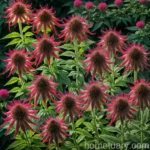
- Flowers: The standout feature of Monarda ‘Kardinal’ is undoubtedly its vibrant, scarlet-red flowers, which are borne in dense, showy clusters. The tubular shape of the blooms, reminiscent of delicate trumpets, attracts a variety of pollinators, adding a dynamic burst of color to the garden landscape.
- Foliage: The plant boasts aromatic, lance-shaped leaves with serrated edges, adding both visual and olfactory appeal. The foliage emits a delightful fragrance when touched, making it a sensory delight in the garden.
2. Growth Habit
- Height: Monarda ‘Kardinal’ typically reaches a height of 2 to 4 feet, making it an ideal choice for mid-border planting or creating striking visual accents in the garden.
- Spread: With a spread of approximately 2 to 3 feet, the plant forms vigorous, expansive clumps, enhancing its visual impact and presence in the landscape.
3. Bloom Time
- Season: Bee Balm ‘Kardinal’ blooms from mid to late summer, gracing the garden with its resplendent display of flowers during the warmer months. The prolonged bloom time ensures a sustained visual interest and supports pollinators throughout the season.
4. Adaptability
- Hardiness: Monarda ‘Kardinal’ is valued for its resilience and adaptability, thriving in USDA hardiness zones 4-9. This robust nature makes it suitable for a wide range of climatic conditions.
- Soil Preferences: The plant exhibits a preference for moist, well-drained soil, tolerating a variety of soil types, including clay and loamy soils.
Growing Tips for Monarda ‘Kardinal’
Cultivating Monarda ‘Kardinal’ successfully requires a nuanced understanding of its growing requirements and the optimal environmental conditions for fostering its health and vibrancy. By adhering to these essential growing tips, plant enthusiasts can ensure an abundant and thriving display of Bee Balm ‘Kardinal’ in their gardens:
1. Water
- Moisture Levels: Adequate moisture is crucial for the health and vitality of Monarda ‘Kardinal.’ While the plant appreciates consistently moist soil, it is essential to avoid waterlogged conditions, which can lead to root rot and other detrimental issues.
- Watering Frequency: During periods of insufficient rainfall, regular watering is recommended to maintain optimal soil moisture levels. A deep soaking once or twice a week, ensuring that the water reaches the plant’s root zone, is typically sufficient.
2. Sunlight
- Light Requirements: Monarda ‘Kardinal’ thrives in full sun to partial shade, displaying the best floral performance when provided with at least 6 hours of direct sunlight per day. Ample sunlight promotes robust growth and ensures the development of the plant’s signature scarlet blooms.
3. Fertilizer
- Nutrient Needs: Incorporating a balanced, slow-release fertilizer into the soil in early spring can provide the necessary nutrients for Monarda ‘Kardinal’ to flourish. Opt for a fertilizer with a higher phosphorus content to encourage prolific flowering and overall plant vigor.
4. Soil
- pH Levels: The ideal soil pH for Monarda ‘Kardinal’ ranges from slightly acidic to neutral (pH 6.0-7.0), offering an environment conducive to nutrient uptake and overall plant health.
- Drainage: Well-drained soil is paramount for preventing waterlogging and ensuring the plant’s root system remains healthy. Amending heavy clay soils with organic matter can improve drainage and create a more favorable growing environment.
5. Pruning
- Deadheading: Regular deadheading of spent blooms not only maintains the plant’s aesthetic appeal but also encourages continuous flowering, prolonging the visual impact of Monarda ‘Kardinal’ throughout the season.
- Spring Pruning: In early spring, pruning back the stems to promote new growth and maintain a compact, tidy appearance can help rejuvenate the plant and prevent overcrowding.
Monarda ‘Kardinal’ as a Pollinator Plant
The ecological significance of Monarda ‘Kardinal’ extends beyond its ornamental value, as it serves as a vital resource for pollinators and beneficial insects. The vibrant, nectar-rich flowers of Bee Balm ‘Kardinal’ attract a wide array of pollinators, making it a valuable addition to pollinator gardens, wildlife habitats, and naturalistic landscapes.
Attracting Hummingbirds and Butterflies
Monarda ‘Kardinal’ holds a special allure for hummingbirds and butterflies, drawing them with its abundant nectar reserves and vibrant blossoms. By cultivating this plant, enthusiasts can create a welcoming habitat for these enchanting winged visitors, contributing to the overall biodiversity of their outdoor spaces.
Benefits for Pollinators
The rich nectar and pollen stores provided by Monarda ‘Kardinal’ support the foraging activities of bees, butterflies, and other pollinators, aiding in their nourishment, reproduction, and ecological roles. By fostering a thriving population of pollinators, the plant contributes to the overall health of the ecosystem and the pollination of surrounding plant species.
Medicinal Uses and Folklore Significance
In addition to its visual and ecological appeal, Monarda ‘Kardinal’ boasts a rich history of traditional uses and cultural significance. From medicinal remedies to folklore and symbolism, the plant holds a revered place in various traditions and has been valued for its diverse attributes and applications.
Medicinal Properties
- Historical Uses: Native American tribes utilized various species of Monarda, including Monarda ‘Kardinal,’ for their medicinal properties, often employing them in the treatment of ailments such as colds, fevers, and digestive issues.
- Essential Oils: The aromatic leaves of Monarda ‘Kardinal’ contain essential oils with potential medicinal benefits, including antimicrobial and soothing properties.
Folklore and Symbolism
- Historical Significance: Monarda species, including ‘Kardinal,’ have been intertwined with cultural narratives and folklore, symbolizing qualities such as healing, resilience, and spiritual significance in different traditions.
- Symbolic Meanings: The striking red blooms of Monarda ‘Kardinal’ have been associated with themes of vitality, passion, and energy, adding symbolic depth to its presence in gardens and landscapes.
Container Gardening with Monarda ‘Kardinal’
The adaptability of Monarda ‘Kardinal’ extends to container gardening, offering plant enthusiasts the flexibility to incorporate this captivating species into diverse garden settings, including patios, balconies, and small urban spaces. When cultivating Bee Balm ‘Kardinal’ in containers, certain considerations and care practices can ensure its successful growth and visual impact.
Container Selection
- Size and Depth: Choose a container with sufficient size and depth to accommodate the plant’s root system and allow for adequate root development. A depth of at least 12 inches is recommended to provide ample room for root expansion.
Potting Mix and Drainage
- Quality Potting Mix: Select a well-draining potting mix that offers a balanced combination of moisture retention and aeration, promoting healthy root growth and overall plant vigor.
- Drainage Holes: Ensure that the chosen container includes adequate drainage holes to prevent waterlogging and maintain optimal soil moisture levels.
Maintenance and Care
- Watering: Monitor the moisture levels in the container and water the plant as needed to prevent the soil from drying out. However, avoid overwatering, as this can lead to root rot and other complications.
- Sunlight: Position the container in a location that receives ample sunlight, as Bee Balm ‘Kardinal’ thrives in full to partial sun conditions, supporting robust flowering and growth.
Fun Facts about Monarda ‘Kardinal’
As we explore the fascinating realm of Monarda ‘Kardinal’ and its multifaceted attributes, let’s uncover some intriguing and delightful fun facts that add to the allure and charm of this exceptional plant:
- Culinary Uses: The aromatic leaves of Monarda ‘Kardinal’ are edible and can be used to impart a delightful, citrusy flavor to culinary creations, ranging from teas and salads to garnishes and infused oils.
- Habitat Restoration: Bee Balm ‘Kardinal’ is employed in habitat restoration initiatives, aiding in the re-establishment of native plant communities and supporting the biodiversity of natural ecosystems.
- Companion Planting: The aromatic qualities and pollinator-attracting nature of Monarda ‘Kardinal’ make it an excellent companion plant for a wide range of garden vegetables, herbs, and flowering species, promoting overall garden health and productivity.
Conclusion
In concluding this comprehensive guide to Monarda ‘Kardinal’ (Bee Balm), we have journeyed through the remarkable characteristics, growing tips, uses, and cultural significance of this captivating plant. From its vibrant scarlet blooms and aromatic foliage to its medicinal uses, ecological benefits, and adaptability to container gardening, Bee Balm ‘Kardinal’ stands as a testament to the inherent beauty and versatility of plant life.
As a plant scientist and enthusiast, I am continually inspired by the intricate tapestry of nature’s wonders, and the Monarda ‘Kardinal’ serves as a shining example of the enchanting world that surrounds us. Whether in the context of a garden landscape, a pollinator habitat, or a historical narrative, this exceptional plant continues to captivate and enrich our lives in myriad ways.
I hope that this comprehensive guide has provided valuable insights and inspiration for incorporating Monarda ‘Kardinal’ into your garden, fostering an appreciation for its unique attributes, and contributing to the conservation of biodiversity and ecological harmony.
Let’s continue to nurture our connection with the natural world and celebrate the bountiful treasures it bestows upon us, one remarkable plant at a time.
References:
- The Royal Horticultural Society (RHS). “Monarda ‘Kardinal’.” www.rhs.org.uk/Plants/61797/i-Monarda-i-Kardinal/Details
- University of Maryland Extension. “Bee Balm (Monarda).” extension.umd.edu/hgic/topics/bee-balm-monarda
- North Carolina State University Extension. “Monarda.” plants.ces.ncsu.edu/plants/monarda/