Illicium Anisatum (Japanese Anise)
Illicium anisatum, commonly known as Japanese Anise, is a fascinating plant that has captured the interest of botanists, gardeners, herbalists, and.
Illicium anisatum, commonly known as Japanese Anise, is a fascinating plant that has captured the interest of botanists, gardeners, herbalists, and culinary enthusiasts alike. This aromatic evergreen shrub belongs to the Illiciaceae family and is native to Japan and China. Its unique characteristics, cultivation requirements, and diverse uses make it a versatile and intriguing addition to gardens, landscapes, and even traditional medicine. In this extensive guide, we will delve into all aspects of Illicium anisatum, from its growth habits to its rich cultural and ecological significance.
What is Illicium anisatum?
Plant Characteristics
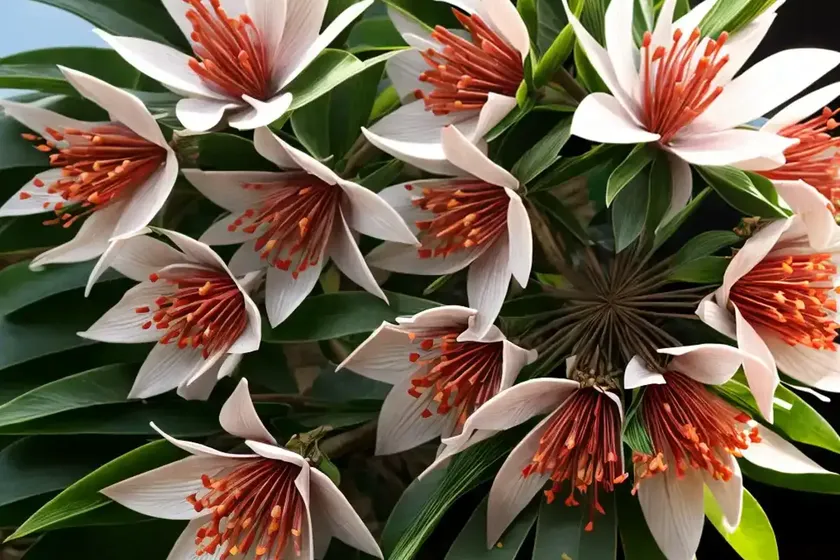
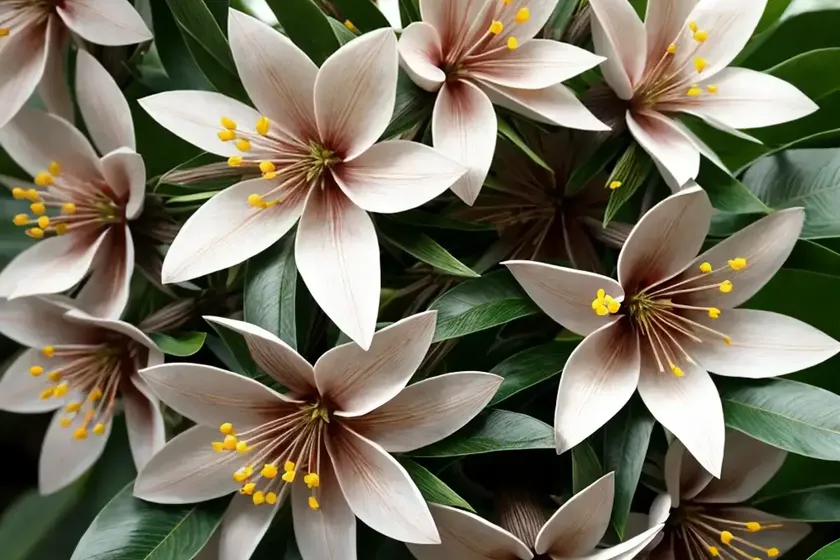
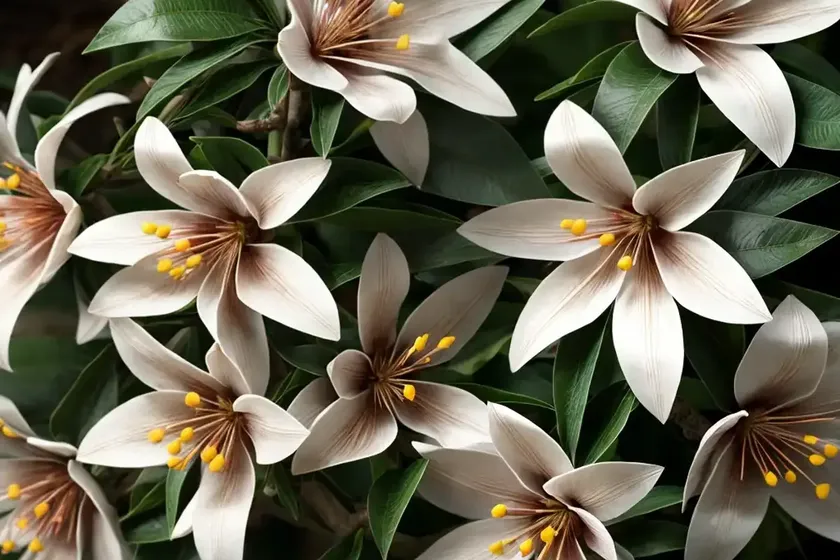
Illicium anisatum is a fragrant, slow-growing, evergreen shrub that can reach a height of 6 to 10 feet. It features glossy, leathery, lance-shaped leaves that exude a distinct anise-like fragrance when crushed. The plant is dioecious, meaning that male and female flowers appear on separate plants. The Illicium anisatum plant typically blooms in the spring, producing small, star-shaped, cream-colored flowers with a sweet and spicy aroma.
Taxonomy
The taxonomy of Illicium anisatum is as follows:
– Kingdom: Plantae
– Clade: Tracheophytes
– Clade: Angiosperms
– Order: Austrobaileyales
– Family: Illiciaceae
– Genus: Illicium
– Species: Illicium anisatum
Native Range and Natural Habitat
Illicium anisatum is native to eastern Asia, specifically Japan and China. In its native habitat, it is commonly found in the understory of forests, where it thrives in the dappled shade and rich, moist, well-drained soils.
Ornamental Value
Beyond its practical and culinary uses, Illicium anisatum shines as an ornamental plant, adding fragrance, texture, and visual interest to gardens and landscapes. Its dark green foliage and delicate, starry blooms make it an attractive choice for ornamental planting, particularly in woodland gardens and shaded borders.
Key Takeaways – Illicium anisatum (Japanese Anise)
Before delving into the details of cultivation, uses, and maintenance of Illicium anisatum, let’s summarize the key takeaways of this remarkable plant:
- Scientific Name: Illicium anisatum
- Common Names: Japanese Anise, Aniseed Tree, Chinese Anise
- Plant Type: Evergreen shrub
- Native Range: Japan, China
- Foliage: Glossy, leathery, lance-shaped leaves
- Flowers: Small, star-shaped, cream-colored flowers with a sweet and spicy aroma
- Fragrance: Distinct anise-like fragrance
- Cultivation: Prefers rich, moist, well-drained soils and dappled shade
- Uses: Culinary, ornamental, medicinal
- Ornamental Value: Ideal for woodland gardens and shaded borders
Now, let’s explore the specifics of cultivating and caring for Illicium anisatum to ensure its optimal growth and vitality.
Cultivation
Successfully cultivating Illicium anisatum involves understanding and providing for its specific cultural needs. As with any plant, the key to healthy growth lies in meeting its requirements for water, sunlight, fertilizer, soil, and proper maintenance. Let’s delve into each of these crucial aspects of cultivation.
Water
Illicium anisatum thrives in consistently moist, well-drained soil. During the growing season, it is essential to ensure that the plant receives regular watering to maintain soil moisture. However, it’s equally important to avoid waterlogged conditions, which can lead to root rot. In periods of prolonged drought, supplemental watering can help sustain the plant and promote healthy growth.
Sunlight
In its natural habitat, Illicium anisatum thrives in dappled shade, protected from the intense midday sun. When cultivating this plant, it is essential to emulate these conditions by providing partial shade or filtered sunlight. Avoid exposing the plant to direct, harsh sunlight, as this can scorch the foliage and compromise its overall health.
Fertilizer
To support healthy growth and abundant flowering, Illicium anisatum benefits from regular fertilization during the growing season. A balanced, slow-release fertilizer applied in spring can provide the necessary nutrients for robust growth and prolific blooms. It’s important to follow the manufacturer’s recommendations regarding application rates to prevent over-fertilization, which can be detrimental to the plant.
Soil
The ideal soil for Illicium anisatum is rich, moist, and well-drained. A loamy, acidic soil with good organic content provides an optimal growing medium for this plant. Additionally, incorporating organic matter such as compost or leaf mold can further improve soil structure and fertility, creating an environment conducive to healthy root development and overall plant vigor.
Pruning
Regular pruning is key to maintaining the desired shape and promoting healthy growth in Illicium anisatum. Pruning can be done in late winter or early spring before new growth emerges. It’s essential to remove any dead, damaged, or crossing branches to enhance air circulation and prevent disease. Additionally, light pruning can help control the size of the plant and encourage branching, resulting in a fuller, more compact form.
Propagation
Illicium anisatum can be propagated through various methods, including seed sowing, softwood cuttings, and layering. Here are some key propagation tips to consider:
- Seed Propagation: Sow fresh seeds in a well-draining, moist seed-starting mix and maintain consistently moist conditions until germination occurs.
- Softwood Cuttings: Take softwood cuttings in late spring or early summer and root them in a well-draining propagation medium under controlled humidity and temperature.
- Layering: Encourage layering by gently bending a low-growing branch to the ground, wounding the underside, and securing it in contact with the soil. Once roots develop, the new plant can be separated and transplanted.
Container Gardening
For gardeners with limited space or those seeking to enjoy Illicium anisatum‘s splendor on patios, decks, or balconies, container gardening can be an excellent option. When cultivating this plant in containers, it’s crucial to ensure adequate drainage, as waterlogged soil can lead to root rot. Using a quality, well-draining potting mix and selecting a container with drainage holes can help maintain proper soil moisture levels and prevent water-related issues.
Uses
Beyond its ornamental value, Illicium anisatum offers a range of practical, culinary, and medicinal uses, each contributing to its allure and significance in various contexts. Let’s explore these diverse uses in detail.
Culinary Uses
The aromatic leaves of Illicium anisatum impart a distinctive, anise-like flavor, making them a valuable addition to culinary endeavors. From teas and herbal infusions to flavoring agents in cooking, the leaves of this plant offer a unique sensory experience. They can be used fresh or dried, adding depth and complexity to an array of dishes, beverages, and confections.
Japanese Anise Culinary Recipes
For adventurous culinary enthusiasts and herbal connoisseurs, experimenting with Illicium anisatum in recipes can yield delightful and unexpected flavors. Here are some culinary ideas to explore:
- Illicium anisatum-infused simple syrup: Boil equal parts water and sugar until the sugar dissolves, then add Illicium anisatum leaves and steep until the desired flavor is achieved. Strain the syrup and use it to sweeten beverages and desserts.
- Anise-scented rice dishes: Add finely chopped Illicium anisatum leaves to rice dishes for a subtle, aromatic twist.
- Herbal teas and tisanes: Create delightful herbal infusions by steeping Illicium anisatum leaves in hot water, alone or in combination with other herbs, to unlock their unique flavors and aromatic qualities.
Medicinal Properties
In traditional medicine, Illicium anisatum has been valued for its medicinal properties, particularly its aromatic and digestive qualities. The leaves have been used to prepare herbal remedies that aid in digestion, soothe discomfort, and promote overall well-being. While it’s essential to exercise caution and seek guidance from qualified herbalists or healthcare professionals, exploring the potential medicinal applications of Illicium anisatum can shed light on its historical and contemporary significance.
Companion Plants
In garden design, selecting suitable companion plants can enhance the visual appeal of Illicium anisatum and create harmonious plant communities. Some companion plants that thrive in similar conditions and complement the characteristics of Illicium anisatum include:
- Hostas: These shade-loving perennials offer a diverse range of foliage colors and textures, providing a striking contrast to the glossy green leaves of Illicium anisatum.
- Ferns: With their delicate fronds and varying heights, ferns add an elegant touch to the shaded environs where Illicium anisatum thrives.
- Astilbes: Known for their plume-like flowers and attractive foliage, astilbes bring vibrant color and texture to shaded gardens, complementing the understated beauty of Illicium anisatum.
Common Diseases
While Illicium anisatum is generally resilient, it can be susceptible to certain diseases and issues, particularly when grown under unfavorable conditions or exposed to stress. Understanding the common diseases that affect this plant and their diagnosis is pivotal in implementing timely and effective solutions to safeguard its health and vitality.
Common Diseases and Diagnosis
Here are some common diseases and issues that can affect Illicium anisatum, along with their typical symptoms and diagnostic cues:
- Anthracnose: This fungal disease can cause dark, sunken lesions on the leaves and stems of Illicium anisatum. Affected plant parts may also develop a fuzzy fungal growth, signaling the presence of anthracnose. To manage this disease, remove and destroy infected plant material and ensure proper air circulation to prevent its spread.
- Root Rot: Excessive soil moisture or poorly draining soils can lead to root rot, characterized by wilting, yellowing foliage, and a general decline in the plant’s health. Diagnosis involves carefully inspecting the roots for signs of decay and addressing the underlying drainage issues to prevent further damage to the plant.
Common Pests
In addition to diseases, Illicium anisatum may face various pests that can compromise its growth and aesthetic appeal. Prompt identification and intervention are crucial in mitigating the impact of these pests and preserving the health of the plant.
Common Pests
Some common pests that may target Illicium anisatum include:
- Aphids: These small, sap-sucking insects can congregate on the undersides of leaves, causing distortion of the foliage and the secretion of sticky honeydew. Rinse aphids off with a strong blast of water or use insecticidal soap for severe infestations.
- Scale Insects: Scale insects can appear as raised, waxy bumps on the stems and leaves of Illicium anisatum. They feed on plant fluids, weakening the plant over time. Control scale by manually removing the insects or using horticultural oils as a targeted treatment.
Botanist’s Tips
To help cultivate and appreciate Illicium anisatum to its fullest potential, consider the following tips from botanists and horticultural experts:
- Mulch: Apply a layer of organic mulch around the base of Illicium anisatum to conserve soil moisture, suppress weeds, and add organic matter to the soil as the mulch breaks down.
- Observation: Regularly observe the plant for any signs of stress, disease, or pest infestations, intervening promptly to address any issues that may arise.
- Companion Planting: Explore diverse companion plants to create visually appealing and ecologically beneficial plant communities that enhance the overall charm of Illicium anisatum.
Fun Facts
In addition to its practical and ecological significance, Illicium anisatum boasts some intriguing and lesser-known attributes. Here are a few fun facts to pique your interest:
- Cultural Symbolism: In Japanese culture, Illicium anisatum holds symbolic significance and is associated with themes of protection and reverence.
- Wildlife Interactions: The aromatic foliage of Illicium anisatum can attract pollinators and beneficial insects, contributing to the ecological diversity of its habitat.
Links to External Resources
For further exploration of Illicium anisatum and its diverse aspects, the following external resources offer valuable insights and information:
As we’ve journeyed through the intriguing world of Illicium anisatum, we’ve gained a deeper understanding of its growth habits, cultivation tips, uses, and ecological significance. Whether gracing gardens with its beauty, enriching culinary creations with its flavor, or playing a role in traditional medicine, Illicium anisatum exemplifies the remarkable versatility and cultural value of plants in our lives. As we continue to appreciate and steward the natural world, may the allure of plants like Illicium anisatum inspire us to cultivate beauty, wisdom, and connection in our interactions with the botanical realm.


