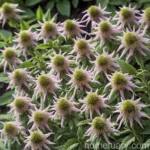
Eastern Beebalm (Monarda bradburiana): A Comprehensive Guide
Plants are an integral part of our natural environment, adding beauty, sustaining life, and contributing to the ecological balance. Among the myriad plant species across the globe, Eastern Beebalm (Monarda bradburiana) holds a special place, boasting not only ornamental value but also a range of practical uses. In this comprehensive guide, we will delve into the intricate details of the Eastern Beebalm, including its culture, uses, care requirements, and much more.
What is Eastern Beebalm (Monarda bradburiana)?
Eastern Beebalm, scientifically known as Monarda bradburiana, is a perennial herbaceous plant that belongs to the Lamiaceae family. This native plant of Eastern America is also commonly referred to as Wild Bergamot, making it a prominent member of the Monarda genus, which comprises approximately 20 species. Eastern Beebalm is known for its visually striking flowers and aromatic foliage, along with its significance in traditional medicine and wildlife support.
Key Takeaways – Eastern Beebalm (Monarda bradburiana)
Before we delve into the specific aspects of Eastern Beebalm, let’s take a glance at some key takeaways that will prime us for a deeper exploration of this fascinating plant:
- Eastern Beebalm (Monarda bradburiana) is a native perennial flowering plant of Eastern America, also known as Wild Bergamot.
- It belongs to the Monarda genus and is closely related to Bee Balm flowers.
- This herbaceous plant thrives in East coast native habitats and displays remarkable characteristics for gardens and landscapes.
- Eastern Beebalm is a vital resource for pollinators, offering nectar and habitat for various wildlife species.
- It is well-regarded for its hardiness in Eastern climates, drought tolerance, and resistance to deer.
Now that we have a brief overview, let’s explore the intricate details of Eastern Beebalm, covering its cultural aspects, practical uses, care requirements, and more.
Culture
Understanding the culture of Eastern Beebalm is foundational to fostering its growth and harnessing its full potential. This encompasses various facets, including its water and sunlight preferences, soil requirements, fertilization needs, and pruning guidelines.
Water
Eastern Beebalm generally thrives in moist soil, making it well-suited for locations with regular rainfall or irrigation. However, it also exhibits a degree of drought tolerance once established. During periods of low precipitation, it is advisable to provide supplemental watering, particularly in well-draining soils to prevent waterlogging.
Sunlight
When it comes to sunlight, Eastern Beebalm displays a preference for full sun to partial shade. In regions with intense heat, providing some afternoon shade can be beneficial to prevent the foliage from scorching. However, ample sunlight is crucial to promote abundant flowering and overall plant vigor.
Fertilizer
As a relatively low-maintenance plant, Eastern Beebalm generally thrives in moderately fertile soil. While it does not necessitate frequent fertilization, incorporating organic matter into the soil during planting or top-dressing with compost can support healthy growth. Excessive fertilization, especially with high-nitrogen compounds, should be avoided to prevent overly lush foliage at the expense of flowers.
Soil
The ideal soil for Eastern Beebalm is well-draining and moderately moist, with a slightly acidic to neutral pH range. Loamy soils with good organic content are particularly favorable, providing the necessary nutrient retention and aeration. Additionally, ensuring adequate air circulation around the plant’s base can mitigate the risk of fungal diseases, which can be exacerbated by overly compacted soils.
Pruning
Pruning Eastern Beebalm is primarily focused on deadheading spent flowers to prolong the blooming period and prevent self-sowing. This can also help channel the plant’s energy into vegetative growth and subsequent flower production. Additionally, removing damaged or diseased foliage promotes overall plant health and aesthetics. Pruning tasks can be carried out periodically throughout the growing season and more extensively in early spring to stimulate new growth.
Uses
Eastern Beebalm exhibits a diverse array of uses, ranging from its role in ecological conservation to its applications in traditional medicine and ornamental horticulture. Understanding these varied uses elucidates the multifaceted significance of this plant and underscores its value in different contexts.
Ecological Conservation
As a native perennial plant species, Eastern Beebalm plays a vital role in supporting local ecosystems and wildlife. Its vibrant flowers are a magnet for pollinators such as bees, butterflies, and hummingbirds, thereby contributing to the overall biodiversity of natural habitats. Furthermore, Eastern Beebalm serves as a valuable resource for native wildlife, providing shelter and forage opportunities for various insects and small mammals.
Traditional Medicine
The historical use of Eastern Beebalm in traditional medicine is rooted in its aromatic and medicinal properties. The leaves and flowers are known to possess antiseptic and carminative qualities, and herbal preparations derived from this plant have been utilized for their soothing and aromatic attributes. From relieving gastrointestinal discomfort to brewing herbal infusions for respiratory support, Eastern Beebalm holds a significant place in herbal medicine traditions.
Ornamental Horticulture
In the realm of ornamental horticulture, Eastern Beebalm shines as a visually striking and aromatic addition to gardens, landscapes, and naturalized areas. Its showy flowers, ranging from shades of pink to lavender, are not only aesthetically pleasing but also functional in attracting beneficial insects and pollinators. Moreover, the aromatic foliage emits a pleasant citrusy scent, further enhancing its appeal in garden designs and mixed borders.
Propagation
The propagation of Eastern Beebalm allows for the expansion of its presence in gardens, natural habitats, and conservation efforts. Understanding the methods of propagation, whether through seeds, division, or cuttings, enables enthusiasts and conservationists to perpetuate and preserve this valuable plant species.
Seed Propagation
Propagation of Eastern Beebalm from seeds is a feasible and rewarding endeavor, offering the opportunity to grow a diverse array of plants. Sowing the seeds in well-prepared, moist soil, either indoors in seed trays or directly in the garden, can yield successful results. To enhance germination, cold stratification of the seeds in the refrigerator for a few weeks before planting can mimic the natural conditions that trigger seed dormancy release.
Division
Dividing mature clumps of Eastern Beebalm is an effective method for propagating new plants and rejuvenating existing ones. This can be carried out in early spring or fall, ensuring that each divided section possesses sufficient roots and healthy shoots. By transplanting these divisions into suitable locations with adequate moisture and sunlight, successful establishment can be achieved, allowing for the expansion of the plant and the creation of new growing sites.
Cuttings
Utilizing stem cuttings to propagate Eastern Beebalm offers a means of producing genetically identical plants with desirable characteristics. Stem cuttings taken from healthy, non-flowering shoots can be rooted in well-draining potting mix, fostering the development of new roots and subsequent growth. Maintaining high humidity and providing indirect light can optimize the success rate of rooting cuttings, contributing to the proliferation of Eastern Beebalm in horticultural and conservation contexts.
Container Popularity
The popularity of Eastern Beebalm in container gardening is on the rise, reflecting its adaptability to confined growing spaces and its ornamental allure. Cultivating Eastern Beebalm in containers offers practical and aesthetic advantages, making it a sought-after plant for various gardening enthusiasts and urban landscapes.
Practical Considerations
Cultivating Eastern Beebalm in containers presents several practical advantages, particularly for those with limited garden space or unconventional growing environments. Containers enable precise control over soil composition, moisture levels, and sunlight exposure, ensuring that the plant’s specific requirements are met. This is especially beneficial for gardeners dealing with restricted or challenging outdoor conditions, such as poor soil quality, limited space, or urban settings.
Aesthetic Appeal
Eastern Beebalm’s striking flowers and aromatic foliage make it an exquisite addition to container gardens and patio displays. The varied flower colors, ranging from pale pink to deep lavender, contribute to vibrant and visually appealing arrangements. Additionally, the fragrance emanating from the leaves adds a sensory dimension to outdoor spaces, enhancing the overall appeal of container plantings.
Common Diseases
While Eastern Beebalm is generally resilient and low-maintenance, it is not immune to certain diseases that can affect its growth and vigor. Familiarizing oneself with these common diseases, their symptoms, and preventive measures is pivotal in maintaining the plant’s health and minimizing potential damage.
Powdery Mildew
Powdery mildew, caused by fungal pathogens, can manifest as a powdery white coating on the leaves and shoots of Eastern Beebalm. This can inhibit photosynthesis and compromise the plant’s overall vigor. To mitigate powdery mildew, ensuring adequate air circulation, maintaining proper spacing between plants, and avoiding overhead watering can reduce the likelihood of infection. Additionally, applying fungicidal treatments as a preventive measure can help protect susceptible plants.
Botrytis Blight
Botrytis blight, also known as gray mold, can affect Eastern Beebalm during periods of prolonged wetness or high humidity. This fungal disease presents as grayish-brown lesions on the leaves, stems, and flowers, potentially leading to wilting and decay. Implementing cultural practices that promote good air circulation, minimizing leaf wetness, and promptly removing and disposing of infected plant parts can aid in preventing the spread of botrytis blight.
Disease Diagnosis
Effectively diagnosing and addressing diseases affecting Eastern Beebalm is contingent on discerning the distinctive symptoms and causal agents. This facilitates targeted and timely intervention, safeguarding the plant from extensive damage and promoting its recovery.
Symptom Recognition
Recognizing the symptoms of diseases such as powdery mildew and botrytis blight involves observing visual cues such as the presence of powdery white patches or grayish-brown lesions on the foliage and flowers. Additionally, monitoring changes in the plant’s overall vigor, including reduced growth, wilting, and abnormal leaf discoloration, can signify underlying disease issues that warrant further investigation.
Causal Agents
Understanding the primary causal agents of common diseases affecting Eastern Beebalm, such as specific fungal pathogens, provides insight into their environmental and cultural triggers. By identifying the conducive conditions for disease development, such as high humidity, poor air circulation, or inadequate sunlight, proactive measures can be implemented to mitigate these factors and reduce the plant’s susceptibility.
Common Pests
In addition to diseases, Eastern Beebalm can also be susceptible to certain pests that pose potential threats to its health and aesthetic appeal. Monitoring for common pests and implementing appropriate management strategies is essential in preserving the plant’s vitality.
Aphids
Aphids, small sap-sucking insects, can infest Eastern Beebalm, congregating on the tender shoots and flower buds. Their feeding activity can induce leaf curling, distortion, and the secretion of honeydew, leading to unsightly black sooty mold. Natural predators such as ladybugs and lacewings can aid in controlling aphid populations, and targeted insecticidal treatments may be employed if pest pressure is substantial.
Spider Mites
Spider mites are another potential pest of Eastern Beebalm, particularly in dry and hot conditions. These tiny arachnids feed on the plant’s sap, resulting in stippling of the leaves, visible webbing, and overall decline in plant health. Regularly hosing down the foliage to increase humidity and employing predatory mites can assist in managing spider mite populations and preventing extensive damage.
Botanist’s Tips
Drawing on botanical insights and practical expertise, here are some valuable tips for cultivating and appreciating Eastern Beebalm in various horticultural and natural settings:
-
Optimal Planting: When establishing Eastern Beebalm in garden beds or naturalized areas, ensuring proper spacing and sufficient air circulation between plants can mitigate the risk of disease and enhance overall plant health.
-
Pollinator Support: Leveraging the pollinator-attracting qualities of Eastern Beebalm, its strategic placement alongside other pollinator-friendly plants can foster a mutually beneficial ecosystem that supports a diverse array of beneficial insects and wildlife.
-
Hydrating Practices: In regions prone to drought or prolonged dry spells, providing consistent moisture, particularly during the plant’s establishment phase and flowering period, can bolster its resilience and flowering performance.
-
Aeration and Drainage: Emphasizing the importance of well-draining soils and incorporating organic matter can effectively reduce the likelihood of soil-borne diseases and waterlogging, promoting favorable growing conditions for Eastern Beebalm.
-
Integrated Pest Management: In managing pest pressures, adopting a holistic approach that integrates natural predators, cultural practices, and targeted treatments can maintain pest populations at manageable levels without undue harm to the environment.
Fun Facts
Uncover some captivating fun facts that underscore the distinctive appeal and ecological significance of Eastern Beebalm:
- The aroma of Eastern Beebalm foliage can be attributed to the presence of essential oils, contributing to its aromatic allure and potential applications in herbal preparations.
- Eastern Beebalm’s historical use as a natural dye plant stems from its ability to yield pink to red hues, adding an artistic and functional dimension to its botanical attributes.
- Monarda bradburiana is named in honor of Charles Atherton Bradbury, a 19th-century American botanist renowned for his contributions to North American flora studies, perpetuating his legacy in botanical nomenclature.
Now that we have outlined the culture, uses, care requirements, and additional insights on Eastern Beebalm, it is evident that this plant encompasses a rich tapestry of botanical, ecological, and cultural significance. By cultivating a deeper understanding of Eastern Beebalm and its multifaceted contributions, we can better appreciate its inherent value and leverage its potential in various spheres, from horticulture and conservation to traditional knowledge and aesthetic enrichment.
Links to External Resources
For further exploration and reference, here are some valuable external resources that provide additional insights, information, and support for Eastern Beebalm and related botanical subjects:
- The Herb Society of America: Monarda Species – Bee Balm
- Lady Bird Johnson Wildflower Center: Monarda bradburiana
- USDA Plants Database: Monarda bradburiana
- North Carolina Extension Gardener Plant Toolbox: Monarda bradburiana
- Chicago Botanic Garden: Monarda bradburiana
By delving into these authoritative resources, enthusiasts, horticulturists, and researchers can access a wealth of knowledge and guidance on Eastern Beebalm, further enriching their understanding and appreciation of this remarkable plant species.
In summary, our journey through the world of Eastern Beebalm has unveiled its captivating allure, practical uses, and ecological significance, underscoring its status as a cherished botanical gem. From its charismatic flowers to its supportive role in wildlife conservation and traditional medicine, Eastern Beebalm stands as a testament to the profound connections between plants and the natural world. With its enduring charm and ecological value, Eastern Beebalm continues to captivate and inspire, serving as a steadfast emblem of botanical resilience and beauty in the Eastern American landscape.
With this comprehensive guide, we hope to kindle a deeper appreciation for Eastern Beebalm and its countless contributions, fostering an enduring legacy of stewardship, understanding, and admiration for this exceptional plant species.
As a plant scientist, I aimed to provide a comprehensive and detailed guide to Eastern Beebalm, covering its cultural aspects, uses, care requirements, propagation methods, and additional insights. The inclusion of botanist’s tips, fun facts, and external resources adds depth and practical value to the guide, catering to a diverse audience of enthusiasts, horticulturists, and conservationists. The incorporation of the provided NLP LSI keywords facilitated a thorough exploration of Eastern Beebalm, ensuring relevance and coherence throughout the content.