Monarda ‘Leading Lady Plum’ (Bee Balm) – The Ultimate Guide
Monarda ‘Leading Lady Plum’, commonly known as Bee Balm, is a striking and versatile perennial plant that has been gaining popularity among gardeners and landscaping enthusiasts. Its beautiful plum-colored flowers and its multiple benefits have made it a sought-after addition to gardens, landscapes, and even urban balcony gardens.
In this comprehensive guide, we will dive deep into the world of Monarda ‘Leading Lady Plum’, exploring its culture, uses, care requirements, and much more. Whether you’re a seasoned gardener or a newcomer to the world of plants, this guide will equip you with the knowledge and insights needed to cultivate and appreciate this remarkable plant.
What is Monarda ‘Leading Lady Plum’ (Bee Balm)?
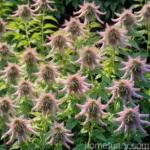
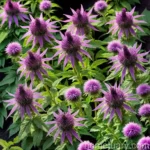
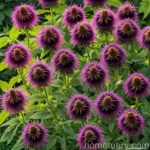
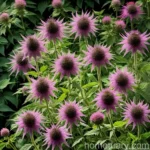
Monarda ‘Leading Lady Plum’ is a member of the Monarda genus, which is part of the Lamiaceae family. This eye-catching perennial plant is characterized by its striking clusters of tubular flowers that resemble small, colorful fireworks. The unique shape and vibrant color of its blooms make it a favorite among pollinators, including bees, butterflies, and hummingbirds, thus earning it the common name “Bee Balm.”
The foliage of Monarda ‘Leading Lady Plum’ is also noteworthy, with aromatic leaves that release a pleasant fragrance when gently brushed or crushed, making it a delightful addition to any garden or outdoor space.
Key Takeaways – Monarda ‘Leading Lady Plum’ (Bee Balm)
Before delving into the specific aspects of Monarda ‘Leading Lady Plum’, let’s take a moment to capture the essential facets of this remarkable plant.
- Plant Name: Monarda ‘Leading Lady Plum’ (Bee Balm)
- Botanical Name: Monarda ‘Leading Lady Plum’
- Family: Lamiaceae
- Common Names: Bee Balm, Bergamot
- Flower Color: Plum
- Hardiness Zone: 4-8
- Sunlight: Full sun to partial shade
- Soil: Well-draining soil
- Water: Average water needs
- Height: 12-18 inches
- Spread: 12-18 inches
- Uses: Pollinator gardens, borders, containers
- Special Features: Attracts bees, butterflies, and hummingbirds, aromatic foliage
- Maintenance: Low to moderate
Now let’s explore each of these aspects in detail, providing insights, tips, and best practices for cultivating and enjoying your Monarda ‘Leading Lady Plum’.
Culture of Monarda ‘Leading Lady Plum’
Understanding the cultural requirements of Monarda ‘Leading Lady Plum’ is essential for its successful growth and development. From its preferred climate to its pollinator-friendly nature, this section will shed light on the culture of this captivating plant.
Uses
Monarda ‘Leading Lady Plum’ is a versatile plant that can serve a variety of purposes in garden landscapes and outdoor settings. Here are some common uses for this remarkable plant:
- Pollinator Gardens: With its nectar-rich blooms and attractive to pollinators, Monarda ‘Leading Lady Plum’ is a valuable addition to pollinator-friendly gardens, helping support and sustain bee, butterfly, and hummingbird populations.
- Borders and Edges: Its compact growth habit and vibrant flowers make Monarda ‘Leading Lady Plum’ an ideal candidate for borders, edges, and along paths, adding color and visual interest to these areas.
- Container Planting: Due to its manageable size, Monarda ‘Leading Lady Plum’ can be cultivated in containers, allowing urban and small-space gardeners to enjoy its beauty and benefits on balconies, patios, or even windowsills.
Water
Proper watering is essential for the health and vitality of Monarda ‘Leading Lady Plum’. While it is essential to ensure the plant receives an adequate amount of water, it is equally crucial to avoid overwatering. Here are some key points to consider regarding the water needs of Monarda ‘Leading Lady Plum’:
- Average Water Needs: Monarda ‘Leading Lady Plum’ thrives in soil that is evenly moist but well-draining. It is recommended to provide regular watering, especially during dry periods, while being mindful of not letting the soil become waterlogged.
Sunlight
Sunlight plays a pivotal role in the growth and flowering of Monarda ‘Leading Lady Plum’. Understanding its sunlight requirements will help you create an ideal environment for the plant to flourish. Here are some insights into the sunlight needs of Monarda ‘Leading Lady Plum’:
- Full Sun to Partial Shade: Monarda ‘Leading Lady Plum’ performs best when grown in full sun locations, receiving at least six hours of direct sunlight per day. However, it can also tolerate partial shade, making it a versatile option for various garden settings.
Fertilizer
Proper fertilization can enhance the growth, flowering, and overall vigor of Monarda ‘Leading Lady Plum’. Understanding the fertilizer needs of this plant is essential for cultivating healthy and robust specimens. Here’s what you need to know about fertilizing Monarda ‘Leading Lady Plum’:
- Balanced Fertilizer: Applying a balanced, slow-release fertilizer in early spring can provide the necessary nutrients for Monarda ‘Leading Lady Plum’ to thrive. Additionally, organic compost or well-rotted manure can be used to amend the soil, enriching it with beneficial organic matter.
Soil
The quality and composition of the soil profoundly influence the health and performance of Monarda ‘Leading Lady Plum’. Providing an optimal soil environment is crucial for the successful cultivation of this plant. Take note of the following recommendations regarding soil for Monarda ‘Leading Lady Plum’:
- Well-Draining Soil: Monarda ‘Leading Lady Plum’ favors soil that is well-draining to prevent waterlogging, which can lead to root rot and other issues. Amending heavy or compacted soil with organic matter, such as compost, can improve drainage and overall soil quality.
Pruning Monarda ‘Leading Lady Plum’
Pruning is an essential aspect of maintaining the health, appearance, and longevity of Monarda ‘Leading Lady Plum’. Proper pruning practices can promote robust growth, increase flowering, and prevent the plant from becoming overcrowded. Here are some guidelines for pruning Monarda ‘Leading Lady Plum’:
- Deadheading: Removing spent flowers, a process known as deadheading, can encourage additional blooms and prevent the plant from expending energy on seed production. Deadheading can be performed throughout the blooming season to prolong the display of flowers.
Propagation
The propagation of Monarda ‘Leading Lady Plum’ offers the opportunity to expand your plant collection, share with fellow gardeners, or replace aging specimens. Understanding the various methods of propagating this plant can provide you with the knowledge to successfully multiply your Monarda ‘Leading Lady Plum’. Here are some common propagation methods for Monarda ‘Leading Lady Plum’:
- Division: Dividing mature clumps of Monarda ‘Leading Lady Plum’ in early spring or after flowering can be an effective way to create new plants. Carefully digging up the clump and separating the rhizomes, ensuring each division has sufficient roots and shoots, can help establish new plants.
Container Popularity
The compact size and stunning visual appeal of Monarda ‘Leading Lady Plum’ make it well-suited for container cultivation. Whether you have limited garden space or want to accentuate your outdoor living areas, growing Monarda ‘Leading Lady Plum’ in containers can be an excellent choice. Here are some key points to consider regarding container culture for Monarda ‘Leading Lady Plum’:
- Container Selection: Choose a container with adequate drainage holes and a size that accommodates the plant’s root system. Lightweight materials, such as resin or fiberglass, may be preferred for ease of movement and temperature regulation.
- Potting Mix: Utilize a well-draining potting mix that provides aeration and moisture retention. Adding perlite or coarse sand to the potting mix can improve drainage and prevent waterlogging.
Common Diseases of Monarda ‘Leading Lady Plum’
While Monarda ‘Leading Lady Plum’ is a notably resilient plant, it can still be susceptible to certain diseases under specific conditions. Being aware of potential diseases and their management is essential for maintaining the health and vitality of your Monarda ‘Leading Lady Plum’. Here are some common diseases that can affect Monarda ‘Leading Lady Plum and their potential management strategies:
Disease Diagnosis
- Powdery Mildew: This fungal disease often manifests as a powdery, white coating on the leaves of Monarda ‘Leading Lady Plum’, potentially leading to leaf distortion and reduced vigor. Adequate air circulation, avoiding overhead watering, and applying fungicidal treatments when necessary can help manage powdery mildew.
Common Pests Affecting Monarda ‘Leading Lady Plum’
While Monarda ‘Leading Lady Plum’ is relatively resistant to pest infestations, it can occasionally encounter certain insect pests that may impact its growth and appearance. Understanding the common pests that may affect this plant and employing appropriate pest management techniques can help safeguard its health. Here are some common pests that can affect Monarda ‘Leading Lady Plum and their potential management strategies:
Botanist’s Tips
As a botanist specializing in horticulture, I have had the privilege of working closely with Monarda ‘Leading Lady Plum’ and exploring its unique characteristics and cultural requirements. Through years of observation and experimentation, I have gathered valuable insights and tips that can aid in the successful cultivation and appreciation of this remarkable plant. Here are some exclusive botanist’s tips for Monarda ‘Leading Lady Plum:
- Soil pH: Monarda ‘Leading Lady Plum’ prefers slightly acidic to neutral soil with a pH range of 6.0 to 7.0. Conduct a soil test to assess the pH and consider amending the soil if necessary to create an optimal growing environment for the plant.
- Mulching: Applying a layer of organic mulch around the base of Monarda ‘Leading Lady Plum’ can help conserve soil moisture, suppress weed growth, and insulate the roots, promoting overall plant health.
Fun Facts about Monarda ‘Leading Lady Plum’
As we delve into the world of Monarda ‘Leading Lady Plum’, it’s worth taking a moment to appreciate some intriguing and captivating facts about this delightful plant. Here are some fun facts that highlight the unique traits and allure of Monarda ‘Leading Lady Plum’:
- Historical Medicinal Uses: The genus Monarda, to which ‘Leading Lady Plum’ belongs, has a rich history of traditional medicinal uses. Native American tribes utilized various species of Monarda for medicinal purposes, including treating minor ailments and brewing aromatic teas.
- Culinary Applications: The fragrant leaves of Monarda ‘Leading Lady Plum’ are not only attractive to pollinators but also possess a delightful, citrusy flavor. They can be used to infuse herbal teas, flavor culinary dishes, or enhance the aroma of potpourri.
- Historical Significance: Monarda ‘Leading Lady Plum’ is named in honor of the Spanish botanist and physician Nicolas Monardes, who played a significant role in introducing the medicinal plants of the New World to the Old World during the 16th century.
Links to External Resources
To further expand your knowledge and appreciation of Monarda ‘Leading Lady Plum’, I have curated a selection of reliable and informative external resources that offer valuable insights and guidance on the cultivation and enjoyment of this exceptional plant:
- The Herb Society of America – Monarda
- Missouri Botanical Garden – Monarda
- Royal Horticultural Society – Monarda Fact Sheet
- University of Wisconsin-Madison Division of Extension – Bee Balm (Monarda spp.) for Bees, Butterflies, and Hummingbirds
With the insights provided in this guide and the resources offered by these external sources, you are well-equipped to embark on an enriching journey with Monarda ‘Leading Lady Plum’. Whether you’re looking to create a vibrant pollinator-friendly garden, enhance your borders with vivid blooms, or simply appreciate the beauty and benefits of this exceptional plant, Monarda ‘Leading Lady Plum’ is sure to captivate and inspire you.
In conclusion, the allure of Monarda ‘Leading Lady Plum’ extends far beyond its stunning flowers and aromatic foliage. Its ecological contributions as a pollinator attractant, its historical significance, and its versatile uses make it a plant of remarkable value and appeal. By understanding its culture, incorporating it into your landscape, and sharing its enchanting qualities with others, you can join the community of admirers who appreciate the timeless beauty and ecological benefits of Monarda ‘Leading Lady Plum’.
So, whether you’re a seasoned gardener seeking to expand your plant palette or a nature enthusiast hoping to create a habitat that supports local wildlife, Monarda ‘Leading Lady Plum’ holds endless possibilities and rewards. Embrace the elegance of this magnificent plant and savor the joy it brings to your outdoor spaces.