Plant Scientist’s Guide to Monarda ‘Balmy Purple’ (Bee Balm)
What is Monarda ‘Balmy Purple’?
Monarda ‘Balmy Purple’, commonly known as Bee Balm, is a vibrant perennial herbaceous plant that belongs to the Lamiaceae family. It is native to North America and is renowned for its brightly colored flowers and aromatic foliage.
This plant is an excellent addition to gardens and landscapes due to its attractive appearance, delightful fragrance, and various traditional and ornamental uses. In this comprehensive guide, we will explore the culture, uses, cultivation requirements, common diseases, pests, and essential tips for growing and maintaining Monarda ‘Balmy Purple’.
Key Takeaways – Monarda ‘Balmy Purple’ (Bee Balm)
Culture
- Botanical Name: Monarda ‘Balmy Purple’
- Common Name: Bee Balm
- Family: Lamiaceae
- Type: Herbaceous perennial
- Native: North America
- Hardiness Zone: 4-9
- Height: 12-18 inches
- Spread: 18-24 inches
- Bloom Time: Summer
- Attracts: Hummingbirds, butterflies, and bees
Uses
- Ornamental: Adds vibrant color to gardens
- Medicinal: Traditional medicinal uses
- Culinary: Edible flowers and aromatic foliage
Water
- Regular watering during dry periods
- Avoid overwatering to prevent root rot
Sunlight
- Full sun to partial shade
- Optimal Performance: Full sun
Fertilizer
- Balanced fertilizer in spring
- Organic compost: Beneficial for soil health
Soil
- Well-draining soil
- pH: Slightly acidic to neutral (6.0-7.0)
- Consistent moisture: Important for optimal growth
Pruning
- Deadheading: Encourages prolonged blooming
- Prune after flowering: Promotes bushier growth
Propagation
- Division: Every 3-4 years
- Softwood cuttings: Early summer
Container Popularity
- Suitable for containers: Provides mobility and containment
- Thrives in containers with well-draining soil
Common Diseases
- Powdery mildew
- Leaf spot diseases
- Root rot: Caused by waterlogging
Disease Diagnosis
- Inspect foliage for white powdery patches
- Check for discolored or spotted leaves
- Monitor soil moisture levels to prevent root rot
Common Pests
- Aphids
- Spider mites
- Thrips
- Japanese beetles
Botanist’s Tips
- Providing good air circulation: Prevents fungal diseases
- Regular monitoring for pests: Early intervention is crucial
- Mulching: Helps retain soil moisture and prevents weed growth
Fun Facts
- The genus name “Monarda” honors the Spanish botanist Nicolás Monardes.
- The aromatic foliage of Monarda ‘Balmy Purple’ can be used to make herbal teas and flavor culinary dishes.
Links to External Resources
- Monarda ‘Balmy Purple’ Plant Profile
- Growing Bee Balm
- Bee Balm Care and Growing Guide
- Monarda – Missouri Botanical Garden
Through the following sections, we will delve deeper into the various aspects of Monarda ‘Balmy Purple’, providing detailed insights into its planting tips, growth characteristics, medicinal and landscape uses, seasonal changes, and much more.
Monarda ‘Balmy Purple’ (Bee Balm): A Closer Look
Planting Tips
Having an understanding of the specific planting tips for Monarda ‘Balmy Purple’ is essential to ensure its successful establishment and long-term growth.
- Planting Time: Spring or fall
- Spacing: 18-24 inches apart
- Soil Preparation: Loosen soil and incorporate organic matter
- Mulching: Helps retain soil moisture and regulate temperature
- Watering: Thorough watering immediately after planting
Growing Monarda ‘Balmy Purple’
Characteristics
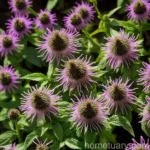
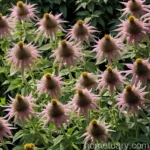
- Flowers: Showy, tubular-shaped, in shades of purple
- Foliage: Aromatic, lance-shaped, dark green
- Growth Habit: Upright and clump-forming
- Wildlife Attraction: Hummingbirds, bees, and butterflies
- Medicinal Uses: Traditionally used for treating colds and fevers
Companion Plants
- Echinacea purpurea (Purple Coneflower)
- Achillea (Yarrow)
- Rudbeckia (Black-eyed Susan)
- Liatris spicata (Blazing Star)
Landscape Ideas
Monarda ‘Balmy Purple’ contributes to diverse landscape designs, including:
- Cottage Gardens: Adds a pop of color and attracts pollinators
- Meadow and Prairie Plantings: Blends harmoniously with native grasses and wildflowers
- Pollinator Gardens: Supports pollinators and beneficial insects
- Herb Gardens: Culinary and medicinal uses make it an ideal addition
Fragrance and Seasonality
The delightful fragrance of Monarda ‘Balmy Purple’ emanates from its foliage and flowers, enhancing the sensory experience in the garden. Additionally, the plant exhibits seasonal foliage changes, especially as the cooler autumn temperatures approach, adding further interest to the landscape.
Varieties
Several cultivars of Monarda are available, each offering unique flower colors, heights, and growth habits. Some notable varieties include:
- Monarda ‘Jacob Cline’: Vivid red flowers, tall stature
- Monarda ‘Scorpion’: Purple blooms with a compact growth habit
- Monarda ‘Petite Delight’: Lavender-pink flowers, dwarf form
Disease Resistance
Despite its susceptibility to certain diseases, such as powdery mildew, some cultivars of Monarda exhibit improved disease resistance. Selecting disease-resistant varieties can help mitigate potential issues in the garden.
Wildlife Attraction
The nectar-rich flowers of Monarda ‘Balmy Purple’ serve as a valuable food source for pollinators, effectively supporting biodiversity in the garden. Additionally, the plant’s aromatic foliage may act as a deterrent for certain pests while attracting beneficial insects.
Pollinator Plant
As a pollinator-friendly plant, Monarda ‘Balmy Purple’ plays a crucial role in providing nectar and habitat for various pollinators, thereby contributing to the overall health of local ecosystems.
Native Habitat
This species is native to North America, where it can be found in various habitats, including open woodlands, meadows, and along stream banks. Its adaptability to diverse ecological conditions makes it a valuable addition to native plant restoration projects.
Drought Tolerance
While Monarda ‘Balmy Purple’ prefers consistent moisture, it exhibits a degree of drought tolerance once established. Adequate soil moisture is still essential for healthy growth and flowering.
Sun Requirements
Being adaptable in its light requirements, Monarda ‘Balmy Purple’ can thrive in both full sun and partial shade. However, it typically performs best when provided with ample sunlight, resulting in stronger growth and prolific blooming.
Shade Tolerance
Despite its preference for sunlight, Monarda ‘Balmy Purple’ exhibits moderate tolerance to partial shade, making it suitable for planting in areas with filtered light, especially in warmer climates.
Pruning Tips
Incorporating proper pruning techniques is essential for maintaining the health and vigor of Monarda ‘Balmy Purple’ while promoting continuous blooming.
- Deadheading: Remove spent flowers to encourage additional blooming
- Cutting back: Trim back stems after flowering to rejuvenate the plant
- Thinning: Prune overcrowded growth to improve airflow and reduce disease risk
Propagation Methods
Expanding the population of Monarda ‘Balmy Purple’ can be achieved through various propagation methods, enabling gardeners to propagate new plants for personal enjoyment or sharing with others.
- Division: Divide established clumps every 3-4 years in early spring or fall
- Softwood Cuttings: Take cuttings in early summer for propagation in well-draining soil
- Seed Propagation: Collect seeds from spent flowers and sow in prepared soil in the fall
Cold Hardiness
Monarda ‘Balmy Purple’ demonstrates excellent cold hardiness, thriving in USDA hardiness zones 4-9. Its ability to withstand winter temperatures makes it a reliable perennial in diverse climatic regions.
Soil Preferences
Soil composition plays a crucial role in the overall health and vitality of Monarda ‘Balmy Purple’. The following characteristics are favorable for optimal growth:
- Well-draining: Prevents waterlogging and root rot
- Rich in organic matter: Supports nutrient uptake and microbial activity
- Slightly acidic to neutral pH: Maintains nutrient availability for the plant
Container Gardening
The adaptability of Monarda ‘Balmy Purple’ extends to container gardening, offering an excellent option for those with limited garden space or for creating portable floral displays.
- Container Size: Select a container with adequate depth and drainage holes
- Well-draining Soil: Use a lightweight, fertile potting mix to support healthy growth
- Watering: Monitor soil moisture regularly, ensuring consistent moisture without waterlogging
Seasonality
Understanding the seasonal behavior of Monarda ‘Balmy Purple’ allows for effective planning and management of the plant throughout the year.
- Spring: New growth emerges, requiring initial care and attention
- Summer: Peak blooming season, providing vibrant color and attracting pollinators
- Fall: Foliage may undergo seasonal color changes, signaling the transition to dormancy
Butterfly Garden Plant
The nectar-rich flowers of Monarda ‘Balmy Purple’ make it a valuable addition to butterfly gardens, providing a reliable food source for numerous butterfly species and contributing to the overall biodiversity of the garden.
Hummingbird Attractor
The tubular flowers of Monarda ‘Balmy Purple’ are particularly appealing to hummingbirds, attracting these delightful winged visitors to the garden and enhancing the visual and auditory beauty of the landscape.
Bee-Friendly Plant
As a member of the Lamiaceae family, Monarda ‘Balmy Purple’ holds significant value for bees, offering abundant nectar resources and promoting the well-being of these important pollinators within the garden ecosystem.
Long-Lasting Blooms
The prolonged blooming period of Monarda ‘Balmy Purple’ ensures a continuous display of color and fragrance, maintaining visual interest and pollinator attraction throughout the summer months.
Plant Size
When provided with optimal growing conditions, Monarda ‘Balmy Purple’ typically attains a height of 12-18 inches, with a spreading habit that can reach 18-24 inches, forming attractive clumps of foliage and flowers.
Garden Design
Incorporating Monarda ‘Balmy Purple’ into garden designs offers versatility and visual appeal, whether used as a focal point, border plant, or as part of mixed perennial plantings.
- Border Plant: Defines garden edges with vibrant color and attracts pollinators
- Mixed Plantings: Combines harmoniously with a variety of perennials, grasses, and shrubs
- Cut Flower Gardens: Provides an abundant supply of long-lasting, cut-worthy blooms
Water Requirements
Balancing water availability is crucial for the health and vigor of Monarda ‘Balmy Purple’, ensuring appropriate hydration without waterlogging the roots.
- Regular Watering: Especially during dry periods, to maintain consistent soil moisture
- Avoid Overwatering: Prevents root rot and related issues
Herbal Tea Uses
The aromatic leaves of Monarda ‘Balmy Purple’ can be harvested and dried to create a delightful herbal tea that is both flavorful and known for its soothing properties, making it a valuable addition to medicinal herb gardens.
Flower Color
The bright, tubular flowers of Monarda ‘Balmy Purple’ exhibit vivid shades of purple, enhancing the visual appeal of the plant and attracting various pollinators to the garden.
Plant Family
Monarda ‘Balmy Purple’ belongs to the Lamiaceae family, which includes numerous aromatic and ornamental plants known for their culinary, medicinal, and aesthetic value.
Seasonal Foliage Changes
As the seasons progress, the foliage of Monarda ‘Balmy Purple’ may undergo subtle color changes, adding visual interest and diversity to the garden landscape, especially in the autumn months.
Companion Herbs
Pairing Monarda ‘Balmy Purple’ with compatible herbs in the garden can enhance its growth and support biodiversity, creating an integrated and functional herbaceous planting design.
- Lavandula (Lavender)
- Thymus (Thyme)
- Salvia (Sage)
- Rosmarinus (Rosemary)
Beneficial Insects
The presence of Monarda ‘Balmy Purple’ in the garden fosters a favorable environment for beneficial insects, including predatory and parasitic species that assist in pest control and contribute to overall ecosystem balance.
Landscape Border Plant
The compact growth habit and vibrant blooms of Monarda ‘Balmy Purple’ make it an excellent choice for enhancing and defining garden borders, contributing to the overall visual appeal of the landscape.
Soil pH Preferences
Monarda ‘Balmy Purple’ thrives in slightly acidic to neutral soils, with pH levels ranging from 6.0 to 7.0, indicative of its adaptability to a wide range of garden soil conditions.
Leaf Texture
The lance-shaped leaves of Monarda ‘Balmy Purple’ exhibit a moderately coarse texture, adding tactile interest to the garden landscape and contributing to the overall sensory experience.
Deer-Resistant Plant
While no plant can be entirely deer-proof, Monarda ‘Balmy Purple’ possesses aromatic foliage that may act as a deterrent to browsing by deer, making it a valuable addition to deer-prone areas.
Garden Maintenance
Regular maintenance practices, such as watering, fertilizing, and pest monitoring, are essential for the long-term health and vigor of Monarda ‘Balmy Purple’, ensuring its continued beauty and performance in the garden.
Fragrant Foliage
The aromatic foliage of Monarda ‘Balmy Purple’ emits a pleasant, citrusy scent when brushed or crushed, contributing to the overall sensory appeal of the plant and its value in ornamental and medicinal applications.
Edible Flowers
The vibrant flowers of Monarda ‘Balmy Purple’ are edible and can be used as a colorful garnish in culinary dishes, adding both visual appeal and a mild, citrusy flavor to various preparations.
Beauty in Landscaping
With its striking blooms, aromatic foliage, and diverse uses, Monarda ‘Balmy Purple’ enhances the aesthetic appeal of diverse landscaping designs, contributing to the overall visual impact and biodiversity of the garden.
Attractive Seed Heads
After the initial blooming period, the dried seed heads of Monarda ‘Balmy Purple’ retain their attractive form, offering ornamental value and potential for seed collection for propagation or decorative purposes.
Therapeutic Properties
The traditional and medicinal uses of Monarda ‘Balmy Purple’ include soothing properties, making it a valuable addition to herbal medicine gardens and providing an accessible source of natural remedies.
Plant Diseases
Monarda ‘Balmy Purple’ may be susceptible to certain diseases, primarily fungal in nature, requiring proactive management to ensure the health and vitality of the plant.
Wildlife Habitat Plant
As a native species, Monarda ‘Balmy Purple’ contributes to local wildlife habitats by offering food and shelter for various insects, birds, and mammals, supporting overall biodiversity and ecological balance.
Season of Bloom
Monarda ‘Balmy Purple’ typically blooms in the summer months, offering an extended period of colorful floral display and serving as a vital resource for pollinators during this active season.
Conclusion
Monarda ‘Balmy Purple’ (Bee Balm) is an exceptional perennial plant that embodies ecological significance, ornamental value, and traditional uses, making it a favored choice for gardens, landscapes, and naturalistic plantings. Understanding its culture, uses, growth requirements, and ecological contributions enriches the gardening experience and underscores the importance of species diversity and ecological stewardship.
With its vibrant flowers, aromatic foliage, and dynamic role in supporting pollinators and beneficial insects, Monarda ‘Balmy Purple’ stands as an excellent example of a multifaceted plant that offers benefits to both the garden and the broader ecosystem. By integrating this species into diverse landscape designs and exploring its diverse uses, Monarda ‘Balmy Purple’ enhances the visual and ecological richness of gardens while providing opportunities for aesthetic appreciation, culinary enjoyment, and ecological conservation.
As a plant scientist and advocate for biodiversity, I encourage gardeners, landscapers, and enthusiasts to explore the nuanced beauty and ecological significance of Monarda ‘Balmy Purple’, recognizing its valuable contributions to horticulture, ecological conservation, and the overall enrichment of our living landscapes.
For further information and tips on Monarda ‘Balmy Purple’, feel free to explore the external resources provided in the “Key Takeaways” section, as they offer additional insights and practical guidance for cultivating this remarkable species in various garden settings.
In embracing the beauty and ecological relevance of Monarda ‘Balmy Purple’, we enhance our connection to the natural world while actively promoting biodiversity, sustainable gardening practices, and the enduring allure of our living landscapes.
References:
1. Gardening Know How. Monarda ‘Balmy Purple’ Plant Profile. link
2. University of Minnesota Extension. Growing Bee Balm. link
3. The Spruce. Bee Balm Care and Growing Guide. link
4. Missouri Botanical Garden. Monarda – Plant Finder Details. link