Plant Scientist’s Guide to Iris sibirica ‘Butter and Sugar’ (Siberian Iris)
Iris sibirica ‘Butter and Sugar’, a beautiful cultivar of the Siberian Iris, is a stunning addition to any garden. With its delicate flowers and graceful foliage, this plant is not only aesthetically pleasing but also relatively easy to care for. In this comprehensive guide, we will delve into the intricacies of growing and maintaining this exquisite perennial. From its cultural requirements to propagation and common pests, we will explore every aspect of nurturing Iris sibirica ‘Butter and Sugar’. So, let’s immerse ourselves in the world of this captivating plant and unravel its secrets.
What is Iris sibirica ‘Butter and Sugar’?
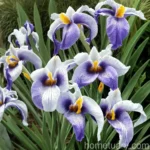
Iris sibirica, commonly known as Siberian Iris, is a herbaceous perennial native to Europe and Central Asia. ‘Butter and Sugar’ is a specific cultivar of Iris sibirica, prized for its elegant blooms and distinctive coloration. This cultivar features delicate, pale yellow petals with buttery yellow falls adorned with lavender veins. The flowers are held on slender stems above the narrow, sword-like foliage, creating a mesmerizing display in the garden.
Plant Specifications
- Botanical Name: Iris sibirica ‘Butter and Sugar’
- Common Name: Siberian Iris ‘Butter and Sugar’
- Plant Type: Herbaceous Perennial
- Mature Size: 24-36 inches tall and 18-24 inches wide
- Sunlight: Full sun to partial shade
- Bloom Time: Late spring to early summer
- Hardiness Zone: 3-8
- Soil: Moist, well-drained soil
- Water: Average water needs
- Maintenance: Low
Key Takeaways – Iris sibirica ‘Butter and Sugar’
Let’s summarize the vital points about Iris sibirica ‘Butter and Sugar’ before we delve into the specifics of its cultivation and care.
- Botanical Name: Iris sibirica ‘Butter and Sugar’
- Common Name: Siberian Iris ‘Butter and Sugar’
- Plant Type: Herbaceous Perennial
- Mature Size: 24-36 inches tall, 18-24 inches wide
- Sunlight: Full sun to partial shade
- Bloom Time: Late spring to early summer
- Hardiness Zone: 3-8
- Soil: Moist, well-drained
- Water: Average
- Maintenance: Low
Now that we have a brief overview of Iris sibirica ‘Butter and Sugar’, let’s explore the specific cultural requirements for this stunning plant.
Culture
Uses
Iris sibirica ‘Butter and Sugar’ is a versatile plant with various uses in the garden and landscape. Here are some common uses of this Siberian Iris cultivar:
- Garden Beds: The striking blooms of Iris sibirica ‘Butter and Sugar’ make it an excellent choice for incorporating into garden beds and borders. Whether planted in masses or as individual specimens, it adds a touch of elegance to any landscape.
- Water Gardens: With its preference for moist soils, ‘Butter and Sugar’ is well-suited for water gardens and the margins of ponds or streams. Its graceful form and captivating flowers create a picturesque scene in water features.
- Cut Flowers: The long stems and enchanting blooms of this cultivar make it perfect for cut flower arrangements. Whether enjoyed in the garden or showcased indoors, the flowers of Iris sibirica ‘Butter and Sugar’ are a delight.
- Pollinator Gardens: Like other iris varieties, ‘Butter and Sugar’ attracts pollinators such as bees and butterflies, making it an excellent choice for attracting beneficial insects to the garden.
Water
Iris sibirica ‘Butter and Sugar’ thrives in moist soil conditions, making it an ideal choice for gardens with consistently damp or wet areas. When establishing this plant, provide regular watering to ensure that the soil remains consistently moist, especially during the active growing season. While it appreciates moisture, it is essential to ensure that the soil is well-drained to prevent waterlogged conditions, which can be detrimental to the plant’s health.
Sunlight
This Siberian Iris cultivar performs best when grown in full sun to partial shade. In regions with hot summers, providing some afternoon shade can help protect the plant from excessive heat and sunburn. When planting ‘Butter and Sugar’, choose a location that receives at least 6 hours of direct sunlight daily for optimal growth and prolific flowering.
Fertilizer
Iris sibirica ‘Butter and Sugar’ does not have high nutrient requirements and generally thrives in moderately fertile soil. When planting, incorporate organic matter such as compost into the soil to provide essential nutrients and improve soil structure. Additionally, a balanced, slow-release fertilizer applied in spring can support healthy growth and abundant flowering.
Soil
Well-drained, moisture-retentive soil is crucial for the successful cultivation of Iris sibirica ‘Butter and Sugar’. It prefers slightly acidic to neutral soil conditions and benefits from organic matter amendments to enhance soil fertility and structure. A loamy soil with good water retention capabilities is ideal for promoting vigorous growth and prolific blooming.
Pruning
Pruning Iris sibirica ‘Butter and Sugar’ is relatively straightforward and primarily involves routine maintenance to promote plant health and tidiness. Here are some essential pruning tips for this Siberian Iris cultivar:
- Deadheading: After the flowering season, remove spent blooms to encourage additional flowering and maintain the plant’s aesthetic appeal.
- Foliage Cleanup: Trim back any yellowing or damaged foliage to promote a tidy appearance and prevent the spread of diseases.
Propagation
Iris sibirica ‘Butter and Sugar’ can be propagated through division or seeds, with division being the most common and reliable method. Here’s a quick guide to propagating this Siberian Iris cultivar:
- Division: During the early spring or late summer, carefully dig up the mature clumps of Iris sibirica ‘Butter and Sugar’. Using a sharp knife or garden spade, divide the clumps into smaller sections, ensuring that each division has healthy rhizomes and a good root system. Replant the divisions at the same depth as the original plants, water thoroughly, and provide appropriate care as they establish themselves.
Container Popularity
While Iris sibirica ‘Butter and Sugar’ is primarily cultivated in garden beds and borders, it can also be grown in containers, adding a touch of elegance to patios, decks, or balconies. The graceful form and stunning flowers of this cultivar make it a popular choice for container gardening, allowing for versatile placement and easy relocation as needed. When growing ‘Butter and Sugar’ in containers, ensure that the pots have adequate drainage holes and use a high-quality, well-draining potting mix to support healthy growth.
Common Diseases
Like many other plants, Iris sibirica ‘Butter and Sugar’ can be susceptible to certain diseases and issues that may affect its overall health and vigor. Understanding the common diseases and their potential causes can help in early detection and appropriate management.
Disease Diagnosis
- Leaf Spot: Characterized by the presence of dark, irregular spots on the foliage, leaf spot can be caused by fungal pathogens. To prevent this issue, avoid overhead watering and ensure good air circulation around the plants. In severe cases, fungicidal treatments may be necessary.
- Root Rot: Excessive moisture or poorly drained soil can lead to root rot in Iris sibirica ‘Butter and Sugar’. Symptoms include wilting, stunted growth, and a foul odor emanating from the roots. Implement proper watering practices and improve soil drainage to prevent this damaging disease.
Common Pests
While relatively resistant to pests, especially when grown in healthy conditions, Iris sibirica ‘Butter and Sugar’ may occasionally encounter certain insect pests that can cause aesthetic damage or affect plant vitality. Keeping an eye out for these common pests and implementing suitable control measures can help maintain the plant’s vigor.
Common Pests:
- Aphids: These small, soft-bodied insects can cluster on the new growth and flower buds, sucking sap from the plant. They may be controlled through physical removal or the use of insecticidal soaps.
- Thrips: Thrips can cause discoloration and distortion of the flowers and foliage. Regular inspection and the application of horticultural oils can aid in managing thrips infestations.
Botanist’s Tips
As a plant scientist with a deep appreciation for flora, I have some additional tips and insights to share for successfully cultivating and enjoying the beauty of Iris sibirica ‘Butter and Sugar’:
- Mulching: Applying a layer of organic mulch, such as shredded bark or compost, around the base of the plants can help retain soil moisture, suppress weed growth, and provide insulation to the roots.
- Companion Planting: Consider companion planting ‘Butter and Sugar’ with other moisture-loving perennials and ornamental grasses to create visually appealing and ecologically beneficial plant combinations.
- Winter Protection: In regions with harsh winters, providing a layer of mulch or straw around the base of the plants and removing the foliage after the first hard frost can aid in protecting the plants from extreme cold and frost damage.
Fun Facts
To further enrich our understanding and appreciation of Iris sibirica ‘Butter and Sugar’, here are some fascinating and delightful facts about this captivating plant:
- The specific epithet “sibirica” alludes to the plant’s native range, as it indicates the species’ association with Siberia.
- Siberian Iris varieties, including ‘Butter and Sugar’, are renowned for their resilience and adaptability, thriving in a wide range of climates and soil conditions.
- The intricate markings and delicate coloration of the flowers make Iris sibirica ‘Butter and Sugar’ a favorite among gardeners and admirers of ornamental plants.
Links to External Resources
For further exploration of Iris sibirica ‘Butter and Sugar’, I recommend delving into the following sources:
As we conclude our insightful journey into the world of Iris sibirica ‘Butter and Sugar’, I hope that you have gained valuable knowledge and inspiration for incorporating this remarkable plant into your garden. Whether adorning water features, brightening garden beds, or gracing elegant containers, the allure of ‘Butter and Sugar’ is sure to captivate all who behold its beauty.