Monarda ‘Balmy Pink’ (Bee Balm): A Comprehensive Guide
Monarda, commonly known as Bee Balm, is a fascinating and beautiful flowering plant that belongs to the mint family, Lamiaceae. The ‘Balmy Pink’ variety, in particular, is cherished for its delicate pink blooms and aromatic foliage. This article serves as a comprehensive guide to understanding and cultivating Monarda ‘Balmy Pink’, covering its culture, uses, ideal growing conditions, maintenance, propagation, common diseases, and much more.
What is Monarda ‘Balmy Pink’ (Bee Balm)?
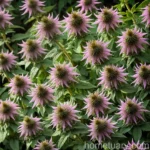
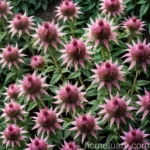
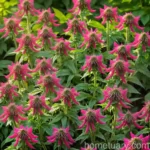
Monarda ‘Balmy Pink’ is a popular perennial plant that is beloved for its stunning clusters of pink flowers, which bloom throughout the summer. It is a cultivar of the Monarda genus, known for its attractive, fragrant blooms and its ability to attract pollinators, especially bees and butterflies. This variety is a wonderful addition to gardens and landscapes, adding visual appeal as well as a delightful fragrance.
Key Takeaways – Monarda ‘Balmy Pink’ (Bee Balm)
Before delving into the in-depth details of Monarda ‘Balmy Pink’, let’s take a look at the key takeaways regarding this beautiful plant.
- Scientific Name: Monarda ‘Balmy Pink’
- Common Name: Bee Balm
- Plant Type: Perennial
- Flower Color: Pink
- Foliage: Aromatic, green leaves
- Attracts: Bees, butterflies, and hummingbirds
- Fragrance: Pleasant and aromatic
- Uses: Borders, containers, and pollinator gardens
Now that we have a basic understanding of Monarda ‘Balmy Pink’, let’s dive deeper into its culture, uses, and various aspects of its care and maintenance.
Culture
Understanding the cultural requirements of Monarda ‘Balmy Pink’ is essential to ensure its healthy growth and abundant flowering. This section provides insights into the ideal environment, water and sunlight needs, soil requirements, and much more.
Uses
Monarda ‘Balmy Pink’ holds several uses that make it a valuable addition to gardens and landscapes. Some of the primary uses are:
- Ornamental Purposes: The delightful pink blooms and aromatic foliage make ‘Balmy Pink’ Bee Balm an excellent choice for ornamental gardening.
- Pollinator Gardens: As an attractive nectar source, it is often planted to attract and support bees, butterflies, and hummingbirds.
- Cut Flower Arrangements: The alluring blooms of Monarda ‘Balmy Pink’ make stunning additions to floral arrangements.
Understanding these uses offers valuable insights into the versatility and benefits of cultivating Monarda ‘Balmy Pink’ in different settings.
Water
Monarda ‘Balmy Pink’ requires consistent moisture, especially during the hot summer months. Adequate watering is essential to support healthy growth and prolific flowering. Here are some water-related tips to keep in mind:
- Regular Watering: It’s crucial to provide regular watering to maintain evenly moist soil, especially during periods of dry weather.
- Avoid Overwatering: While it requires consistent moisture, it’s important to avoid waterlogging, which can lead to root rot and other problems.
Understanding the plant’s water needs is vital for ensuring its well-being and longevity.
Sunlight
Monarda ‘Balmy Pink’ thrives in full sun to partial shade, exhibiting its best growth and flowering potential under these conditions. Here’s a breakdown of its sunlight requirements:
- Full Sun: Ideally, it should receive at least 6 hours of direct sunlight daily for optimal growth and abundant blooms.
- Partial Shade: While it prefers full sun, ‘Balmy Pink’ Bee Balm can also tolerate some afternoon shade, particularly in regions with intense summer heat.
Understanding the sunlight needs of Monarda ‘Balmy Pink’ is crucial for selecting the right planting location to promote its overall health and vitality.
Fertilizer
Applying a balanced fertilizer can significantly contribute to the healthy growth and blooming of Monarda ‘Balmy Pink’. The following points offer guidance on fertilizing this plant:
- Slow-Release Fertilizer: Using a slow-release fertilizer in spring can provide essential nutrients gradually throughout the growing season.
- Organic Matter: Incorporating compost or well-rotted manure when preparing the planting area can enhance soil fertility.
By understanding the fertilizer requirements of Monarda ‘Balmy Pink’, gardeners can ensure that the plant receives the necessary nutrients for robust growth and prolific flowering.
Soil
The soil composition plays a crucial role in determining the overall health and vigor of Monarda ‘Balmy Pink’. Here are the essential soil considerations for this plant:
- Well-Draining Soil: It thrives in well-draining soil to prevent waterlogging, which can lead to root diseases.
- Neutral to Slightly Acidic pH: Monarda ‘Balmy Pink’ prefers soil with a pH range of 6.5 to 7.0 for optimal nutrient uptake.
Understanding the soil requirements of Monarda ‘Balmy Pink’ is fundamental for creating an ideal planting environment that supports its growth and development.
Pruning
Proper pruning is essential for maintaining the health, appearance, and blooming of Monarda ‘Balmy Pink’. Here are some key pruning guidelines for this plant:
- Deadheading: Regularly removing spent blooms can promote continuous flowering and prevent self-seeding.
- Spring Pruning: Trimming back the stems in early spring can encourage bushier growth and enhance flowering.
Understanding the pruning requirements of Monarda ‘Balmy Pink’ is essential for promoting its overall growth and blooming performance.
Propagation
For gardeners interested in propagating Monarda ‘Balmy Pink’, understanding the appropriate propagation techniques is essential. The following methods are commonly used for propagation:
- Division: Dividing established clumps in early spring or fall is a reliable method for propagation.
- Seed Propagation: Growing new plants from seeds is another viable option, though it may take longer to establish compared to division.
Understanding the propagation techniques for Monarda ‘Balmy Pink’ can empower gardeners to multiply their plant stock effectively.
Container Popularity
Monarda ‘Balmy Pink’ is well-suited for container gardening, offering several advantages and opportunities for creative cultivation. The following points highlight the popularity of growing this plant in containers:
- Space Efficiency: Growing in containers allows individuals with limited garden space to enjoy the beauty of Monarda ‘Balmy Pink’.
- Portability: Containers provide the flexibility to move the plant to different locations based on sunlight and aesthetic preferences.
Understanding the popularity of Monarda ‘Balmy Pink in containers can inspire individuals to explore creative ways of showcasing this delightful plant.
Common Diseases
Preventing and managing common diseases is crucial for maintaining the health and vigor of Monarda ‘Balmy Pink’. This section covers some of the prevalent diseases that may affect this plant:
- Powdery Mildew: A fungal disease that can cause a white powdery coating on the leaves, leading to diminished plant vigor.
- Leaf Spot: Characterized by dark spots on the foliage, this disease can affect the overall aesthetics and health of the plant.
By understanding these common diseases, gardeners can implement preventive measures and timely interventions to protect Monarda ‘Balmy Pink from potential threats.
Disease Diagnosis
The ability to identify and diagnose diseases is crucial for implementing appropriate management strategies. Here are some diagnostic features of common diseases that may affect Monarda ‘Balmy Pink’:
- Powdery Mildew: White powdery patches on the leaves, particularly during humid conditions, are indicative of powdery mildew.
- Leaf Spot: The presence of dark, irregular spots on the foliage can signal the onset of leaf spot disease.
By familiarizing themselves with these disease symptoms, gardeners can promptly address any issues to prevent further spread and damage.
Common Pests
Monarda ‘Balmy Pink’ may be susceptible to certain pests that can impact its growth and blooming. Understanding the common pests that may affect this plant is essential for effective pest management. Here are some of the usual culprits:
- Aphids: These small insects can cluster on new growth, causing distortion and stunted growth.
- Spider Mites: Infestations of spider mites can result in stippled and discolored leaves, compromising the plant’s health.
By recognizing these common pests, gardeners can implement appropriate pest control measures to safeguard the well-being of Monarda ‘Balmy Pink.
Botanist’s Tips
Drawing from the expertise of botanists and experienced gardeners can offer valuable insights for successfully cultivating Monarda ‘Balmy Pink’. Here are some expert tips to consider:
- Mulching: Applying a layer of organic mulch around the base of the plant can help conserve soil moisture and suppress weed growth.
- Companion Planting: Pairing Monarda ‘Balmy Pink’ with other pollinator-friendly plants can create an inviting and beneficial garden environment.
Incorporating these botanist’s tips can enhance the gardening experience and promote the flourishing of Monarda ‘Balmy Pink’.
Fun Facts
Delving into the unique and intriguing aspects of Monarda ‘Balmy Pink’ can provide a deeper appreciation for this remarkable plant. Here are some fun facts about this captivating variety of Bee Balm:
- Historical Uses: Native American tribes historically used Monarda species for various medicinal and culinary purposes.
- Wildlife Attraction: Aside from bees and butterflies, the aromatic blooms of Monarda ‘Balmy Pink’ can also attract hummingbirds.
Discovering these fun facts can foster a greater connection with Monarda ‘Balmy Pink and its role in gardening, ecology, and cultural history.
Links to External Resources
To further enrich your knowledge of Monarda ‘Balmy Pink’ (Bee Balm), it’s valuable to explore additional resources and information from reputable sources. Here are some recommended links:
- The Spruce – How to Grow and Care for Bee Balm Plants
- Missouri Botanical Garden – Monarda didyma
- Royal Horticultural Society – Monarda ‘Balmy Pink’
These external resources can provide additional insights, practical tips, and expert recommendations for cultivating and caring for Monarda ‘Balmy Pink.
In conclusion, Monarda ‘Balmy Pink’ stands out as an enchanting and valuable addition to gardens and landscapes, offering delightful pink blooms, aromatic foliage, and important ecological contributions. By understanding its culture, uses, optimal growing conditions, maintenance practices, and potential challenges, gardeners can cultivate and appreciate this captivating plant with confidence and success.
This comprehensive guide offers a detailed exploration of Monarda ‘Balmy Pink’ (Bee Balm), encompassing various aspects of its cultivation, care, and significance in garden settings. From its cultural requirements to pest management, the article provides a comprehensive resource for both novice and experienced gardeners interested in nurturing this beautiful perennial plant. The inclusion of fun facts, external resources, and expert tips adds depth and practical value to the guide, empowering readers to cultivate Monarda ‘Balmy Pink’ with skill and appreciation.