Lathyrus Odoratus ‘Valerie Harrod’ (Sweet Pea)
Lathyrus odoratus ‘Valerie Harrod’, commonly known as Sweet Pea, is a delicate and beautiful flowering plant that has captivated gardeners and plant.
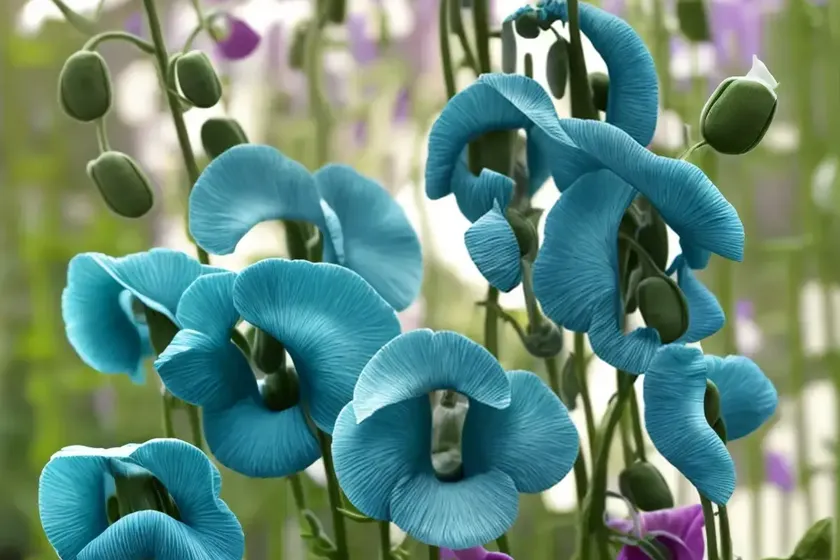
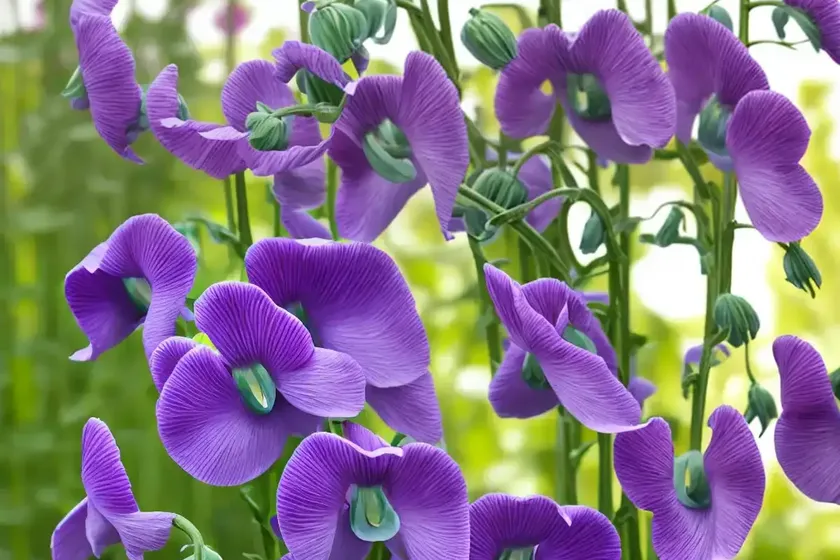
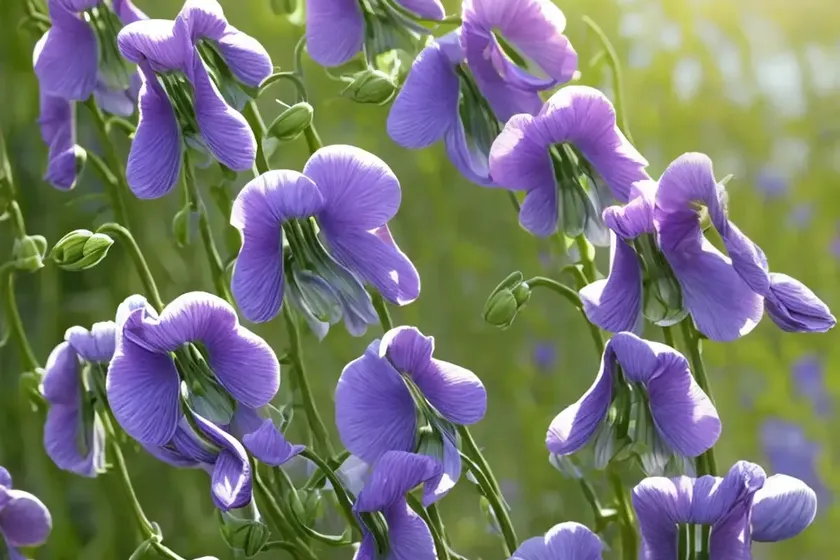
Lathyrus odoratus ‘Valerie Harrod’, commonly known as Sweet Pea, is a delicate and beautiful flowering plant that has captivated gardeners and plant enthusiasts for centuries. Known for its enchanting fragrance and a myriad of colorful blooms, this plant has become a popular choice for gardens, containers, and floral arrangements. In this comprehensive guide, we will explore the various aspects of Sweet Pea cultivation, including its cultural significance, uses, care requirements, and potential pests and diseases. Whether you are a novice gardener or a seasoned horticulturist, there is always something new to discover about this timeless favorite.
What is Lathyrus odoratus ‘Valerie Harrod’ (Sweet Pea)?
Lathyrus odoratus, or Sweet Pea, is a species of flowering plant in the legume family Fabaceae. It is native to Sicily, southern Italy, and the Aegean Islands and has been extensively cultivated and bred to produce a wide range of colors and forms. The ‘Valerie Harrod’ variety is particularly beloved for its captivating fragrance and vibrant blossoms.
The genus name “Lathyrus” is derived from the Greek word “lathyros,” which means “pulse” or “pea.” This is a reference to the plant’s classification within the legume family. The species name “odoratus” is derived from the Latin word for fragrance, alluding to the sweet and delightful scent of the flowers.
Sweet Peas are characterized by their climbing vines, which make them ideal for trellises, fences, and other supports. The plant’s delicate foliage and abundant clusters of flowers make it a standout feature in any garden or container.
Key Takeaways – Lathyrus odoratus ‘Valerie Harrod’ (Sweet Pea)
Before delving into the specific aspects of caring for Lathyrus odoratus ‘Valerie Harrod’, it is important to highlight some key takeaways about this charming plant:
-
Fragrant and colorful blooms: ‘Valerie Harrod’ Sweet Peas are renowned for their enchanting fragrance and a wide array of colors, ranging from soft pastels to vibrant hues.
-
Climbing habit: These plants possess twining tendrils that allow them to climb and cling to various supports, making them an excellent choice for vertical gardening.
-
Cultural significance: Sweet Peas have a rich cultural history, symbolizing delicate pleasures, blissful moments, and gratitude, especially in the language of flowers.
-
Versatile uses: From garden borders and floral arrangements to container gardening, Sweet Peas offer diverse applications and are valued for their ornamental and aromatic qualities.
Now, let’s explore in detail the various aspects of cultivating and caring for Lathyrus odoratus ‘Valerie Harrod’ (Sweet Pea).
Culture
Understanding the cultural preferences of Lathyrus odoratus ‘Valerie Harrod’ is essential for successfully growing and enjoying this captivating plant. From soil conditions to planting techniques, getting the cultural aspects right can significantly impact the plant’s health and blooming performance.
Uses
The uses of Lathyrus odoratus ‘Valerie Harrod’ span both practical and aesthetic purposes, making it an incredibly versatile plant in horticulture. Some of its most common uses include:
-
Ornamental gardening: Sweet Peas are prized for their stunning visual appeal and delightful fragrance, making them a cherished addition to flower beds, borders, and cottage gardens.
-
Cut flowers: The long stems and abundant blooms of Sweet Peas make them an excellent choice for cut flower arrangements, adding a touch of elegance and scent to bouquets and vases.
-
Container gardening: Their climbing nature and breathtaking blossoms make Sweet Peas perfect for adorning containers on patios, balconies, or any other outdoor living spaces.
-
Companion planting: Sweet Peas can serve as beneficial companion plants, attracting pollinators and enhancing the overall biodiversity in the garden.
Water
Proper watering is crucial for the health and vigor of Lathyrus odoratus ‘Valerie Harrod’. Although these plants appreciate consistent moisture, they do not tolerate waterlogged conditions. Here are some essential watering considerations for Sweet Peas:
-
Consistent moisture: Sweet Peas thrive when provided with consistent moisture, especially during the initial stages of growth and flowering.
-
Avoid waterlogging: Excessively wet soil can lead to root rot and other fungal diseases, so it is important to ensure proper drainage to prevent waterlogging.
-
Mulching: Applying a layer of organic mulch around the base of the plant can help retain soil moisture and regulate the temperature, benefitting the overall health of the Sweet Peas.
Sunlight
Sweet Peas are generally sun-loving plants, requiring ample sunlight to flourish and produce an abundance of blooms. However, in warmer climates, they may benefit from some shade during the hottest part of the day. Here are some key points regarding sunlight requirements for Lathyrus odoratus ‘Valerie Harrod’:
-
Full sun: Providing at least 6 hours of direct sunlight per day is ideal for maximizing the blooming potential of Sweet Peas.
-
Partial shade: In regions with intense heat, some afternoon shade can help prevent heat stress and prolong the flowering period.
-
Morning sun: Positioning the plants to receive morning sun and partial shade in the afternoon can strike the perfect balance for healthy growth and prolific blooming.
Fertilizer
Proper nutrition is vital for the optimal growth and flowering of Lathyrus odoratus ‘Valerie Harrod’. While Sweet Peas are not heavy feeders, providing them with the right nutrients at the right time can enhance their overall performance. Consider the following fertilizer guidelines:
-
Balanced fertilizer: A balanced, all-purpose fertilizer with a slightly higher phosphorus content (the middle number in the N-P-K ratio) can encourage prolific blooming in Sweet Peas.
-
Timing: Application of fertilizer in early spring, just before the plants begin to bloom, can provide the necessary nutrients for robust flower production.
-
Organic options: Incorporating organic fertilizers, such as compost or well-rotted manure, into the soil can also contribute to the long-term health of the plants.
Soil
The quality and composition of the soil play a crucial role in the overall well-being of Lathyrus odoratus ‘Valerie Harrod’. Sweet Peas thrive in well-draining, fertile soil with a slightly alkaline to neutral pH. Here are some soil-related considerations for successful cultivation:
-
Well-draining soil: Ensuring good drainage is essential to prevent waterlogging, which can be detrimental to the roots of Sweet Peas.
-
Fertility: Amending the soil with organic matter, such as compost or aged manure, can enhance its fertility and provide the necessary nutrients for healthy growth.
-
pH level: Sweet Peas prefer a soil pH ranging from 6.0 to 7.0, which is slightly alkaline to neutral. Conducting a soil test can help determine the pH and make any necessary adjustments.
Pruning
Pruning is an important aspect of Sweet Pea maintenance, contributing to the plant’s overall health, appearance, and blooming capacity. Proper pruning can help prevent disease, prolong the flowering period, and maintain a tidy growth habit. Here are some key pruning techniques for Lathyrus odoratus ‘Valerie Harrod’:
-
Deadheading: Regular removal of spent blooms can encourage the development of new flowers and prevent the plants from diverting energy into seed production.
-
Pinching: Pinching the tips of young Sweet Pea plants can promote bushier growth and result in more flower-bearing lateral stems.
-
Thinning: If the plants become overly dense, thinning out some of the growth can improve air circulation and reduce the risk of fungal diseases.
Propagation
Propagating Lathyrus odoratus ‘Valerie Harrod’ allows for the multiplication of these delightful plants and the preservation of specific cultivars. Several methods can be used for propagating Sweet Peas, providing opportunities to expand their presence in the garden or share them with fellow enthusiasts. Consider the following propagation techniques:
-
Seed propagation: Growing Sweet Peas from seed is the most common and straightforward method of propagation. Seeds can be sown directly in the garden or started indoors for earlier blooms.
-
Division: Dividing established clumps of Sweet Peas can be an effective way to produce new plants with identical characteristics to the parent plants.
Container Popularity
The compact nature and climbing habit of Lathyrus odoratus ‘Valerie Harrod’ make it a popular choice for container gardening. The vibrant blossoms and captivating fragrance of Sweet Peas can enhance any outdoor space, from small balconies to expansive patios. Some key points regarding the popularity of Sweet Peas in containers include:
-
Vertical interest: Utilizing trellises or other vertical supports allows Sweet Peas to thrive in containers and adds vertical interest to the garden.
-
Balcony beauty: Sweet Peas are well-suited to container gardening on balconies and terraces, where they can bring a touch of elegance and scent to compact spaces.
-
Portability: Containers offer the flexibility to move the plants to optimal sunlight conditions or protected spots during inclement weather.
-
Variety selection: With an abundance of cultivars available, container gardeners can choose from an array of colors and fragrances to suit their preferences and décor.
Common Diseases
As with any plant, Sweet Peas are susceptible to certain diseases that can impact their health and blooming capacity. Understanding the common diseases and their symptoms is crucial for implementing preventative measures and appropriate treatments. Some of the common diseases that may affect Lathyrus odoratus ‘Valerie Harrod’ include:
-
Powdery mildew: This fungal disease appears as a white, powdery coating on the leaves and stems, often resulting from poor air circulation and high humidity.
-
Botrytis blight: Also known as gray mold, this disease can cause wilting, browning, and decay of the plant tissues, particularly in humid conditions.
-
Root rot: Excessive moisture and poor drainage can lead to root rot, affecting the health of the roots and ultimately the entire plant.
Disease Diagnosis
Diagnosing plant diseases requires careful observation and an understanding of the common symptoms associated with specific pathogens. To accurately diagnose and address diseases in Lathyrus odoratus ‘Valerie Harrod’, consider the following diagnostic steps:
-
Symptom recognition: Identifying the specific symptoms, such as discoloration, wilting, or unusual growth patterns, can provide valuable clues about the potential disease.
-
Environmental conditions: Assessing the prevailing environmental conditions, including humidity levels and air circulation, can help determine whether they are contributing to disease development.
-
Pathogen identification: Understanding the typical pathogens that affect Sweet Peas can aid in accurate diagnosis and the implementation of targeted control measures.
Common Pests
Pest infestations can pose a challenge to the health and vigor of Lathyrus odoratus ‘Valerie Harrod’. While Sweet Peas are generally resilient, certain pests can cause damage to the foliage, stems, and flowers if left unchecked. Some of the common pests that may affect Sweet Peas include:
-
Aphids: These small, sap-sucking insects can cluster on the tender shoots and buds of Sweet Peas, causing distortion and yellowing of the foliage.
-
Spider mites: These tiny arachnids can infest the undersides of the leaves, causing stippling and webbing, which can weaken the plants and reduce their vitality.
-
Thrips: Thrips are slender, winged insects that can cause stippling, discoloration, and distortion of the leaves and flowers of Sweet Peas.
-
Slugs and snails: These mollusks can feed on the tender foliage and flowers of Sweet Peas, leaving behind characteristic slime trails and irregular damage.
Botanist’s Tips
As a plant scientist with a passion for Lathyrus odoratus ‘Valerie Harrod’ (Sweet Pea), I have gathered some valuable insights and tips for enthusiasts and aspiring growers. These botanist’s tips are aimed at enhancing the overall success and enjoyment of cultivating these charming plants:
-
Enhance support structures: Providing sturdy and well-anchored support structures, such as trellises or obelisks, can ensure the stability and optimal growth of Sweet Pea vines.
-
Monitor for pests: Regularly inspecting the plants for signs of pest activity and promptly addressing any infestations can help prevent damage and preserve the health of the Sweet Peas.
-
Provide airflow: Ensuring adequate air circulation around the plants can reduce the risk of fungal diseases and promote overall vigor.
-
Successional planting: Sowing additional batches of Sweet Pea seeds at intervals can extend the flowering season and ensure a continuous display of blooms.
-
Mulch for moisture: Applying a layer of organic mulch around the base of the plants can help conserve soil moisture and moderate temperature fluctuations.
Fun Facts
Uncovering fascinating and lesser-known facts about Lathyrus odoratus ‘Valerie Harrod’ can deepen our appreciation for this beloved plant. Here are some fun and intriguing facts about Sweet Peas:
-
Language of flowers: In the Victorian era, Sweet Peas held significance in the language of flowers, symbolizing delicate pleasures and blissful moments. They were also considered an expression of gratitude.
-
Romantic association: Sweet Peas are often associated with romance and were featured in bridal bouquets and wedding décor, conveying messages of appreciation and enduring bliss.
-
Genetic studies: The study of Sweet Pea genetics in the early 20th century played a foundational role in understanding principles of heredity, aiding in the development of modern genetic theories.
-
Scent extraction: The captivating fragrance of Sweet Peas has been used in the production of perfumes and scented oils, capturing the essence of their alluring scent.
-
Artistic inspiration: Sweet Peas have been a muse for artists, poets, and garden enthusiasts, inspiring creative works and compositions that celebrate their beauty and charm.
Links to External Resources
For further exploration and in-depth information about Lathyrus odoratus ‘Valerie Harrod’ (Sweet Pea), I recommend consulting the following reputable external resources:
- Royal Horticultural Society (RHS): Sweet Peas – RHS
- American Sweet Pea Society: American Sweet Pea Society
- University of California Agriculture and Natural Resources: Sweet Pea Growing – UCANR
Conclusion
In conclusion, Lathyrus odoratus ‘Valerie Harrod’ (Sweet Pea) stands as a timeless and enchanting addition to any garden, container, or floral display. Its fragrant blossoms, climbing habit, and rich cultural significance continue to captivate plant enthusiasts and horticulturalists around the world. By understanding and implementing the key aspects of Sweet Pea culture, from watering and sunlight requirements to disease management and propagation, individuals can experience the joy of growing and appreciating these magnificent plants. Whether adorning an arbor with cascading blooms or gracing a vase with delicate cut flowers, the allure of Sweet Peas is undeniably timeless and irresistible.


