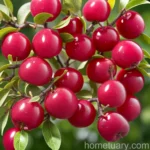
Malus ‘Centurion’ (Crabapple): The Ultimate Plant Guide
Introduction to Malus ‘Centurion’ (Crabapple)
Malus ‘Centurion’ (Crabapple) is a stunning ornamental tree prized for its captivating blossoms, vibrant foliage, and miniature fruits. This cultivar is celebrated for its exceptional characteristics and adaptability, making it a popular choice for landscapes, gardens, and urban areas. In this comprehensive guide, we will delve into the key aspects of Malus ‘Centurion’ (Crabapple), including its culture, uses, maintenance, common diseases, and more. Whether you are a gardening enthusiast, a landscape designer, or simply appreciate the beauty of trees, this guide will equip you with the knowledge to cultivate and care for Malus ‘Centurion’ (Crabapple) successfully.
Key Takeaways – Malus ‘Centurion’ (Crabapple)
Before delving into the specifics of Malus ‘Centurion’ (Crabapple), here are some key takeaways to pique your interest and give you a glimpse into the diverse aspects of this captivating tree:
- Botanical Name: Malus ‘Centurion’
- Common Name: Crabapple
- Characteristics: Gorgeous blossoms, vibrant foliage, miniature fruits
- Adaptability: Suitable for various landscapes, gardens, and urban settings
- Maintenance: Low maintenance with moderate care requirements
- Landscape Uses: Ornamental focal point, wildlife attraction, and more
- Diseases and Pests: Resilient to common diseases and relatively pest-resistant
- Environmental Preferences: Thrives in diverse climatic conditions and soil types
Malus ‘Centurion’ (Crabapple) in Detail
In the following sections, we will explore the various facets of Malus ‘Centurion’ (Crabapple), ranging from its cultural requirements, uses, maintenance practices, common diseases, and pests. By gaining an in-depth understanding of this delightful tree, you will be equipped to cultivate and enjoy its beauty to the fullest.
Culture
Water
Proper watering is essential for the healthy growth and development of Malus ‘Centurion’ (Crabapple) trees. While established trees are relatively drought-tolerant, consistent watering is crucial, especially during dry spells and periods of active growth. Adequate moisture helps in promoting robust flowering and fruiting.
Watering Tips:
– Young Trees: Water deeply once or twice a week during dry periods to maintain consistent soil moisture. Avoid overwatering to prevent waterlogged conditions.
– Mature Trees: Water deeply if the soil appears dry, particularly during extended periods of drought. Monitor moisture levels to prevent prolonged periods of water stress.
Sunlight
Malus ‘Centurion’ (Crabapple) trees thrive in full sun to partial shade, exhibiting their best growth and flowering performance when provided with ample sunlight. Select a planting location that receives at least 6 hours of direct sunlight daily to ensure optimal development and abundant blooming.
Sunlight Requirements:
– Full Sun: Position the tree in an area that receives direct sunlight for the majority of the day. This promotes vigorous growth, profuse blossoms, and robust fruiting.
– Partial Shade: In regions with intense summer heat, partial shade during the hottest part of the day can help protect the tree from excessive heat stress.
Fertilizer
Fertilizing Malus ‘Centurion’ (Crabapple) trees plays a vital role in sustaining their health, vigor, and flowering capacity. A balanced fertilizer formulated for flowering trees can provide the essential nutrients necessary for robust growth, abundant blooms, and fruit set.
Fertilization Guidelines:
– Spring Application: Apply a balanced, slow-release fertilizer in early spring before the onset of new growth. This aids in bolstering flower bud formation and overall tree vitality.
– Avoid Excessive Nitrogen: Refrain from using excessive nitrogen-rich fertilizers, as they can promote excessive vegetative growth at the expense of flowering.
Uses
Ornamental Focal Point
Malus ‘Centurion’ (Crabapple) trees stand out as captivating ornamental specimens in various settings, from residential landscapes to public parks. Their abundant blossoms, vibrant foliage, and miniature fruits add an enchanting touch to any environment, making them prized focal points in garden designs.
Landscaping Applications:
– Singular Specimen: Plant as a standalone feature to draw attention and create visual interest in the landscape.
– Group Planting: Create picturesque clusters of Malus ‘Centurion’ trees to form an eye-catching floral display during the blooming season.
– Mixed Plantings: Incorporate them into mixed plantings with complementary shrubs, perennials, and groundcovers for a dynamic and colorful landscape composition.
Wildlife Attraction
Beyond their aesthetic appeal, Malus ‘Centurion’ (Crabapple) trees offer valuable resources for local wildlife, including birds and pollinators. The small fruits provide a source of nourishment for birds, while the blossoms serve as nectar and pollen sources for bees and other pollinating insects.
Wildlife Benefits:
– Bird Habitats: The fruits attract a variety of bird species, providing them with food and contributing to the local ecosystem.
– Pollinator Support: The blossoms are valuable nectar and pollen sources, supporting pollinators and promoting biodiversity in the area.
Soil
The soil composition and quality significantly influence the growth, health, and overall performance of Malus ‘Centurion’ (Crabapple) trees. While adaptable to a range of soil types, ensuring well-draining, fertile soil is crucial for their long-term thriving.
Soil Requirements:
– Drainage: Optimal soil drainage is essential to prevent waterlogging, which can lead to root suffocation and disease.
– Fertility: Enrich the soil with organic matter, such as compost or well-rotted manure, to enhance fertility and provide a conducive growing medium for the tree’s roots.
Pruning
Regular pruning is a fundamental aspect of maintaining the form, health, and flowering potential of Malus ‘Centurion’ (Crabapple) trees. Proper pruning practices help in shaping the tree, removing diseased or damaged branches, and promoting robust flowering displays.
Pruning Guidelines:
– Timing: Prune during late winter to early spring while the tree is dormant to minimize stress and promote rapid healing.
– Techniques: Use sharp, clean pruning tools to make precise cuts, removing dead, crossing, or overly congested branches to improve airflow and light penetration within the canopy.
Propagation
Propagation of Malus ‘Centurion’ (Crabapple) trees can be achieved through several methods, including seed sowing, grafting, and hardwood cuttings. Each method offers distinct advantages and considerations, allowing for the propagation of new trees with desirable traits and characteristics.
Propagation Techniques:
– Seed Sowing: Harvest and sow seeds in well-prepared seedbeds, providing the ideal conditions for germination and early growth.
– Grafting: Utilize compatible rootstocks for grafting selected scion wood, ensuring the successful establishment of new trees with desired traits.
– Hardwood Cuttings: Collect and propagate hardwood cuttings to produce genetically identical clones of the parent tree, retaining its valuable attributes.
Container Popularity
The adaptability of Malus ‘Centurion’ (Crabapple) trees to container cultivation makes them popular choices for urban landscapes, small gardens, and patios. Their compact size, ornamental allure, and manageable maintenance requirements render them as versatile contenders for container gardening.
Container Gardening Benefits:
– Space Optimization: Ideal for small outdoor spaces, balconies, and terraces, offering a touch of natural beauty and seasonal interest.
– Mobility: Containers allow for easy relocation, enabling the adjustment of the tree’s placement to suit changing environmental conditions and aesthetic preferences.
Common Diseases
Malus ‘Centurion’ (Crabapple) trees exhibit robust resistance to common diseases, contributing to their overall vigor and longevity. However, understanding potential disease threats and implementing proactive management strategies is essential for maintaining their optimal health and appearance.
Disease Resistance:
– Cedar Apple Rust: While susceptible to cedar apple rust, many cultivars, including ‘Centurion,’ display varying levels of resistance to this fungal disease.
– Fire Blight: Vigilant monitoring and appropriate cultural practices can mitigate the risk of fire blight, a bacterial disease that affects certain Malus species.
Disease Diagnosis
Accurate diagnosis of potential diseases affecting Malus ‘Centurion’ (Crabapple) trees is vital for implementing targeted control measures and preventing the spread of pathogens. Visual symptoms, environmental conditions, and previous disease history can aid in identifying and addressing potential disease issues.
Diagnosis Steps:
– Visual Examination: Inspect the tree for specific symptoms, such as leaf spots, cankers, or abnormal growth patterns, and note any associated environmental factors.
– Consultation: Seek guidance from local horticulturists, arborists, or plant pathologists for expert disease diagnosis and management recommendations.
Common Pests
While generally resistant to severe pest infestations, Malus ‘Centurion’ (Crabapple) trees may encounter occasional pest pressures, including aphids, scale insects, and caterpillars. Implementing proactive monitoring and integrated pest management practices can effectively mitigate potential pest issues.
Pest Control Strategies:
– Biological Controls: Encourage natural predators, such as ladybugs and lacewings, to control aphid populations and maintain a balanced ecosystem in the garden.
– Horticultural Oils: Safely and effectively manage scale insects and aphids by applying horticultural oils during the dormant season to suffocate and reduce pest populations.
Botanist’s Tips
Tip 1: Seasonal Care and Maintenance
- Seasonal Adjustments: Tailor maintenance practices, such as watering, fertilization, and pruning, to align with the specific needs of Malus ‘Centurion’ (Crabapple) during different seasons.
Tip 2: Disease Prevention Strategies
- Cultural Practices: Emphasize proper sanitation, pruning hygiene, and overall tree vigor to reduce the susceptibility of Malus ‘Centurion’ to common diseases.
Tip 3: Environmental Adaptability
- Site Selection: Consider the environmental preferences of Malus ‘Centurion’ (Crabapple) when choosing planting locations, taking into account factors such as sunlight exposure and soil quality.
Fun Facts about Malus ‘Centurion’ (Crabapple)
- The fruits of Malus ‘Centurion’ (Crabapple) trees are popular for making flavorful jellies and preserves due to their high pectin content.
- Certain wildlife species, such as deer and rabbits, may browse on the foliage and young shoots of crabapple trees, making cautious consideration of potential wildlife interactions important.
Links to External Resources
To further explore the world of Malus ‘Centurion’ (Crabapple) trees and expand your knowledge, consider referring to the following authoritative resources:
- Royal Horticultural Society (RHS): Malus ‘Centurion’ Overview
- University of Florida IFAS Extension: Crabapples for Central Florida
- Missouri Botanical Garden: Malus ‘Centurion’ Information
In conclusion, Malus ‘Centurion’ (Crabapple) stands as a remarkable tree with its captivating blooms, vibrant foliage, and adaptable nature. Whether adorning urban landscapes, enhancing garden aesthetics, or attracting local wildlife, its presence adds a touch of natural allure and seasonal delight. By understanding its cultural requirements, uses, maintenance practices, and disease resilience, enthusiasts and horticulturalists alike can appreciate and cultivate the enduring beauty of Malus ‘Centurion’ (Crabapple) with confidence and proficiency.