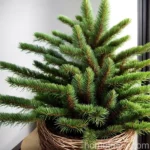
Momi Fir (Abies firma): A Comprehensive Guide
Introduction
Momi fir (Abies firma) is a majestic evergreen conifer that belongs to the Pinaceae family. It is renowned for its stately appearance and luscious green foliage, making it a prized addition to gardens, landscapes, and forests. In this comprehensive guide, we will explore the characteristics of the momi fir tree, its cultivation requirements, uses, and the various aspects that make it a valuable plant in horticulture and forestry.
What is Momi Fir (Abies firma)?
Momi fir, scientifically known as Abies firma, is a species of fir native to Japan. It is commonly referred to as the Momi Fir, Japanese Fir, or Omorika. The tree is widely cultivated for its ornamental value and its commercial use in woodworking and timber production.
Key Takeaways
Before we delve deeper into the world of Momi fir, let’s take a moment to review some key takeaways about this remarkable tree.
Momi Fir (Abies firma)
- Scientific Name: Abies firma
- Common Names: Momi Fir, Japanese Fir, Omorika
- Family: Pinaceae
- Native Habitat: Japan
- Use: Ornamental, Timber Production
- Growth Rate: Moderate
- Foliage: Lustrous, Dark Green
- Cone Development: Symmetrical, Conical
- Cultural Uses: Gardens, Landscapes, Forestry
- Prized Characteristics: Stately Appearance, Resilience, Ornamental Value
Now, as we move forward, let’s explore the intricacies of nurturing and appreciating the Momi Fir in various environments and settings.
Culture
Water
Momi fir trees thrive in well-draining soil and perform best when they receive consistent moisture. Adequate watering, particularly during dry periods, is essential for the tree’s overall health and vigor. The soil should be kept evenly moist, but it’s crucial to avoid waterlogging or creating waterlogged conditions, as excessive moisture can lead to root rot and other issues.
Sunlight
When it comes to sunlight requirements, Momi fir trees prefer partial shade to full sun. While they can tolerate some shade, they thrive in locations where they receive abundant sunlight during the day. When planting Momi fir trees, it’s important to select a site that offers the right balance of sunlight and shade to promote optimal growth and development.
Fertilizer
Fertilization is an integral aspect of maintaining the health and vitality of Momi fir trees. Applying a balanced, slow-release fertilizer in spring can provide the essential nutrients that support robust growth and vibrant foliage. It is advisable to follow the manufacturer’s instructions and to avoid over-fertilizing, as this can lead to imbalances and potential damage to the tree.
Soil
Momi fir trees prefer acidic, well-draining soil that is rich in organic matter. A soil pH in the range of 5.0 to 6.0 is ideal for these trees. It’s important to ensure that the soil is not compacted and that it offers good aeration to facilitate healthy root development. Amending the soil with organic matter, such as compost or peat moss, can improve its texture and fertility, creating an optimal growing environment for the Momi fir.
Pruning
Pruning is a critical aspect of Momi fir tree care, as it helps maintain the tree’s shape, control its size, and remove any damaged or diseased branches. When pruning Momi fir trees, it’s essential to use clean, sharp pruning tools to make precise cuts that promote healing and minimize the risk of injury to the tree. Careful attention should be given to pruning timing and techniques to ensure the tree’s health and aesthetic appeal.
Propagation
Momi fir trees can be propagated through various methods, including seed propagation and vegetative propagation. Seed propagation involves collecting and germinating Momi fir seeds, while vegetative propagation techniques such as grafting and cutting propagation can be used to propagate specific cultivars and preserve desirable traits.
Container Popularity
The popularity of growing Momi fir trees in containers has been increasing, primarily due to their attractive appearance and adaptability to container cultivation. Momi fir trees in containers can make stunning additions to patios, decks, and smaller outdoor spaces, adding a touch of evergreen elegance to the surroundings.
Common Diseases
Momi fir trees are susceptible to certain diseases, and being aware of these diseases and their symptoms is crucial for early detection and effective management. Common diseases that may affect Momi fir trees include:
-
Needle Blight: Needle blight caused by fungal pathogens can lead to the browning and shedding of needles, affecting the tree’s overall appearance and vigor. Proper cultural practices and, if necessary, targeted fungicidal treatments can help manage this disease.
-
Canker Diseases: Canker diseases, characterized by the formation of sunken areas or lesions on the bark, can impact the tree’s vitality and structural integrity. Maintaining tree health and employing appropriate care practices are essential for mitigating the risk of canker diseases.
-
Root Rot: Overly moist or waterlogged conditions can create an environment conducive to root rot, which can adversely affect the tree’s root system and overall health. Proper watering and soil management are vital for preventing root rot in Momi fir trees.
Disease Diagnosis
Diagnosing diseases in Momi fir trees involves careful observation and, in some cases, laboratory testing to identify the causal agents and develop targeted management strategies. It’s essential to monitor the tree for any signs of discoloration, lesions, or unusual growth patterns and to seek professional assistance when dealing with challenging diseases.
Common Pests
Momi fir trees may face infestations from various pests, including adelgids, spider mites, and aphids, which can affect the tree’s foliage and overall well-being. Vigilance, early pest detection, and implementing appropriate integrated pest management practices are key to preserving the health and beauty of Momi fir trees.
Botanist’s Tips
As a botanist, here are some essential tips for cultivating and caring for Momi fir trees:
-
Cultural Adaptability: Momi fir trees exhibit remarkable adaptability to diverse growing conditions and can thrive in various climates and soil types, showcasing their resilience and versatility.
-
Year-Round Appeal: With their evergreen foliage and striking appearance, Momi fir trees provide year-round aesthetic appeal, making them valuable additions to landscapes and gardens.
-
Integrated Pest Management: Implementing integrated pest management strategies, such as promoting natural predators and using eco-friendly pest control methods, can help maintain a balanced ecosystem around Momi fir trees.
-
Pruning Practices: Pruning should be performed thoughtfully, considering the tree’s natural form and growth habits to enhance its beauty while preserving its structural integrity.
Fun Facts
Did you know?
-
Momi fir trees are known for their resinous wood, which has been traditionally used for making torches, furniture, and construction materials.
-
In Japanese culture, Momi fir trees are esteemed for their symbolic significance, representing resilience, longevity, and the enduring beauty of nature.
-
Momi fir trees can serve as valuable windbreaks, helping to protect other plants and landscapes from the effects of strong winds and inclement weather.
Links to External Resources
To further expand your knowledge and appreciation of Momi fir trees, consult the following links to valuable external resources:
- Momi Fir: A Guide to Identification and Cultivation
- Timber Properties of Abies firma
- Japanese Fir in Landscaping: Design and Applications
- Gardening with Momi Fir Trees: Tips and Techniques
Conclusion
In conclusion, Momi fir (Abies firma) stands as a captivating and valuable tree with its ornamental charm, cultural significance, and commercial uses. Whether adorning gardens, enhancing landscapes, or contributing to sustainable forestry practices, the Momi fir tree exemplifies resilience and enduring beauty. By understanding its unique characteristics, cultural requirements, and the various dimensions of its uses and benefits, we can truly appreciate the remarkable role of Momi fir in the world of horticulture and beyond.