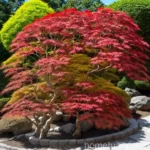
Japanese Maple (Acer palmatum ‘Shaina’) – A Complete Plant Guide
The Japanese maple, scientifically known as Acer palmatum ‘Shaina,’ is a captivating ornamental plant native to Japan, Korea, and China. This species is known for its vibrant foliage, elegant structure, and compact size, making it a popular choice among gardeners and landscapers. In this comprehensive plant guide, we will delve into every aspect of the Japanese maple, from its culture and uses to its care requirements, diseases, and pests. Whether you’re a seasoned horticulturist or a novice plant enthusiast, this guide will equip you with all the necessary knowledge to cultivate and appreciate the beauty of the Acer palmatum ‘Shaina.’
What is a Plant: Japanese Maple (Acer palmatum ‘Shaina’)?
The Japanese maple, Acer palmatum ‘Shaina,’ is a member of the Aceraceae family and is renowned for its stunning foliage and graceful form. This deciduous tree is considered a slow grower and typically reaches a height of 6-10 feet with a similar spread, making it an ideal choice for small gardens and landscapes. The ‘Shaina’ variety is particularly esteemed for its compact and upright growth habit, as well as its vibrant red and purple leaves that emerge in the spring and change to bronze and red hues in the fall, adding a splash of color to any setting.
Key Takeaways – Japanese Maple (Acer palmatum ‘Shaina’)
Before we delve into the various aspects of the Acer palmatum ‘Shaina,’ let’s first outline the key takeaways that will be explored in this comprehensive plant guide.
Culture
- Essential cultural practices for promoting the health and vigor of the Japanese maple.
- Understanding the unique requirements of the ‘Shaina’ variety.
Uses
- Exploring the versatile uses of the Japanese maple in different landscapes and garden settings.
- Creative and effective ways to incorporate the ‘Shaina’ variety into various design concepts.
Water
- Watering guidelines and requirements for the proper care of the Japanese maple, particularly the ‘Shaina’ cultivar.
- Understanding the impact of water on the health and growth of the tree.
Sunlight
- Sunlight preferences and optimal light conditions for the Japanese maple, with a focus on the ‘Shaina’ cultivar.
- Addressing the importance of sunlight in maintaining the vibrant foliage of the tree.
Fertilizer
- The role of fertilization in supporting the growth and development of the Japanese maple, including the ‘Shaina’ variety.
- Understanding the specific fertilizer needs of the tree to maximize its ornamental value.
Soil
- Soil preferences and considerations for cultivating the Japanese maple, particularly the ‘Shaina’ cultivar.
- Identifying the ideal soil characteristics for promoting the health and vigor of the tree.
Pruning
- Pruning techniques and recommendations for maintaining the elegant form of the Japanese maple, with a focus on the ‘Shaina’ variety.
- Understanding the role of pruning in shaping the tree and enhancing its aesthetic appeal.
Propagation
- Methods of propagating the Japanese maple, including the ‘Shaina’ cultivar, to expand its presence in the garden or landscape.
- Exploring the propagation techniques that yield successful results with this particular variety.
Container Popularity
- The growing popularity of cultivating the Japanese maple, especially the ‘Shaina’ variety, in containers.
- Understanding the benefits and considerations of container gardening with this ornamental tree.
Container Common Diseases
- Identifying and addressing common diseases that affect Japanese maple trees when grown in containers, with a focus on the ‘Shaina’ cultivar.
- Implementing preventive measures to protect container-grown ‘Shaina’ maples from diseases.
Disease Diagnosis
- Recognizing symptoms and diagnosing diseases that may affect the health of the Japanese maple, particularly the ‘Shaina’ variety.
- Applying appropriate treatments and management strategies for controlling diseases.
Common Pests
- Understanding the common pests that pose a threat to the Japanese maple, with a specific focus on the ‘Shaina’ cultivar.
- Implementing pest management practices to safeguard the tree from infestations.
Botanist’s Tips
- Expert tips and insights from botanists and horticulturists for successfully cultivating and caring for the Japanese maple, Acer palmatum ‘Shaina.’
- Leveraging professional advice to optimize the ornamental value and longevity of the tree.
Fun Facts
- Discovering interesting and lesser-known facts about the Japanese maple, shedding light on its history, significance, and unique attributes.
- Unearthing fascinating details that showcase the charm and allure of the ‘Shaina’ variety.
Links to External Resources
- A curated list of reputable external resources providing further information, insights, and support for Japanese maple enthusiasts.
- Accessing additional reading and references to enhance the understanding and appreciation of the Acer palmatum ‘Shaina.’
With these key takeaways in mind, let’s embark on a comprehensive journey to explore the world of the Japanese maple, specifically focusing on the distinctive characteristics and care requirements of the Acer palmatum ‘Shaina.’
Culture
Cultural practices play a crucial role in nurturing healthy, vibrant, and resilient Japanese maple trees. The ‘Shaina’ variety, known for its compact size and striking foliage, requires specific cultural considerations to thrive and exhibit its full ornamental potential. Here are the essential cultural aspects to consider when cultivating the Acer palmatum ‘Shaina’:
- Location: Select a suitable location for planting the ‘Shaina’ Japanese maple, ensuring it receives partial shade to protect its foliage from scorching sun, especially in hotter climates.
- Spacing: Provide adequate spacing between multiple ‘Shaina’ maples to allow for proper air circulation, reduce competition for resources, and accommodate their mature size.
- Watering: Implement a consistent watering regimen, ensuring that the soil remains moist but well-drained, especially during the tree’s establishment phase and periods of drought.
- Mulching: Apply a layer of organic mulch around the base of the ‘Shaina’ Japanese maple to retain soil moisture, regulate temperature, and suppress weed growth.
- Fertilization: Provide the ‘Shaina’ variety with a balanced, slow-release fertilizer in spring to support its growth and enhance the vibrancy of its foliage.
- Pruning: Regularly inspect and prune the ‘Shaina’ maple to remove dead or crossing branches, maintain its compact form, and enhance its overall appearance.
- Disease Management: Monitor the tree for signs of diseases and promptly address any issues to prevent the spread of infections and preserve its health.
- Pest Control: Keep an eye out for common pests and implement effective pest control measures to protect the ‘Shaina’ Japanese maple from infestations.
- Winter Protection: Shield the tree from harsh winter conditions, particularly in colder regions, by providing adequate insulation and protection from extreme temperatures and winds.
Understanding and adhering to these cultural practices will contribute to the overall health and vitality of the ‘Shaina’ Japanese maple, ensuring that it thrives and graces the landscape with its stunning presence.
Uses
The Japanese maple, Acer palmatum ‘Shaina,’ boasts a diverse array of uses in landscape design, from serving as a focal point in the garden to enhancing the beauty of residential and commercial settings. Its compact size, vibrant foliage, and elegant form make it a versatile and valuable addition to various landscaping concepts. Some of the key uses of the ‘Shaina’ Japanese maple include:
- Accent Tree: Utilize the ‘Shaina’ variety as an accent tree to draw attention to specific areas of the landscape, such as entryways, courtyards, or focal points within gardens.
- Container Planting: Showcase the ‘Shaina’ Japanese maple in containers on patios, decks, or balconies, adding a touch of elegance and color to outdoor living spaces.
- Japanese Gardens: Incorporate the ‘Shaina’ maple into traditional Japanese garden designs, where its form and foliage contribute to the tranquil and serene ambiance of such landscapes.
- Urban Landscapes: Enhance urban landscapes with the compact and manageable size of the ‘Shaina’ variety, making it an ideal choice for smaller city gardens and residential spaces.
- Small Gardens: Complement small-scale gardens, courtyards, or urban oases with the ornamental appeal of the ‘Shaina’ Japanese maple, which adds vibrancy without overwhelming the space.
- Shaded Areas: Thrive in shaded areas, making the ‘Shaina’ maple an excellent choice for enriching and enlivening shaded garden spots with its colorful and distinctive foliage.
- Mixed Borders: Integrate the ‘Shaina’ variety into mixed borders and plantings, where it harmonizes with other shrubs, perennials, and ornamental grasses to create captivating compositions.
- Landscape Focal Point: Position the ‘Shaina’ Japanese maple as a focal point in the landscape, anchoring the design with its captivating form, texture, and seasonal foliage colors.
By creatively incorporating the ‘Shaina’ Japanese maple into various landscape settings, gardeners and landscapers can harness its ornamental value and contribute to the visual appeal and charm of the outdoor environment.
Water
Adequate and consistent watering is essential for the health and vitality of the Japanese maple, Acer palmatum ‘Shaina.’ While this variety exhibits moderate drought tolerance once established, ensuring proper hydration is crucial, especially during periods of stress, such as hot and dry weather. Understanding the water requirements and best practices for watering the ‘Shaina’ Japanese maple will contribute to its overall well-being and ornamental value. Here are some guidelines for watering this beloved ornamental tree:
Water Requirements
- Establishment Phase: During the initial establishment phase after planting, provide regular and deep watering to facilitate root development and ensure the ‘Shaina’ maple’s successful acclimatization to its new environment.
- Dry Periods: During periods of drought or hot weather, monitor the moisture levels in the soil and supplement rainfall by watering the tree deeply to prevent stress and dehydration.
- Mulch Benefits: Apply a layer of organic mulch around the base of the ‘Shaina’ Japanese maple to conserve soil moisture, reduce evaporation, and promote consistent water retention in the root zone.
- Soil Drainage: Ensure that the soil has proper drainage to prevent waterlogging, which can lead to root rot and other moisture-related issues, while also allowing the tree to access water as needed.
- Leaf Scorch Prevention: Be mindful of leaf scorch, a condition caused by inadequate water uptake or excessive sun exposure, and adjust watering practices to mitigate the risk of foliage damage.
By maintaining a balanced approach to watering, gardeners can support the ‘Shaina’ variety’s health and resilience, enabling it to thrive and exhibit optimal foliage color and overall vigor.
Sunlight
Sunlight plays a significant role in shaping the growth, foliage color, and overall health of the Japanese maple, Acer palmatum ‘Shaina.’ This compact and striking variety exhibits specific preferences when it comes to sun exposure, making it essential to understand and accommodate its needs to ensure that it thrives in the landscape. Here are the critical considerations regarding sunlight requirements for the ‘Shaina’ Japanese maple:
Sunlight Preferences
- Partial Shade: Provide the ‘Shaina’ variety with partial shade, particularly in regions with hot and intense sunlight, to shield its foliage from scorching and maintain its vibrant and colorful display.
- Morning Sun, Afternoon Shade: Position the tree in a location where it receives morning sun and afternoon shade, allowing it to benefit from gentle sunlight while avoiding excessive heat stress.
- Leaf Burn Prevention: Protect the ‘Shaina’ Japanese maple from leaf burn, a condition caused by excessive sun exposure, by choosing a site with filtered or dappled light to preserve the integrity of the foliage.
- Foliage Color Enhancement: Leverage the impact of sunlight on the tree’s foliage color, as certain levels of light exposure can intensify the red, purple, and bronze hues of the ‘Shaina’ maple, adding to its visual appeal.
- Assessing Site Conditions: Evaluate the sun patterns and microclimates within the landscape to identify an ideal location that meets the ‘Shaina’ variety’s sunlight requirements and promotes its well-being.
Understanding and accommodating the ‘Shaina’ maple’s sunlight preferences will contribute to its overall performance, ensuring that its foliage remains vibrant and captivating throughout the growing season.
Fertilizer
Fertilization plays a pivotal role in providing essential nutrients to the Japanese maple, Acer palmatum ‘Shaina,’ supporting its growth, foliage color, and overall vigor. The ‘Shaina’ variety benefits from a balanced and mindful approach to fertilization, incorporating the right nutrients at the appropriate times to maximize its ornamental value. Here are the key considerations for fertilizing the ‘Shaina’ Japanese maple:
Fertilizer Needs
- Balanced Formulation: Utilize a balanced, slow-release fertilizer designed for ornamental trees and shrubs to provide the ‘Shaina’ maple with essential nutrients without risk of overloading or causing rapid growth.
- Spring Application: Apply fertilizer to the ‘Shaina’ variety in early spring before the onset of new growth, delivering the necessary nutrients to support a strong start to the growing season and enhance foliage development.
- Avoid Over-Fertilization: Exercise caution to prevent over-fertilizing the ‘Shaina’ maple, as excessive nutrients can lead to imbalanced growth, reduced drought tolerance, and potential harm to the tree’s overall health.
- Soil Testing: Consider conducting a soil test to assess the nutrient levels and pH of the growing medium, allowing for informed and targeted fertilization strategies tailored to the specific needs of the ‘Shaina’ Japanese maple.
By attending to the ‘Shaina’ maple’s specific fertilizer needs and providing it with the requisite nutrients, gardeners can promote its overall vitality and ensure a dazzling display of foliage color throughout the growing season.
Soil
The composition and quality of the soil significantly influence the growth, health, and performance of the Japanese maple, Acer palmatum ‘Shaina.’ Understanding the soil preferences of this ornamental variety and making necessary amendments can create an optimal growing environment, supporting its root development, nutrient uptake, and overall well-being. Here are the essential considerations for addressing the soil requirements of the ‘Shaina’ Japanese maple:
Soil Preferences
- Well-Drained Soil: Ensure that the soil is well-drained and does not become waterlogged, as excessive moisture can lead to root rot and other detrimental effects on the ‘Shaina’ variety.
- Moisture Retention: Balance soil drainage with moisture retention, incorporating organic matter and mulch to promote consistent and adequate moisture levels within the root zone while preventing drying out.
- Acidic pH: Aim for a slightly acidic soil pH within the range of 5.5 to 6.5, as the ‘Shaina’ Japanese maple thrives in acidic to neutral conditions and benefits from appropriate pH levels for nutrient uptake.
- Loose and Aerated: Cultivate loose, well-aerated soil to facilitate root penetration, air circulation, and the establishment of a healthy root system to support the ‘Shaina’ maple’s growth and resilience.
By optimizing the soil conditions to align with the ‘Shaina’ maple’s preferences, gardeners can create an environment conducive to its flourishing, ensuring that it thrives and contributes to the beauty of the landscape.
Pruning
Pruning is an essential practice for maintaining the form, structure, and overall appearance of the Japanese maple, Acer palmatum ‘Shaina.’ Regular and judicious pruning not only preserves the tree’s aesthetic attributes but also promotes airflow, reduces disease susceptibility, and enhances its ornamental value. Here are the fundamental principles and techniques for pruning the ‘Shaina’ Japanese maple:
Pruning Techniques
- Dead Branch Removal: Regularly inspect the ‘Shaina’ maple for dead, damaged, or diseased branches and promptly remove them to prevent the spread of issues and maintain the tree’s health.
- Thinning and Shaping: Thin out crowded or crossing branches within the canopy of the ‘Shaina’ variety to improve air circulation, enhance light penetration, and shape the tree’s form for a balanced and open structure.
- Size Management: Manage the size of the ‘Shaina’ maple through selective pruning, maintaining its desirable compact form and controlling its growth to fit the intended space in the garden or landscape.
- Pruning Frequency: Conduct pruning during the tree’s dormant season to minimize stress and support its recovery, avoiding extensive pruning during active growth periods.
- Pruning Tools: Use sharp and sanitized pruning tools to make clean cuts, reduce the risk of damage or infection, and promote the tree’s healing process after pruning.
Applying proper pruning techniques to the ‘Shaina’ Japanese maple will not only preserve its distinctive form and appearance but also contribute to its long-term health and vitality in the landscape.
Propagation
Propagating the Japanese maple, Acer palmatum ‘Shaina,’ allows gardeners to expand their collection of this stunning ornamental tree or share its beauty with others. While this process requires patience and attention to detail, successful propagation methods can yield new ‘Shaina’ maples that retain the desired traits and characteristics of the parent plant. Here are the primary methods of propagating the ‘Shaina’ Japanese maple:
Propagation Methods
- Seed Propagation: Harvest and sow seeds from the ‘Shaina’ maple, understanding that seed-propagated trees may exhibit genetic variability and take several years to mature and display desired traits.
- Cutting Propagation: Take softwood or hardwood cuttings from the ‘Shaina’ variety and propagate them under controlled conditions to encourage root development and establish new plants that closely resemble the parent tree.
- Grafting and Budding: Employ grafting or budding techniques to unite a ‘Shaina’ maple scion with a compatible rootstock, ensuring successful integration and propagation of the desired characteristics.
By employing the appropriate propagation methods and techniques, gardeners can expand the presence of the ‘Shaina’ Japanese maple in their landscapes and share its allure with others who appreciate its ornamental value.
Container Popularity
Cultivating the Japanese maple, particularly the ‘Shaina’ variety, in containers has gained popularity due to its compact size, ornamental foliage, and suitability for limited garden spaces or urban environments. Container gardening with the ‘Shaina’ Japanese maple offers versatility, mobility, and opportunities to showcase this captivating tree in various settings. Here are the key factors and considerations associated with container gardening for the ‘Shaina’ maple:
Benefits of Container Gardening
- Space Efficiency: Suiting small gardens, patios, balconies, and other confined areas, container-grown ‘Shaina’ maples contribute to ornamental displays without requiring extensive planting areas.
- Portability: Container-grown ‘Shaina’ Japanese maples can be moved and repositioned as needed, allowing flexibility in design, seasonal adjustments, and protection from adverse weather conditions.
- Design Versatility: Integrate the ‘Shaina’ variety into diverse container arrangements, complementing other plants, flowers, or ornamental elements to create visually captivating compositions.
- Climate Adaptation: Containers offer the ability to control and optimize growing conditions for the ‘Shaina’ maple, catering to its specific cultural requirements regardless of the outdoor environment.
By embracing container gardening with the ‘Shaina’ Japanese maple, gardeners can expand the possibilities for showcasing this extraordinary tree while capitalizing on its ornamental appeal in limited or non-traditional garden spaces.
Container Common Diseases
While container gardening offers numerous benefits for cultivating the ‘Shaina’ Japanese maple, it also presents specific challenges related to disease management. Understanding the common diseases that may affect container-grown maples and implementing preventive measures