Plant Name: White Fir (Abies concolor)
With its striking beauty and numerous ecological benefits, the white fir (Abies concolor) is a beloved tree species in the conifer family. In this comprehensive guide, we will delve into all aspects of this magnificent tree, including its characteristics, uses, cultivation, care, and ecological significance. Whether you are a botanist, a gardening enthusiast, or simply a nature lover, this article will provide you with valuable insights into the world of the white fir.
What is White Fir (Abies concolor)?
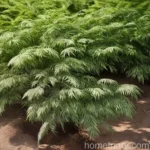
The white fir, scientifically known as Abies concolor, is a large evergreen coniferous tree that is native to the western United States and Mexico. This majestic tree is renowned for its soft, silvery-blue needles and its impressive height, often reaching up to 130 feet (40 meters) in its natural habitat. The white fir is a long-lived species, with some individuals reaching ages of 300-400 years.
Key Takeaways – White Fir (Abies concolor)
Before we dive into the specifics of this remarkable species, here are some key takeaways about the white fir:
- Scientific Name: Abies concolor
- Common Name: White Fir
- Family: Pinaceae
- Native Range: Western United States and Mexico
- Mature Height: Up to 130 feet (40 meters)
- Needle Color: Soft, silvery-blue
- Lifespan: 300-400 years
Now that we have a basic understanding of the white fir, let’s explore the various aspects of its culture, uses, and care requirements.
Culture
Water
The white fir thrives in moist, well-drained soil and benefits from regular watering, especially during periods of drought. However, it is important to avoid waterlogged conditions, as this can lead to root rot and other moisture-related issues. When establishing young white firs, it’s crucial to provide adequate irrigation to promote healthy root development.
Sunlight
In its natural habitat, the white fir is often found in mixed conifer forests where it enjoys a mix of sunlight and shade. When cultivating white fir in landscapes or gardens, it is best to provide partial to full sunlight for optimal growth. While the tree can tolerate some shade, it tends to thrive in locations with ample sunlight.
Fertilizer
White firs are not heavy feeders and generally thrive in nutrient-rich soil without the need for excessive fertilization. However, if the tree is growing in depleted soil or in a container, a balanced, slow-release fertilizer can be applied in spring to support healthy growth. It is essential to follow the specific guidelines for conifer fertilization to prevent over-fertilization, which can harm the tree.
Soil
The white fir prefers well-drained, slightly acidic soil with good fertility. It is adaptable to various soil types, including loam, sandy loam, and clay loam, as long as the soil is not excessively compacted or prone to water stagnation. When planting white firs, it is beneficial to amend the soil with organic matter to improve its texture and nutrient content.
Uses
The white fir offers a wide range of practical and ecological uses, making it a valuable species in natural landscapes, forestry, and horticulture. Let’s explore some of the primary uses of Abies concolor:
- Timber: The wood of Abies concolor is highly valued for its strength, durability, and attractive grain. It is commonly used in construction, furniture making, and woodworking projects.
- Landscape Ornament: Due to its impressive size and graceful appearance, the white fir is often planted as an ornamental tree in parks, gardens, and large estates.
- Wildlife Habitat: White firs provide essential habitat and food for various wildlife species, including birds, squirrels, and small mammals. The dense foliage and abundant seeds contribute to the ecological richness of coniferous forests.
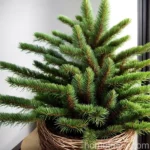
- Christmas Trees: With their symmetrical shape and soft needles, white firs are popular choices for Christmas tree cultivation and are prized for their ornamental value during the holiday season.
- Soil Stabilization: In reforestation and conservation efforts, white firs are used to stabilize soil, prevent erosion, and restore ecological balance in disturbed areas.
Pruning
Proper pruning is essential for maintaining the health and aesthetic appeal of white firs. Here are some key considerations for pruning Abies concolor:
- Timing: Pruning is best conducted during the dormant season, typically in late winter or early spring, to minimize stress on the tree.
- Techniques: When pruning white firs, it is important to remove dead or diseased branches, as well as any crossed or overcrowded limbs that may impede healthy growth.
- Caution: Care should be taken to avoid excessive pruning, as white firs do not respond well to heavy pruning and may suffer from the loss of essential foliage.
Propagation
White firs can be propagated through various methods, including seed propagation and vegetative propagation. Here are some common techniques used to propagate Abies concolor:
- Seed Propagation: White fir seeds can be collected from mature cones and sown in well-drained seed beds in the fall. To promote successful germination, the seeds may require stratification, a process of simulating natural environmental conditions to break seed dormancy.
- Cuttings: Softwood cuttings can be taken from healthy white fir branches and treated with rooting hormone before being planted in a suitable propagation medium. With proper care and environmental conditions, these cuttings can develop roots and grow into new trees.
Container Popularity
The white fir is a popular choice for container cultivation, especially in urban and suburban settings where space may be limited. Cultivating white firs in containers allows individuals to enjoy the beauty of these trees on patios, balconies, and small gardens. Additionally, container-grown white firs can be moved to sheltered locations during harsh weather or extreme temperatures, providing them with added protection.
Common Diseases
While the white fir is generally resilient to many pests and diseases, it is susceptible to certain issues that can impact its health. Here are some common diseases that may affect Abies concolor:
- Needlecast Diseases: Various needlecast fungi can cause discoloration, premature needle drop, and overall decline in tree health. Proper cultural practices, such as promoting good air circulation and avoiding overhead watering, can help prevent needlecast diseases.
- Root Rot: Excessive moisture or poorly drained soil can lead to root rot, a fungal condition that affects the roots of the tree. Proper watering practices and well-drained soil are essential in preventing root rot in white firs.
- Canker Diseases: Canker-causing fungi can infect the bark of white firs, leading to sunken lesions, dieback, and overall decline. Pruning infected branches and promoting overall tree vigor can help manage canker diseases.
Disease Diagnosis
Diagnosing diseases in white firs requires careful observation and, in some cases, professional assistance from arborists or plant pathologists. When assessing the health of a white fir, look for the following symptoms that may indicate the presence of disease:
- Discoloration or browning of needles
- Premature needle drop
- Lesions or cankers on the bark
- Stunted growth or dieback of branches
- Unusual fungal growth or spore production
If you suspect that your white fir is affected by a disease, it is best to seek expert guidance to accurately diagnose the issue and implement appropriate management strategies.
Common Pests
White firs are relatively resistant to pest infestations, but they can occasionally be targeted by certain insects that impact their health. Here are some common pests that may affect Abies concolor:
- Aphids: These small, sap-sucking insects may gather in large numbers on the needles of white firs, causing distortion and discoloration of the foliage. Natural predators and insecticidal soaps can be used to manage aphid populations.
- Adelgids: Adelgids are tiny, aphid-like insects that feed on the sap of fir trees, potentially causing stunted growth and needle damage. Targeted insecticidal treatments can be employed to control adelgid infestations.
- Spruce Budworms: While primarily affecting spruce trees, budworms can also damage the foliage of white firs by feeding on new growth. Biological control agents and careful monitoring can help prevent budworm outbreaks.
Botanist’s Tips
As a plant scientist with a deep appreciation for the ecological significance of Abies concolor, here are some valuable tips for cultivating and caring for white firs:
- Site Selection: When planting white firs, choose a location with well-drained soil and ample sunlight to promote healthy growth and vigor.
- Watering Practices: Provide consistent, deep watering to young white firs to establish strong root systems, and monitor soil moisture levels to prevent water stress.
- Mulching: Apply a layer of organic mulch around the base of white firs to conserve moisture, regulate soil temperature, and suppress weed growth.
- Integrated Pest Management: Emphasize natural and cultural control methods to manage pest issues before considering chemical interventions, promoting ecological balance in the landscape.
- Pruning Technique: Use proper pruning techniques, such as making clean cuts and avoiding excessive removal of healthy foliage, to maintain the structural integrity and health of white firs.
Fun Facts
To further appreciate the beauty and significance of the white fir, here are some fascinating fun facts about Abies concolor:
- The resin from white firs has been historically used for medicinal and aromatic purposes by Native American tribes, showcasing the cultural significance of this species.
- Due to its dense and resilient wood, white fir is sought after for use in musical instrument production, particularly for soundboards in pianos and other string instruments.
- In ecological terms, white firs play a crucial role in maintaining biodiversity, providing habitat for various species and contributing to the overall health of coniferous ecosystems.
Links to External Resources
For those seeking more in-depth information on Abies concolor, the following external resources provide valuable insights into the white fir and its ecological relevance:
- United States Department of Agriculture – Abies concolor
- The Gymnosperm Database – Abies concolor
- Missouri Botanical Garden – Abies concolor
- University of California Agriculture & Natural Resources – White Fir
In conclusion, the white fir (Abies concolor) stands as a testament to the beauty and resilience of coniferous trees, offering valuable ecological contributions and aesthetic pleasures to those who appreciate its grandeur. As we continue to study and cultivate species like the white fir, we gain a deeper understanding of the intricate relationships between plants, ecosystems, and human societies, further enriching our connection to the natural world. Whether thriving in wild landscapes or gracing personal gardens, the white fir remains a cherished symbol of strength, longevity, and enduring beauty in the realm of trees.