Nordmann Fir ( Abies Nordmanniana)

Nordmann Fir (Abies Nordmanniana): A Plant Scientist’s Guide

Plants are an essential part of our environment and play a crucial role in sustaining life on earth. As a plant scientist, I have always been fascinated by the diversity and resilience of plant species. Among the myriad of plant species, the Nordmann Fir (Abies Nordmanniana) stands out for its unique characteristics, cultural significance, and ornamental value. In this comprehensive guide, we will delve into the various aspects of Nordmann Fir, ranging from its cultural practices and uses to its growth habits and disease management. So, let’s embark on this botanical journey and explore the wonders of Nordmann Fir.

What is Nordmann Fir (Abies Nordmanniana)?

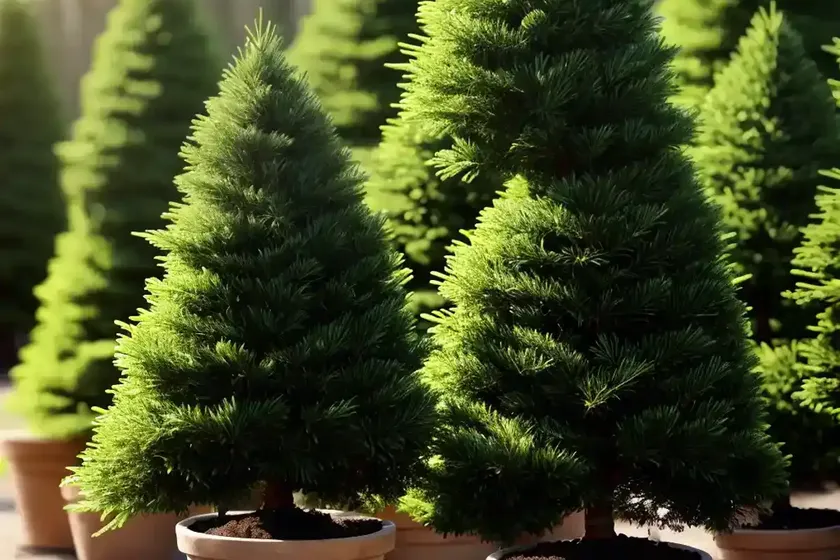
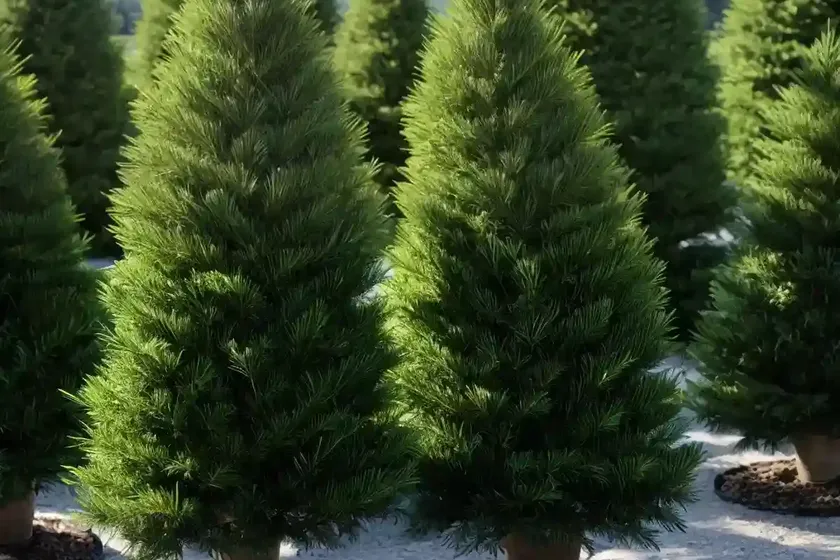
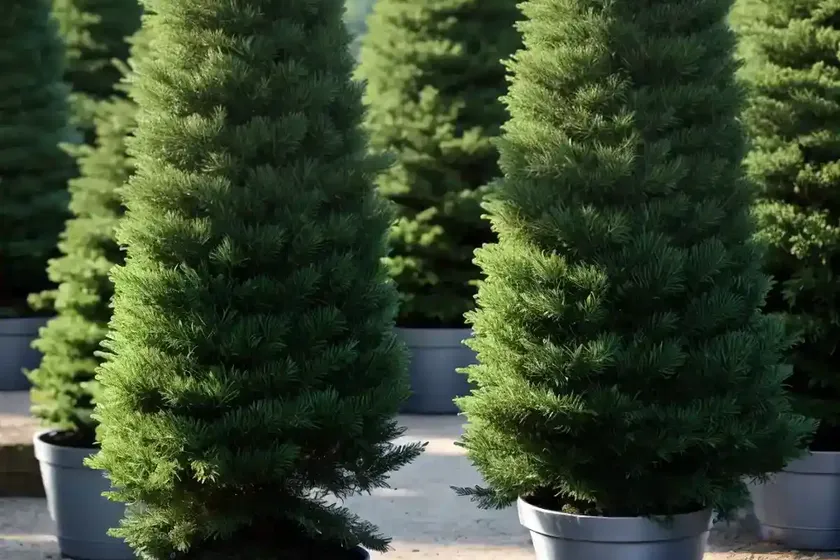
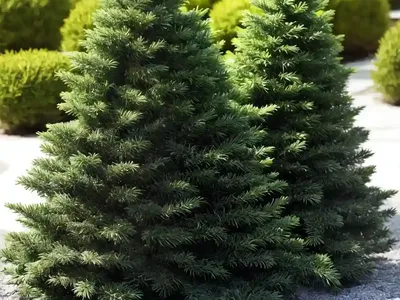
Nordmann Fir, scientifically known as Abies Nordmanniana, is a species of fir native to the Caucasus and northeastern Turkey. It belongs to the family Pinaceae and is renowned for its majestic stature, dark green foliage, and symmetrical shape. This evergreen conifer is highly prized for its ornamental value and is widely cultivated in the horticultural industry. Nordmann Fir is not only revered for its aesthetic appeal but also holds cultural significance, often being used as a Christmas tree in many parts of the world.

Key Takeaways – Nordmann Fir (Abies Nordmanniana)

Before we delve deeper into the intricacies of Nordmann Fir care and cultivation, let’s summarize some key takeaways about this remarkable plant:

  • Scientific Name: Abies Nordmanniana
  • Common Name: Nordmann Fir
  • Family: Pinaceae
  • Native Range: Caucasus and northeastern Turkey
  • Growth Habit: Evergreen conifer with a symmetrical shape
  • Cultural Significance: Often used as a Christmas tree
  • Ornamental Value: Prized for its dark green foliage and majestic stature

Now that we have an overview of Nordmann Fir, let’s explore the essential aspects of its care, cultivation, and maintenance.

Culture

Cultivating Nordmann Fir requires an understanding of its cultural requirements, including water, sunlight, fertilizer, soil, and pruning practices. By providing optimal growing conditions, we can ensure the health and vitality of this iconic tree.

Water

Nordmann Fir, like many coniferous trees, has specific water requirements to thrive. Adequate soil moisture is essential for its growth, particularly during the establishment phase. However, it is crucial to avoid waterlogging, as excess moisture can lead to root rot and other detrimental conditions. Proper irrigation management, especially during dry periods, is essential to sustain the health of Nordmann Fir.

Sunlight

In terms of sunlight, Nordmann Fir thrives in partial to full sun exposure. While it can tolerate some shade, providing adequate sunlight is crucial for promoting robust growth and maintaining the vibrant green color of its foliage. When selecting a planting site, it is advisable to choose a location that receives ample sunlight throughout the day, while also offering protection from strong winds and excessive heat.

Fertilizer

Fertilization plays a vital role in supporting the growth and development of Nordmann Fir. A balanced, slow-release fertilizer formulated for acid-loving plants is recommended for this species. Applying the fertilizer in early spring, before the onset of new growth, can supply the essential nutrients needed for healthy foliage and vigorous growth. Care should be taken to follow the recommended application rates to prevent over-fertilization, which can be detrimental to the tree’s health.

Soil

Nordmann Fir thrives in well-drained, acidic soils with a pH range of 5.5 to 6.5. It is essential to amend the soil with organic matter, such as peat moss or compost, to improve its structure and fertility. Additionally, incorporating mulch around the base of the tree helps retain soil moisture and regulate soil temperature. The ideal soil conditions, combined with proper drainage, create an optimal growing environment for Nordmann Fir.

Pruning

Pruning is an essential aspect of Nordmann Fir maintenance, primarily focused on shaping the tree and removing dead or diseased branches. Care should be taken to prune the tree selectively, avoiding excessive removal of healthy foliage. Additionally, regular pruning can help maintain the tree’s desired form and enhance its aesthetic appeal. Pruning activities are typically performed during the tree’s dormant season to minimize stress and promote rapid healing of pruning wounds.

Uses

Nordmann Fir exhibits versatile uses, ranging from its role as a Christmas tree to its ornamental value in landscapes. Understanding the diverse applications of this plant underscores its significance in various cultural and horticultural contexts.

Christmas Tree

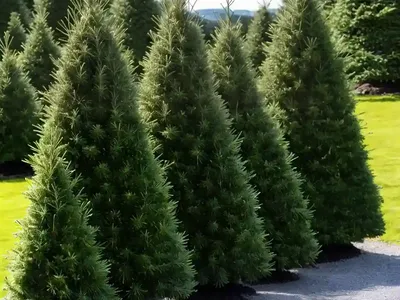
One of the most prominent uses of Nordmann Fir is as a Christmas tree. Its symmetrical shape, lush foliage, and excellent needle retention make it a popular choice for the holiday season. As a Christmas tree, Nordmann Fir enjoys widespread popularity due to its attractive appearance and the minimal shedding of its soft, dark green needles. Families and individuals often choose Nordmann Fir for its beauty and its ability to hold decorations throughout the festive period.

Ornamental Tree

In addition to its role as a Christmas tree, Nordmann Fir serves as an outstanding ornamental tree in landscaping and garden settings. Its elegant form, rich green color, and year-round appeal make it a favored choice for enhancing the visual appeal of residential and commercial properties. Whether planted as a specimen tree, used in groupings, or incorporated into mixed borders, Nordmann Fir adds a touch of natural beauty to outdoor environments.

Propagation

Nordmann Fir can be propagated through various methods, including seed propagation and vegetative propagation. Each propagation technique has its advantages and challenges, influencing the choice of the most suitable method for propagating this iconic tree.

Seed Propagation

Propagation from seeds is a common method for raising Nordmann Fir trees. The process begins with collecting mature cones from the parent tree and extracting the seeds for sowing. It is essential to ensure the viability of the seeds by conducting a germination test before sowing them in a suitable growing medium. Careful monitoring of environmental conditions, such as temperature and moisture, is crucial for successful seed germination and establishment of seedlings.

Vegetative Propagation

In addition to seed propagation, Nordmann Fir can be propagated through vegetative methods such as cuttings, grafting, and tissue culture. Vegetative propagation offers the advantage of preserving the desired traits of the parent tree, making it particularly valuable for propagating cultivars with specific ornamental or commercial attributes. By employing advanced horticultural techniques, such as tissue culture, growers can efficiently propagate Nordmann Fir while maintaining genetic uniformity and desirable characteristics.

Container Popularity

Nordmann Fir’s popularity extends to container cultivation, where it is cherished for its compact size and ornamental value. Growing Nordmann Fir in containers presents unique opportunities and challenges, requiring careful attention to its specific growth requirements.

Container Gardening

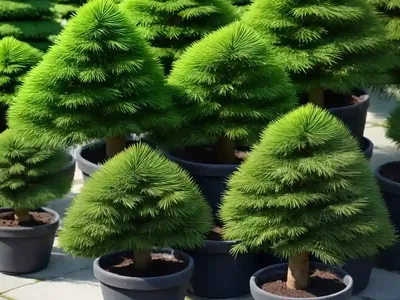
Nordmann Fir adapts well to container gardening, making it an excellent choice for individuals with limited outdoor space or those seeking to create captivating displays on patios, balconies, or terraces. When grown in containers, it is essential to select a spacious container with adequate drainage holes to prevent waterlogged conditions. Additionally, using a well-draining potting mix formulated for coniferous plants can promote healthy root development and overall vigor.

Indoor Care

For individuals who wish to enjoy Nordmann Fir as an indoor plant, providing sufficient sunlight and maintaining proper humidity levels is essential for its well-being. Placing the container near a bright window or providing supplemental grow lights can ensure that the tree receives the light it requires for healthy growth. Regular monitoring of moisture levels and avoiding drastic fluctuations in temperature help create a conducive indoor environment for Nordmann Fir.

Common Diseases and Pest Management

As with any plant species, Nordmann Fir is susceptible to certain diseases and pests that can affect its health and vitality. By recognizing common diseases and implementing effective pest management strategies, we can safeguard Nordmann Fir from potential threats.

Disease Diagnosis

Nordmann Fir can be affected by various diseases, including needle cast, root rot, and canker diseases. Needle cast diseases, caused by fungal pathogens, lead to browning and premature shedding of needles. Root rot, often associated with waterlogged soils, can cause root damage and decline in tree health. Canker diseases manifest as sunken lesions on the bark, potentially leading to branch dieback and reduced vigor.

Pest Management

Pest management is an integral aspect of maintaining the health and aesthetic appeal of Nordmann Fir. Common pests that affect this species include aphids, spider mites, and adelgids. Regular inspection of the tree for signs of pest infestation, such as stippling on foliage or the presence of honeydew-producing insects, enables early detection and intervention. Implementing cultural practices, such as promoting natural predators and maintaining tree vigor through proper care, contributes to effective pest management.

Botanist’s Tips

Drawing upon years of botanical expertise, here are some valuable tips for cultivating and caring for Nordmann Fir:

  • Selective Pruning: When pruning Nordmann Fir, focus on selective removal of dead or damaged branches while preserving the tree’s natural form.
  • Soil Moisture Monitoring: Regularly monitor soil moisture levels to prevent both drought stress and waterlogged conditions, ensuring optimal growing conditions.
  • Integrated Pest Management: Utilize a holistic approach to pest management, incorporating biological controls, cultural practices, and targeted interventions to minimize pest populations.

Fun Facts

Uncover some fascinating facts about Nordmann Fir that might surprise you:

  • Nordmann Fir (Abies Nordmanniana) is named after Finnish zoologist Alexander von Nordmann, who extensively studied the flora of the Caucasus region.
  • In its native habitat, Nordmann Fir can reach towering heights of up to 60 meters, showcasing its exceptional growth potential in favorable environments.
  • The symmetrical shape and dense foliage of Nordmann Fir make it an ideal candidate for topiary and formal garden designs, adding a touch of elegance to landscaped spaces.

Links to External Resources

For further exploration of Nordmann Fir care, cultivation, and related topics, consider consulting the following external resources:

  1. Royal Horticultural Society – Abies Nordmanniana
  2. Missouri Botanical Garden – Nordmann Fir
  3. The American Conifer Society – Abies Nordmanniana

In conclusion, Nordmann Fir (Abies Nordmanniana) encompasses both cultural significance and horticultural value, making it a captivating subject for plant enthusiasts and botanists alike. By gaining insights into its care, uses, and propagation, we can appreciate the enduring beauty and resilience of this iconic conifer. Whether adorning homes as a Christmas tree or gracing landscapes as an ornamental specimen, Nordmann Fir continues to inspire reverence and admiration for its timeless appeal.

Remember, the next time you encounter a stately Nordmann Fir, take a moment to appreciate the natural splendor and enduring legacy of this remarkable tree.