Yarrow (Achillea millefolium ‘Peachy Seduction’): A Comprehensive Guide
Yarrow, scientifically known as Achillea millefolium ‘Peachy Seduction’, is a fascinating and versatile plant with a myriad of uses and benefits. This plant belongs to the Asteraceae family and is native to regions of Asia, Europe, and North America. Yarrow has a rich history of traditional medicinal use and is also highly valued for its ornamental qualities.
In this comprehensive guide, we will delve into the various aspects of yarrow (Achillea millefolium ‘Peachy Seduction’), including its culture, uses, care requirements, propagation, common diseases, pests, and interesting facts. Whether you are a gardening enthusiast, herbalist, or simply someone intrigued by the multifaceted nature of plants, this guide aims to provide you with valuable insights into the world of yarrow.
What is Yarrow (Achillea millefolium ‘Peachy Seduction’)?
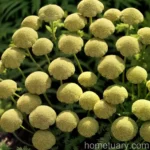
Yarrow, also known as Achillea millefolium, is a perennial plant with finely divided fern-like leaves and flat-topped clusters of small but vibrant flowers. It is renowned for its resilience, adaptability, and the diverse array of colors and varieties it exhibits. One such captivating variety is the ‘Peachy Seduction’ yarrow, which stands out for its exquisite peach-colored blooms and aromatic foliage. The botanical name Achillea is derived from the Greek hero Achilles, who, according to legend, used yarrow to heal the wounds of his soldiers during the Trojan War.
Key Takeaways – Yarrow (Achillea millefolium ‘Peachy Seduction’)
Here are the key takeaways to keep in mind when exploring the world of yarrow (Achillea millefolium ‘Peachy Seduction’):
- Yarrow is a perennial plant known for its finely divided leaves and flat-topped clusters of colorful flowers.
- The ‘Peachy Seduction’ variety of yarrow is particularly striking due to its peach-colored blooms and aromatic foliage.
- Yarrow has a rich history of traditional medicinal uses and is valued for its ornamental and ecological properties.
- Understanding the culture, uses, care requirements, and propagation methods is essential for successfully cultivating yarrow.
- Yarrow is susceptible to certain diseases and pests, making it important to be vigilant and proactive in its care.
Now, let’s dive deeper into the various aspects of yarrow, from its cultural significance to its practical applications and care guidelines.
Culture of Yarrow (Achillea millefolium ‘Peachy Seduction’)
Understanding the cultural attributes and natural habitat of yarrow is crucial for creating an optimal growing environment for this resilient plant. Whether you are planning to cultivate yarrow in a garden, landscape, or container, knowing its cultural requirements sets the stage for its long-term health and vitality.
Uses
Yarrow holds a special place in various domains, offering a multitude of uses that span from traditional medicine to landscaping and beyond. Its versatility and adaptability make it a valuable addition to gardens, herbal remedies, and wildlife habitats.
Water
Yarrow exhibits remarkable drought tolerance once established, making it suitable for landscapes and gardens with well-drained soils. While young plants may require moderate watering to aid in their establishment, mature yarrow plants typically thrive in low-water conditions.
Sunlight
Yarrow flourishes in full sun, preferring at least six to eight hours of direct sunlight per day. Adequate sunlight promotes robust growth and vibrant blooms, making it essential for cultivating healthy yarrow plants.
Fertilizer
Yarrow generally thrives in nutrient-poor soils and typically does not require heavy fertilization. Excessive fertility may lead to leggy growth and reduced flowering. A balanced, all-purpose fertilizer applied sparingly in the spring may benefit yarrow plants that exhibit signs of nutrient deficiency.
Soil
Well-drained, sandy, or loamy soils are ideal for yarrow cultivation. It is essential to avoid overly rich or waterlogged soils, as these conditions may lead to poor growth and increased susceptibility to diseases.
Pruning
Pruning yarrow promotes bushier growth and encourages the development of new blooms. Deadheading spent flower heads not only prolongs the flowering period but also prevents self-seeding, which can be beneficial in landscaped areas.
Propagation of Yarrow (Achillea millefolium ‘Peachy Seduction’)
Yarrow can be propagated through various methods, including division, cuttings, and seed sowing. Understanding the propagation techniques enables gardeners to expand their yarrow collection and share the beauty of this plant with others.
Division
Dividing established yarrow plants every few years rejuvenates them and allows for the creation of new plantings. This method is particularly useful for maintaining the vigor and abundance of yarrow in gardens and landscapes.
Container Popularity
Yarrow thrives in containers, offering an attractive and low-maintenance option for gardeners with limited space. The ‘Peachy Seduction’ variety, with its striking blooms and aromatic foliage, adds a touch of elegance to container garden designs.
Common Diseases of Yarrow (Achillea millefolium ‘Peachy Seduction’)
While yarrow is generally a hardy and disease-resistant plant, it may still be susceptible to certain diseases under unfavorable growing conditions. Identifying and addressing these diseases promptly is crucial for maintaining the health and vitality of yarrow plants.
Disease Diagnosis
Common diseases that may affect yarrow include powdery mildew, rust, and root rots. These can be identified by characteristic symptoms such as white powdery patches on the leaves, yellow or orange spots on foliage, and wilting or yellowing of the plant.
Common Pests Affecting Yarrow (Achillea millefolium ‘Peachy Seduction’)
Yarrow is relatively resistant to pest infestations, but certain insects may still pose a threat to its well-being. Recognizing and managing these pests is essential for preventing damage to yarrow plants and promoting their overall health.
Botanist’s Tips
Here are some tips from botanists and experienced growers that can help ensure the successful cultivation of yarrow:
- Choose well-drained, sunny locations for planting yarrow in the garden or landscape.
- Incorporate yarrow into pollinator-friendly gardens to attract bees, butterflies, and beneficial insects.
- Avoid over-fertilizing and over-watering yarrow, as this may lead to reduced vigor and increased susceptibility to diseases.
- Prune yarrow plants regularly to maintain their shape and encourage continuous blooming.
- Explore the diverse uses of yarrow, from traditional medicine and herbal remedies to ornamental and ecological applications.
Fun Facts About Yarrow (Achillea millefolium ‘Peachy Seduction’)
The world of yarrow is filled with intriguing and captivating facts that showcase the unique attributes and cultural significance of this remarkable plant. Let’s uncover some fun facts about yarrow that illuminate its rich heritage and diverse uses.
- Yarrow has been utilized for centuries in traditional medicine and folklore for its healing properties and symbolic significance.
- The aromatic foliage of yarrow has been used to create essential oils, herbal teas, and natural dyes, adding a delightful and practical dimension to its allure.
- Yarrow holds cultural associations with ancient traditions, such as Native American practices, where it was revered for its medicinal and spiritual significance.
Links to External Resources
For additional information and resources on yarrow (Achillea millefolium ‘Peachy Seduction’), refer to the following links:
The provided links offer valuable insights into the cultivation, uses, and medicinal properties of yarrow, enriching your understanding of this fascinating plant.
In conclusion, yarrow (Achillea millefolium ‘Peachy Seduction’) stands as a versatile and resilient plant with a rich heritage and a multitude of practical applications. Whether you are captivated by its ornamental allure, intrigued by its traditional uses, or fascinated by its ecological contributions, yarrow continues to captivate and inspire individuals across various disciplines.
By delving into the cultural significance, practical uses, and care requirements of yarrow, we gain a deeper appreciation for its contribution to gardens, landscapes, and holistic well-being. As we continue to explore the intricate world of plants, yarrow serves as an enduring symbol of vitality, adaptability, and timeless allure.