Lobelia Siphilitica (Great Blue Lobelia)
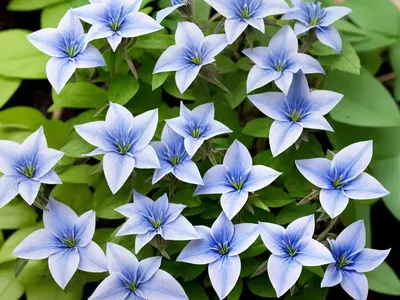
Lobelia siphilitica, commonly known as Great Blue Lobelia, is a magnificent native plant that belongs to the bellflower family Campanulaceae. This stunning.
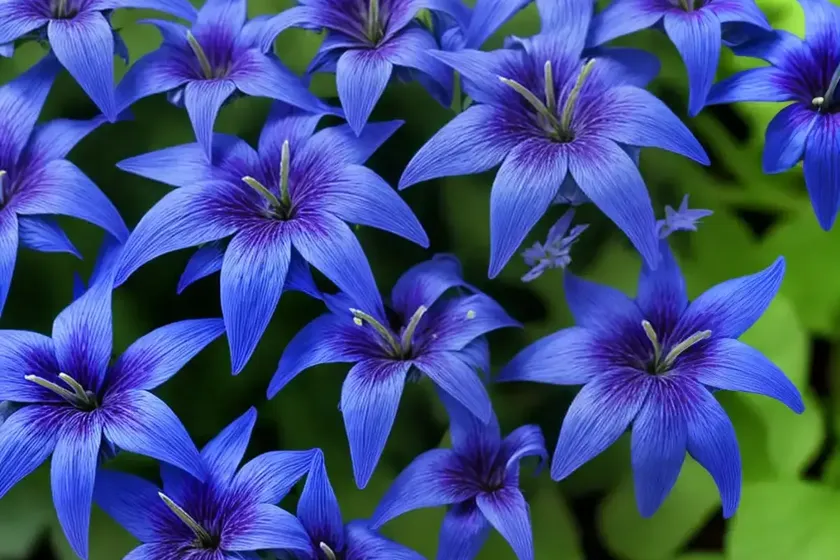
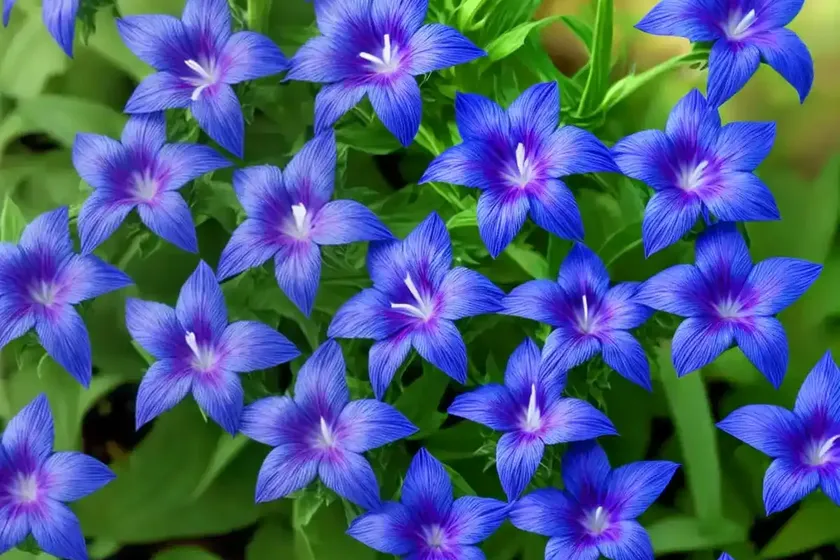
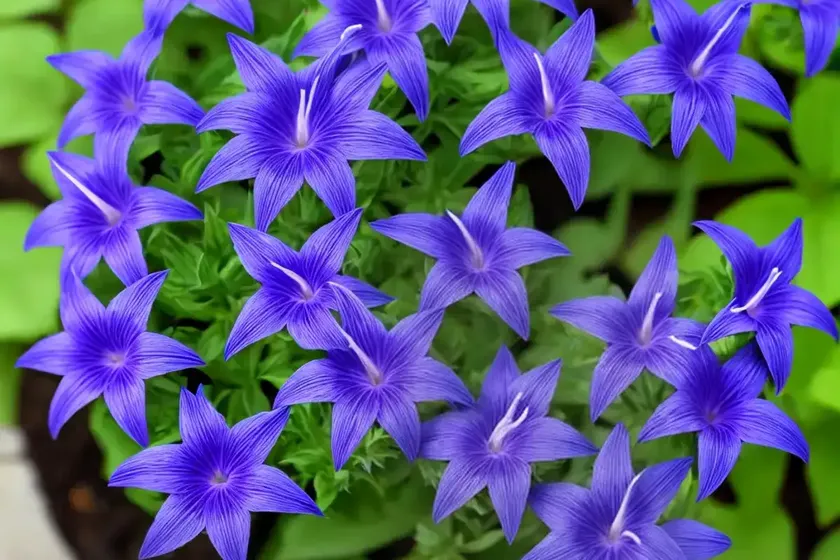
Lobelia siphilitica, commonly known as Great Blue Lobelia, is a magnificent native plant that belongs to the bellflower family Campanulaceae. This stunning plant is native to North America and is a favorite among gardeners for its vibrant blue flowers and its ability to attract pollinators. In this comprehensive guide, we will delve into the details of the Great Blue Lobelia’s culture, uses, care, and much more. Whether you are a seasoned gardener or just starting out, this article will provide you with the information you need to grow and care for this beautiful plant successfully.
Key Takeaways – Lobelia siphilitica (Great Blue Lobelia)
Before we dive into the specific aspects of Great Blue Lobelia, here are some key takeaways about this fascinating plant:
- Scientific Name: Lobelia siphilitica
- Common Name: Great Blue Lobelia
- Family: Campanulaceae
- Native Habitat: North America
- Uses: Landscaping, attracting pollinators, medicinal purposes
- Growing Conditions: Moist, well-draining soil, partial shade to full sun
- Special Features: Vibrant blue flowers, wildlife attraction, low maintenance
Now that we have a brief overview, let’s explore the various aspects of Lobelia siphilitica in detail.
What is Lobelia siphilitica (Great Blue Lobelia)?
Lobelia siphilitica, commonly known as Great Blue Lobelia, is a herbaceous perennial plant that typically grows in moist to wet locations. It is native to eastern and central North America and is known for its striking blue flowers that bloom from mid to late summer. The plant features alternate, lance-shaped leaves and produces upright spikes of tubular blue flowers that are highly attractive to pollinators like bees, butterflies, and hummingbirds.
In addition to its ornamental value, Great Blue Lobelia has been historically used in traditional medicine by Native American tribes for treating a variety of ailments. The plant contains alkaloids and has been utilized as a remedy for respiratory issues, muscle and joint pain, and as a mild sedative.
With its ecological importance, aesthetic appeal, and historical significance, Lobelia siphilitica is a plant that holds great value in both natural and cultivated settings.
Culture
Cultivating Lobelia siphilitica requires an understanding of its specific cultural requirements to ensure its optimal growth and blooming. Let’s delve into the cultural aspects of Great Blue Lobelia.
Water
Great Blue Lobelia thrives in consistently moist to wet soil conditions, making it an excellent choice for rain gardens, stream banks, and other wetland areas. When cultivated in regular garden beds, it is crucial to provide ample irrigation, especially during dry spells, to mimic its preferred habitat. However, it is equally essential to ensure that the soil has good drainage to prevent waterlogging, as excessive moisture can lead to root rot.
Sunlight
In terms of sunlight requirements, Lobelia siphilitica prefers partial shade to full sun. While it can tolerate some shade, providing it with at least 6 hours of direct sunlight will promote vigorous growth and abundant flowering. In hotter regions, providing some afternoon shade can be beneficial in preventing the plant from wilting due to excessive heat.
Soil
The ideal soil for Lobelia siphilitica is moist, fertile, and well-draining. It thrives in rich, humusy soils with a slightly acidic to neutral pH. When cultivating Great Blue Lobelia, incorporating organic matter such as compost or peat moss into the soil can enhance its moisture-retention capacity and provide essential nutrients for healthy growth.
{“1”: “Lobelia siphilitica care”, “2”: “Great Blue Lobelia plant”, “3”: “Lobelia siphilitica propagation”, “4”: “Growing Lobelia siphilitica”, “5”: “Lobelia siphilitica varieties”, “6”: “Great Blue Lobelia flowers”, “7”: “Lobelia siphilitica landscaping”, “8”: “Lobelia siphilitica medicinal uses”, “9”: “Great Blue Lobelia in gardens”, “10”: “Lobelia siphilitica planting tips”, “11”: “Lobelia siphilitica companion plants”, “12”: “Great Blue Lobelia hardiness”, “13”: “Lobelia siphilitica pruning”, “14”: “Lobelia siphilitica as a native plant”, “15”: “Great Blue Lobelia in pots”, “16”: “Lobelia siphilitica as a border plant”, “17”: “Lobelia siphilitica wildlife benefits”, “18”: “Great Blue Lobelia in wetlands”, “19”: “Lobelia siphilitica in flower arrangements”, “20”: “Lobelia siphilitica for pollinators”, “21”: “Great Blue Lobelia for attracting butterflies”, “22”: “Lobelia siphilitica in rock gardens”, “23”: “Lobelia siphilitica maintenance”, “24”: “Great Blue Lobelia for shade gardens”, “25”: “Lobelia siphilitica soil requirements”, “26”: “Lobelia siphilitica water needs”, “27”: “Great Blue Lobelia in wildflower gardens”, “28”: “Lobelia siphilitica bloom time”, “29”: “Lobelia siphilitica color variations”, “30”: “Great Blue Lobelia for erosion control”, “31”: “Lobelia siphilitica common problems”, “32”: “Lobelia siphilitica seeds”, “33”: “Great Blue Lobelia height”, “34”: “Lobelia siphilitica sun requirements”, “35”: “Lobelia siphilitica native habitat”, “36”: “Great Blue Lobelia as a border plant”, “37”: “Using Lobelia siphilitica in containers”, “38”: “Lobelia siphilitica attraction to hummingbirds”, “39”: “Lobelia siphilitica winter care”, “40”: “Great Blue Lobelia for water gardens”, “41”: “Lobelia siphilitica drug interactions”, “42”: “Growing Lobelia siphilitica from seed”, “43”: “Great Blue Lobelia landscape design”, “44”: “Lobelia siphilitica as a cut flower”, “45”: “Lobelia siphilitica container gardening”, “46”: “Great Blue Lobelia in mixed borders”, “47”: “Lobelia siphilitica wildlife habitat”, “48”: “Lobelia siphilitica for soil erosion”, “49”: “Great Blue Lobelia for wet areas”, “50”: “Lobelia siphilitica in natural landscaping”}
Uses
In addition to its ornamental value, Great Blue Lobelia has several uses, both in landscaping and traditional medicine. Let’s explore the various applications of Lobelia siphilitica.
Landscaping
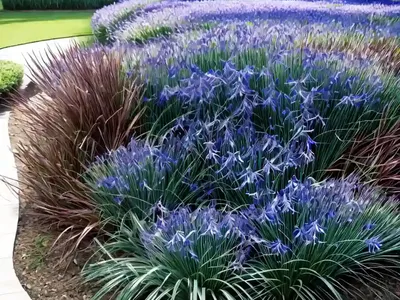
Great Blue Lobelia is highly valued in landscaping for its stunning display of blue flowers, which adds a pop of color to garden beds, borders, and naturalized areas. Its ability to thrive in moist or wet soil conditions also makes it well-suited for rain gardens, bog gardens, and waterside plantings. When used in landscaping, Lobelia siphilitica creates a striking focal point and provides an attractive backdrop for other flowering perennials.
Wildlife Benefits
The nectar-rich flowers of Lobelia siphilitica attract a wide array of pollinators, including bees, butterflies, and hummingbirds. This makes it a valuable addition to wildlife gardens and contributes to the overall health of local ecosystems by supporting pollinator populations.
Medicinal Uses
While its medicinal applications are not as widely practiced today, Lobelia siphilitica has historical significance in traditional herbal medicine. The plant contains alkaloids that have been used to treat respiratory conditions, muscle spasms, and as a mild sedative. However, it is important to note that the plant’s medicinal uses should only be explored under the guidance of a healthcare professional, as incorrect usage can lead to adverse effects.
Erosion Control
Due to its preference for moist soils, Great Blue Lobelia can be utilized in erosion control measures. Planting it along waterways, slopes, or areas prone to erosion can help stabilize the soil and prevent runoff, making it an environmentally beneficial choice for landscaping in such locations.
Fertilizer
When it comes to fertilizing Lobelia siphilitica, it is important to take a cautious approach. While the plant benefits from some supplemental nutrients, especially in less fertile soils, excessive fertilization can lead to excessive foliage growth at the expense of blooming. It is best to apply a balanced, slow-release fertilizer in early spring as new growth emerges, following the manufacturer’s instructions for application rates.
Pruning
Pruning Lobelia siphilitica is relatively simple, and it primarily involves removing spent flower spikes to encourage a prolonged blooming period. As the flowers start to fade, deadheading them not only keeps the plant looking tidy but also redirects its energy towards producing new blooms. Additionally, cutting back any overly vigorous or sprawling growth can help maintain a neat and compact appearance.
Propagation
Great Blue Lobelia can be propagated through both seeds and division, providing opportunities to expand your plantings or share it with other gardeners.
Seeds
Collecting seeds from mature flower spikes is a straightforward way to propagate Lobelia siphilitica. Once the seed pods have turned brown and dry, carefully collect the seeds and store them in a cool, dry place until the following spring. Sowing the seeds indoors in early spring or directly in the garden after the last frost can yield new plants with minimal effort.
Division
In early spring, dividing established clumps of Great Blue Lobelia can also be an effective means of propagation. Using a sharp, clean tool, carefully separate the rhizomes, ensuring that each division has a good portion of roots and healthy shoots. Replant the divisions in suitable locations, and they will quickly establish themselves, creating new clusters of vibrant blue flowers.
Container Popularity
Great Blue Lobelia’s striking appearance and adaptability to moist soil conditions make it an excellent choice for container gardening. Whether used as a standalone specimen in a decorative pot or included in mixed container plantings, it adds a burst of color and attracts pollinators to balconies, patios, and other outdoor spaces. When grown in containers, it is crucial to ensure consistent moisture and provide adequate support to prevent the plants from toppling over due to their height.
Common Diseases
While Lobelia siphilitica is generally resilient, it can be susceptible to certain diseases and issues that are important to be aware of for effective management and prevention.
Downy Mildew
One of the most common diseases that affect Lobelia siphilitica is downy mildew, which manifests as a grayish-white fungal growth on the leaves. This condition often occurs in humid and poorly ventilated environments, and it can lead to leaf yellowing and defoliation if left untreated. To prevent downy mildew, ensure good air circulation around the plants, avoid overhead watering, and promptly remove and dispose of infected plant material.
Root Rot
Excessive moisture or poorly draining soil can cause root rot in Great Blue Lobelia, leading to wilting, yellowing of foliage, and overall decline in plant health. To prevent this issue, ensure that the soil is well-draining and avoid overwatering. If root rot is suspected, carefully lift the plant from the soil to inspect the roots, and consider replanting in an amended, well-draining medium if necessary.
Botrytis Blight
Botrytis blight, caused by the Botrytis cinerea fungus, is another potential concern for Lobelia siphilitica, particularly in damp and cool conditions. This disease presents as gray mold on the plant’s stems and flowers, leading to tissue decay and a decline in overall vigor. Pruning to improve airflow, avoiding overhead watering, and promptly removing any affected plant parts can help prevent the spread of Botrytis blight.
Disease Diagnosis
Diagnosing diseases in Lobelia siphilitica involves careful observation of the plant’s symptoms and characteristics associated with specific ailments. By closely monitoring the foliage, stems, and flowers, gardeners can identify abnormalities and seek appropriate remedies or preventive measures.
Leaf Discoloration
Yellowing, browning, or mottling of leaves can indicate various issues such as nutrient deficiencies, pest damage, or diseases like downy mildew or root rot. Examining the affected foliage and considering environmental factors can aid in diagnosing the underlying cause of leaf discoloration.
Fungal Growth
The presence of powdery or fuzzy fungal growth on the plant’s surfaces, particularly in humid conditions, may suggest diseases like downy mildew or Botrytis blight. Taking note of the specific characteristics of the fungal growth and its impact on the plant can help in accurate diagnosis and targeted treatment.
Stem and Flower Abnormalities
Inspecting the stems and flowers for signs of wilting, discoloration, or tissue decay can provide valuable clues about potential diseases such as root rot, Botrytis blight, or other fungal infections. Identifying such abnormalities early on can facilitate prompt intervention to mitigate the spread of the disease.
Common Pests
While generally resilient, Lobelia siphilitica can occasionally fall victim to pest infestations that may impact its growth and flowering. Here are some of the common pests that can affect Great Blue Lobelia:
Aphids
Aphids, small insects that feed on plant sap, can appear on the tender new growth of Great Blue Lobelia, causing distortion and stunting of the affected plant parts. They can often be found congregating on the undersides of leaves and along the stems. Natural predators, such as ladybugs and lacewings, can help control aphid populations, and a strong blast of water or insecticidal soap can be used to dislodge and manage these pests.
Slugs and Snails
In moist environments, slugs and snails can feed on the foliage and flowers of Lobelia siphilitica, leading to unsightly damage. To protect the plants from these pests, creating physical barriers with copper tape or diatomaceous earth around the base of the plants can be effective. Additionally, handpicking the pests during evening hours when they are most active can help reduce their numbers.
Japanese Beetles
Japanese beetles are known to feed on the foliage and flowers of a wide range of plants, including Great Blue Lobelia. Handpicking the beetles and their larvae, or using pheromone traps, can aid in reducing their impact on the plants. However, it is important to avoid using chemical pesticides that can harm non-target beneficial insects.
Botanist’s Tips
As a plant scientist, I have a few tips to ensure the successful cultivation and enjoyment of Lobelia siphilitica in your garden or landscape.
Site Selection
When selecting a location for planting Great Blue Lobelia, opt for areas with rich, consistently moist soils and partial shade to full sun exposure. By providing it with suitable growing conditions from the outset, you can encourage strong, healthy growth and prolific flowering.
Mulching
Applying a layer of organic mulch around the base of Lobelia siphilitica can help retain soil moisture, regulate temperature, and suppress weeds. Mulching also mimics the natural leaf litter that the plant would experience in its native habitat, creating a favorable environment for its roots and overall health.
Wildlife Gardening
Incorporating Great Blue Lobelia into wildlife-friendly gardens can contribute to the conservation of pollinators and other beneficial insects. By creating a diverse and ecologically supportive garden, you can enhance the overall resilience and biodiversity of the local ecosystem.
Prudent Watering
While Lobelia siphilitica prefers moist soils, it is important to avoid overwatering, especially in poorly draining or waterlogged conditions. Strive to strike a balance by keeping the soil consistently moist without allowing it to become excessively wet, as this can lead to root rot and other issues.
Monitoring and Maintenance
Regularly monitoring the plant for signs of diseases, pests, or any cultural issues can help in early intervention and ensuring the long-term vitality of Great Blue Lobelia. Additionally, staying proactive with maintenance tasks such as deadheading, pruning, and soil amendment will contribute to the plant’s overall well-being.
Fun Facts
To conclude our exploration of Lobelia siphilitica, here are a few fun and fascinating facts about this remarkable plant:
-
The species name “siphilitica” is derived from the erroneous belief that Native American tribes used the plant to treat syphilis, leading to its historical use in herbal medicine for such purposes. However, there is no botanical or clinical evidence to support this claim, and it is crucial to approach the plant’s medicinal uses with caution and skepticism.
-
Great Blue Lobelia’s striking blue flowers are not only visually captivating but also serve as an important source of nectar for pollinators like bees and hummingbirds, contributing to the ecological health of the local environment.
-
In addition to its traditional uses, Lobelia siphilitica has found its way into contemporary landscape designs and gardens, where its vibrant blooms bring a touch of natural beauty and wildlife interest.
Conclusion
From its captivating blue flowers to its ecological significance, Great Blue Lobelia stands as a magnificent native plant that offers numerous benefits in gardens, landscapes, and natural ecosystems. By understanding its cultural requirements, applications, and maintenance, gardeners can cultivate and appreciate this species while contributing to the conservation of native flora and pollinator populations.
I hope this comprehensive guide has provided you with valuable insights into Lobelia siphilitica and inspired you to incorporate this stunning plant into your gardening endeavors. Whether you are drawn to its vibrant blooms, its ecological contributions, or its historical legacy, Great Blue Lobelia is truly a plant that has much to offer to both nature enthusiasts and gardeners alike.
Thank you for joining me on this exploration of Lobelia siphilitica, and may your gardening adventures continue to blossom with beauty and vitality.
For further information and details, you can refer to the following external resources: