Mimulus Primuloides (Primrose Monkey Flower)
Mimulus primuloides, commonly known as Primrose Monkey Flower, is a captivating and versatile plant that holds both ornamental and ecological significance.
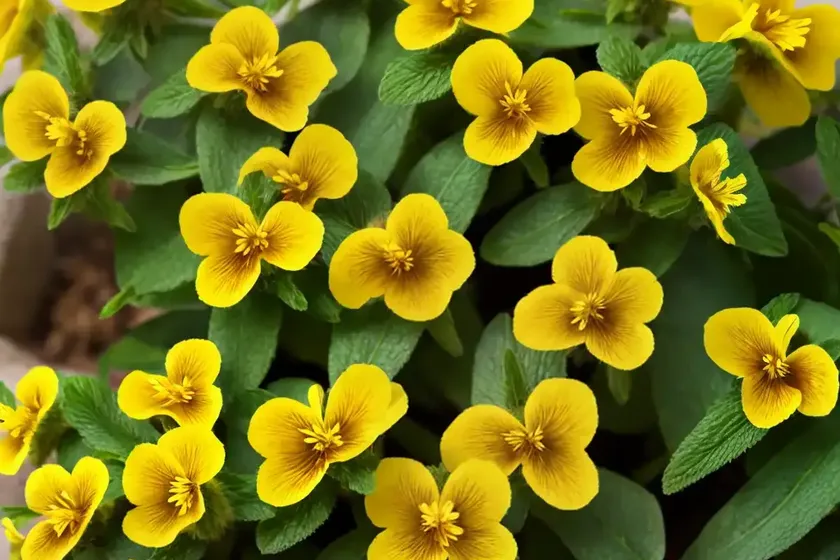
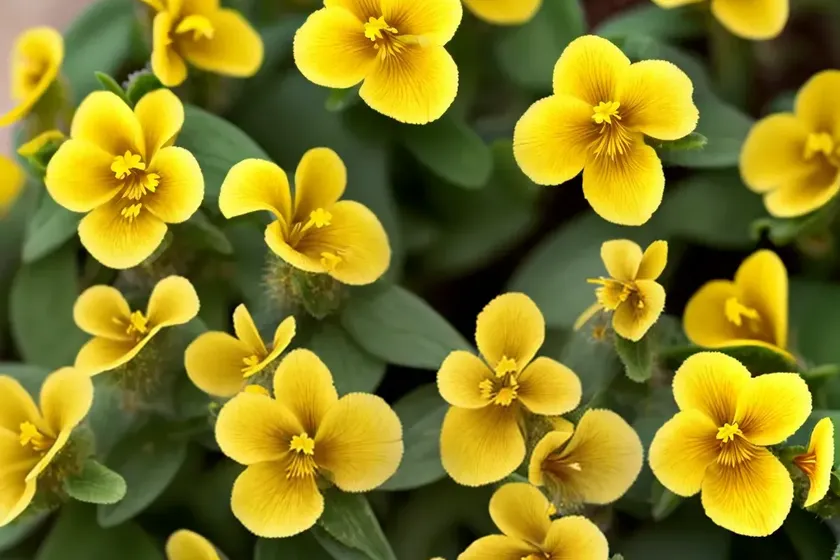
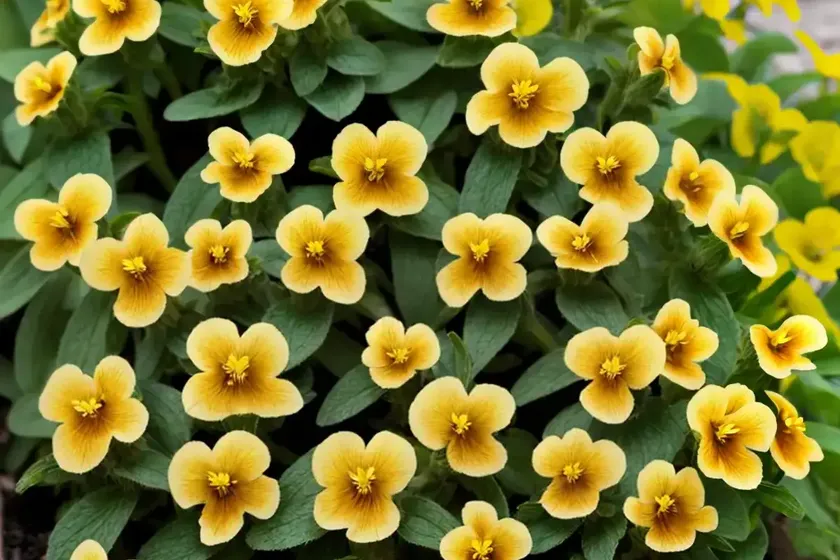
Mimulus primuloides, commonly known as Primrose Monkey Flower, is a captivating and versatile plant that holds both ornamental and ecological significance. This comprehensive guide will provide valuable insights into the culture, uses, care tips, and other important aspects of this remarkable species.
What is Mimulus Primuloides?
Mimulus primuloides, belonging to the family Phrymaceae, is a charming perennial herb renowned for its delicate, tubular flowers that come in various shades of yellow, including pale primrose yellow. This native North American plant can be found in moist meadows, along stream banks, and in other habitats with rich, damp soil.
The Primrose Monkey Flower boasts unique characteristics, making it a sought-after addition to gardens, natural landscapes, and even indoor spaces. Let’s delve into the key takeaways that will further enhance your understanding and appreciation of this fascinating plant.
Key Takeaways – Mimulus Primuloides (Primrose Monkey Flower)
Culture
Uses
The Mimulus primuloides is a versatile plant that serves several essential purposes, including:
- Ornamental Use: Its stunning blooms add vibrant color to gardens, borders, and natural landscapes.
- Wildlife Habitat: The plant provides nectar and habitat for pollinators such as bees and hummingbirds.
Water
Primrose Monkey Flowers thrive in consistently moist soil conditions. Adequate watering is necessary to support healthy growth and prolific flowering.
- Watering Needs: Regular, deep watering is essential, especially during periods of intense heat or drought.
Sunlight
The Mimulus primuloides exhibits distinct sunlight requirements for optimal growth and bloom production.
- Sun Exposure: Prefers partial shade to full sun, especially in regions with hot summers.
Fertilizer
Proper fertilization practices are crucial for maximizing the growth and flowering potential of the Primrose Monkey Flower.
- Fertilizer Application: Use a balanced, water-soluble fertilizer during the growing season to enhance overall vigor and bloom production.
Soil
The choice of soil directly impacts the plant’s health and performance, making it imperative to select an appropriate growing medium.
- Soil Type: Well-draining, humus-rich soil with adequate moisture retention capabilities is ideal for Mimulus primuloides.
Pruning
Strategic pruning and maintenance practices contribute to the plant’s overall appearance and longevity.
- Pruning Techniques: Regular deadheading of spent blooms promotes continuous flowering and a tidy aesthetic.
Propagation
The propagation of Mimulus primuloides allows for the expansion of its presence in diverse garden settings and natural habitats.
- Propagation Methods: The plant can be propagated from seeds or stem cuttings with relative ease.
Container Popularity
Primrose Monkey Flowers thrive in container environments, offering a delightful option for indoor and outdoor cultivation.
- Container Gardening: Suitable for growing in containers, providing versatility for various gardening spaces.
Common Diseases
Understanding potential diseases and implementing preventive measures is essential for maintaining the plant’s health.
- Disease Prevention: Adequate air circulation and proper watering practices are critical in preventing fungal issues.
Common Pests
Vigilance against common pests helps safeguard the Primrose Monkey Flower from detrimental infestations.
- Pest Control: Regular inspection and early intervention are crucial for managing common pests such as aphids and spider mites.
Botanist’s Tips
Insights from botanists and experienced growers offer valuable guidance for cultivating Mimulus primuloides successfully.
- Expert Advice: Enrich your plant care approach by incorporating tips and recommendations from seasoned botanists and horticulturists.
Fun Facts
Exploring intriguing facts about the Primrose Monkey Flower adds an element of fascination to its overall appeal.
- Intriguing Traits: Discover unique features and historical significance associated with Mimulus primuloides.
Primrose Monkey Flower – Planting and Care Tips
Understanding the specific requirements for growing and caring for Mimulus primuloides is crucial for achieving optimal results. Let’s explore detailed insights into each aspect of its cultivation.
Planting Guide
When cultivating Mimulus primuloides, consider the following planting guidelines to ensure successful establishment and growth:
- Planting Time: Optimal planting time is during early spring or fall to allow the roots to establish before extreme weather conditions.
- Spacing: Provide adequate spacing of around 12-18 inches between individual plants to accommodate their mature size.
- Soil Preparation: Amend the soil with organic matter to improve drainage and fertility, creating an ideal growing environment for the Primrose Monkey Flower.
Characteristics and Features
Understanding the distinct characteristics and features of Mimulus primuloides enriches the overall cultivation experience.
- Blooming Season: The plant typically blooms from late spring to early summer, showcasing its delightful yellow flowers.
- Sun Requirements: Partial shade to full sun exposure is recommended, especially in regions with intense sunlight and heat.
- Soil Type: Well-draining, moisture-retentive soil with a slightly acidic to neutral pH is ideal for optimal growth.
Growing Conditions
Creating favorable growing conditions is essential for nurturing healthy, vigorous Primrose Monkey Flowers.
- Moisture: Consistently moist soil is crucial, especially for plants grown in sunnier locations or regions with limited rainfall.
- Temperature: Thrives in moderate to cool temperatures, making it well-suited for various climate zones.
Companion Plants
Strategic companionship with other plant species can enhance the overall aesthetic appeal and ecological value of the garden or landscape.
- Companion Planting: Select compatible plant species that complement the growth habits and environmental needs of Mimulus primuloides.
Wildlife-Friendly Garden
The inclusion of Primrose Monkey Flowers in wildlife-friendly gardens contributes to the preservation of essential pollinator habitats.
- Pollinator Attraction: The plant’s nectar-rich blooms attract bees, butterflies, and hummingbirds, fostering biodiversity within the garden.
Disease Prevention and Pest Control
Proactive measures for disease prevention and pest control are vital for maintaining the plant’s health and appearance.
- Pruning Techniques: Regular pruning of faded blooms and damaged foliage minimizes disease susceptibility and maintains plant vigor.
- Integrated Pest Management: Implement holistic pest management strategies to address potential pest issues while minimizing environmental impact.
Winter Care and Hardiness
Preparing Mimulus primuloides for the winter season and ensuring its hardiness in cooler climates are essential considerations for long-term plant health.
- Winter Protection: Provide a layer of mulch to insulate the roots and protect the plant from extreme temperature fluctuations.
- Hardiness Zones: The plant exhibits suitable hardiness in specific USDA Hardiness Zones, indicating its adaptability to varying climatic conditions.
Mimulus Primuloides – Ecological Significance and Cultural Uses
The ecological and cultural significance of Mimulus primuloides extends beyond its ornamental appeal, encompassing various traditional, medicinal, and symbolic associations.
Wildlife Habitat and Conservation
The inclusion of Primrose Monkey Flowers in natural landscapes and restoration projects contributes to habitat preservation and ecological diversity.
- Habitat Restoration: Utilize Mimulus primuloides in wetland restoration and conservation initiatives to enhance biodiversity and ecological resilience.
- Pollinator Support: The plant’s nectar resources play a crucial role in sustaining essential pollinator populations, including bees and hummingbirds.
Medicinal Properties and Folklore
Exploring the plant’s historical uses and traditional folk remedies reveals its cultural significance and medicinal potential.
- Traditional Uses: Historical applications in indigenous medicine and folk remedies highlight the plant’s therapeutic properties and cultural value.
- Folklore and Symbolism: Discover symbolic associations and cultural significance attributed to the Primrose Monkey Flower across different cultural contexts.
Flower Arrangement and Color Variations
The vibrant blooms of Mimulus primuloides inspire creative possibilities for floral arrangements and design concepts.
- Color Variations: Explore the diverse shades of yellow and potential color variations showcased by the plant’s blossoms.
- Floral Design: Incorporate Primrose Monkey Flowers into floral arrangements to infuse natural charm and vibrant color into indoor spaces.
Gardening Applications and Design
The versatile nature of Primrose Monkey Flowers offers diverse applications in garden design and landscaping concepts.
- Rock Gardens: Create captivating rock garden displays featuring the plant’s vibrant blooms and compact growth habit.
- Pollinator Gardens: Design and establish pollinator-friendly gardens using Mimulus primuloides to attract and support essential pollinator species.
Sustainable Gardening and Eco-Friendly Practices
Incorporating Mimulus primuloides into sustainable gardening approaches aligns with eco-friendly principles and biodiversity conservation.
- Eco-Friendly Planting: Utilize native plant species such as Primrose Monkey Flowers to promote ecologically sound gardening practices.
- Pollinator Support: Contribute to pollinator conservation efforts by providing essential nectar resources through the cultivation of Mimulus primuloides.
Attracting Butterflies and Hummingbirds
The nectar-rich blooms of the Primrose Monkey Flower serve as a magnet for graceful butterflies and enchanting hummingbirds.
- Butterfly Attraction: Create enchanting butterfly gardens featuring the plant’s alluring blossoms and vital nectar sources.
- Hummingbird Appeal: Incorporate Mimulus primuloides into hummingbird-friendly plantings to attract and support these charismatic avian visitors.
Low-Maintenance and Ornamental Appeal
The low-maintenance nature and ornamental charm of Primrose Monkey Flowers make them an ideal addition to various garden settings.
- Minimal Care Requirements: With proper siting and basic care, the plant thrives with minimal intervention, making it suitable for low-maintenance landscapes.
- Ornamental Significance: The striking blooms and distinctive foliage contribute to the plant’s ornamental value in garden beds, borders, and containers.
Conclusion
Mimulus primuloides, or the Primrose Monkey Flower, embodies a captivating blend of ornamental allure and ecological significance, making it a cherished component of diverse gardening and conservation endeavors. By incorporating the insights and recommendations presented in this comprehensive guide, enthusiasts and horticulturalists can cultivate, appreciate, and celebrate the unique charms of this remarkable plant species.
Click here for additional resources and detailed information on Primrose Monkey Flower.


