Spanish Broom (Spartium junceum) – A Comprehensive Guide
As a plant scientist, I am thrilled to share with you an in-depth look at one of the most fascinating plants – the Spanish broom (Spartium junceum). This article will cover everything you need to know about this beautiful shrub, including its characteristics, cultivation, uses, and much more.
What is Plant: Spanish Broom (Spartium junceum)
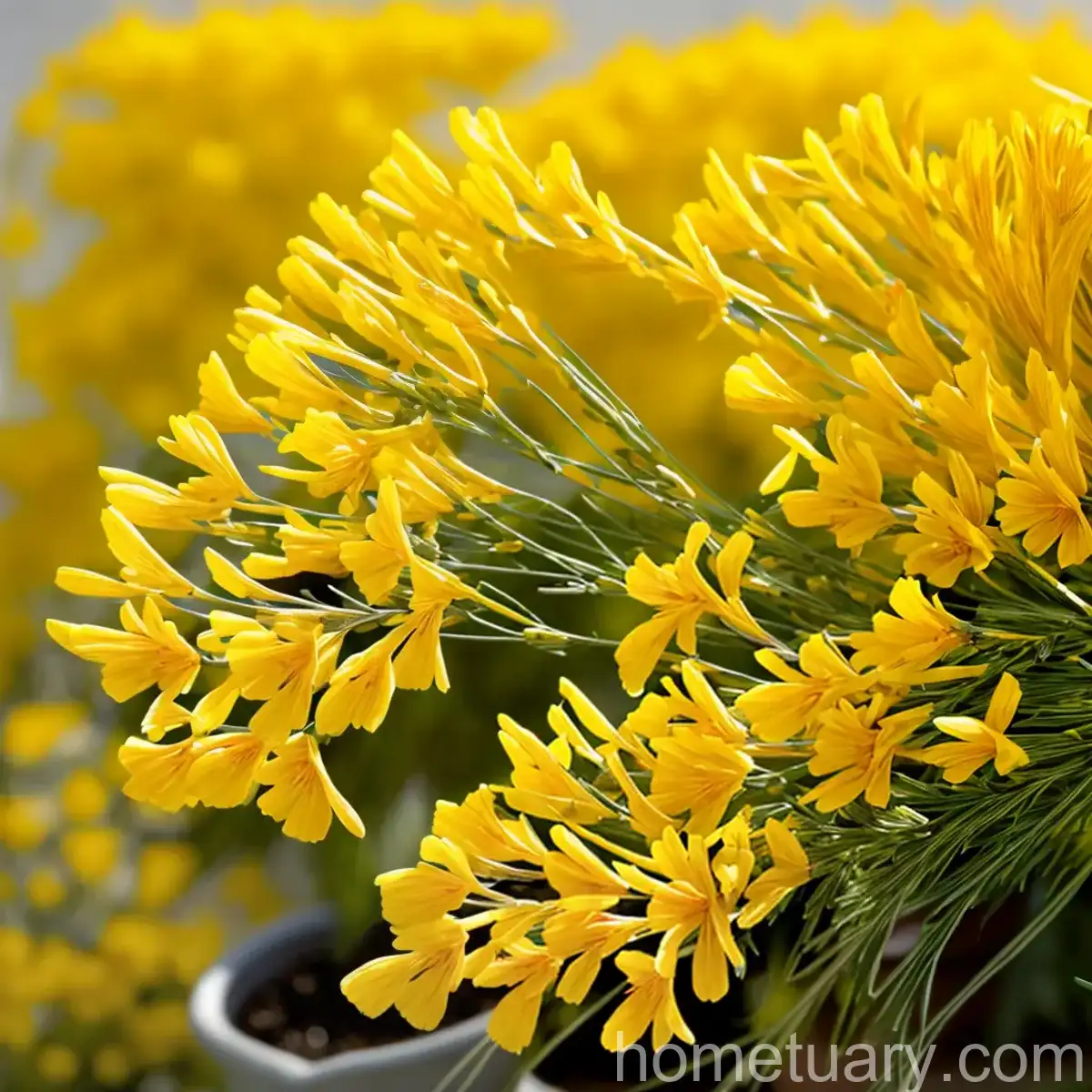
The Spanish broom, scientifically known as Spartium junceum, is a flowering plant that belongs to the Fabaceae family. It is a deciduous perennial shrub native to the Mediterranean region, including parts of Europe, North Africa, and the Middle East. The plant is characterized by its vibrant yellow flowers and slender green stems, making it a popular choice for ornamental and landscaping purposes.

Key Takeaways – Spanish Broom (Spartium junceum)
Before we delve into the intricate details of Spanish broom, let’s take a quick look at the key takeaways associated with this plant:
- Scientific Name: Spartium junceum
- Family: Fabaceae
- Native Habitat: Mediterranean region
- Flowering Season: Spring to early summer
- Water Requirements: Moderate
- Sunlight: Full sun
- Soil pH: Neutral to slightly acidic
- Uses: Ornamental, erosion control, nitrogen fixation
- Common Pests: Aphids, spider mites
- Pruning: Best done after flowering season
- Propagation: Seeds, cuttings
Now, let’s explore each of these aspects in detail.
Cultivation
Uses
The Spanish broom holds diverse uses, making it a versatile plant for various applications:
- Ornamental: Its vibrant yellow flowers and graceful foliage make it a popular choice as an ornamental plant in gardens and landscapes.
- Erosion Control: With its extensive root system, Spanish broom helps stabilize soil on sloping landscapes, preventing erosion.
- Nitrogen Fixation: Like other leguminous plants, Spanish broom has the ability to fix nitrogen in the soil, improving its fertility and benefiting neighboring plants.
Water
Spanish broom is a relatively drought-tolerant plant, particularly once established. However, it does benefit from occasional watering, especially during prolonged dry spells. It’s important to provide adequate moisture, particularly during its initial establishment phase and during periods of extreme heat.
Sunlight
Full sunlight is essential for the healthy growth and abundant flowering of Spanish broom. It thrives in bright, sunny locations and may not perform well in shaded areas.
Fertilizer
When it comes to fertilization, Spanish broom is not particularly demanding. However, you can apply a balanced, slow-release fertilizer in spring to support its growth and flowering. Avoid excessive use of nitrogen-rich fertilizers, as it may inhibit its nitrogen-fixing ability.
Soil
Spanish broom thrives in well-draining, moderately fertile soil. While it can tolerate a range of soil types, it prefers slightly acidic to neutral pH levels. Amending heavy clay soils with organic matter can improve drainage and overall soil quality.
Pruning
Pruning Spanish broom is best done after its flowering season, typically in late spring or early summer. This approach allows you to shape the shrub, remove any dead or damaged growth, and promote a more compact, tidy appearance. When pruning, ensure that you use clean, sharp tools to make precise cuts without causing unnecessary damage to the plant.
Propagation
Spanish broom can be propagated through both seeds and cuttings. Seeds can be sown in the fall or spring, while softwood or hardwood cuttings can be taken from mature plants and rooted in a well-draining media. It’s worth noting that Spanish broom grown from seed may take a few years to reach maturity and start producing flowers.
Container Popularity
While Spanish broom is commonly grown in garden beds and landscapes, it can also thrive in containers, making it a versatile choice for those with limited garden space. When grown in containers, ensure that they provide adequate drainage and use a well-balanced potting mix to support healthy growth.
Container Common Diseases
Spanish broom, when grown in containers, may be susceptible to a few common diseases, including:
- Root Rot: This can occur when the soil is consistently waterlogged, leading to rotting of the roots. Proper drainage and appropriate watering practices can help prevent this issue.
- Powdery Mildew: Fungal disease that appears as powdery white patches on the foliage. Good air circulation and prompt treatment with fungicides can help manage this disease.
Disease Diagnosis
It’s important to monitor your Spanish broom for any signs of disease, such as unusual spots, discoloration, or stunted growth. Early diagnosis and intervention can help prevent the spread of diseases and maintain the plant’s health.
Common Pests
While generally resilient, Spanish broom may encounter certain pests, including:
- Aphids: These small, sap-sucking insects can distort new growth and excrete a sticky substance known as honeydew. Regular inspection and insecticidal soap applications can help manage aphid populations.
- Spider Mites: These tiny arachnids can cause stippling and webbing on the leaves. Spraying the plant with water and applying horticultural oil can help control spider mite infestations.
Botanist’s Tips
To ensure the optimal growth and performance of your Spanish broom, consider the following tips:
- Regular Monitoring: Keep an eye on your Spanish broom for any signs of stress, disease, or pest infestations. Early detection can prevent potential issues from escalating.
- Proper Pruning: When pruning your Spanish broom, aim to maintain a balanced shape while removing any dead or crowded growth. This practice encourages healthy regrowth and abundant flowering.
Fun Facts
To further appreciate the allure of Spanish broom, here are a few fun facts about this remarkable plant:
- The flowers of Spanish broom are not only visually striking but also emit a subtle, sweet fragrance, adding to its overall appeal in garden settings.
- While Spanish broom is celebrated for its ornamental value, it also plays a valuable ecological role by contributing to soil fertility through nitrogen fixation.
Links to External Resources
To expand your knowledge and appreciation of Spanish broom, I highly recommend exploring the following resources:
- Spanish Broom – Plant Profile and Landscaping Uses
- Growing Spanish Broom in Container Gardens
- Medicinal Properties and Traditional Uses of Spanish Broom
Conclusion
In conclusion, the Spanish broom (Spartium junceum) is a captivating and versatile plant that brings both aesthetic and ecological benefits to garden spaces and landscapes. By understanding its unique characteristics, optimal care, and diverse uses, you can fully appreciate the value of this remarkable shrub. Whether you’re seeking a vibrant ornamental addition or a functional plant for erosion control and soil improvement, Spanish broom stands out as an exceptional choice for a range of gardening and landscaping applications.
I hope this comprehensive guide has provided you with valuable insights into the world of Spanish broom, equipping you with the knowledge to cultivate and enjoy this remarkable plant to its fullest potential. Happy gardening!