Michaelmas Daisy (Aster Amellus): A Complete Guide
In the world of gardening, the Michaelmas Daisy, scientifically known as Aster Amellus, holds a special place. This beautiful perennial plant has a rich cultural history and an impressive array of uses, making it a popular choice for gardeners around the world. In this comprehensive guide, we will explore everything there is to know about the Michaelmas Daisy, from its cultural significance to its specific care requirements. Whether you are a seasoned gardener or just starting out, this guide will provide you with the knowledge and tips you need to cultivate and care for this stunning plant.
What is Plant: Michaelmas Daisy (Aster Amellus)
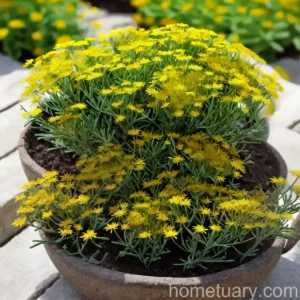
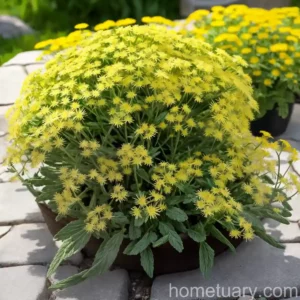
The Michaelmas Daisy, known by its scientific name Aster Amellus, is a member of the Asteraceae family. This perennial herbaceous plant is native to the mountainous regions of Europe, where it thrives in the wild. It is characterized by its delicate daisy-like flowers, which come in an array of colors, including shades of blue, purple, pink, and white. The botanical name “Aster” is derived from the Greek word for “star,” which aptly describes the shape and appearance of its flowers.
The Michaelmas Daisy holds cultural significance and has been celebrated for centuries. Its common name is derived from the feast of St. Michael the Archangel, which falls on September 29th. This timing aligns with the peak blooming period of the Michaelmas Daisy, making it a symbolic and fitting flower for this occasion. The plant’s association with this feast has contributed to its popularity and historical significance in gardens and folklore.
Key Takeaways – Michaelmas Daisy (Aster Amellus)
Before delving into the specific aspects of Michaelmas Daisy care and cultivation, let’s provide an overview of the key takeaways related to this stunning plant:
- Botanical Name: Aster Amellus
- Common Name: Michaelmas Daisy
- Family: Asteraceae
- Native Habitat: Mountainous regions of Europe
- Cultural Significance: Linked to the feast of St. Michael the Archangel
- Flower Colors: Blue, purple, pink, white
- Blooming Period: Typically blooms in late summer to early fall
- Uses: Ornamental, medicinal, folklore significance
Now that we have a general understanding of the Michaelmas Daisy, let’s explore the specific aspects of its care and cultivation, including its cultural significance, uses, and specific requirements for growth and maintenance.
Culture
Uses
The Michaelmas Daisy holds significance beyond its ornamental beauty. It has been utilized for various purposes, including ornamental gardening, medicinal applications, and as a symbol in folklore and cultural traditions.
Ornamental Use
The primary use of the Michaelmas Daisy is ornamental. Its delicate and vibrant flowers make it an excellent choice for adding color and visual interest to gardens, borders, and other landscaped areas. The plant’s long-lasting blooms and relatively low maintenance requirements make it a favored choice for both amateur and experienced gardeners.
Medicinal Applications
In addition to its ornamental appeal, the Michaelmas Daisy has been historically used for medicinal purposes. Some traditional herbal remedies have incorporated extracts from the plant for treating certain ailments. While its modern medicinal use is less common, the plant’s historical significance in herbal medicine is noteworthy.
Folklore and Cultural Significance
The Michaelmas Daisy has also been steeped in folklore and cultural traditions. It is associated with the feast of St. Michael the Archangel and has been used in various cultural and religious rituals. Its symbolism in folklore varies across different regions, with some attributing it to themes of protection, hope, and positive energy.
Water
Providing the appropriate amount of water is crucial for the health and vigor of the Michaelmas Daisy. Understanding the plant’s water requirements and implementing proper watering practices will contribute to its overall well-being.
Sunlight
Like many flowering plants, the Michaelmas Daisy thrives in ample sunlight. Understanding its sunlight needs and providing the appropriate light conditions are essential for ensuring optimal growth and blooming.
Fertilizer
Fertilization plays a vital role in providing the necessary nutrients for the Michaelmas Daisy to thrive. Understanding the plant’s fertilizer requirements and implementing a proper fertilization regimen will promote healthy growth and abundant flowering.
Soil
The soil composition and quality play a significant role in the overall health and vitality of the Michaelmas Daisy. Understanding the plant’s soil requirements and ensuring proper soil preparation are crucial for successful cultivation.
Pruning
Pruning is a key maintenance practice that helps to promote the health, appearance, and longevity of the Michaelmas Daisy. Understanding the plant’s pruning needs and employing proper pruning techniques will contribute to its overall well-being.
Propagation
Propagation methods enable gardeners to propagate and expand their stock of the Michaelmas Daisy. Understanding the various propagation techniques and implementing them effectively will allow for the successful reproduction of the plant.
Container
Cultivating the Michaelmas Daisy in containers offers unique opportunities and challenges. Understanding the specific considerations for container gardening and implementing appropriate strategies will enable successful container cultivation of the plant.
Popularity
The popularity of the Michaelmas Daisy is driven by its ornamental beauty, cultural significance, and relatively low maintenance requirements. Understanding the factors contributing to its popularity will provide insight into its widespread appeal among gardeners.
Common Diseases
The Michaelmas Daisy, like any plant, is susceptible to certain diseases that can affect its overall health and vigor. Identifying common diseases and understanding disease management strategies are essential for preserving the well-being of the plant.
Disease Diagnosis
Accurately diagnosing diseases affecting the Michaelmas Daisy is crucial for implementing effective treatment and prevention measures. Understanding the symptoms and characteristics of common plant diseases will facilitate prompt and targeted responses.
Common Pests
Pests pose a significant threat to the health and vitality of the Michaelmas Daisy. Recognizing common pests and implementing appropriate pest control measures are vital for protecting the plant from potential damage.
Botanist’s Tips
Expert insights and practical tips from botanists can offer valuable guidance for successfully cultivating and caring for the Michaelmas Daisy. Incorporating botanist’s tips into your gardening practices will contribute to the plant’s overall health and longevity.
Fun Facts
Exploring intriguing and lesser-known facts about the Michaelmas Daisy adds depth to our understanding of this remarkable plant. Uncovering fun facts about the plant’s history, features, and uses provides a richer appreciation of its significance.
Links to External Resources
To further expand your knowledge of the Michaelmas Daisy and its cultivation, we have curated a selection of external resources that offer valuable insights and practical guidance:
- The Royal Horticultural Society (RHS) Guide to Growing Asters
- University of Maryland Extension: Michaelmas Daisy
- Missouri Botanical Garden: Aster Amellus
- American Meadows: Growing Michaelmas Daisy
With these resources, you can further explore the world of the Michaelmas Daisy and deepen your understanding of its cultivation, uses, and significance.
In conclusion, the Michaelmas Daisy (Aster Amellus) is a captivating and versatile plant that has captured the admiration of gardeners, botanists, and cultural enthusiasts alike. Its ornamental beauty, cultural significance, and historical allure make it a plant of enduring appeal. By embracing its unique characteristics and understanding its specific care requirements, you can cultivate and enjoy the splendor of the Michaelmas Daisy in your own garden. Whether you are drawn to its folklore, medicinal properties, or simply its vibrant blooms, the Michaelmas Daisy holds a special place in the world of horticulture and cultural traditions.