Pericallis (Pericallis)
Pericallis, often referred to as “Florist’s Cineraria” or “Cineraria,” is a genus of flowering plants native to the Canary Islands, belonging to the family.
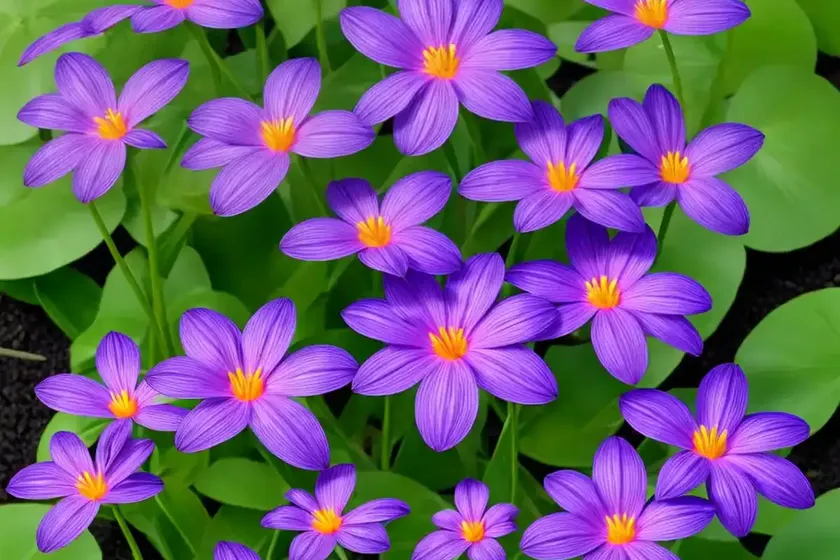
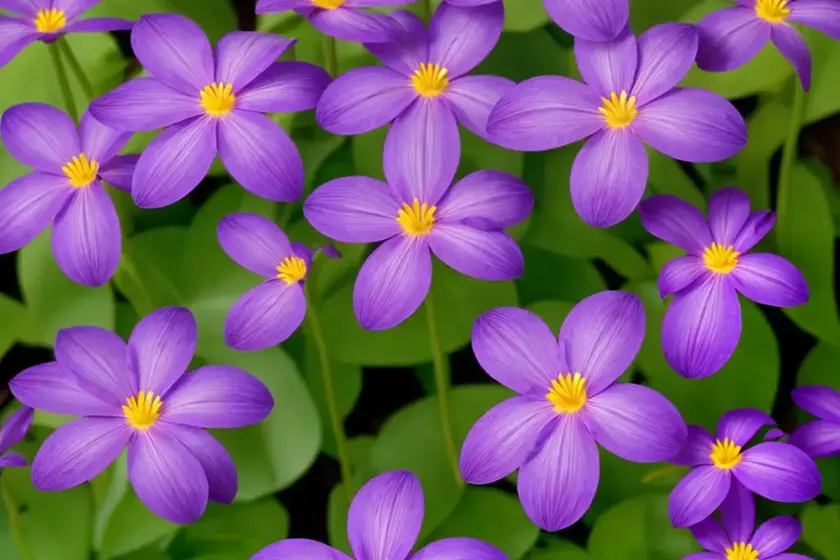
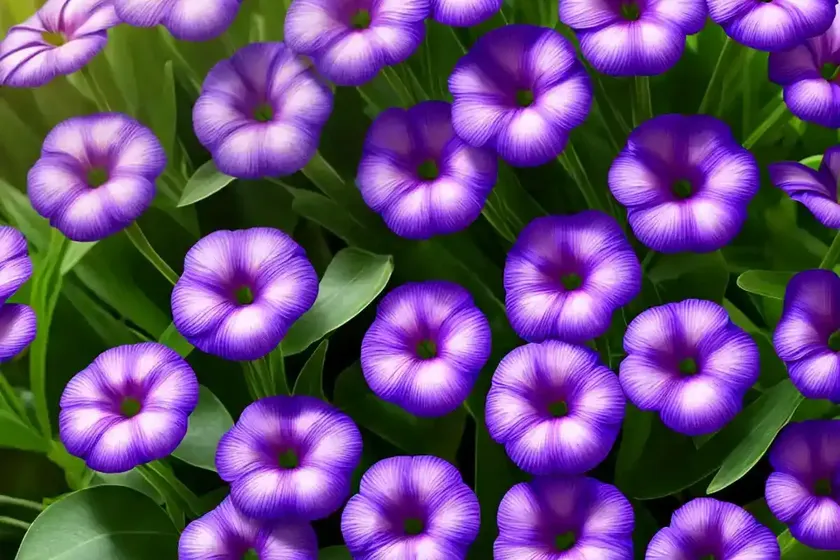
Pericallis, often referred to as “Florist’s Cineraria” or “Cineraria,” is a genus of flowering plants native to the Canary Islands, belonging to the family Asteraceae. These stunning plants are renowned for their vibrant and colorful daisy-like flowers, which can illuminate any indoor or outdoor setting. With proper care and attention, Pericallis can thrive and make for a stunning addition to any garden or living space.
In this comprehensive guide, we will delve into the intricacies of Pericallis plant care, addressing various aspects such as cultivation, maintenance, diseases, pests, and much more. Whether you’re a seasoned plant enthusiast or a novice gardener, this guide will equip you with the knowledge and insights needed to nurture flourishing Pericallis plants.
What is Pericallis (Pericallis)?
Pericallis, scientifically known as Pericallis, is a genus encompassing several species of flowering plants, primarily Pericallis × hybrida. These plants are characterized by their vivid and multicolored blooms, ranging from shades of blue, purple, pink, and white. Pericallis species are primarily cultivated for their ornamental value, making them popular choices for adding visual appeal to gardens, balconies, and indoor spaces.
Key Takeaways – Pericallis (Pericallis)
Before delving into the specifics of Pericallis care and cultivation, let’s first outline the key takeaways associated with these captivating plants:
- Plant Name: Pericallis (Pericallis)
- Botanical Family: Asteraceae
- Common Names: Florist’s Cineraria, Cineraria
- Primary Use: Ornamental flowering plant
- Flower Colors: Blue, purple, pink, white, and multi-colored varieties
- Cultivation: Suitable for both indoor and outdoor settings
- Propagation: Can be propagated through seeds or cuttings
- Key Considerations: Requires adequate sunlight, well-draining soil, and regular watering
- Distinctive Features: Attracts pollinators, vivid and abundant blooms
- Challenges: Susceptible to certain diseases and pests
Now, let’s delve into the comprehensive care and cultivation guide for Pericallis, covering every aspect from culture and uses to propagation and seasonal variations.
Culture
Cultivating Pericallis involves understanding and catering to the plant’s specific environmental and care requirements. Before introducing Pericallis plants to your living space or garden, it’s vital to familiarize yourself with the cultural considerations that contribute to their overall health and vibrancy.
Uses
Pericallis plants serve a myriad of purposes, ranging from ornamental decor to pollinator attraction. Their vibrant blooms make them a popular choice for enhancing the visual appeal of various settings, including residential gardens, office spaces, retail environments, and more. Additionally, their capacity to attract pollinators such as bees and butterflies contributes to the overall biodiversity and ecological balance of a garden or outdoor landscape.
Water
Proper watering is essential for the health and vitality of Pericallis plants. These plants thrive in consistently moist but not waterlogged soil. When watering your Pericallis, strive to maintain a balance, ensuring that the soil remains adequately hydrated without leading to water stagnation. This can be achieved by allowing the soil to dry slightly between waterings, thereby preventing the risk of root rot caused by excessively wet conditions.
Sunlight
Pericallis plants exhibit a preference for bright, indirect light. When positioning them in an indoor setting, it’s advisable to place them near windows or areas that receive ample natural light throughout the day. For outdoor cultivation, ensure that the plants are sheltered from harsh midday sun while still receiving sufficient light to support healthy growth and prolific blooming.
Fertilizer
During the growing season, Pericallis plants benefit from regular fertilization to support their continuous bloom and overall vigor. To provide the necessary nutrients, opt for a balanced, water-soluble fertilizer formulated for flowering plants. Dilute the fertilizer as per the manufacturer’s instructions and administer it to the plants at regular intervals, typically every 2-3 weeks during active growth.
Soil
Well-draining soil is fundamental for the successful cultivation of Pericallis plants. A high-quality potting mix, enriched with organic matter and featuring excellent drainage properties, is ideal for supporting the plant’s root development and overall health. When planting or repotting Pericallis, ensure that the soil allows excess water to flow through while retaining essential moisture for the roots.
Pruning
Pruning plays a pivotal role in maintaining the compact and tidy appearance of Pericallis plants, as well as encouraging continuous blooming. Regular deadheading of spent blooms not only enhances the plant’s aesthetic appeal but also stimulates the production of new flowers. Additionally, removing any withered or diseased foliage helps to prevent the spread of diseases and promotes overall plant vitality.
Propagation
The process of propagating Pericallis allows for the expansion of your plant collection and the preservation of favored varieties. Understanding the methods and best practices for plant propagation empowers you to nurture new Pericallis plants from existing specimens.
Propagation Methods
-
Seed Propagation: Pericallis plants can be propagated from seeds, which are typically sown in well-draining seed-starting mix. By keeping the soil consistently moist and providing adequate warmth and light, the seeds will germinate, giving rise to new seedlings that can be subsequently transplanted.
-
Cutting Propagation: A popular method for propagating Pericallis involves taking stem cuttings from healthy, established plants. Select a healthy stem portion and remove it using a sharp, clean knife or pruners. After treating the cutting with rooting hormone, place it in a suitable rooting medium and maintain the ideal environmental conditions to encourage root development.
Container Popularity
Pericallis plants are well-suited for container cultivation, making them versatile choices for both indoor and outdoor settings. The vibrant blooms and compact growth habit of Pericallis make them ideal candidates for adding visual interest to containers, hanging baskets, and flower boxes, serving as captivating focal points in any space.
Common Diseases
While Pericallis plants are relatively low-maintenance, they are susceptible to certain diseases that can impact their overall health and appearance. Understanding the common diseases and their identification is crucial for implementing timely and effective intervention strategies.
Disease Diagnosis
Common diseases that affect Pericallis plants include:
-
Powdery Mildew: This fungal disease presents as a powdery white coating on the leaves, compromising the plant’s health and aesthetics. It thrives in humid conditions and can be controlled through cultural measures and fungicidal treatments if necessary.
-
Botrytis: Also known as gray mold, botrytis affects Pericallis plants, causing wilted, discolored foliage and flower decay. Proper airflow, moderate humidity, and vigilant sanitation practices can help minimize the risk of botrytis.
-
Leaf Spot: Leaf spot diseases manifest as dark, irregularly shaped lesions on the foliage, potentially leading to leaf drop and reduced plant vigor. Ensuring proper air circulation and practicing preventive fungicidal treatments can aid in managing leaf spot diseases.
By promptly identifying these diseases and implementing appropriate remedial measures, you can safeguard the health and visual appeal of your Pericallis plants.
Common Pests
Pericallis plants are susceptible to infestation by certain pests, which can compromise their overall vigor and vitality. Being able to recognize these pests and implement targeted control measures is vital for mitigating their impact on the plants.
Common pests that may affect Pericallis include:
-
Aphids: These small, sap-sucking insects can cluster on the tender growth of Pericallis plants, causing distortion and stunted development. Rinsing the plants with a strong stream of water and applying insecticidal soap can help manage aphid populations.
-
Spider Mites: Spider mites are minuscule arachnids that feed on the plant’s sap, resulting in stippled, discolored foliage. Regularly misting the plants and using horticultural oil can help control and deter spider mite infestations.
-
Whiteflies: These tiny, flying insects can congregate on the undersides of Pericallis leaves, leading to yellowing and wilting. Implementing reflective mulches and applying yellow sticky traps can aid in reducing whitefly populations.
By remaining vigilant and proactively addressing pest concerns, you can maintain the health and vitality of your Pericallis plants.
Botanist’s Tips
Aspiring to nurture thriving Pericallis plants necessitates adherence to certain fundamental principles and best practices that contribute to their overall well-being. Whether you’re an experienced gardener or a newcomer to plant care, incorporating these botanist’s tips can make a substantial difference in the success of your Pericallis cultivation endeavors.
-
Appropriate Watering: Strive to maintain consistent soil moisture, allowing the top layer of the soil to dry out slightly between waterings to prevent waterlogging.
-
Adequate Sunlight: Position your Pericallis plants in locations that receive bright, indirect light, ensuring they receive the necessary light intensity without being subject to harsh midday sun.
-
Pruning Maintenance: Engage in regular deadheading and pruning to promote continuous blooming and maintain the plant’s compact, tidy appearance.
-
Disease Prevention: Implement preventive measures such as proper air circulation, sanitation, and targeted treatments to minimize the risk of common diseases such as powdery mildew and botrytis.
-
Pest Management: Periodically inspect your Pericallis plants for signs of pest infestation and intervene promptly using natural or targeted control methods to address pest concerns effectively.
By integrating these insights into your care routine, you can foster the robust growth and abundant blooms of your Pericallis plants.
Fun Facts
Delving into the realm of Pericallis unveils a range of captivating and intriguing facets associated with these plants. Let’s explore some delightful fun facts that showcase the unique qualities and characteristics of Pericallis:
- Pericallis plants, with their profusion of blooms, are renowned for adding a vibrant splash of color to gardens, interiors, and landscapes.
- The genus name “Pericallis” is derived from the Greek words “peri,” meaning “around,” and “kallos,” signifying “beauty,” eloquently encapsulating the allure of these plants.
- Several cultivars of Pericallis feature captivating bicolor or multicolor blooms, exhibiting an enchanting tapestry of hues and patterns.
- Pericallis plants have a rich symbolic significance, often associated with sentiments of admiration, gratitude, and appreciation, making them heartfelt gifts for various occasions.
- These striking plants have a history steeped in horticultural tradition, captivating the hearts and imaginations of plant enthusiasts worldwide with their remarkable beauty and charm.
By uncovering these captivating fun facts, you gain a deeper appreciation for the enchanting world of Pericallis and the myriad dimensions it encompasses.
Links to External Resources
To further expand your knowledge and understanding of Pericallis plants, I recommend exploring the following external resources:
- The Royal Horticultural Society (RHS) – Pericallis Cultivation and Care Guide
- University of Florida IFAS Extension – Pericallis Production Guide
- Missouri Botanical Garden – Pericallis Varieties and Growing Information
- North Carolina State University Extension – Disease and Pest Management for Pericallis
- American Phytopathological Society – Comprehensive Resource on Pericallis Diseases
These reputable sources offer valuable insights, guidance, and in-depth information on Pericallis cultivation, care, and management, enhancing your proficiency in nurturing these remarkable plants.
By merging botanist’s wisdom with practical insights, this comprehensive guide equips you with the knowledge and expertise needed to cultivate, care for, and appreciate the vibrant beauty of Pericallis plants. Embrace the allure of Pericallis and witness the myriad hues of nature’s splendor flourish in your garden and living spaces.