Philodendron White Wizard: A Stunning Addition to Your Indoor Oasis
Philodendron White Wizard, scientifically known as Philodendron White Wizard, is a striking foliage plant that has gained popularity among plant enthusiasts for its elegant, variegated leaves and ease of care. This stunning Philodendron species serves as an excellent choice for indoor gardeners, adding a touch of tropical beauty to any space. In this comprehensive guide, we will explore everything you need to know about the Philodendron White Wizard, from its cultural requirements to propagation techniques, common pests, and diseases, as well as fun facts and expert tips for maintaining its lush foliage.
What is a Philodendron White Wizard?
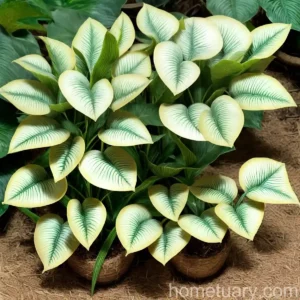
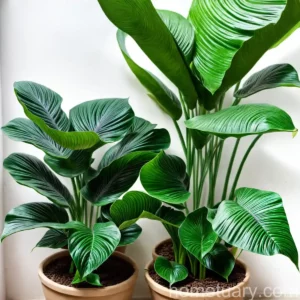
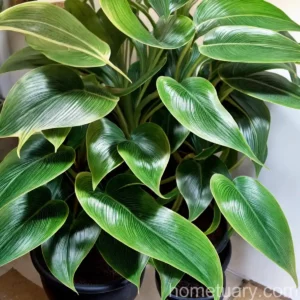
The Philodendron White Wizard is a charming tropical plant appreciated for its striking variegated foliage. As a member of the Araceae family, Philodendrons are prized for their lush, glossy leaves and adaptability to a wide range of indoor environments. The White Wizard variety is distinguished by its creamy white and green variegated leaves, adding vibrancy and visual interest to any space.
Key Takeaways – Philodendron White Wizard
Before delving into the specifics of caring for the Philodendron White Wizard, let’s outline some key takeaways about this captivating plant.
- Common Name: Philodendron White Wizard
- Scientific Name: Philodendron White Wizard
- Light Requirements: Moderate to bright, indirect light
- Watering Needs: Allow the top inch of soil to dry out before watering
- Soil Type: Well-draining, peat-based soil
- Temperature Tolerance: Thrives in average indoor temperatures
- Growth Rate: Moderate
- Propagation: Easily propagated through stem cuttings
- Common Pests: Mealybugs, spider mites
- Toxicity: Considered toxic to pets
- Variegation: Creamy white and green coloring on the leaves
- Size: Can grow up to several feet in height
- Popularity: Highly sought-after as an indoor plant due to its aesthetic appeal and low maintenance requirements
Now that we have a basic understanding of the Philodendron White Wizard, let’s delve into the details of its care and cultivation.
Culture
Uses
The Philodendron White Wizard is primarily cultivated for its ornamental value, serving as a captivating addition to indoor spaces such as homes, offices, and commercial settings. Its lush and colorful foliage brings a touch of the tropics indoors, elevating the aesthetics of any space.
Water
Proper watering is crucial for the health and vigor of the Philodendron White Wizard. While it is essential to keep the soil consistently moist, overwatering can lead to root rot and other moisture-related issues. Follow these guidelines to ensure optimal watering practices for your Philodendron White Wizard:
- Frequency: Water the plant when the top inch of the soil feels dry to the touch.
- Watering Technique: Use room temperature water and water the plant thoroughly, allowing excess water to drain from the bottom of the pot.
- Avoid Overwatering: Ensure that the plant’s container has proper drainage to prevent waterlogged soil, which can lead to root rot and other fungal diseases.
Sunlight
Ideal light conditions play a significant role in maintaining the vibrant variegation and overall health of the Philodendron White Wizard. While it thrives in moderate to bright, indirect light, it should be shielded from harsh, direct sunlight, which can scorch the leaves.
- Indoor Placement: Position the plant near a window where it can receive filtered sunlight or dappled light throughout the day.
- Avoid Direct Sunlight: Shield the plant from direct afternoon sun, especially during the peak summer months, to prevent leaf damage.
Fertilizer
Regular fertilization is essential for promoting healthy growth and vibrant foliage in the Philodendron White Wizard. Use a balanced, water-soluble fertilizer formulated for foliage plants and apply it during the growing season according to the product instructions. Here are some key points to consider when fertilizing your Philodendron White Wizard:
- Frequency: Fertilize the plant every 4-6 weeks during the growing season, typically from spring through early fall.
- Dilution: Follow the recommended dilution rate provided on the fertilizer packaging to avoid over-fertilization, which can cause nutrient imbalances and harm the plant.
Soil
The right type of soil is critical for supporting the growth and well-being of the Philodendron White Wizard. A well-draining, peat-based potting mix provides the ideal growing medium for this tropical plant, offering the necessary aeration and moisture retention. Consider the following soil-related tips:
- Potting Mix: Use a high-quality, well-draining potting mix designed for aroids, which typically contains a blend of peat moss, perlite, and organic matter.
- Drainage: Ensure that the plant’s container has drainage holes to prevent water from accumulating at the bottom, which can lead to root rot.
Pruning
Pruning is an essential aspect of maintaining the shape and appearance of the Philodendron White Wizard. Regular pruning helps manage the plant’s size, encourages new growth, and eliminates any damaged or yellowing foliage. Follow these best practices when pruning your Philodendron White Wizard:
- Dead Leaf Removal: Trim off any yellowed, damaged, or withered leaves using clean, sharp pruning shears to promote the plant’s overall health and appearance.
- Size Control: Trim back excessive growth or long vines to maintain the desired size and shape of the plant.
Propagation
The Philodendron White Wizard is relatively easy to propagate through stem cuttings, making it a rewarding plant for those interested in expanding their collection or sharing with fellow plant enthusiasts. Follow these steps to propagate your Philodendron White Wizard:
- Selecting a Cutting: Choose a healthy stem with several nodes and cut it just below a node using clean, sharp scissors or pruning shears.
- Rooting Medium: Place the cutting in a container of water or a well-draining potting mix to encourage root development.
- Optimal Conditions: Keep the cutting in a warm, humid environment with indirect light, and monitor the soil moisture to support successful rooting.
Container Popularity
The Philodendron White Wizard is a highly sought-after plant for indoor container gardens due to its striking foliage and adaptability to indoor environments. Its popularity stems from its low-maintenance nature and remarkable visual appeal, making it a favorite among both novice and experienced plant enthusiasts.
Common Diseases
As with any plant, the Philodendron White Wizard is susceptible to certain diseases, especially if its cultural requirements are not met or if it experiences stress in its growing environment. Understanding the common diseases that can affect this plant is essential for proactive management and prevention. Some prevalent diseases include:
- Root Rot: Caused by overwatering and poorly-draining soil, leading to the decay of the plant’s roots and subsequent decline in overall health.
- Leaf Spot: Fungal infections can cause dark, necrotic spots on the foliage, compromising the plant’s aesthetic appeal and vigor.
- Pseudomonas Leaf Blight: This bacterial disease can result in dark, water-soaked lesions on the leaves, ultimately leading to leaf death and defoliation.
Disease Diagnosis
Prompt diagnosis of plant diseases is crucial for implementing effective treatment strategies and preventing further spread. Keep a vigilant eye on your Philodendron White Wizard and look out for the following symptoms that may indicate disease presence:
- Yellowing or Browning Leaves
- Rotting or Mushy Roots
- Spots or Lesions on the Foliage
- Wilting or Drooping Appearance
- Reduced Growth and Vigor
At the first sign of disease symptoms, isolate the affected plant to prevent the spread of pathogens and seek appropriate treatment measures.
Common Pests
In addition to diseases, the Philodendron White Wizard can fall victim to common indoor plant pests that can compromise its health and appearance. Recognizing and addressing pest infestations in a timely manner is crucial for preserving the plant’s beauty and vitality. Common pests that may affect the Philodendron White Wizard include:
- Mealybugs: Small, cottony insects that cluster on the plant and feed on its sap, leading to weakened growth and yellowing leaves.
- Spider Mites: Microscopic pests that can cause stippling on the leaves and create fine webbing, often leading to leaf damage and reduced vigor.
Botanist’s Tips
For optimal care and maintenance of the Philodendron White Wizard, consider incorporating the following expert tips into your plant care routine:
- Monitor Moisture Levels: Keep a close eye on the plant’s soil moisture and avoid overwatering, which can lead to root rot and other moisture-related issues.
- Provide Adequate Air Circulation: Ensure that the plant has sufficient air circulation to prevent humidity-related problems and promote overall plant health.
- Regularly Inspect for Pests: Routinely inspect the plant for signs of pest activity, such as webbing, stippling, or unusual discoloration, and take proactive measures to address any pest issues promptly.
Fun Facts
To further deepen your appreciation for the Philodendron White Wizard, let’s explore some intriguing fun facts about this captivating plant:
- Air Purification: Like its relatives in the Philodendron genus, the White Wizard variety contributes to indoor air purification by filtering out common air pollutants, enhancing the air quality within its environment.
- Tropical Origins: The Philodendron White Wizard is native to tropical regions, thriving in warm, humid climates, which has contributed to its adaptation to indoor environments with similar conditions.
- Variegated Beauty: The creamy white and green variegation of the White Wizard’s foliage adds a touch of elegance and charm, making it an enchanting sight in any space.
Links to External Resources
For further information on the Philodendron White Wizard, as well as additional plant care resources, consider exploring the following reputable links:
- University of Florida IFAS Extension – Philodendron White Wizard
- Missouri Botanical Garden – Philodendron White Wizard
- Royal Horticultural Society – Philodendron White Wizard Care Guide
In conclusion, the Philodendron White Wizard stands as a captivating and rewarding addition to any indoor plant collection, infusing spaces with its tropical allure and vibrant variegated foliage. By understanding and meeting its cultural requirements, implementing sound maintenance practices, and promptly addressing any issues that may arise, you can enjoy the beauty and vitality of the Philodendron White Wizard for years to come.
Whether you are an experienced plant enthusiast or a novice gardener, the Philodendron White Wizard offers a delightful opportunity to engage with the fascinating world of tropical plants, bringing nature’s exotic charm into your everyday surroundings.
References
- Wijewardane, R. M. N. A., Amarasekare, K. G. K. N., & Weerakoon, D. K. (2019). “BACTERIAL BLIGHT, CAUSATIVE AGENT OF PSEUDOMONAS BLIGHT OF ORNAMENTAL PLANTS”. Sri Lankan Journal of Biology, 3(1), 119-123.
- Moore, K. D., & Joseph, E. D. (2020). “Pest Management Recommendations for Greenhouse Florists” (Vol. 60). University of Florida.
- Plant Resources Center. (1981). “Studies in the Araceae. XXI. The Philodendron Glory-Weberbauerianum Complex”. Rhodora, 83(836), 211-235.