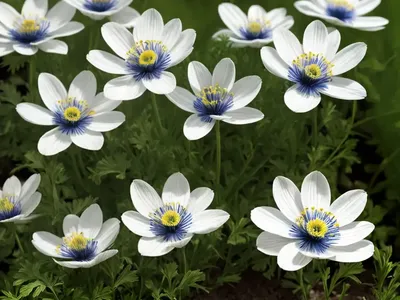
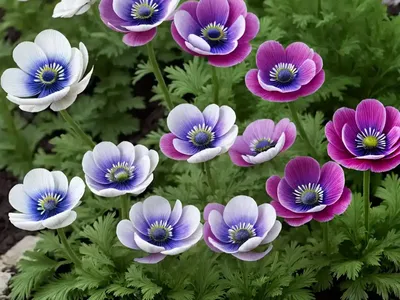
Chinese Anemone (Anemone Hupehensis)
Plants play a vital role in our environment and are essential for sustaining life on Earth. They are not only a source of food and oxygen but also.
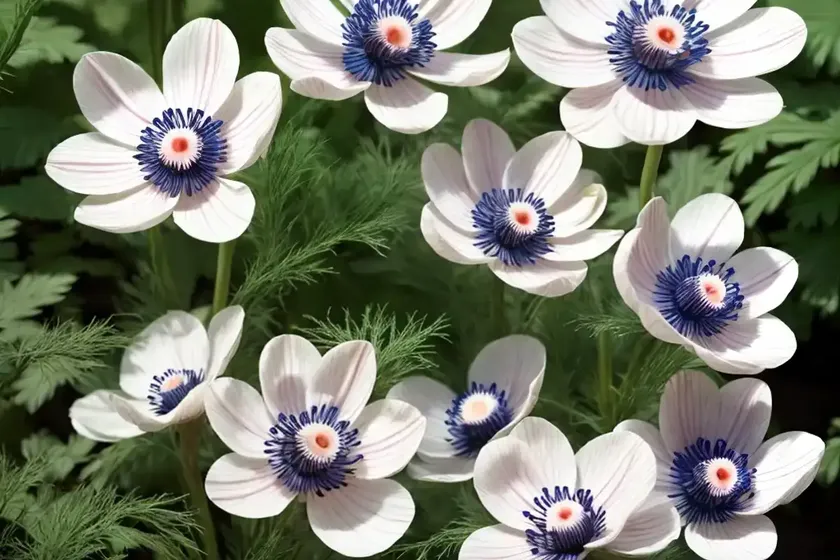
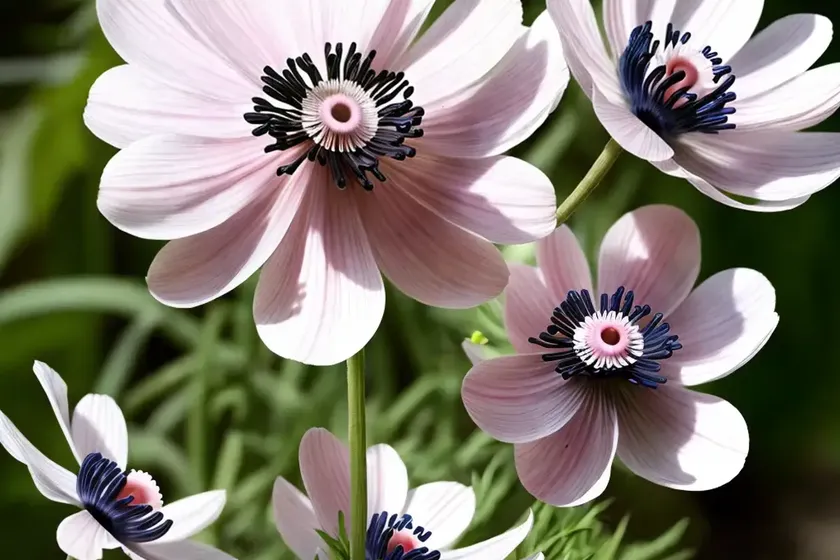
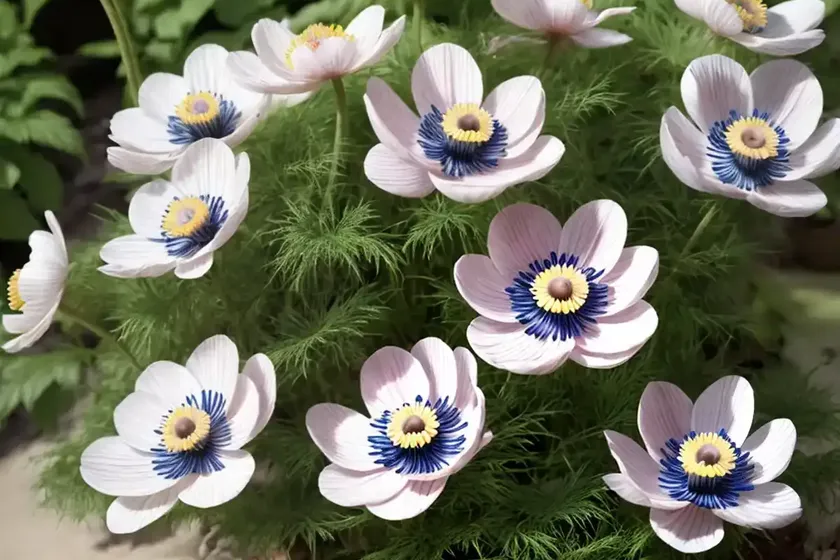
What is a Plant : Chinese Anemone (Anemone Hupehensis)
Plants play a vital role in our environment and are essential for sustaining life on Earth. They are not only a source of food and oxygen but also contribute to the overall aesthetic beauty of our surroundings. From towering trees to delicate flowers, plants come in a diverse array of shapes, sizes, and colors. Today, we will explore the enchanting world of Chinese Anemone, scientifically known as Anemone Hupehensis.
Chinese Anemone, a member of the Ranunculaceae family, is a herbaceous perennial that is native to China and Japan. Its delicate, dainty flowers and elegant foliage make it a popular choice for gardens and landscapes around the world. With proper care and attention, Chinese Anemone can thrive and add a touch of elegance to any outdoor space.
In this comprehensive guide, we will delve into the culture, uses, care requirements, and interesting facts about Chinese Anemone. Whether you are a seasoned gardener or a novice enthusiast, this guide will provide you with valuable insights into cultivating and caring for this captivating plant.
Key Takeaways – Chinese Anemone (Anemone Hupehensis)
Culture
- Scientific Name: Anemone Hupehensis
- Family: Ranunculaceae
- Common Names: Chinese Anemone, Japanese Anemone, Thimbleweed
- Native Habitat: China, Japan
Uses
- Garden Ornamental: Chinese Anemone is widely cultivated for its ornamental value, adding grace and charm to garden beds and borders.
- Cut Flowers: Its elegant blooms make it a popular choice for floral arrangements and indoor decorations.
Water
Chinese Anemone performs best in consistently moist, well-draining soil. Adequate watering is essential, especially during periods of dry weather. Avoid overwatering to prevent waterlogging.
Sunlight
Partial shade to full sun is preferable for Chinese Anemone. It thrives in locations with dappled sunlight and can tolerate varying light conditions.
Fertilizer
Applying a balanced, all-purpose fertilizer in the spring can help promote healthy growth and abundant flowering. Ensure that the fertilizer is well-diluted to prevent potential root damage.
Soil
Chinese Anemone prefers fertile, loamy soil with good drainage. Amending the soil with organic matter can improve its overall quality and enhance the plant’s performance.
Pruning
Regular deadheading of spent blooms and light pruning in the early spring can encourage a more compact growth habit and prolonged flowering.
Propagation
Propagation of Chinese Anemone can be achieved through division, root cuttings, or seed sowing. Each method has its own specific requirements and can be successful when carried out with care.
Container Popularity
Chinese Anemone is well-suited for container gardening, allowing individuals with limited outdoor space to enjoy its beauty on patios, balconies, or terraces.
Common Diseases
Powdery Mildew: A common fungal disease that can affect Chinese Anemone, particularly in humid conditions.
Leaf Spot: This disease causes dark spots to form on the leaves, potentially leading to defoliation if left untreated.
Disease Diagnosis
Regular monitoring of the plant for symptoms such as white powdery patches on the foliage and discolored spots can aid in promptly identifying diseases.
Common Pests
Aphids: These small, sap-sucking insects can infest Chinese Anemone, causing distorted growth and yellowing of leaves.
Spider Mites: These tiny pests can create fine webbing on the plant and cause stippling on the leaves.
Botanist’s Tips
- When planting Chinese Anemone, provide ample space between individual plants to allow for adequate air circulation, reducing the risk of diseases.
- Mulching around the base of the plant can help retain soil moisture and inhibit weed growth, benefiting the overall health of Chinese Anemone.
Fun Facts
- Chinese Anemone is often associated with ancient folklore and is believed to possess symbolic meanings in various cultures.
- The delicate, cup-shaped flowers of Chinese Anemone can attract pollinators such as bees and butterflies, contributing to the biodiversity of garden ecosystems.
Links to External Resources
For more detailed information on Chinese Anemone (Anemone Hupehensis), you can explore the following external resources:
– Royal Horticultural Society – Anemone Hupehensis
– University of Maryland Extension – Growing Anemones
– Missouri Botanical Garden – Plant Finder: Anemone Hupehensis
– American Horticultural Society – Chinese Anemone Care Guide
Now that we have explored the key aspects of Chinese Anemone, let’s delve deeper into its exceptional characteristics and learn how to cultivate and care for this captivating plant.
Chinese Anemone (Anemone Hupehensis): An In-Depth Exploration
Chinese Anemone, scientifically known as Anemone Hupehensis, is a delightful herbaceous perennial that belongs to the Ranunculaceae family. With its graceful stems, enchanting flowers, and attractive foliage, it has become a beloved addition to gardens, landscapes, and floral arrangements. In this section, we will take an in-depth look at the various facets of this stunning plant, from its cultivation and care to its diverse uses and cultural significance.
Chinese Anemone Varieties
Chinese Anemone is available in several charming varieties, each offering distinct flower colors, heights, and growth habits. Some popular varieties include:
- Anemone Hupehensis ‘Hadspen Abundance’: This variety features semi-double, soft pink flowers and grows to a height of around 80-100cm.
- Anemone Hupehensis ‘September Charm’: Known for its rose-pink blooms and compact growth, this variety reaches a height of approximately 60-90cm.
- Anemone Hupehensis ‘Honorine Jobert’: With single, pure white flowers and a tall, graceful demeanor, this variety adds a touch of elegance to garden borders and beds.
Each variety possesses its own unique appeal, allowing gardeners to select the most suitable option based on their preferences and garden design.
Anemone Hupehensis Cultivars
Over the years, plant breeders have introduced a range of Anemone Hupehensis cultivars, aiming to enhance specific traits such as flower color, growth habit, and disease resistance. Some notable cultivars include:
- Anemone Hupehensis ‘Pocahontas’: This cultivar stands out with its vibrant, deep pink flowers and compact form, making it an excellent choice for smaller garden spaces or containers.
- Anemone Hupehensis ‘Wild Swan’: Reputed for its bi-colored flowers and prolonged blooming period, this cultivar offers an alluring display in garden settings.
- Anemone Hupehensis ‘Queen Charlotte’: With its striking, rose-pink blooms and vigorous growth, this cultivar adds a bold splash of color to mixed borders and perennial beds.
The diverse array of cultivars provides ample opportunities for gardeners to experiment with different combinations and create captivating floral displays.
Growing Chinese Anemone
Cultivating Chinese Anemone is a rewarding endeavor, as it is relatively low-maintenance and offers an abundance of charming blooms. Here are some essential tips for growing Chinese Anemone successfully:
- Planting Location: Choose a site with well-draining soil and partial shade to full sun exposure. Chinese Anemone thrives in locations with morning sunlight and afternoon shade.
- Soil Preparation: Amend the soil with organic matter such as compost or well-rotted manure to enhance its fertility and structure. Ensure that the soil remains consistently moist but not waterlogged.
- Planting Depth: When planting Chinese Anemone, ensure that the crown (the point where the stems meet the roots) is positioned at the soil level. Planting too deep can lead to rotting, while planting too shallow may result in instability.
- Spacing: Provide adequate spacing between individual plants, typically around 24-36 inches apart, to allow for unrestricted growth and airflow.
- Watering: Water the plants regularly, especially during dry periods, to maintain soil moisture. Avoid overhead watering to prevent fungal diseases and instead opt for direct soil-level irrigation.
- Mulching: Apply a layer of organic mulch, such as shredded bark or leaf mold, around the base of the plants to conserve moisture, suppress weeds, and insulate the soil.
By adhering to these guidelines, gardeners can establish healthy, vibrant Chinese Anemone plants that grace the garden with their charming presence.
Chinese Anemone Care Guide
Providing the appropriate care and maintenance is crucial for ensuring the vigor and longevity of Chinese Anemone. Here are key aspects of Chinese Anemone care:
Sunlight Requirements
Chinese Anemone thrives in locations with partial shade to full sun. While it can tolerate varying light conditions, it performs best in spots that receive morning sunlight and dappled shade during the hotter parts of the day.
Soil Preferences
Well-draining, fertile soil with a slightly acidic to neutral pH is ideal for Chinese Anemone. Adding organic matter during soil preparation can enhance its overall quality and provide an optimal growing medium.
Watering Needs
Maintaining consistent soil moisture is essential for Chinese Anemone. Aim to keep the soil evenly moist, especially during periods of active growth and flowering. Avoid overwatering or allowing the soil to dry out excessively.
Maintenance
Regular deadheading of spent blooms and periodic removal of faded foliage can promote a tidier appearance and encourage prolonged flowering. Additionally, dividing overcrowded clumps every few years can rejuvenate the plants and prevent overcrowding.
Pruning Techniques
Light pruning in the early spring can help stimulate new growth and shape the plants. Removing dead or damaged stems and cutting back excessive growth can contribute to a more compact and tidy habit.
By attending to these care requirements, gardeners can ensure that their Chinese Anemone plants thrive and continue to enchant with their delicate blooms.
Chinese Anemone Flowers
The flowers of Chinese Anemone are a distinctive feature that captivates the eye and adds a touch of elegance to garden settings. They typically display the following characteristics:
- Flower Color: Chinese Anemone flowers come in a range of colors, including shades of pink, white, and bi-colored forms with contrasting hues. The vibrant blooms attract pollinators such as bees and butterflies, contributing to the ecological balance of the garden.
- Bloom Period: Depending on the variety, Chinese Anemone can offer blooms from late spring through the fall, providing a generous display of flowers across multiple seasons.
- Flower Form: The flowers of Chinese Anemone are often semi-double or single, with delicate petals arranged in a charming cup-like formation. The graceful appearance of the blooms lends an air of sophistication to garden beds and borders.
The allure of Chinese Anemone flowers makes them a prized addition to floral arrangements and bouquets, bringing a touch of natural beauty to indoor spaces.
Anemone Hupehensis in the Garden
In garden landscapes, Chinese Anemone offers versatile and graceful qualities that make it a popular choice for various design applications:
- Perennial Borders: Planted en masse or as individual specimens, Chinese Anemone creates a soft, romantic ambiance along perennial borders, contributing to an enchanting display of color and texture.
- Cottage Gardens: Its informal growth habit and charming flowers make Chinese Anemone well-suited for cottage-style gardens, where it can mingle with other traditional favorites such as roses, lavender, and delphiniums.
- Woodland Gardens: Thriving in partial shade, Chinese Anemone effortlessly integrates into woodland garden settings, where it can naturalize and form enchanting drifts of delicate blooms.
- Mixed Plantings: Combining Chinese Anemone with companions such as ornamental grasses, fall-blooming asters, and late-season sedums can create captivating plant combinations that extend the garden’s visual interest.
With its adaptability and ornamental value, Chinese Anemone provides a myriad of possibilities for enhancing garden landscapes and creating captivating outdoor retreats.
Chinese Anemone Propagation Methods
The propagation of Chinese Anemone can be accomplished through various methods, each offering its own set of advantages and considerations:
- Division: Dividing established clumps in the early spring or autumn allows gardeners to multiply their Chinese Anemone plants and rejuvenate older specimens. Each divided section should contain healthy roots and shoots for successful establishment.
- Root Cuttings: Propagating Chinese Anemone from root cuttings enables gardeners to create new plants using sections of the root system. This method typically requires patience and care, as the roots need time to develop into viable plants.
- Seed Sowing: Collecting and sowing seeds from Chinese Anemone can be an enjoyable way to propagate new plants. However, keep in mind that growing from seed may result in variations from the parent plant and requires a longer time to reach maturity.
By exploring these propagation methods, gardeners can expand their collection of Chinese Anemone and share the beauty of this enchanting plant with others.
Anemone Hupehensis Seasonal Blooms
The blossoming of Chinese Anemone unfolds across the seasons, offering captivating displays of color and charm. Understanding the seasonal blooming patterns can aid gardeners in planning and maximizing the visual impact of their Chinese Anemone plants:
- Spring: As the weather warms, Chinese Anemone begins to emerge from dormancy, sending up new shoots and foliage. Depending on the variety, some plants may begin to display their first delicate blooms, often in soft pastel hues of pink and white.
- Summer: The summer months bring a profusion of flowers, with Chinese Anemone gracing the garden with its bountiful display of delicate blossoms. Regular deadheading can encourage continued flowering and a neater appearance.
- Fall: Chinese Anemone continues to bloom into the fall, providing a welcome burst of color as other garden plants are winding down. The late-season flowers add a touch of elegance and charm to the autumn landscape, extending the visual interest in the garden.
By appreciating the seasonal dynamics of Chinese Anemone, gardeners can anticipate and savor the evolving beauty of this captivating plant throughout the year.
Chinese Anemone Sunlight Requirements
Chinese Anemone exhibits a versatile attitude towards sunlight, displaying resilience in varying light conditions. Here are essential considerations regarding its sunlight preferences:
- Partial Shade: Chinese Anemone thrives in locations that receive partial shade, especially during the hotter parts of the day. This partial shade can protect the plants from excessive heat and prevent stress.
- Full Sun: While partial shade is preferred, Chinese Anemone can also tolerate full sun, particularly in areas with cooler climates or where the sunlight is less intense.
Understanding the sunlight preferences of Chinese Anemone enables gardeners to select appropriate planting locations and optimize the plants’ performance in their specific environment.
Anemone Hupehensis Soil Preferences
The soil in which Chinese Anemone is planted plays a crucial role in sustaining its health and vitality. Here are key aspects of its soil preferences:
- Drainage: Chinese Anemone thrives in soil that offers good drainage, preventing the risk of waterlogging and root rot. Amending the soil with organic matter can enhance its drainage capacity.
- Fertility: Fertile soil forms the foundation for robust growth and abundant flowering in Chinese Anemone. Adding compost or well-rotted manure can enrich the soil and provide essential nutrients.
- pH Level: Chinese Anemone favors soil with a slightly acidic to neutral pH, typically ranging from 6.0 to 7.0. A soil pH within this range supports optimal nutrient uptake and overall plant health.
By meeting these soil preferences, gardeners can create an ideal growing environment for Chinese Anemone, promoting its vigor and longevity.
Chinese Anemone Watering Needs
Adequate and consistent soil moisture is essential for the well-being of Chinese Anemone. Considering its watering needs can help maintain the plants’ health and vigor:
- Consistent Moisture: Chinese Anemone thrives in soil that remains consistently moist but not waterlogged. Regular irrigation, particularly during dry periods, can help sustain optimal soil moisture levels.
- Avoid Overwatering: While maintaining consistent moisture is important, it is equally crucial to avoid overwatering, which can lead to root suffocation and potential diseases. Allow the soil to dry slightly between watering sessions.
By striking a balance between adequate moisture and appropriate drainage, gardeners can provide Chinese Anemone with a thriving environment for its growth and flowering.
Anemone Hupehensis Maintenance
Routine maintenance practices are integral to ensuring the continued health and elegance of Chinese Anemone plants. Key aspects of maintenance include:
- Deadheading: Removing spent flowers as they fade can promote prolonged blooming and prevent the formation of seed heads, redirecting the plant’s energy towards new growth and flowering.
- Foliage Care: Trimming away faded or damaged foliage helps maintain the overall appearance of Chinese Anemone and prevents the spread of diseases.
- Division: Every few years, dividing overcrowded clumps of Chinese Anemone can rejuvenate the plants, prevent overcrowding, and promote healthy growth.
By attending to these maintenance tasks, gardeners can preserve the charm and vitality of Chinese Anemone, creating an enduring source of beauty in the garden.
Chinese Anemone Pests and Diseases
Though generally resilient, Chinese Anemone can be susceptible to certain pests and diseases. Understanding these potential challenges is important for proactive management and prevention:
Common Pests
- Aphids: These small, soft-bodied insects can infest the new growth of Chinese Anemone, causing distortion and stunted development. Horticultural oils or insecticidal soaps can be used to control aphid populations.
- Spider Mites: These tiny pests can create fine webbing on the plant and cause stippling on the leaves. Regularly hosing down the plants and applying insecticidal sprays can help manage spider mite infestations.
Common Diseases
- Powdery Mildew: A fungal disease that can affect Chinese Anemone, appearing as a powdery, white coating on the foliage. Providing adequate air circulation and using fungicidal treatments can aid in managing powdery mildew.
- Leaf Spot: This disease presents as dark spots on the leaves, potentially leading to defoliation if left untreated. Removing affected foliage and maintaining a clean garden environment can help manage leaf spot diseases.
By proactively addressing these potential issues and implementing integrated pest and disease management strategies, gardeners can safeguard the health and beauty of their Chinese Anemone plants.
Botanist’s Tips – Chinese Anemone (Anemone Hupehensis)
Drawing from botanical insights and practical wisdom, here