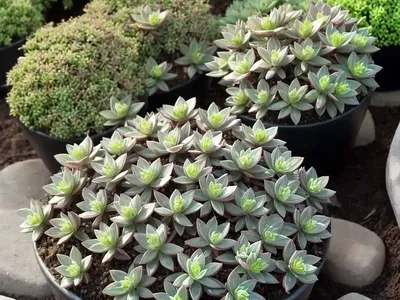
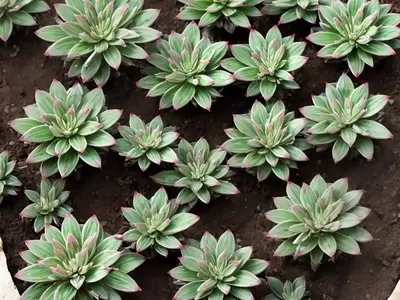
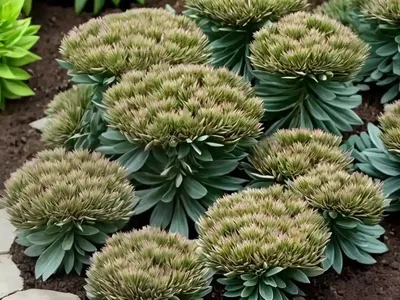
Mexican Firecracker (Echeveria Setosa)
Echeveria Setosa, commonly known as Mexican Firecracker, is a stunning succulent that has gained popularity among plant enthusiasts for its unique.
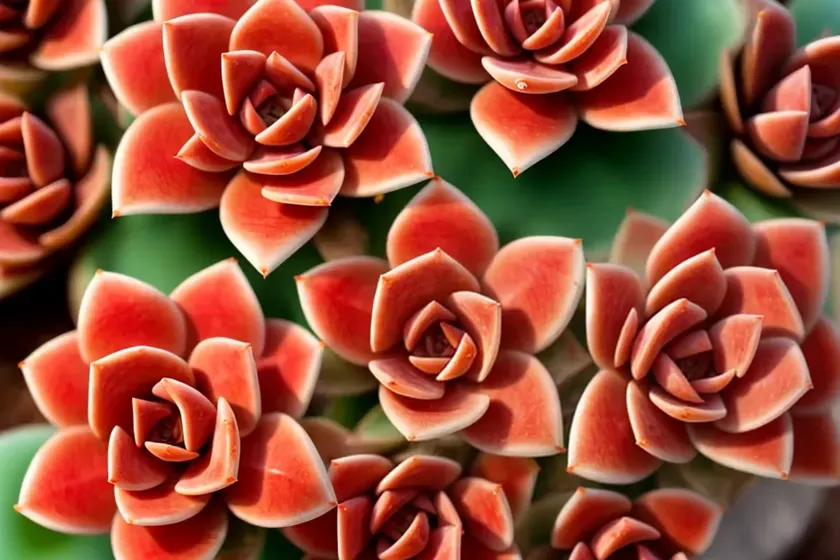
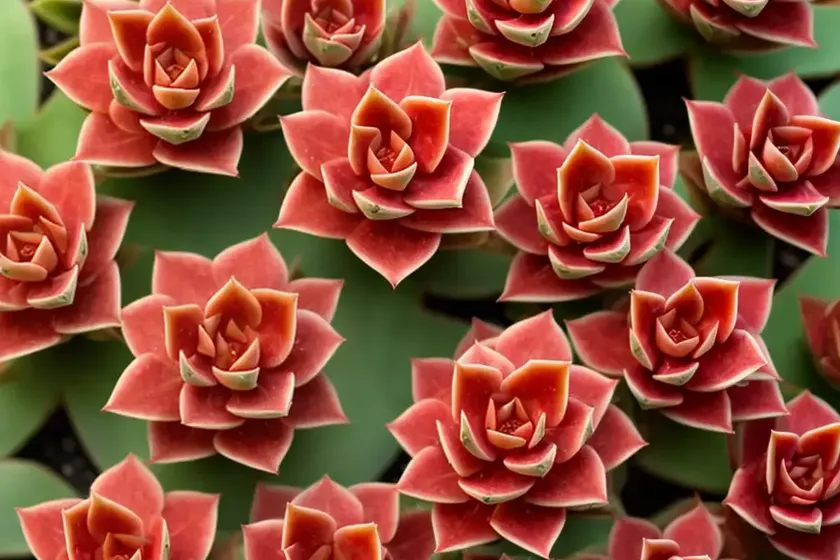
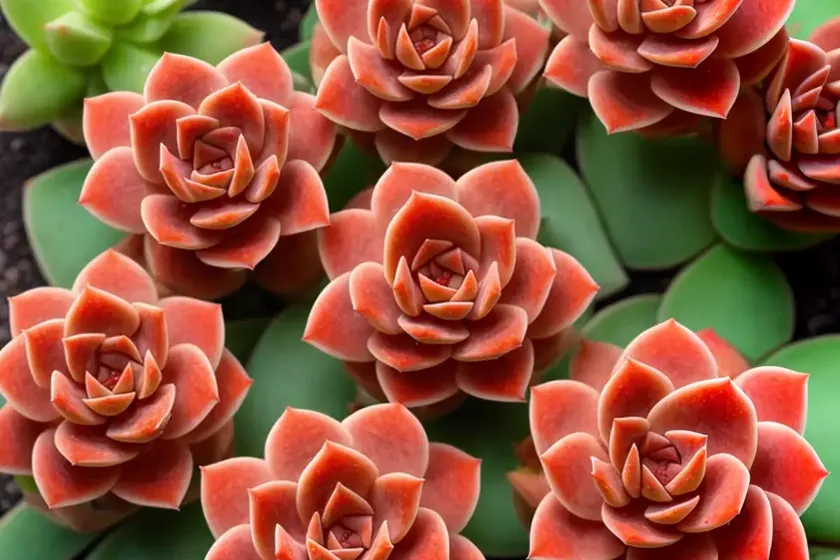
Echeveria Setosa, commonly known as Mexican Firecracker, is a stunning succulent that has gained popularity among plant enthusiasts for its unique appearance and easy-care requirements. This comprehensive guide provides detailed insights into the cultivation, maintenance, and propagation of Mexican Firecracker, ensuring that you can successfully nurture and enjoy this beautiful plant in your home or garden.
What is the Mexican Firecracker (Echeveria Setosa)?
Echeveria Setosa, a member of the Crassulaceae family, is a charming succulent native to Mexico. Its distinctive characteristics include rosettes of densely-packed, fleshy leaves that form a tight, compact structure. The plant typically exhibits a stunning arrangement of silvery-green foliage, enhanced by the presence of soft, dense white hairs on the leaves, which give it a velvety texture. Additionally, the colorful blooms of Mexican Firecracker, which appear on tall stems, add to its visual appeal.
The succulent is named “Firecracker” due to its resemblance to a firework-like explosion of color when it blooms, with bright red-orange flowers standing out against the backdrop of the plant’s greenery. This eye-catching contrast makes it a popular choice for those seeking a visually striking addition to their collection of succulents.
Key Takeaways – Mexican Firecracker (Echeveria Setosa)
Here are the key takeaways for successfully caring for and cultivating Mexican Firecracker (Echeveria Setosa):
- Culture: Understanding the natural habitat and growth patterns of Mexican Firecracker is crucial for providing optimal conditions for its cultivation.
- Uses: Exploring the various uses of Echeveria Setosa, both as an ornamental plant and in traditional medicine where applicable.
- Water: Guidelines for watering frequency and techniques to prevent overwatering or underwatering.
- Sunlight: Determining the ideal sunlight requirements for Mexican Firecracker to thrive in indoor and outdoor settings.
- Fertilizer: Exploring the role of fertilization in promoting healthy growth and flowering in Echeveria Setosa.
- Soil: Identifying the best soil types and compositions for planting and potting Mexican Firecracker.
- Pruning: Techniques for maintaining the compact and attractive shape of the succulent through proper pruning.
- Propagation: Step-by-step guidance on propagating Mexican Firecracker through various methods such as leaf and stem cuttings.
- Container: Understanding the advantages of container gardening for Echeveria Setosa and selecting suitable pots and containers.
- Popularity: The increasing popularity of Mexican Firecracker in the world of succulent enthusiasts.
- Common Diseases: Recognizing potential diseases and providing strategies for disease prevention and management.
- Common Pests: Identifying common pests that may affect Mexican Firecracker and implementing pest control measures.
- Botanist’s Tips: Exclusive tips and insights into cultivating and maintaining Echeveria Setosa from a botanist’s perspective.
- Fun Facts: Interesting and lesser-known facts about Mexican Firecracker that add to its allure.
Now, let’s delve into each of these aspects to gain a comprehensive understanding of Mexican Firecracker and how to nurture it effectively.
Culture
Understanding the natural habitat and growth habits of Mexican Firecracker is essential for creating an environment that closely mirrors its native conditions. Echeveria Setosa is indigenous to Mexico, where it thrives in arid environments characterized by well-draining soil and ample sunlight. The succulent is adapted to survive in challenging conditions, making it an excellent choice for individuals seeking low-maintenance plants that thrive in dry climates.
Native Habitat
Echeveria Setosa primarily grows in the highlands of Mexico, where it is exposed to intense sunlight and limited water availability. The plant is well-suited to the rocky, mountainous terrain of its native habitat, and it has evolved to store water in its fleshy leaves, enabling it to withstand periods of drought.
Growth Habit
The rosette-forming nature of Echeveria Setosa contributes to its low-growing, compact appearance. The plant produces offsets, known as “pups,” around its base, leading to the formation of dense clusters over time. This growth habit adds to the ornamental appeal of Mexican Firecracker and makes it a suitable choice for containers and garden beds.
Climate Adaptability
Mexican Firecracker exhibits a remarkable tolerance for a wide range of temperatures, provided that it is protected from frost and extreme cold. While it can endure high temperatures and intense sunlight, it benefits from some shade during the hottest parts of the day, particularly in regions with scorching summers.
Uses
Mexican Firecracker (Echeveria Setosa) serves multiple purposes, mainly revolving around its ornamental value and potential applications in traditional medicine.
Ornamental Plant
The most common use of Mexican Firecracker is as an ornamental plant, prized for its attractive appearance and minimal care requirements. Whether grown in pots, planters, or garden beds, the succulent adds visual interest and a touch of exotic flair to any setting. Its rosettes and vibrant blooms make it an appealing choice for succulent enthusiasts and gardeners seeking to enhance their outdoor spaces.
Traditional Medicine
In certain cultures, succulents such as Echeveria Setosa have historically been utilized for their medicinal properties. While research into the specific medicinal uses of Mexican Firecracker is ongoing, it is important to acknowledge the plant’s potential value in traditional healing practices. Some succulents have been found to contain compounds with anti-inflammatory, antibacterial, or wound-healing properties, and Echeveria Setosa may hold similar potential.
Water
Efficient watering practices are crucial for the health and vitality of Mexican Firecracker. As a succulent adapted to arid conditions, Echeveria Setosa is susceptible to root rot if subjected to excessive moisture. Conversely, inadequate watering can lead to dehydration and wilting. Finding the right balance is essential for promoting the flourishing growth of this captivating plant.
Watering Frequency
The frequency of watering largely depends on the environmental conditions and the specific requirements of the Mexican Firecracker in its current setting. In general, it is advisable to allow the soil to dry out between watering sessions, particularly during the cooler months or in climates with higher humidity. For indoor plants, this may translate to watering every 10 to 14 days, while outdoor specimens may require more frequent watering, especially during periods of intense heat or drought.
Watering Techniques
When watering Mexican Firecracker, it is essential to adopt a careful approach to prevent water-related issues. Watering the soil directly, rather than the rosette or foliage, helps avoid excess moisture accumulation in the center of the plant, which can lead to rot. Furthermore, using a watering can with a narrow spout or a drip irrigation system allows for targeted watering without drenching the entire container or planting area.
Signs of Overwatering and Underwatering
Observing the plant for signs of overwatering or underwatering is beneficial for adjusting the watering regimen as needed. Symptoms of overwatering may include wilting, yellowing leaves, or soft, mushy stems. On the other hand, underwatered Mexican Firecracker may display shriveled or wrinkled leaves, signaling the need for more frequent watering. Monitoring the soil moisture and the plant’s appearance provides valuable insights into its hydration requirements.
Sunlight
Providing the appropriate amount of sunlight is vital for the healthy growth and development of Mexican Firecracker. Echeveria Setosa, like many succulents, thrives in bright light and benefits from ample sunshine to support robust foliage and prolific flowering.
Sunlight Requirements
Ideally, Mexican Firecracker should receive at least six hours of direct sunlight per day to maintain its vibrant coloration and compact form. Placing the succulent in a location with adequate natural light or providing supplemental grow lights for indoor specimens helps satisfy its sunlight needs. While Mexican Firecracker can tolerate partial shade, prolonged exposure to low light levels may lead to stretching, known as etiolation, and a reduction in ornamental quality.
Indoor vs. Outdoor Sunlight
For indoor cultivation, positioning Mexican Firecracker near south-facing windows or in rooms with ample natural light is essential for ensuring that the plant receives the sunlight it requires. Windows with east or west exposure may also provide suitable light conditions. In outdoor settings, situate the succulent in a spot with direct sunlight for the majority of the day, such as a sunny patio, garden bed, or balcony, to maximize its growth potential.
Sunlight Stress
While Mexican Firecracker is adapted to bright light, it is important to protect it from the intense, direct sun during the hottest part of the day, especially in regions with exceptionally high temperatures. Prolonged exposure to scorching sunlight can lead to sunburn or sun damage, which manifests as discoloration, browning, or bleaching of the leaves. Monitoring the plant for signs of sunlight stress and providing shade during peak sun exposure aids in its overall health and appearance.
Fertilizer
Although Mexican Firecracker is not a heavy feeder, providing supplemental nutrients can enhance its growth and flowering. Fertilization is typically carried out during the active growing season to support the succulent’s nutritional requirements and promote robust, healthy foliage.
Fertilization Schedule
Applying a balanced, water-soluble fertilizer formulated for succulents and cacti every four to six weeks during the growing season, which typically spans from early spring to late summer, contributes to the well-being of Mexican Firecracker. It is advisable to dilute the fertilizer to half or one-quarter strength to avoid overfeeding the plant.
Fertilizer Composition
Seeking a fertilizer with a balanced NPK ratio, such as 7-7-7 or 10-10-10, ensures that Mexican Firecracker receives essential macronutrients, including nitrogen, phosphorus, and potassium, in appropriate proportions. Additionally, selecting a fertilizer with micronutrients such as iron, magnesium, and calcium can support overall plant health and resilience.
Soil Moisture and Fertilization
Before applying fertilizer, it is important to ensure that the soil is moist to prevent root burn or nutrient imbalances. Feeding Mexican Firecracker when the soil is dry may lead to nutrient uptake issues, while fertilizing excessively wet soil can result in nutrient leaching and potential damage to the plant’s roots.
Soil
Selecting the right soil medium is crucial for Mexican Firecracker to thrive, as it directly impacts its water retention, nutrient availability, and root health. Well-draining soil with good aeration properties is fundamental for preventing waterlogged conditions and promoting optimal root development.
Soil Composition
A well-balanced soil mix for Echeveria Setosa consists of a combination of organic matter, mineral components, and inorganic materials. A typical soil mix may include elements such as:
- Coarse Sand: Enhances drainage and reduces compaction, helping to prevent waterlogging.
- Perlite: Improves aeration and contributes to soil structure, promoting root health.
- Peat Moss or Coco Coir: Provides organic matter to the soil mix and aids in moisture retention without sacrificing drainage.
- Potting Soil or Cactus Mix: Offers essential nutrients and acts as a stable base for the soil mix.
- Pumice or Vermiculite: Assists with water retention while preventing overly compacted soil.
Container vs. Ground Planting
When cultivating Mexican Firecracker in containers, utilizing a well-draining potting mix tailored for succulents and cacti is essential. Container-grown succulents benefit from soil mixes designed to mimic their native environment, promoting healthy growth and minimizing the risk of water-related issues. If planting directly in the ground, amending the existing soil with sand, perlite, or other soil additives to improve drainage is recommended, especially in areas with heavy or clay soils.
Repotting
Repotting Mexican Firecracker every two to three years, or when the plant has outgrown its current container, allows for soil renewal, root inspection, and potential division of offsets. Choosing a slightly larger pot with adequate drainage holes ensures that the succulent has sufficient room for expansion and prevents overcrowding in the container.
Pruning
Maintaining the compact and attractive form of Mexican Firecracker involves occasional pruning to remove dead or damaged foliage, enhance the plant’s appearance, and promote healthy growth.
Deadheading
Periodically removing spent flowers by gently twisting or snipping them at the base of the stem encourages the production of new blooms and prevents the plant from expending energy on seed production. Deadheading also eliminates potential breeding grounds for pests or diseases in the decaying flower heads.
Leaf Removal
Trimming or gently pulling off dried or discolored leaves from the lower part of the rosette improves air circulation and prevents the onset of fungal issues. Removing dead leaves also enhances the plant’s visual appeal and reveals the healthy, vibrant foliage at the center of the rosette.
Stem Pruning
If Mexican Firecracker exhibits elongated or leggy growth, known as etiolation, due to inadequate sunlight, pruning the elongated stems promotes a more compact, bushy appearance. Trimming the stems to just above a leaf node encourages branching and the development of new offsets.
Propagation
Propagating Mexican Firecracker offers an exciting opportunity to expand your collection of these enchanting succulents. The plant can be propagated through various methods, each offering unique insights into the growth and development of Echeveria Setosa.
Leaf Cuttings
Propagating Echeveria Setosa from leaf cuttings involves carefully removing healthy leaves from the parent plant, allowing the cut ends to callus, and then placing the leaves on a well-draining substrate to develop roots and new rosettes. Leaf cuttings offer a front-row seat to the remarkable process of vegetative reproduction and can result in genetically identical offspring.
Stem Cuttings
Utilizing stem cuttings, particularly from healthy, established plants, provides an efficient way to propagate Mexican Firecracker. Selecting a section of the stem with multiple nodes, allowing the cut end to heal, and placing the cutting in soil or a rooting medium fosters the development of roots and new growth.
Offsets (Pups)
Holistically observing the growth patterns of Mexican Firecracker allows for the identification of offsets, or pups, that emerge at the base of the plant. Separating the offsets from the parent plant, allowing the cut ends to callus, and then planting them in separate containers initiates independent growth and propagation.
Seeds
While less commonly used for propagation, collecting and germinating seeds from Mexican Firecracker offers insights into the genetic diversity and evolutionary potential of the plant. Sowing seeds in a suitable substrate, providing adequate moisture and light conditions, and observing the germination process unlocks the wonders of sexual reproduction in Echeveria Setosa.
Container Popularity
The popularity of growing Mexican Firecracker in containers has surged in recent years, driven by the compact size, ornamental appeal, and low maintenance requirements of this succulent. Container gardening offers versatility, allowing enthusiasts to showcase the beauty of Echeveria Setosa in a range of settings, from compact urban balconies to expansive garden landscapes.
Indoor Containers
For indoor cultivation, selecting appropriately sized pots with drainage holes, well-draining soil, and suitable sunlight exposure is the key to success. The charming appearance of Mexican Firecracker makes it an ideal choice for enhancing interior spaces, with options for creative container arrangements and decorative displays.
Outdoor Containers
In outdoor settings, Mexican Firecracker thrives in containers placed on patios, decks, or any area with access to abundant sunlight. Container gardening provides the flexibility to move the plants to optimal light conditions and protects them from adverse weather, making it an attractive option for gardeners seeking to accentuate their outdoor living spaces with the allure of succulents.
Container Selection
Choosing containers that complement the aesthetic qualities of Mexican Firecracker is essential for creating visually engaging displays. Selecting pots with various shapes, sizes, and materials, such as terracotta, ceramic, or concrete, allows for personalized expressions of creativity and design in container gardening.
Common Diseases
Despite being relatively resilient, Mexican Firecracker is susceptible to certain diseases, especially if exposed to unfavorable growing conditions or environmental stressors. Recognizing common diseases and implementing preventive measures are fundamental for safeguarding the health and vitality of Echeveria Setosa.
Root Rot
For succulents such as Mexican Firecracker, root rot, caused by overwatering and waterlogged conditions, poses a significant risk. Symptoms of root rot include wilting, discoloration, and mushy, darkened roots. Preventing root rot involves maintaining well-draining soil, adjusting the watering regimen, and promptly addressing any signs of water-related issues.
Fungal Diseases
Fungal infections, such as powdery mildew and botrytis, can affect Mexican Firecracker, particularly in humid or poorly ventilated environments. Powdery mildew presents as a powdery white coating on the leaves, while botrytis manifests as dark, fuzzy growth in damp conditions. Enhancing air circulation, minimizing excess moisture, and promoting dry, favorable conditions deter fungal diseases.
Bacterial Infections
Bacterial diseases, including soft rot and bacterial leaf spots, can occur in succulents like Echeveria Setosa, resulting in tissue decay and discolored lesions on the foliage. Practicing proper sanitation, avoiding overhead watering, and deterring plant injury lower the risk of bacterial infections and promote a healthy growing environment.
Disease Diagnosis
Detecting and diagnosing diseases affecting Mexican Firecracker involves careful observation of the plant’s appearance, understanding typical disease symptoms, and taking proactive steps to address potential issues. Early intervention and corrective measures are vital for preventing the spread of diseases and safeguarding the overall well-being of Echeveria Setosa.
Symptoms Assessment
Carefully examining the plant for symptoms such as wilting, discoloration, spots, or unusual growth patterns provides valuable clues regarding potential diseases. Documenting the appearance and location of symptoms aids in identifying the underlying causes and determining suitable treatment options.
Disease Identification
Comparing observed symptoms with known indicators of common succulent diseases, such as those affecting Echeveria species, aids in narrowing down the possible diagnoses. Consulting plant pathology resources and experts can provide additional insights into disease identification and management strategies.
Treatment and Prevention
Implementing targeted treatment measures, such as adjusting watering practices, improving drainage, applying fungicides or bactericides when necessary, and isolating affected plants, aids in resolving diseases and preventing their recurrence. Preventive actions, including maintaining proper growing conditions and monitoring plant health, are essential for reducing the risk of diseases affecting Mexican Firecracker.
Common Pests
While Mexican Firecracker is generally resistant to pest infestations, several common pests may pose a threat to its health and appearance. Identifying these pests and employing effective pest control measures helps protect Echeveria Setosa from potential damage.
Aphids
Aphids, tiny sap-feeding insects, may infest Mexican Firecracker, particularly in outdoor settings. They cluster on the foliage, excreting honeydew and causing leaf distortion. Remedies for aphids include physically removing them, spraying with insecticidal soap, or introducing natural predators such as ladybugs to control the population.
Mealybugs
Mealybugs, small, white, cottony insects, can target the stems and foliage of Mexican Firecracker, sucking