Echeveria ‘Princess Lace’: A Complete Guide to Care and Cultivation
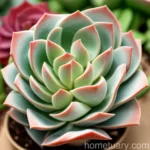
Echeveria ‘Princess Lace’ is a stunning succulent plant that has gained immense popularity among plant enthusiasts and collectors. Its delicate, pale pink leaves with ruffled edges make it an excellent choice for both indoor and outdoor cultivation. In this comprehensive guide, we will explore everything you need to know about caring for and cultivating Echeveria ‘Princess Lace’, from its basic botanical characteristics to its specific requirements for water, sunlight, soil, and more. Additionally, we will cover its uses, propagation, common diseases, pests, and provide expert tips for ensuring its optimal growth.
What is Echeveria ‘Princess Lace’?
Echeveria ‘Princess Lace’ is a cultivar of the Echeveria genus, which consists of around 150 species of flowering plants in the Crassulaceae family. These plants are native to semi-desert areas of Central America, Mexico, and northwestern South America, where they can be found growing in rocky outcrops and mountainous regions. Echeverias are characterized by their rosette-forming growth habit, fleshy leaves, and colorful flowers, and are widely cultivated for their ornamental value.
Key Takeaways:
- Plant Type: Succulent
- Scientific Name: Echeveria ‘Princess Lace’
- Common Name: Princess Lace Echeveria
- Foliage: Pale pink, ruffled leaves
- Uses: Ornamental, landscaping, container gardening
- Hardiness Zone: 9-11 (USDA)
In the following sections, we will delve into the specific cultural requirements, uses, propagation methods, and potential challenges associated with growing Echeveria ‘Princess Lace’.
Culture
Water
Echeveria ‘Princess Lace’ belongs to the category of succulent plants, which are adapted to arid environments and have evolved to store water in their leaves, stems, or roots. As a result, these plants have specific water requirements that differ from those of traditional houseplants. When it comes to watering Echeveria ‘Princess Lace’, it’s essential to strike a balance, providing enough moisture without leading to waterlogged conditions that can cause root rot.
-
Watering Frequency: Allow the soil to dry out completely between waterings. In general, watering once every 10-14 days during the growing season (spring and summer) is adequate, while reducing the frequency to once a month during the dormant period in fall and winter.
-
Watering Technique: When watering, aim to thoroughly soak the soil, allowing excess water to drain out from the bottom of the pot. Avoid misting the leaves, as excessive moisture on the foliage can promote rot and fungal diseases.
Sunlight
Proper sunlight exposure is crucial for the health and vitality of Echeveria ‘Princess Lace’. As with most succulents, they thrive in bright, indirect light and require several hours of sunlight each day to maintain their compact shape and vibrant foliage colors. When grown indoors, placing the plant near a south-facing window or providing supplemental light using grow lights can help meet its light requirements.
-
Indoor Lighting: Ensure that the plant receives at least 6 hours of indirect sunlight daily. Consider rotating the pot regularly to promote even growth and prevent the plant from leaning towards the light source.
-
Outdoor Cultivation: In outdoor settings, position Echeveria ‘Princess Lace’ in a location that receives full to partial sunlight. During hot summer months, some protection from intense midday sun can prevent sunburn and leaf damage.
Fertilizer
While Echeveria ‘Princess Lace’ is relatively low-maintenance compared to many other plant varieties, providing occasional fertilization can support healthy growth and enhance its ornamental appeal. However, it’s crucial to use a balanced, diluted fertilizer and apply it sparingly to prevent over-fertilization, which can lead to salt buildup in the soil and cause damage to the plant’s roots.
-
Fertilizer Type: Select a specialized succulent or cactus fertilizer with an N-P-K ratio of 2-7-7 or similar. Alternatively, a diluted balanced liquid fertilizer (e.g., 20-20-20) can also be used at quarter strength.
-
Frequency: Apply fertilizer once every 4-6 weeks during the active growing season, reducing or ceasing applications entirely in fall and winter when the plant is dormant.
Soil
The right soil composition is essential for the success of Echeveria ‘Princess Lace’, as it directly impacts the plant’s ability to receive adequate drainage and nutrients. Using a well-draining, fast-drying soil mix with sufficient aeration is critical for preventing root rot, one of the most common issues affecting succulents.
-
Ideal Soil Mix: Create a well-draining soil mix by combining equal parts of standard potting soil and perlite or coarse sand. Alternatively, specialized succulent or cactus potting mixes are readily available for convenient use.
-
Potting Technique: When transplanting or repotting, ensure that the new container has drainage holes to prevent water from accumulating at the bottom. Gently loosen the plant’s roots and position it in the pot, adding fresh soil around the edges and lightly pressing it down.
Pruning
Echeveria ‘Princess Lace’ generally requires minimal pruning beyond the removal of any dead or dried-out leaves. As part of regular maintenance, inspect the plant for any damaged or withered foliage and gently remove these to maintain its aesthetic appeal and overall health. Additionally, pruning can help improve air circulation and reduce the risk of disease in congested areas of the plant.
- Pruning Technique: Use clean, sharp pruning shears to carefully snip away any discolored or desiccated leaves, taking care not to damage the healthy tissue. Dispose of the trimmed foliage to prevent the spread of potential pathogens.
Propagation
Propagating Echeveria ‘Princess Lace’ is an exciting and rewarding process, allowing you to expand your collection or share the beauty of this plant with fellow enthusiasts. Several methods can be used for successful propagation, and the choice of approach often depends on individual preferences and available resources.
Leaf Cuttings
One of the most common and straightforward propagation methods for Echeverias involves utilizing leaf cuttings. This method allows you to clone the parent plant by using healthy leaf segments to develop new roots and eventually form new rosettes.
Propagation Steps:
- Select Healthy Leaves: Choose mature, healthy leaves from the outer areas of the plant, ensuring they are free from damage or signs of disease.
- Prepare for Callusing: Allow the cut ends of the leaves to dry and callus over by placing them in a shaded area for 2-3 days. This step helps prevent potential rotting during the subsequent rooting phase.
- Rooting: Once callused, position the leaf cuttings on top of a lightly moistened, well-draining soil mix. Maintain moderate humidity and indirect light to encourage the development of roots.
- New Plant Formation: Over time, tiny rosettes will begin to emerge from the base of the leaf cuttings, signifying successful rooting and the beginning of new plant growth.
Offsets (Pups)
Echeveria ‘Princess Lace’ occasionally produces offsets, also known as pups, around the base of the main rosette. These miniature plants can be carefully separated and propagated individually, resulting in new, genetically identical specimens.
Propagation Steps:
- Identify and Separate Offsets: Wait until the offsets are of sufficient size and have developed their own root systems. Gently detach them from the parent plant using a clean, sharp knife or scissors.
- Allow for Callusing: Let the separated offsets dry and callus over for a day or two to reduce the risk of rot when placed in a growing medium.
- Planting: Position the callused offsets in a suitable potting mix, lightly pressing them into the soil. Maintain regular moisture and indirect light to support their establishment.
Container Popularity
Echeveria ‘Princess Lace’ is a popular choice for container gardening and is frequently grown in pots, planters, and other decorative containers both indoors and outdoors. Its compact size, striking appearance, and adaptability to different growing environments make it an attractive option for various container settings.
-
Indoor Containers: When grown indoors, place Echeveria ‘Princess Lace’ in well-draining pots with sufficient drainage holes and a suitable succulent potting mix. Select decorative containers that complement its delicate foliage and enhance its aesthetic appeal.
-
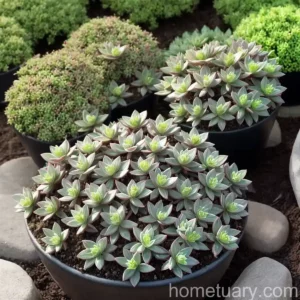
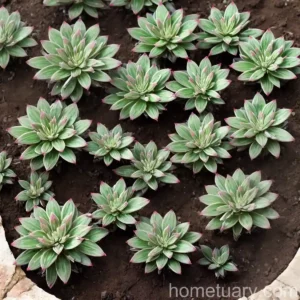
Outdoor Planters: In outdoor spaces, consider using Echeveria ‘Princess Lace’ in mixed succulent arrangements or as standalone features in garden planters and raised beds. Ensure that the containers offer good drainage and are positioned in locations that receive appropriate sunlight levels.
Common Diseases
Echeveria ‘Princess Lace’ is generally resilient against diseases when provided with suitable growing conditions and proper care. However, certain environmental factors or cultural practices can predispose the plant to specific issues that may compromise its health and appearance.
Disease Diagnosis
Recognizing and addressing potential diseases promptly is crucial for maintaining the well-being of Echeveria ‘Princess Lace’. It’s important to be vigilant and regularly inspect the plant for any signs of disease, such as unusual discoloration, spots, or wilting.
Common Diseases and Symptoms:
- Root Rot: Caused by overly wet soil conditions, leading to soft, discolored, and malodorous roots. Symptoms may include yellowing lower leaves, wilting, and a general decline in the plant’s vigor.
- Powdery Mildew: Manifests as a powdery, white coating on the foliage, usually in response to high humidity and inadequate air circulation. Infected leaves may become distorted or stunted.
- Leaf Spot: Appears as small, water-soaked lesions that later develop into dark or necrotic spots on the leaves. Leaf spots can be caused by various fungal pathogens and are exacerbated by overwatering or wet foliage.
Disease Management:
-
Prompt Action: Upon observing signs of disease, isolate the affected plant to prevent the spread of pathogens to other specimens. Consider trimming and disposing of severely infected foliage to reduce the pathogen load.
-
Adjusting Cultural Practices: Review your watering, humidity, and ventilation strategies to ensure they align with the plant’s needs. Avoid overhead watering and reduce humidity levels if necessary to discourage disease development.
Common Pests
In addition to potential diseases, Echeveria ‘Princess Lace’ may face challenges from various insect pests that can compromise its health and vitality. Monitoring the plant regularly and implementing preventative measures can help prevent pest infestations from becoming severe.
Pest Identification:
- Mealybugs: Small, cottony insects that often congregate in protected areas of the plant, such as leaf axils and the undersides of leaves. Mealybug infestations can lead to stunted growth and yellowing foliage.
- Aphids: Tiny, soft-bodied insects that feed on plant sap, causing distorted growth and the development of sticky honeydew on the foliage. Aphids can multiply rapidly and weaken the plant over time.
- Spider Mites: Nearly microscopic pests that thrive in dry, warm conditions, often resulting in stippled or discolored leaves and fine webbing on the plant’s surface.
Pest Control:
-
Natural Predators: Encourage the presence of beneficial insects, such as ladybugs and lacewings, which are voracious predators of common garden pests. Introducing these natural enemies can help manage pest populations.
-
Organic Solutions: Utilize organic insecticidal soaps or neem oil sprays to target and control soft-bodied pests like aphids and mealybugs. Thoroughly coat the affected areas of the plant to ensure effective coverage.
-
Cultural Practices: Regularly cleaning and inspecting the plant, maintaining suitable humidity levels, and providing adequate ventilation can all contribute to preventing pest infestations.
Botanist’s Tips
Expert Recommendations for Success:
-
Adequate Drainage: Always ensure that the plant’s container or planting site provides excellent drainage to minimize the risk of water-related issues such as root rot.
-
Warm Environment: Echeveria ‘Princess Lace’ thrives in warm, sunny conditions and can benefit from being placed outdoors in the summer to receive ample sunlight.
-
Minimal Watering: Err on the side of underwatering rather than overwatering, as succulents are adapted to withstand periods of drought and are susceptible to root rot in excessively moist soil.
-
Regular Maintenance: Periodically check the plant for signs of pests or diseases, and remove any debris or dead leaves to promote a tidy appearance and healthy growth.
-
Protect from Frost: If grown outdoors, provide suitable protection during cold spells to shield the plant from frost damage, which can occur in regions with cooler winter temperatures.
Fun Facts
- The delicate, ruffled leaves of Echeveria ‘Princess Lace’ earned it the moniker “Princess Lace” due to their intricate and elegant appearance.
- Echeverias, including ‘Princess Lace’, are known for their effortless beauty and are often featured in succulent gardens, terrariums, and rock gardens due to their ornamental value.
- The genus Echeveria is named in honor of Atanasio Echeverría, a botanical artist from Mexico renowned for his illustrations of plants.
Links to External Resources
For additional information and resources on Echeveria ‘Princess Lace’, including care guides, propagation tips, and landscaping ideas, consider exploring the following links:
- The Ultimate Guide to Succulent Care
- How to Propagate Echeveria from Leaf Cuttings
- Succulent Container Ideas for Stunning Displays
Echeveria ‘Princess Lace’ is a remarkable succulent with a distinctive allure that captivates plant enthusiasts worldwide. By understanding its specific care requirements, propagation methods, and potential challenges, you can cultivate and showcase this elegant plant successfully, whether as an indoor centerpiece, garden accent, or part of your cherished succulent collection.
As you embark on your journey of nurturing Echeveria ‘Princess Lace’, remember to embrace its unique qualities and appreciate the beauty it brings to any living space or outdoor setting. With proper care and attention, this delightful succulent is sure to grace your surroundings with its enchanting presence for years to come.