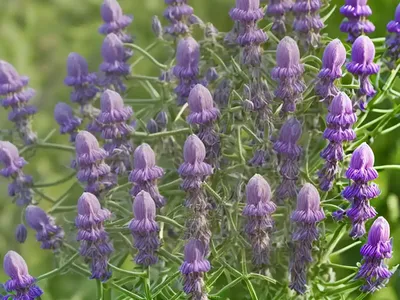
Mimosa (Mimosa Pudica)
The Sensitive Plant, scientifically known as Mimosa pudica, is a fascinating plant known for its unique characteristic of rapidly closing its leaves in.
The Sensitive Plant, scientifically known as Mimosa pudica, is a fascinating plant known for its unique characteristic of rapidly closing its leaves in response to touch. This peculiar behavior has earned it several interesting names such as the Touch Me Not Plant, Shy Plant, Sleeping Grass, and many more. In this comprehensive guide, we will explore the various aspects of the Sensitive Plant, including its culture, uses, care requirements, common diseases, pests, as well as propagation and pruning techniques.
What is the Sensitive Plant (Mimosa pudica)?
Overview
Mimosa pudica is a creeping annual or perennial herb that belongs to the pea family, Fabaceae. The species is native to South and Central America but has been naturalized in various tropical and subtropical regions around the world. It is renowned for its unique response to touch, where its fern-like compound leaves close rapidly and re-open within minutes. This phenomenon is the plant’s defense mechanism against potential threats in its natural habitat.
Taxonomy
- Family: Fabaceae (pea family)
- Genus: Mimosa
- Species: pudica
Morphology
The Sensitive Plant typically grows to a height of 30–60 cm (12–24 in) and has a spread of 30–45 cm (12–18 in). Its leaves are bipinnately compound with small leaflets arranged in multiple pairs, giving the plant a delicate and feathery appearance. The plant also produces small globular pink or purple flowers that are arranged in cylindrical spikes.
Common Names
The plant is known by various common names, each reflecting its unique characteristic of leaf movement in response to touch. Some of the common names include:
– Sensitive Plant (Mimosa pudica)
– Touch Me Not Plant
– Shy Plant (Mimosa pudica)
– Sleeping Grass (Mimosa pudica)
– Bashful Plant (Mimosa pudica)
Key Takeaways: Sensitive Plant (Mimosa pudica)
Before delving into the specifics of caring for the Sensitive Plant, it’s important to understand some key takeaways about this captivating species.
- The Sensitive Plant (Mimosa pudica) exhibits rapid leaf movements in response to touch, making it a fascinating addition to any indoor or outdoor plant collection.
- It is known by a multitude of names such as Touch Me Not Plant, Sleeping Grass, and Shy Plant, reflecting its shy and responsive nature.
- Mimosa pudica has cultural and medicinal uses, and its leaves may exhibit sensitivity not only to touch but also to other stimuli like temperature and light changes.
Culture
Uses
The Sensitive Plant (Mimosa pudica) has multiple uses, ranging from botanical curiosity to medicinal applications.
Botanical Curiosity
The unique trait of rapid leaf closure upon touch makes the Sensitive Plant a popular choice for botanical enthusiasts, classrooms, and educational exhibits. The plant’s interactive nature offers an intriguing opportunity for studying plant behavior and adaptation.
Medicinal Applications
In traditional medicine, Mimosa pudica has been used for various medicinal purposes in different parts of the world. Its potential therapeutic properties have been explored in traditional systems such as Ayurveda and traditional Chinese medicine. The plant is believed to possess anti-inflammatory, analgesic, and wound healing properties, and is used to treat conditions such as skin disorders, gastrointestinal issues, and respiratory ailments.
Water
Proper watering is essential for the health and vitality of the Sensitive Plant. While it is important to keep the soil consistently moist, it is equally crucial to avoid overwatering, as this can lead to root rot and other moisture-related issues.
Watering Guidelines
- Water the plant when the top inch of the soil feels dry to the touch.
- Use room temperature water to avoid shocking the plant with cold water.
- Ensure proper drainage to prevent waterlogging, especially in container-grown specimens.
Sunlight
The Sensitive Plant thrives in bright, indirect sunlight but can also adapt to partial shade conditions.
Sunlight Requirements
- Place the plant in a location that receives bright, indirect light for at least 6-8 hours a day.
- Protect the plant from direct sun during the hottest parts of the day, especially in regions with intense sunlight.
Fertilizer
Proper fertilization provides the essential nutrients needed for robust growth and healthy foliage in the Sensitive Plant.
Fertilization Tips
- Use a balanced, water-soluble fertilizer formulated for houseplants or ornamental foliage plants during the growing season.
- Apply fertilizer at half the recommended strength every 4-6 weeks to avoid over-fertilization, which can harm the plant.
Soil
Choosing the right soil mix is crucial for the overall well-being of the Sensitive Plant. Well-draining and nutrient-rich soil is essential for healthy root development and optimal growth.
Soil Requirements
- Use a well-draining potting mix with a balanced combination of organic matter, such as peat moss or compost, and inorganic materials like perlite or sand.
- Ensure adequate aeration and moisture retention in the soil to promote healthy root development.
Pruning
Regular pruning helps maintain the Sensitive Plant’s compact and bushy growth habit while also managing its overall size for a more aesthetically pleasing appearance.
Pruning Guidelines
- Prune the plant to remove any leggy or spindly growth, encouraging a more bushy and compact form.
- Trim back any damaged or yellowing leaves to promote new growth and reduce the risk of disease.
Propagation
The Sensitive Plant can be easily propagated from seeds or cuttings, allowing plant enthusiasts to expand their collection or share the fascinating nature of this species with others.
Propagation Methods
- Seed Propagation: Sow seeds in a well-draining potting mix, keeping the soil consistently moist until germination occurs.
- Stem Cuttings: Take 3-4 inch stem cuttings from healthy, mature plants and place them in a container with a rooting hormone. Keep the cuttings moist until rooting occurs.
Container Popularity
The Sensitive Plant is an ideal choice for container gardening, making it a popular addition to indoor plant collections and outdoor patio displays.
Indoor Containers
- Due to its compact size and sensitivity to touch, the Sensitive Plant makes an excellent choice for indoor containers, providing a fascinating conversation piece for home or office spaces.
- Use decorative containers to showcase the unique leaf movements and add a touch of nature to interior décor.
Outdoor Containers
- In regions with warm and humid climates, the Sensitive Plant can be grown in outdoor containers on patios or balconies, where it can benefit from the fresh air and natural sunlight.
- Ensure the containers have proper drainage to prevent waterlogging during heavy rainfall.
Common Diseases
While the Sensitive Plant is relatively resistant to many common plant diseases, certain issues may arise under unfavorable growing conditions.
Disease Susceptibility
- Root Rot: Overwatering or poorly draining soil can lead to root rot, causing the plant to wilt and exhibit yellowing leaves.
- Powdery Mildew: In humid and poorly ventilated environments, the Sensitive Plant may be susceptible to powdery mildew, characterized by a white powdery growth on the leaves.
- Leaf Spot: Fungal pathogens can cause dark, water-soaked spots on the foliage, leading to leaf yellowing and premature leaf drop.
Disease Prevention and Management
- Provide proper air circulation around the plant to minimize humidity and reduce the risk of fungal diseases.
- Ensure well-draining soil and avoid overwatering to prevent the onset of root rot.
- If disease symptoms are observed, treat the plant with appropriate fungicides or adjust the growing conditions to mitigate the spread of the disease.
Disease Diagnosis
Diagnosing plant diseases accurately is essential for implementing effective treatment measures and preventing the spread of infections that can potentially affect the entire plant collection.
Symptom Recognition
- Leaf Wilting: Examine the plant for signs of wilting, which can be indicative of root rot or other moisture-related issues.
- Fungal Growth: Look for powdery white patches or dark spots on the leaves, indicating the presence of powdery mildew or leaf spot diseases.
- Yellowing Leaves: Yellowing and browning of leaves can suggest nutrient deficiencies or water-related stress.
Pathogen Identification
- Consider sending a sample of the affected plant parts to a plant pathology laboratory for accurate identification of the causative pathogens.
- Consult with experienced plant specialists or extension services to assess and diagnose plant diseases accurately.
Common Pests
Despite being relatively resistant to pests, the Sensitive Plant may occasionally encounter pest issues, particularly when grown in indoor environments.
Pest Identification
- Aphids: These small, sap-sucking insects can infest the tender new growth, causing leaf curling and distorted growth.
- Whiteflies: Whitefly infestations often lead to yellowing and weakening of the plant, accompanied by the presence of tiny white insects on the undersides of the leaves.
- Spider Mites: Infestations by spider mites can result in fine webbing on the plant and stippled, discolored leaves.
Pest Control
- Use a gentle spray of water to dislodge aphids and whiteflies from the plant.
- Introduce natural predators such as ladybugs or predatory mites to manage pest populations in an eco-friendly manner.
- For severe infestations, consider using insecticidal soaps or horticultural oils to control and eliminate pests without harming the plant or the surrounding environment.
Botanist’s Tips
As a plant scientist with a keen interest in the unique characteristics and behavior of the Sensitive Plant, here are some exclusive insights and tips for enthusiasts and botanists.
Tips for Observing Leaf Movements
- Use a gentle touch or a puff of air to observe the rapid leaf closure and re-opening in the Sensitive Plant.
- Experiment with different stimuli, such as light changes or temperature variations, to study the plant’s response to various environmental cues.
Experimenting with Plant Responses
- Document the plant’s responses using time-lapse photography or videos to observe the precise movements of the leaves.
- Encourage interactive learning by engaging students and children in hands-on activities that showcase the unique behavior of the Sensitive Plant.
Fun Facts
Unveiling some intriguing and lesser-known facts about the Sensitive Plant that add to its allure and captivating nature.
- The Sensitive Plant’s leaf-closing mechanism is an adaptive behavior to deter herbivores and potential threats in its natural habitat, demonstrating its remarkable ability to respond to external stimuli.
- Despite its sensitivity to touch, the Sensitive Plant is robust and adaptable, making it an ideal choice for both novice and experienced plant enthusiasts.
- The plant’s unique characteristic has inspired numerous cultural interpretations, leading to a wide array of captivating names such as Shivering Mimosa, Startled Plant, and Nervous Plant (Mimosa pudica).
Links to External Resources
For further exploration and in-depth understanding of the Sensitive Plant, consider accessing the following external resources:
- The University of Florida IFAS Extension – Mimosa pudica L. Sensitive Plant
- Royal Botanic Gardens, Kew – Mimosa pudica
- Missouri Botanical Garden – Mimosa pudica
- American Society for the Prevention of Cruelty to Plants – Experiments with Sensitive Plant, Mimosa pudica
- National Center for Biotechnology Information – Mimosa pudica: Uses, Phytochemistry, and Ethnopharmacology of the ‘Sensitive Plant’
With its fascinating leaf movements, unique cultural significance, and potential medicinal applications, the Sensitive Plant (Mimosa pudica) remains an enchanting subject for plant enthusiasts, researchers, and educators alike. Embracing the responsive and interactive nature of this species, one can embark on a captivating journey through the realms of plant behavior and adaptation, exploring the wonders of the natural world from an entirely different perspective.