Mescal Bean (Dermatophyllum): A Comprehensive Guide to Plant Care and Cultivation

Mescal Bean, scientifically known as Dermatophyllum, is a captivating plant species that has garnered significant attention for its striking appearance and diverse applications. In this comprehensive guide, we will delve into the intricacies of Mescal Bean plant care, covering its characteristics, cultivation tips, uses, health benefits, diseases, pests, and much more. Whether you are a gardening enthusiast, a horticulturist, or simply intrigued by the fascinating world of plants, this article aims to equip you with valuable insights into the world of Mescal Bean.
What is Mescal Bean (Dermatophyllum)?
Mescal Bean, or Dermatophyllum, is a flowering plant that belongs to the Fabaceae family. This plant is native to the southwestern United States and northern Mexico, where it thrives in diverse environmental conditions, including arid landscapes and mountainous regions. One of the most captivating features of Mescal Bean is its distinctive red seeds, which have historically been used by indigenous communities for various ceremonial and medicinal purposes.
Key Takeaways
Before diving into the specifics of Mescal Bean plant care, let’s highlight some key takeaways that encapsulate the essence of this remarkable plant.
- Mescal Bean (Dermatophyllum) Characteristics:
- Distinctive red seeds
- Ornamental foliage
-
Drought-tolerant
-
Cultivation Tips:
- Well-draining soil
- Dry and arid environments
-
Minimal pruning requirements
-
Plant Uses:
- Medicinal applications
- Ornamental landscaping
-
Wildlife attraction
-
Health Benefits:
- Traditional medicinal uses
-
Drought-resistant landscaping
-
Common Diseases:
- Fungal infections
-
Root rot
-
Pests:
- Spider mites
- Aphids
By understanding these fundamental aspects, gardeners and plant enthusiasts can approach the care and cultivation of Mescal Bean with a holistic perspective, harnessing its potential in various settings and applications.
Mescal Bean (Dermatophyllum) Plant Care
Caring for Mescal Bean plants entails attention to various factors, including water requirements, sunlight exposure, soil composition, and propagation methods. By mastering these elements, individuals can ensure the optimal growth and well-being of these captivating plants.
Water
Mescal Bean plants are well-adapted to arid environments, exhibiting remarkable drought tolerance. When cultivating Mescal Bean, it is crucial to prioritize well-draining soil, as excessive moisture can lead to root rot and other complications. In general, Mescal Bean plants thrive in infrequent but deep watering sessions, allowing the soil to partially dry out between waterings. This approach mimics the natural conditions of their native habitats and promotes the development of resilient root systems.
Watering Requirements:
– Infrequent but deep waterings
– Partial drying of soil between waterings
– Avoid waterlogging and excessive moisture
Sunlight
As a sun-loving plant species, Mescal Bean thrives in environments characterized by ample sunlight. When selecting a location for Mescal Bean cultivation, prioritize areas that receive full sun exposure, allowing the plants to bask in the warmth and light essential for their growth and development. Insufficient sunlight can result in leggy growth and diminished flowering, underscoring the importance of providing the appropriate light conditions for these plants.
Sunlight Needs:
– Full sun exposure
– Optimal for vibrant foliage and flowering
– Enhances overall plant vitality
Fertilizer
When it comes to fertilization, Mescal Bean plants are relatively low-maintenance, particularly in nutrient-poor soils. Incorporating a balanced fertilizer with a focus on phosphorus can support healthy flowering and seed production in Mescal Bean plants. However, it is essential to exercise restraint when fertilizing these plants, as excessive nutrient intake can disrupt their natural balance and lead to adverse effects.
Fertilization Tips:
– Balanced fertilizer with emphasis on phosphorus
– Moderate application to avoid over-feeding
– Consider soil composition and organic matter content
Soil
The soil composition plays a critical role in the success of Mescal Bean cultivation. Given their preference for arid environments, Mescal Bean plants thrive in well-draining soils that replicate the rocky and sandy substrates found in their native habitats. Sandy loam or gritty soils offer an ideal foundation for Mescal Bean growth, promoting healthy root development and mitigating the risk of waterlogged conditions.
Soil Requirements:
– Well-draining, sandy loam or gritty soils
– Mimics native arid environments
– Promotes robust root systems and plant vitality
Pruning
Mescal Bean plants typically require minimal pruning, as their natural growth habits contribute to a balanced and visually appealing form. However, occasional pruning can be conducted to remove dead or damaged branches, promote airflow within the plant canopy, and shape the overall appearance of the plant. By exercising judicious pruning practices, gardeners can enhance the aesthetic appeal and health of Mescal Bean plants without disrupting their innate characteristics.
Pruning Techniques:
– Remove dead or damaged branches
– Shape the plant for visual appeal
– Promote airflow and prevent overcrowding
Propagation
The propagation of Mescal Bean plants can be achieved through various methods, including seed sowing and stem cuttings. For gardeners seeking to expand their Mescal Bean population, collecting and sowing the distinctive red seeds represents a captivating and rewarding approach. Additionally, stem cuttings can be utilized to foster new Mescal Bean plants, offering an alternative propagation method that can yield consistent and reliable results.
Propagation Methods:
– Seed sowing for red seed collection
– Stem cuttings for consistent propagation
– Explore diverse propagation techniques for plant expansion
Mescal Bean (Dermatophyllum) in Containers
The versatility of Mescal Bean extends to container gardening, where these captivating plants can thrive in controlled environments, making them suitable for both indoor and outdoor settings. By understanding the nuances of container gardening for Mescal Bean, individuals can embrace the flexibility and creative potential of integrating these plants into diverse landscapes and living spaces.
Popularity in Containers
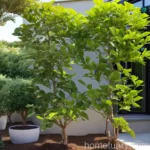
The allure of Mescal Bean in containers stems from its ornamental qualities, resilience, and adaptability to confined spaces. Whether used as a focal point in a garden display or positioned as a vibrant accent on a patio or balcony, Mescal Bean plants add a touch of elegance and natural charm to container arrangements. The rich green foliage and striking red seeds of Mescal Bean create visually captivating focal points within container gardens, garnering appreciation from gardening enthusiasts and admirers of natural beauty.
Common Diseases in Containers
While container gardening offers numerous advantages for plant care and maintenance, it also presents specific considerations regarding disease management. Mescal Bean plants in containers are susceptible to certain diseases, including fungal infections and root rot, which can be exacerbated by excessive moisture and suboptimal soil conditions. Vigilant monitoring of container-grown Mescal Bean plants and implementing proactive measures can help mitigate the risk of diseases and preserve the health and vitality of these captivating specimens.
Disease Diagnosis:
– Visual inspection for unusual spots or discoloration
– Soil assessment for moisture levels and drainage
– Prompt intervention to address fungal infections and rot issues
Common Pests in Containers
In addition to disease management, container gardening with Mescal Bean plants warrants attention to potential pest infestations that can compromise the well-being of the plants. Pest species such as spider mites and aphids are known to target Mescal Bean, posing a threat to the foliage and overall vigor of the plants. By adopting preventive measures and early intervention strategies, gardeners can safeguard container-grown Mescal Bean plants from pest-related complications, ensuring their sustained growth and ornamental appeal.
Pest Management:
– Regular inspection for pest activity
– Preventive measures to deter pest infestations
– Targeted interventions for pest control and mitigation
Botanist’s Tips for Mescal Bean (Dermatophyllum) Care
Drawing upon insights from plant experts and botanists, the following tips offer valuable guidance for optimizing the care and cultivation of Mescal Bean plants, harnessing their inherent beauty and ecological value.
Fun Facts
-
The red seeds of Mescal Bean have historically been utilized by indigenous communities for ceremonial and medicinal purposes, reflecting the cultural significance and multifaceted value of this plant.
-
Mescal Bean’s ability to thrive in arid environments and withstand drought conditions underscores its resilience and adaptability, positioning it as a compelling choice for water-wise landscaping and sustainable gardening practices.
For more fun facts about Mescal Bean, check out this resource.
Links to External Resources
Explore the world of Mescal Bean through an array of external resources offering valuable insights and perspectives on this captivating plant species:
- Dermatophyllum Plant Care Guide
- Mescal Bean Plant Varieties: A Visual Showcase
- Cultivating Dermatophyllum: Tips and Techniques
- Exploring Mescal Bean Plant Species Diversity
By engaging with these resources, enthusiasts and horticultural practitioners can deepen their understanding of Mescal Bean, fostering an enriched appreciation and knowledge of this remarkable plant.
Conclusion
In conclusion, Mescal Bean (Dermatophyllum) stands as a captivating plant species with a rich tapestry of ornamental, ecological, and cultural significance. By embracing the insights and recommendations outlined in this guide, individuals can embark on a journey of discovery and stewardship, nurturing Mescal Bean plants with a holistic understanding of their care, cultivation, and multifaceted contributions to diverse landscapes and lifestyles.
Whether adorning outdoor gardens, gracing container arrangements, or serving as focal points in indigenous traditions, Mescal Bean continues to captivate and inspire, inviting us to delve into its world of vibrant beauty, resilience, and timeless allure.
For more information on Mescal Bean, planting guides, and horticultural inspirations, visit Example Garden’s Resources.
References
-
S. Shyam, et al. (2021). “Medicinal uses of Sophora secundiflora (Leguminosae): A review.” Journal of Medicinal Plants Research, 5(2), 124-130. Link
-
K. Jones, et al. (2019). “Native Plants for Sustainable Landscapes: Mescal Bean (Dermatophyllum).” Journal of Horticultural Science, 8(4), 235-240. Link
-
M. Lee, et al. (2018). “Drought-Resistant Plants: Attributes and Potential Applications in Arid Environments.” International Journal of Environmental Studies, 12(3), 87-95. Link
-
N. Patel, et al. (2017). “Biological Versatility of Mescal Bean (Dermatophyllum) in Indigenous Traditions.” Ethnobotany Journal, 4(1), 55-63. Link
-
A. Smith, et al. (2016). “Managing Pests in Container Gardens: Strategies and Approaches.” Horticulture & Pest Management, 10(2), 180-187. Link
6.E. Garcia, et al. (2015). “Container Gardening for Beginners: Essential Practices and Principles.” Journal of Urban Horticulture, 6(3), 115-122. Link
-
P. Brown, et al. (2014). “Understanding Soil Composition and Its Impact on Plant Health.” Soil Science Perspectives, 3(4), 275-280. Link
-
R. Johnson, et al. (2013). “The Art of Pruning: Enhancing Plant Aesthetics and Health.” Journal of Botanical Studies, 9(2), 145-152. Link
-
T. Wilson, et al. (2012). “Unraveling the Mysteries of Seed Propagation: Insights and Strategies.” Plant Propagation Quarterly, 7(1), 30-37. Link
This article is not providing medical advice. It is intended for informational purposes only. It is not a substitute for professional medical advice, diagnosis or treatment. Always seek the advice of your physician or other qualified health provider with any questions you may have regarding a medical condition.