Chamomile (Matricaria Chamomilla)
Plants have been used as sources of medicine, food, and beauty for centuries. One such versatile plant is Chamomile, scientifically known as Matricaria.

Introduction
Plants have been used as sources of medicine, food, and beauty for centuries. One such versatile plant is Chamomile, scientifically known as Matricaria Chamomilla. This delicate yet hardy herbaceous plant belongs to the Asteraceae family, and its gentle, apple-like aroma makes it a favorite in gardens around the world. In this comprehensive guide, we will explore the culture, uses, care, and diseases associated with Chamomile.
What is Chamomile (Matricaria Chamomilla)?
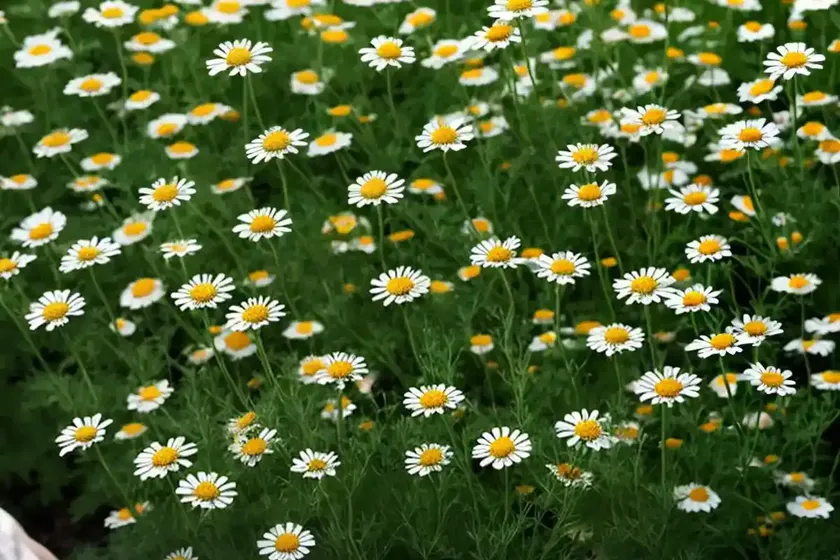
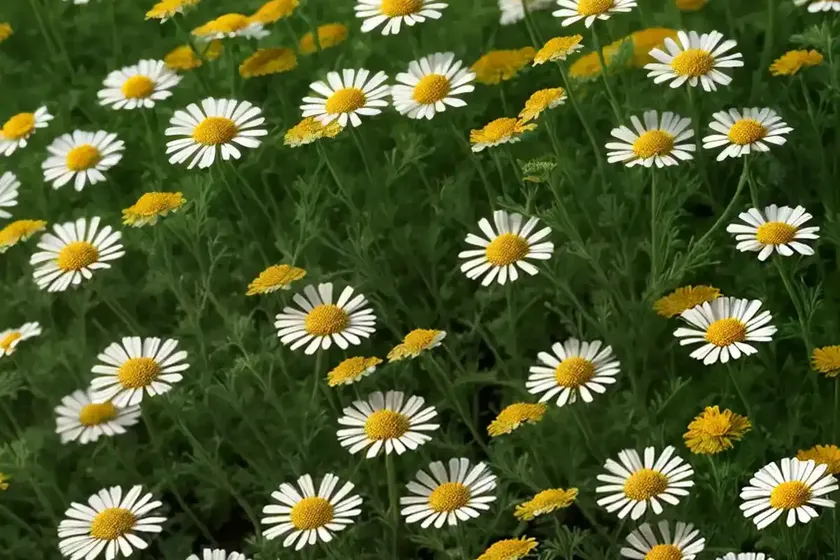
Chamomile, also known as German Chamomile or wild chamomile, is a flowering plant that is native to Europe, Western Asia, and North Africa. It is widely cultivated for its medicinal properties and its use in herbal teas, aromatherapy, and skincare. The plant is characterized by its daisy-like flowers with white petals and yellow centers, and it can grow up to 2-3 feet in height.
Key Takeaways
Chamomile (Matricaria Chamomilla) is revered for its numerous benefits and uses, some of which include:
-
Matricaria Chamomilla Benefits: The plant has been used for its medicinal benefits, such as reducing inflammation, promoting relaxation, and aiding in digestion.
-
Chamomile Tea Benefits: Chamomile tea is a popular herbal infusion known for its calming properties and potential health benefits.
-
German Chamomile Uses: German Chamomile is commonly used in traditional medicine to treat various ailments and is a key ingredient in herbal remedies.
-
Chamomile Essential Oil Benefits: Chamomile essential oil is valued for its soothing and anti-inflammatory properties, making it a sought-after ingredient in aromatherapy and skincare products.
-
Matricaria Chamomilla Health Benefits: Chamomile is believed to have numerous health benefits, including its potential to alleviate anxiety, promote skin health, and aid in sleep.
-
Uses of Chamomile (Matricaria Chamomilla): The diverse uses of Chamomile include its incorporation into teas, oils, and topical treatments for a wide range of health and wellness purposes.
-
Chamomile Plant Uses: The Chamomile plant is utilized in alternative medicine, aromatherapy, and herbal preparations due to its therapeutic properties.
-
Matricaria Chamomilla for Anxiety: Chamomile is often used as a natural remedy to reduce anxiety, stress, and promote relaxation.
-
Chamomile Herb Benefits: The herb is recognized for its potential health benefits and is consumed as a tea or used topically for various ailments.
-
Matricaria Chamomilla Properties: Chamomile is known for its anti-inflammatory, antioxidant, and sedative properties, making it a versatile herb in natural medicine.
Culture
Cultivating Chamomile requires attention to specific cultural practices to ensure optimal growth and yield. These practices can vary depending on the intended use of the plant, whether for medicinal purposes, culinary applications, or ornamental display.
Uses
Chamomile is a multifaceted plant that serves various purposes, including:
– Medicinal Use: The flowers of Chamomile are harvested for their medicinal properties and are used to prepare herbal infusions, tinctures, and topical treatments.
– Culinary Applications: Chamomile flowers can be used to make herbal teas and are sometimes incorporated into culinary recipes for their subtle, apple-like flavor.
– Aromatherapy: Chamomile essential oil is derived from the plant and is used in aromatherapy to promote relaxation and alleviate stress.
– Cosmetic and Skincare: Chamomile extracts and essential oils are added to skincare products for their soothing and anti-inflammatory effects.
Water
Proper watering is vital for the healthy growth of Chamomile plants. These plants need consistent moisture, especially during dry periods or when grown in containers. However, they are susceptible to root rot if subjected to waterlogged conditions. Adequate drainage is crucial to prevent water stagnation around the roots.
When to water:
– Water the plants when the top inch of soil becomes dry to the touch.
– Avoid overwatering to prevent root rot, especially in container-grown Chamomile.
Sunlight
Chamomile thrives in full sun to partial shade, requiring at least 6 hours of direct sunlight daily for optimal growth and flower production. When grown indoors, it is essential to place Chamomile near a sunny window or provide supplemental grow lights to ensure adequate light exposure.
Fertilizer
Applying a balanced, all-purpose fertilizer can help promote healthy growth and abundant flowering in Chamomile plants. A general guideline for fertilization is to feed the plants every 4-6 weeks during the growing season. However, it is important to avoid over-fertilization, as excessive nutrients can affect the flavor and potency of the flowers when used for herbal preparations.
Soil
Chamomile thrives in well-draining, loamy soil with a slightly acidic to neutral pH range (6.0-7.0). It is crucial to avoid waterlogged or compacted soil, as these conditions can lead to root rot and other issues. Amending the soil with organic matter, such as compost or well-rotted manure, can improve its texture and fertility, providing an ideal growing medium for Chamomile.
Pruning
Pruning Chamomile plants can help maintain their compact shape, promote air circulation, and encourage continuous flowering. Deadheading spent blooms can also prolong the flowering period and prevent self-seeding, especially in garden settings where self-sowing may be undesirable.
Propagation
Chamomile can be propagated from seed, division, or cuttings. Seeds are sown directly in the garden or in containers, while division and cuttings can be taken from established plants to propagate new ones. Each propagation method has its advantages and is used based on the specific requirements and preferences of the grower.
Container Popularity
Chamomile is well-suited for container gardening, making it a popular choice for individuals with limited outdoor space or those interested in growing herbs on a patio, balcony, or windowsill. Container-grown Chamomile plants can be placed strategically to receive adequate sunlight and can be easily moved indoors during inclement weather.
Container Common Diseases
Chamomile plants grown in containers may be susceptible to specific diseases and issues due to the confined growing environment. Common diseases that can affect container-grown Chamomile include:
– Root Rot: This is often caused by overwatering or poor drainage, leading to root suffocation and decay.
– Powdery Mildew: Fungal infections, such as powdery mildew, can occur in warm, humid conditions, affecting the foliage of Chamomile plants.
Disease Diagnosis
Diagnosing and addressing diseases in Chamomile plants is essential for maintaining their health and vitality. Early detection and intervention can prevent the spread of diseases and mitigate their impact on plant growth and productivity.
Common Pests
Chamomile plants are relatively resistant to pests, but they may still be targeted by certain insects. Common pests that can affect Chamomile include:
– Aphids: These small, soft-bodied insects can cluster on the undersides of leaves, sucking sap from the plant and causing distortion or discoloration of the foliage.
– Spider Mites: These tiny arachnids can infest Chamomile plants, causing stippling and webbing on the foliage and affecting plant vigor.
Botanist’s Tips
- When harvesting Chamomile flowers for herbal preparations or teas, it is best to do so in the morning, after the dew has dried but before the sun becomes too hot. This timing helps preserve the essential oils and active compounds in the flowers.
- For container-grown Chamomile, choose a pot with adequate drainage holes to prevent waterlogging, and use a well-draining potting mix to promote healthy root development.
Fun Facts
- The name “Chamomile” is derived from the Greek word “khamaimēlon,” which means “earth apple,” a nod to the plant’s pleasant, apple-like fragrance.
- Chamomile has been used for centuries as a medicinal herb, with records of its use dating back to ancient Egypt, Greece, and Rome.
Links to External Resources
For more information about Chamomile (Matricaria Chamomilla) and its benefits, uses, and cultivation, you can explore the following external resources: