Mazzard Cherry (Prunus Avium)
As plant scientists, we are constantly fascinated by the diverse and captivating world of plant species. In this comprehensive guide, we will explore the.
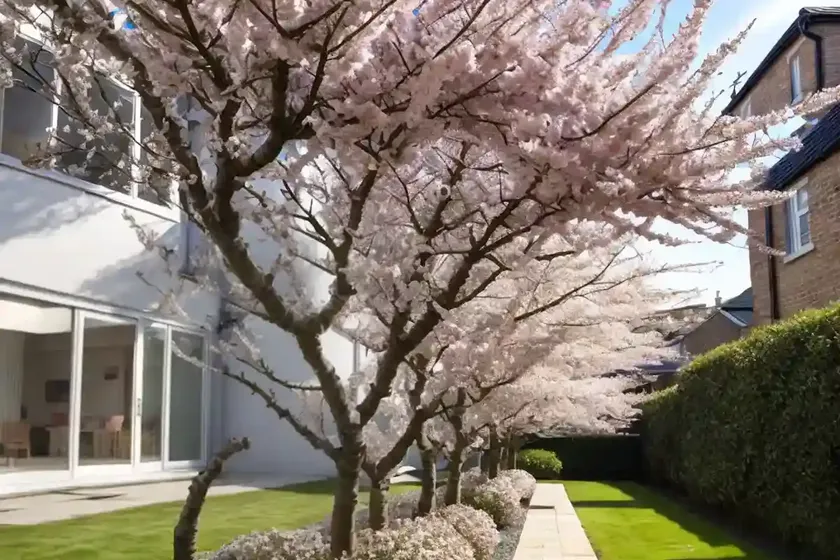
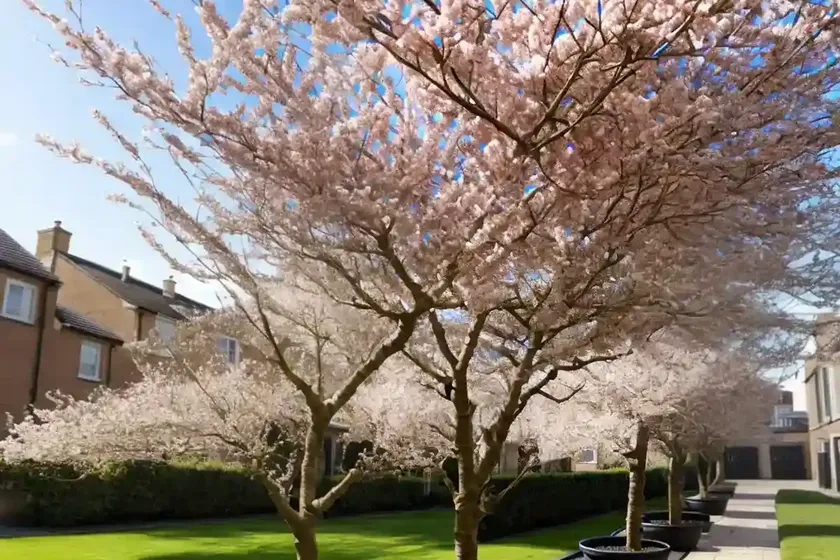
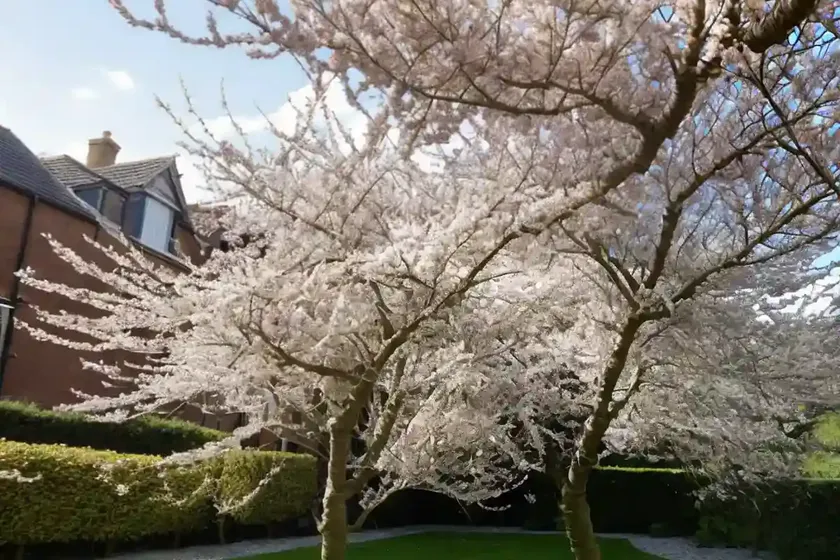
As plant scientists, we are constantly fascinated by the diverse and captivating world of plant species. In this comprehensive guide, we will explore the Mazzard Cherry (Prunus avium), a beloved species known for its ornamental and culinary uses, as well as its ecological significance. We will delve into its characteristics, cultural requirements, uses, and potential health benefits. Furthermore, we will provide insights into the best cultivation practices, disease and pest management, and various interesting facts about this remarkable species.
What is Mazzard Cherry (Prunus avium)?
Mazzard Cherry, scientifically known as Prunus avium, is a species of cherry tree belonging to the Rosaceae family. It is native to Europe and western Asia and is widely cultivated for its delicious fruits, vibrant spring blossoms, and its value as a timber tree. The Mazzard Cherry is a deciduous tree that can attain significant heights and features glossy green leaves and clusters of small, white flowers. The tree produces small, round, dark-red to black cherries that are traditionally used in culinary applications such as jams, pies, and preserves.
Key Takeaways – Mazzard Cherry (Prunus avium)
Before delving into the details of Mazzard Cherry cultivation and care, let’s explore some fundamental aspects of this remarkable species.
- Scientific Name: Prunus avium
- Common Name: Mazzard Cherry
- Family: Rosaceae
- Native Habitat: Europe and western Asia
- Notable Traits: Deciduous tree, small white flowers, dark-red to black cherries
Now, let’s delve deeper into the specific aspects of Mazzard Cherry cultivation and care.
Culture
Water
Mazzard Cherry trees generally prefer well-drained soil and regular watering, especially during the drier periods. Adequate moisture is crucial for the development of the tree and the production of high-quality cherries. While these trees can withstand brief periods of drought, consistent watering is essential for optimal growth and fruit production, particularly during the flowering and fruiting stages.
Sunlight
As with many fruit-bearing trees, Mazzard Cherries thrive in full sunlight. They require a minimum of six to eight hours of direct sunlight daily to ensure robust growth and abundant fruit production. When selecting a planting location, it is advisable to choose a site with ample sunlight exposure and protection from strong winds, as excessive wind can damage blossoms and impact fruit set.
Fertilizer
Proper fertilization plays a significant role in the healthy growth and fruit production of Mazzard Cherry trees. A balanced fertilizer, such as a 10-10-10 NPK formulation, can be applied in early spring before the onset of new growth. Organic fertilizers, such as aged compost or well-rotted manure, can also be used to supplement the soil with essential nutrients. It is important to follow the recommended application rates and to avoid excessive nitrogen fertilization, which may lead to excessive vegetative growth at the expense of fruit production.
Soil
Mazzard Cherry trees thrive in well-drained, loamy soil with a slightly acidic to neutral pH. A soil pH ranging from 6.0 to 7.0 is considered ideal for these trees. Prior to planting, it is advisable to conduct a soil test to assess the pH and nutrient levels. Amending the soil with organic matter, such as compost or peat moss, can improve the soil structure and fertility, ensuring a conducive environment for the establishment and growth of Mazzard Cherry trees.
Pruning
Pruning is an essential aspect of Mazzard Cherry tree care, playing a pivotal role in shaping the tree, promoting optimal fruit production, and maintaining overall tree health. Pruning should be carried out during the dormant season, typically in late winter or early spring. The primary objectives of pruning Mazzard Cherry trees include:
-
Thinning: Removing overcrowded or crossing branches to improve air circulation and sunlight penetration within the canopy, thereby reducing the risk of disease and promoting uniform fruit ripening.
-
Height Management: Controlling the height of the tree by selectively removing excessive vertical growth to maintain a manageable and easily harvestable tree structure.
-
Disease Management: Pruning out dead, diseased, or damaged wood to mitigate the risk of disease spread and to enhance overall tree health.
-
Fruit Production: Stimulating fruit-bearing spurs by selectively pruning to encourage the development of new growth and fruiting wood.
Pruning Techniques
When pruning Mazzard Cherry trees, it is important to utilize sharp, clean pruning tools to make precise cuts that promote rapid healing. Some common pruning techniques include:
-
Thinning Cut: Removing entire branches or selective portions to open up the canopy and improve air circulation.
-
Heading Cut: Shortening the length of branches by cutting back to a lateral bud or side branch, promoting branching and enhancing fruiting potential.
-
Suckering Control: Removing basal growth or water sprouts to maintain a single trunk or desired shape.
Pruning should be approached with caution, and it is advisable to educate oneself on proper pruning techniques or seek guidance from experienced arborists or horticulturists to ensure the long-term health and productivity of Mazzard Cherry trees.
Propagation
Mazzard Cherry trees can be propagated through various methods, including seed propagation, budding, and grafting. Each method has its own advantages and considerations, and the choice of propagation technique may depend on factors such as desired traits, available resources, and specific objectives. Here’s an overview of the common propagation methods for Mazzard Cherry trees:
Seed Propagation
Growing Mazzard Cherry trees from seed is a straightforward but time-intensive process. To propagate Mazzard Cherries from seeds:
– Select fully mature, viable seeds from healthy cherries.
– Stratify the seeds by chilling them in a moist medium at near-freezing temperatures for several weeks to break seed dormancy.
– Plant the stratified seeds in a seed-starting mix, providing consistent moisture and warmth to facilitate germination.
While seed propagation is a cost-effective method, it may lead to genetic variation and longer time to fruiting compared to vegetative propagation methods.
Budding and Grafting
Budding and grafting are commonly employed techniques for propagating Mazzard Cherry trees while preserving the desirable characteristics of the parent tree. These methods involve joining a scion (desired cultivar) onto a compatible rootstock to propagate genetically identical trees. The key steps in budding and grafting include:
– Selecting healthy rootstock plants with suitable characteristics such as disease resistance and growth vigor.
– Collecting scion wood from desirable Mazzard Cherry cultivars during the dormant season.
– Performing the budding or grafting operation with precision to ensure proper alignment and integration of the scion and rootstock.
Budding and grafting are particularly useful for maintaining specific cultivars and for ensuring reliable fruit quality and quantity.
Container Popularity
While Mazzard Cherry trees are typically grown in traditional orchard settings or home landscapes, they can also thrive in large containers or planters under the right conditions. Container-grown Mazzard Cherry trees offer several advantages, including the ability to control soil conditions, facilitate mobility, and provide ornamental value in patios, balconies, and small gardens. When growing Mazzard Cherries in containers, it is crucial to select a sizable container that allows for adequate root development and stability. Additionally, providing proper drainage and regular watering is essential to ensure the health and productivity of container-grown Mazzard Cherry trees.
Container Common Diseases
Mazzard Cherry trees, like many other fruit-bearing species, are susceptible to certain diseases that can impact their overall health and fruit production. Understanding the common diseases affecting Mazzard Cherry trees and implementing preventive measures is key to ensuring their long-term vitality. Some prevalent diseases in Mazzard Cherry trees include:
-
Brown Rot (Monilinia fructicola): This fungal disease can cause blossom blight and fruit rot, leading to significant yield losses if left unmanaged. Sanitation, proper air circulation, and fungicidal treatments can help mitigate brown rot infections.
-
Leaf Spot (Blumeriella jaapii): Leaf spot diseases can manifest as dark spots on the foliage, impacting the tree’s photosynthetic capacity and overall vigor. Applying fungicidal sprays and promoting foliage dryness can aid in managing leaf spot diseases.
-
Canker Diseases: Various canker pathogens can infect Mazzard Cherry trees, leading to sunken lesions on branches and trunks. Pruning out infected wood and promoting tree vigor through proper cultural practices can help minimize canker development.
-
Powdery Mildew (Podosphaera clandestina): Powdery mildew can affect the leaves and shoots of Mazzard Cherry trees, leading to powdery white growth and distortion of foliage. Implementing fungicidal treatments and ensuring proper airflow can help control powdery mildew infections.
By implementing integrated disease management strategies, including proper sanitation, cultural practices, and targeted treatments, the impact of these common diseases on Mazzard Cherry trees can be significantly reduced.
Disease Diagnosis
Diagnosing and identifying diseases in Mazzard Cherry trees requires careful observation and understanding of the characteristic symptoms associated with specific pathogens. When assessing the health of Mazzard Cherry trees, consider the following factors:
-
Leaf Symptoms: Examine the foliage for signs of discoloration, spots, distortion, or powdery growth, as these can indicate specific diseases such as leaf spot or powdery mildew.
-
Fruit Quality: Inspect the fruits for any signs of rot, mold, or abnormal discoloration, as these may indicate infections such as brown rot or fruit rots.
-
Branch and Trunk Lesions: Check for sunken lesions, cankers, or oozing sap on the branches and trunk, as these may be indicative of canker diseases or other fungal infections.
-
Overall Tree Vigor: Assess the overall health and vigor of the tree, including growth patterns, leaf density, and presence of dead or dying wood, which can provide insights into the tree’s susceptibility to various diseases.
If disease symptoms are observed, it is advisable to consult with local horticultural extension services or plant pathology experts to accurately diagnose the issue and implement targeted management strategies.
Common Pests
Mazzard Cherry trees are susceptible to various pests that can impact their growth and fruit production. Understanding the common pests and their life cycles is essential for devising effective pest management strategies that minimize damage to the trees. Some common pests affecting Mazzard Cherry trees include:
-
Aphids: These small, sap-feeding insects can colonize the foliage and young shoots, causing distortion and stunted growth. Aphid infestations can be managed through natural predators, insecticidal soaps, or horticultural oils.
-
Fruit Flies: Fruit fly species can inflict damage to cherry fruits by laying eggs and causing premature fruit drop. Monitoring the presence of fruit flies and deploying traps or barriers can help mitigate fruit fly damage.
-
Scale Insects: Scale insects can colonize the branches and trunks of Mazzard Cherry trees, leading to weakened growth and the secretion of honeydew. Implementing dormant oil sprays and natural predators can aid in scale insect management.
-
Cherry Fruit Worms: The larvae of cherry fruit worms can bore into cherry fruits, leading to internal damage and reduced fruit quality. Monitoring fruit maturity and employing targeted insecticide applications can help control cherry fruit worm populations.
By staying vigilant and monitoring pest populations, it is possible to implement sustainable pest management practices that minimize the use of chemical controls while protecting the health and productivity of Mazzard Cherry trees.
Botanist’s Tips
As botanists, we are passionate about the preservation and sustainable cultivation of plant species. When it comes to Mazzard Cherry (Prunus avium), there are several key tips to consider for successful cultivation and care:
-
Site Selection: Choose a planting site with well-drained soil, ample sunlight exposure, and protection from strong winds to promote healthy growth and fruit production.
-
Adequate Pruning: Regular maintenance pruning is essential for shaping the tree, maintaining open canopy structure, and promoting fruitful wood development.
-
Integrated Pest Management: Implement a holistic approach to pest management, including biological controls, cultural practices, and targeted treatments, to minimize pesticide use and protect beneficial organisms.
-
Soil Health: Maintain soil fertility and structure through regular organic amendments, mulching, and proper irrigation practices to support the long-term growth and productivity of Mazzard Cherry trees.
By adhering to these botanical tips and integrating them into the cultivation and care of Mazzard Cherry trees, it is possible to create thriving orchards, landscapes, and garden spaces that showcase the beauty and utility of this remarkable species.
Fun Facts
- The name “Mazzard” may have originated from the Old French word “mazer,” which refers to the wild cherry tree.
- Mazzard Cherry trees can provide essential forage and nesting sites for various wildlife, including birds, insects, and mammals.
- The attractive spring blossoms of Mazzard Cherry trees make them valuable ornamental trees in parks, gardens, and urban landscapes.
- Mazzard Cherry wood is prized for its fine grain and strength, making it suitable for applications such as furniture, cabinetry, and decorative woodworking.
Links to External Resources
As plant scientists, we are committed to sharing knowledge and resources that contribute to the understanding and appreciation of plant species. Here are some valuable external resources for further exploration of Mazzard Cherry (Prunus avium):
- Royal Horticultural Society – Growing Cherries
- United States Department of Agriculture – Prunus avium Fact Sheet
- Missouri Botanical Garden – Prunus avium Information
- Penn State Extension – Cherry Diseases and Pests
These resources provide valuable insights into the cultivation, care, and ecological significance of Mazzard Cherry trees, offering a wealth of knowledge for enthusiasts, horticulturists, and researchers alike.


