Mayapple (Podophyllum Peltatum)
As a plant scientist and enthusiast, I am thrilled to share insights about a remarkable plant that is not commonly seen in home gardens but possesses.
Introduction
As a plant scientist and enthusiast, I am thrilled to share insights about a remarkable plant that is not commonly seen in home gardens but possesses unique characteristics and uses – the Mayapple (Podophyllum Peltatum). This blog post will delve into the intricacies of Mayapple, covering its culture, uses, growth requirements, folklore, medicinal properties, habitat, and much more.
What is the Mayapple (Podophyllum Peltatum)?
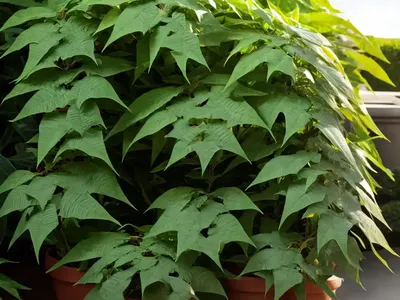
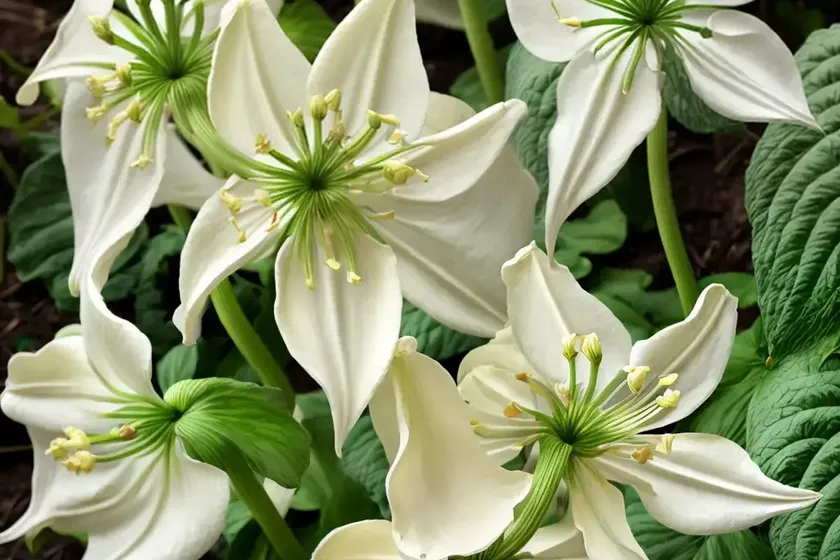
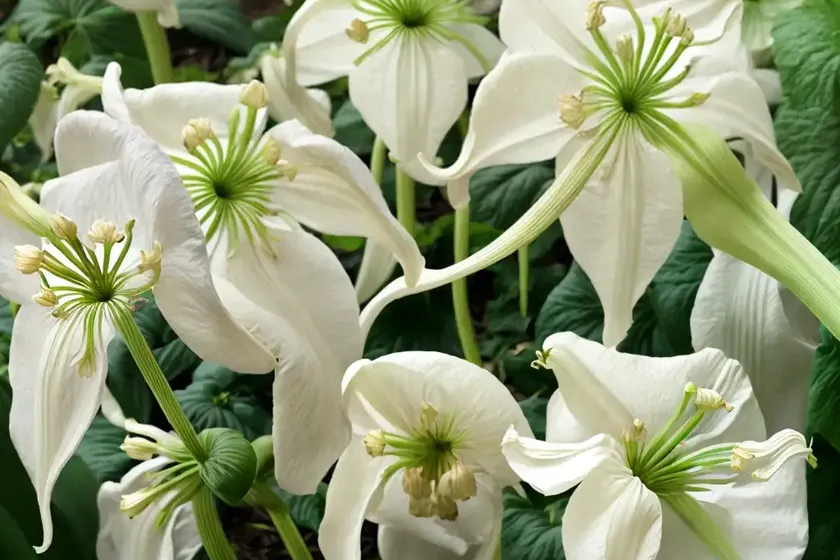
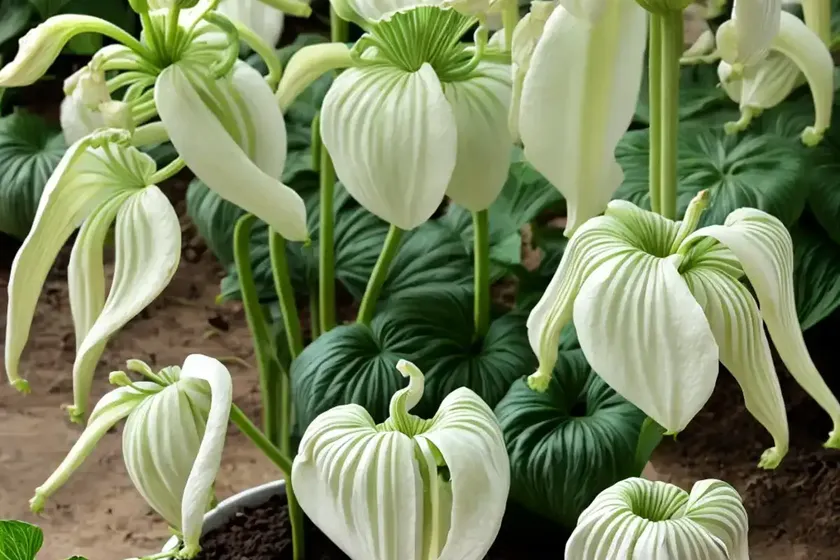
Mayapple, scientifically known as Podophyllum Peltatum, is a herbaceous perennial plant native to the woodlands of North America. It is a part of the Berberidaceae family, which includes several other intriguing plants known for their medicinal and ornamental properties. Mayapple is characterized by its distinctive umbrella-like foliage and a single nodding flower that resembles a small egg. The plant’s name can be attributed to the fruiting structure that typically matures around May and resembles a small green apple.
Key Takeaways – Mayapple (Podophyllum Peltatum)
Before we dive deeper into the specifics of Mayapple cultivation, it’s essential to highlight some key takeaways about this intriguing plant:
- Mayapple is a native North American plant with umbrella-like foliage and a distinct nodding flower.
- It has a rich history of medicinal uses, particularly in traditional Native American and folk medicine, due to its bioactive compounds.
- Though sought after for its unique appearance and medicinal properties, Mayapple is a potential threat to grazing animals and requires cautious handling.
Now, let’s explore the various facets of Mayapple, from its cultural requirements to its ecological significance.
Culture
Cultivating and caring for Mayapple requires an understanding of its specific cultural needs, including water, sunlight, fertilizer, soil, and pruning. Let’s explore each of these aspects in detail.
Water
Mayapple plants thrive in consistently moist, well-drained soil. They are commonly found in the wild in woodland habitats where the soil naturally retains moisture due to the leaf litter and canopy cover. When growing Mayapple in a garden setting, it’s essential to mimic this environment by providing regular watering, especially during dry spells. However, it’s crucial to avoid waterlogged soil, as excessive moisture can lead to root rot and other issues.
Sunlight
In their natural habitat, Mayapple plants typically inhabit the forest understory, where they receive filtered or dappled sunlight. When cultivating Mayapple in a garden, it’s best to replicate these conditions by providing partial to full shade. Direct, intense sunlight can scorch the delicate foliage and may hinder the plant’s overall vigor. Therefore, selecting a shaded location with gentle, indirect light is ideal for the successful cultivation of Mayapple.
Fertilizer
Being accustomed to the rich organic matter found in woodland soils, Mayapple plants do not require heavy fertilization. Instead, incorporating organic compost or well-rotted manure into the soil before planting can provide the necessary nutrients for healthy growth. Additionally, a light application of a balanced, organic fertilizer in early spring can support the plant’s growth without risking excessive vegetative development at the expense of flowering.
Soil
Mayapple thrives in fertile, humus-rich soil with good drainage. When preparing the planting site, amending the soil with organic matter such as compost or leaf mold can improve its texture and nutrient content. The ideal soil pH for Mayapple cultivation falls within the slightly acidic to neutral range (pH 6.0-7.0). Before planting Mayapple, it’s beneficial to perform a soil test to assess the existing pH and nutrient levels and make any necessary amendments.
Pruning
Mayapple plants do not require significant pruning for aesthetic or maintenance purposes. However, removing any yellowing or senescent foliage can improve the plant’s appearance and prevent the development of fungal diseases. Additionally, deadheading the mature flower to prevent seed production can redirect the plant’s energy towards vegetative growth, resulting in larger and healthier foliage.
Uses
Mayapple boasts a diverse array of uses, ranging from its historical significance in traditional medicine to its potential role in landscaping and garden design. Let’s explore the various uses of this captivating plant.
Medicinal Properties
Mayapple has a long-standing history of medicinal use, particularly among Native American tribes and later, European settlers. The rhizomes and roots of Mayapple contain bioactive compounds, including podophyllotoxin, which impart the plant with significant medicinal properties. Podophyllotoxin, a natural cytotoxic and antimitotic compound, has been utilized in the production of anticancer drugs, underscoring the pharmaceutical significance of Mayapple.
In traditional medicine, various parts of the Mayapple plant have been used to treat ailments such as warts, skin conditions, rheumatism, and as a purgative. However, it’s crucial to note that the plant’s medicinal uses should only be explored under the guidance of a qualified healthcare professional, as Mayapple contains toxic compounds that can be dangerous if not used appropriately.
Landscaping and Ornamental Uses
Beyond its medicinal significance, Mayapple has intriguing potential as an ornamental plant in shaded woodland gardens. The broadly lobed foliage and unique flower structure make Mayapple an eye-catching addition to native plant gardens or naturalistic landscapes. When massed together, Mayapple can form striking groundcover, especially when underplanted with spring-blooming ephemerals like Trillium and Bloodroot (Sanguinaria canadensis).
Moreover, Mayapple can be cultivated in woodland or shade gardens where its distinct foliage and nodding flowers can impart a sense of natural charm and tranquility. However, due to its potential invasiveness in certain areas, gardeners should exercise caution and consider the plant’s ecological impact when introducing Mayapple to a new environment.
Edible Uses
While the fruits of Mayapple are toxic when unripe, they become edible when fully ripe and can be consumed in moderation. The ripe fruits, often referred to as ‘Mayapples,’ have a fragrant, tropical aroma and a sweet, custard-like taste. However, it’s crucial to exercise caution and verify the ripeness of the fruits before consumption, as unripe fruits can cause severe toxicity and should not be ingested.
Propagation
Propagating Mayapple can be achieved through various methods, including division, seed propagation, and tissue culture. Each propagation method offers different advantages and considerations, ensuring that gardeners can choose the most suitable approach for their specific needs.
Division
Dividing mature Mayapple plants is a common and effective way to propagate the species. This method is best performed in early spring or fall, when the plant is either emerging from dormancy or entering a period of reduced vegetative growth. By carefully dividing the rhizomes and ensuring that each division has viable buds and roots, gardeners can establish new plants that will rapidly establish and grow.
Seed Propagation
Growing Mayapple from seed can be engaging and rewarding, especially for those interested in observing the plant’s lifecycle from germination to maturity. Fresh seeds, gathered from mature, ripe fruits in the late summer to early fall, can be sown in a prepared seedbed or containers. Due to their dormancy requirements, Mayapple seeds benefit from a period of cold-moist stratification, typically lasting for three to six months, to improve germination rates.
Tissue Culture
Tissue culture, or micropropagation, offers a precise and efficient method for propagating Mayapple on a larger scale. This technique involves obtaining small sections of sterile plant tissue, usually from the shoot tips or nodal segments, and cultivating them in a controlled laboratory environment. Tissue culture not only allows for the mass propagation of genetically identical plants but also enables the production of disease-free plantlets.
Container Popularity
Mayapple’s unique growth habits and enchanting presence make it a desirable candidate for container cultivation. As an underutilized plant in container gardening, Mayapple brings a touch of the wild to compact urban spaces and suburban gardens. When considering the potential of Mayapple in containers, factors such as container size, soil composition, and placement should be carefully considered to ensure the plant’s health and vigor.
Common Diseases
While Mayapple is generally resilient when grown in suitable conditions, it is susceptible to certain fungal diseases and foliar issues. Common diseases that may affect Mayapple include:
-
Leaf Spot: This fungal disease presents as small, dark spots on the foliage and may lead to defoliation if left untreated. Proper sanitation and the application of fungicidal sprays can help manage leaf spot.
-
Powdery Mildew: Characterized by a powdery white growth on the foliage, powdery mildew can weaken the plant and affect its overall appearance. Ensuring adequate air circulation and utilizing fungicidal treatments can help control powdery mildew.
-
Root Rot: Excessive soil moisture and poor drainage can lead to the development of root rot, a condition that affects the plant’s root system and may result in wilting and decline. Improving soil drainage and avoiding overwatering are crucial in preventing root rot.
Disease Diagnosis
Diagnosing diseases in Mayapple requires careful observation and, at times, laboratory testing to identify the specific pathogen responsible for the plant’s symptoms. Visual cues such as leaf spots, discoloration, and abnormal growth patterns can provide valuable insights into potential diseases affecting the plant. Additionally, submitting samples to diagnostic labs or consulting with plant pathology experts can aid in accurate disease diagnosis and the implementation of effective management strategies.
Common Pests
While Mayapple is relatively resistant to many common garden pests, there are specific insects and wildlife that may pose a threat to the plant. Some common pests that may affect Mayapple include:
-
Slugs and Snails: These mollusks can feed on the tender foliage of Mayapple, leaving behind characteristic feeding trails and holes. Implementing cultural control methods, such as removing debris and providing natural barriers, can help manage slug and snail populations.
-
Deer and Rodents: In areas with high deer or rodent populations, Mayapple may be vulnerable to browsing and trampling. Utilizing physical barriers and repellents can help safeguard the plant from browsing wildlife.
-
Spider Mites: Particularly in dry and hot conditions, spider mites may infest Mayapple, causing stippling and discoloration on the foliage. Implementing regular monitoring and using horticultural oils can help manage spider mite populations.
Botanist’s Tips
As a plant scientist with a passion for the ecological and horticultural significance of Mayapple, I have compiled a list of valuable tips for gardeners and enthusiasts looking to cultivate and appreciate this unique plant:
-
Observe and Respect Its Natural Habitat: Understanding the native range and habitat of Mayapple can provide insights into its cultural requirements and ecological significance. By observing Mayapple in the wild, one can gain a deeper appreciation for its natural growth habits and associated wildlife interactions.
-
Exercise Caution with Medicinal Uses: While Mayapple has a rich history of medicinal uses, its toxic compounds require cautious handling and expert guidance. Before exploring any medicinal applications, it’s crucial to consult with healthcare professionals and botanists familiar with the plant’s properties.
-
Embrace Its Ecological Role: Mayapple plays a critical role in woodland ecosystems, providing habitat and forage for various wildlife species. When incorporating Mayapple into garden designs, consider its ecological value and aim to support local biodiversity through thoughtful planting arrangements.
-
Share Knowledge and Resources: As an underappreciated plant in many gardening circles, sharing knowledge, resources, and plant materials can contribute to the conservation and appreciation of Mayapple. Botanical gardens, native plant societies, and educational institutions can serve as valuable platforms for promoting the understanding and cultivation of this captivating plant.
Fun Facts
Beyond its cultural and ecological significance, Mayapple harbors several intriguing and lesser-known facts:
- The ripe fruits of Mayapple, often referred to as ‘Mayapples,’ are occasionally used in preserves and jellies due to their unique flavor and fragrance.
- The name “Mayapple” is derived from the early maturation of the plant’s fruiting structure, which typically resembles a small green apple in the month of May.
- In certain regions, Mayapple has been utilized as a natural insect repellent due to the toxic properties of its foliage.
Links to External Resources
For further exploration of Mayapple and related topics, the following external resources provide valuable insights and information:
- Wildflower.org – Mayapple
- USDA NRCS – Plants Database: Podophyllum peltatum L.
- ScienceDirect – Podophyllum peltatum
In conclusion, Mayapple, with its captivating foliage, unique fruiting structure, and historical significance, holds immense potential as a plant of both cultural and ecological importance. By gaining a deeper understanding of its uses, cultivation, and natural history, enthusiasts can develop a greater appreciation for this remarkable plant and its contributions to diverse ecosystems and human culture.
As I continue to explore the complexities of plant life, I am continually inspired by the intricate relationships between plants and the world around us. Mayapple serves as a compelling example of a plant that intertwines ecological significance, cultural heritage, and horticultural intrigue, inviting us to delve into its many facets and celebrate its presence in our gardens and natural landscapes.