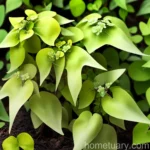
Bishop’s Hat (Epimedium pinnatum) Plant Care Guide
Welcome to the comprehensive plant care guide for the Bishop’s Hat (Epimedium pinnatum). In this guide, we will explore everything you need to know about the culture, uses, maintenance, propagation, and common pests and diseases of this fascinating plant. Whether you are a novice gardener or an experienced plant enthusiast, this guide will provide you with valuable insights into the care and cultivation of the Bishop’s Hat.
What is Bishop’s Hat (Epimedium pinnatum)?
Epimedium pinnatum, commonly known as Bishop’s Hat, is a deciduous perennial plant belonging to the Barberry family (Berberidaceae). This distinctive plant is notable for its attractive foliage and delicate flowers, making it a popular choice for ornamental gardens and landscaping. The Bishop’s Hat is native to regions of Europe and Asia, where it thrives in woodland environments and shaded areas.
The plant derives its common name, Bishop’s Hat, from the shape of its leaves, which resemble the traditional headwear worn by bishops. The botanical name Epimedium is derived from the Greek words epi (upon) and médion (a measure), referring to the plant’s use in ancient times as a medicinal remedy.
Key Takeaways – Bishop’s Hat (Epimedium pinnatum)
Before we delve into the specific care requirements for the Bishop’s Hat, let’s take a quick look at the key takeaways for this plant.
- Common Names: Bishop’s Hat, Epimedium
- Family: Berberidaceae
- Type: Deciduous Perennial
- Foliage: Distinctive heart-shaped leaves
- Flowers: Delicate, star-shaped blooms in various colors
- Uses: Ornamental gardens, shaded borders, groundcover
- Special Features: Shade tolerance, low maintenance, wildlife-friendly
- Potential Issues: Susceptible to certain pests and diseases
- Propagation: Division, seed sowing
- Popular Varieties: Numerous cultivars offering diverse foliage and flower colors
- Native Habitat: Woodland regions of Europe and Asia
- Hardiness Zone: Varies by species and cultivars
Now that we have a broad overview of the Bishop’s Hat, let’s explore the specific care guidelines to ensure the optimal growth and health of this plant.
Culture
Water
The Bishop’s Hat thrives in moist, well-drained soil, making it essential to establish a consistent watering routine. During the growing season, ensure that the plant receives regular watering, especially during dry spells. However, it’s crucial to avoid overwatering, as excessively wet soil can lead to root rot and other potential issues. In the winter months, when the plant is dormant, reduce the frequency of watering to prevent waterlogged conditions.
Sunlight
One of the defining characteristics of the Bishop’s Hat is its excellent tolerance for shade. This makes it an ideal choice for areas of the garden that receive dappled or partial shade. While the plant can tolerate some morning sun, it generally prefers sheltered conditions, particularly in regions with hot summers. Avoid exposing the Bishop’s Hat to intense, direct sunlight, as this can cause leaf scorch and diminish the overall vigor of the plant.
Fertilizer
Proper fertilization can help promote healthy growth and abundant flowering in the Bishop’s Hat. In early spring, apply a balanced, slow-release fertilizer around the base of the plant, taking care to avoid direct contact with the foliage. Alternatively, you can use a well-balanced organic fertilizer to provide essential nutrients. Refrain from over-fertilizing, as excessive levels of nutrients can lead to lush foliage at the expense of flowering.
Soil
The Bishop’s Hat thrives in humus-rich, well-drained soil with a slightly acidic to neutral pH. The addition of organic matter, such as compost or well-rotted manure, can improve the soil’s structure and fertility, creating an optimal growing environment for the plant. When planting or transplanting the Bishop’s Hat, ensure that the root ball is positioned at the same level as the surrounding soil and gently firm the soil around the plant to remove air pockets.
Pruning
Pruning is an essential aspect of maintaining the health and appearance of the Bishop’s Hat. In late winter or early spring, before the new growth emerges, carefully remove any dead, damaged, or diseased foliage and stems. This not only enhances the plant’s aesthetics but also helps to prevent the spread of potential diseases. Additionally, the removal of spent flower stems can encourage the production of new blooms and contribute to a tidy, well-groomed appearance.
Propagation
The Bishop’s Hat can be propagated through both division and seed sowing, offering multiple options for expanding your plant collection or sharing with fellow gardeners.
Division
Dividing established clumps of the Bishop’s Hat is an effective method of propagation. In early spring, carefully dig up the plant and divide the root ball into smaller sections, each containing healthy growth points and roots. Replant the divisions at the appropriate spacing, ensuring they receive adequate water and protection from direct sunlight during the initial establishment phase.
Seed Sowing
For those interested in propagating the Bishop’s Hat from seeds, collect ripe seeds in the late summer or early autumn. Sow the seeds in containers or seed trays filled with a well-draining, sterile potting mix. Keep the soil consistently moist and provide a warm, sheltered environment conducive to seed germination. Once the seedlings have developed several sets of true leaves, they can be transplanted into individual pots or directly into the garden.
Container Popularity
The Bishop’s Hat has gained popularity as a container plant, particularly for shaded patios, balconies, and urban gardens. When choosing a container for the plant, opt for a spacious, well-draining pot that allows for adequate root development. Use a high-quality potting mix, ideally formulated for shade-loving plants, to provide the necessary nutrients and moisture retention. Place the container in a shaded or partially shaded location, ensuring that the plant receives sufficient water and protection from harsh sun exposure.
Common Diseases
While generally resilient, the Bishop’s Hat can be susceptible to certain diseases, particularly in conditions of poor air circulation or excessive moisture. Understanding common diseases and their symptoms can help in early detection and effective management.
Disease Diagnosis
- Powdery Mildew: Identified by the presence of white, powdery spots on the foliage, powdery mildew can weaken the plant and inhibit healthy growth. To prevent and manage this disease, improve air circulation, avoid overhead watering, and consider applying organic fungicides if necessary.
- Root Rot: Excessive moisture in the soil can lead to root rot, characterized by wilting, yellowing foliage, and a foul odor emanating from the roots. To prevent root rot, ensure proper drainage and moderate watering practices, and consider using well-draining soil mixes.
Common Pests
In addition to certain diseases, the Bishop’s Hat may encounter pests that can compromise its health and appearance. Vigilance and proactive measures can help manage pest infestations and protect the plant from significant damage.
Botanist’s Tips
- Aphids: These small, sap-sucking insects can colonize the tender new growth of the Bishop’s Hat, leading to distorted leaves and stunted plant development. Use a strong jet of water to dislodge aphids from the plant, or apply insecticidal soap as a targeted control measure.
- Slugs and Snails: These voracious feeders can cause significant damage to the foliage of the Bishop’s Hat, particularly in moist, shaded environments. Employ organic slug and snail baits or physical barriers to protect the plant from these pests.
Fun Facts
- The Bishop’s Hat has a rich history of medicinal uses, with certain species and varieties prized for their purported health benefits, particularly in traditional Chinese medicine.
- The distinctive foliage of the Bishop’s Hat displays striking patterns and coloration, making it an attractive choice for shaded gardens and woodland landscapes.
- The plant’s ability to thrive in low-light conditions and its low maintenance requirements make it an excellent choice for gardens with limited sunlight and busy gardeners.
Now that we have covered the essential aspects of Bishop’s Hat care, let’s explore some external resources for further information and guidance.
Links to External Resources
For additional insights, tips, and visual references, consider exploring the following resources:
- Royal Horticultural Society – Epimediums
- University of Maryland Extension – Selecting Plants for Landscape Design
- American Horticultural Society – Gardening Resources
- Missouri Botanical Garden – Plant Finder
- National Gardening Association – Plant Care Guides
In conclusion, the Bishop’s Hat (Epimedium pinnatum) is a fascinating and versatile plant with a range of ornamental and landscape uses. By understanding and implementing the appropriate care guidelines, you can cultivate thriving Bishop’s Hat specimens that enhance the beauty and diversity of your garden. Whether you are drawn to the plant for its unique foliage, delicate flowers, or low maintenance requirements, the Bishop’s Hat is sure to captivate and inspire your gardening endeavors.
We hope this comprehensive guide has provided you with valuable insights and practical tips for the successful cultivation of Bishop’s Hat. Happy gardening!