Oncidium Mieke (Oncidium ‘mieke Van Holm’)
Oncidium Mieke, also known as Oncidium ‘Mieke Van Holm’, is a stunning orchid hybrid that belongs to the diverse and beautiful Oncidium genus. This.
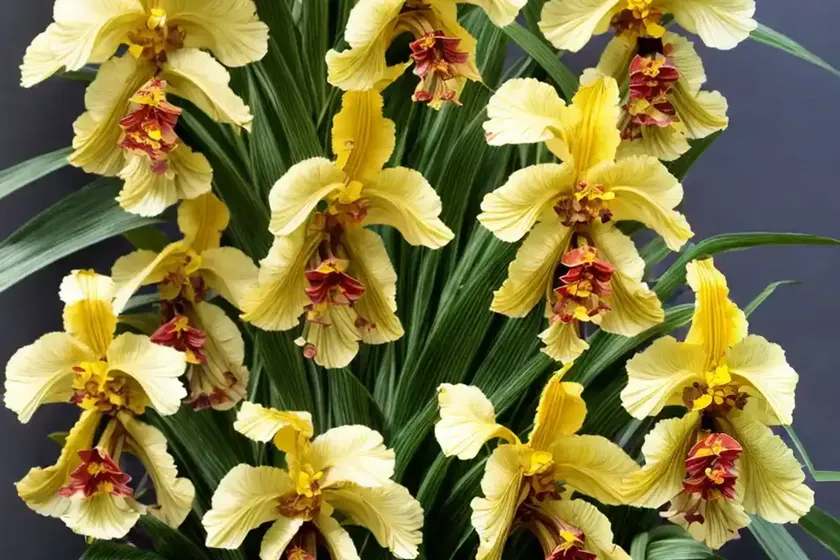
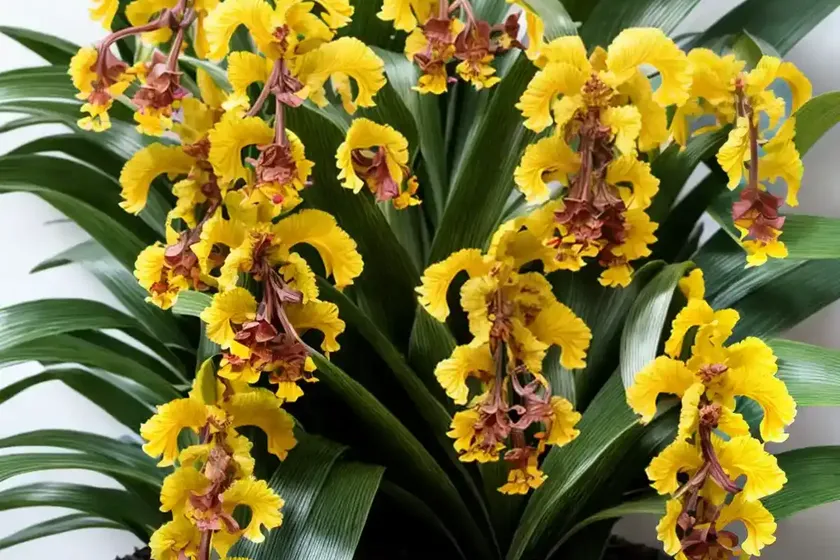
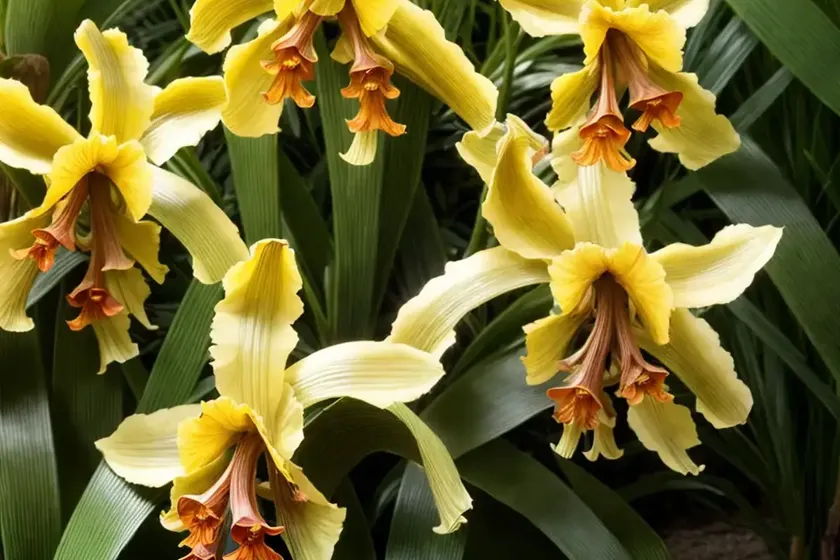
Oncidium Mieke, also known as Oncidium ‘Mieke Van Holm’, is a stunning orchid hybrid that belongs to the diverse and beautiful Oncidium genus. This particular orchid variety is cherished for its delicate and vibrant flowers, making it a popular choice among orchid enthusiasts and plant lovers. In this comprehensive guide, we will delve into the various aspects of caring for the Oncidium Mieke, including its cultural requirements, growth habits, common pests and diseases, and much more.
Key Takeaways – Oncidium Mieke ( Oncidium ‘Mieke Van Holm’)
Before we explore the detailed aspects of Oncidium Mieke, let’s highlight some key takeaways about this exquisite orchid:
- Cultural Requirements: Understanding the specific cultural needs of the Oncidium Mieke, including its preferences for water, sunlight, and fertilizer, is crucial for its overall health and blooming.
- Growth Habits: Recognizing the unique growth habits and requirements of the Oncidium Mieke, such as its preferred soil type and pruning needs, will contribute to its long-term well-being.
- Common Pests and Diseases: Identifying potential pests and diseases that may affect the Oncidium Mieke, along with effective diagnosis and management strategies, is essential for maintaining its vitality.
- Propagation and Repotting: Exploring methods for propagating the Oncidium Mieke and understanding its repotting frequency and techniques are essential aspects to consider for its sustainable growth.
Now, let’s delve into each of these aspects in detail to gain a comprehensive understanding of how to care for the stunning Oncidium Mieke orchid.
Culture
Cultural considerations play a pivotal role in nurturing the vibrant and graceful Oncidium Mieke. From water and sunlight requirements to fertilization and soil preferences, providing the right cultural conditions is crucial for the overall well-being of this orchid.
Uses
The Oncidium Mieke is primarily valued for its ornamental purposes, adding a touch of elegance and color to indoor spaces, such as homes, offices, and conservatories. Additionally, these orchids are often showcased in botanical gardens and floral exhibitions, captivating enthusiasts with their intricate flowers and vibrant presence.
Water
Proper watering is essential for maintaining the health and vitality of the Oncidium Mieke. These orchids thrive in a moist environment but are sensitive to overwatering, which can lead to root rot and other detrimental conditions. It’s important to find a balance and monitor the moisture levels in the growing medium to ensure optimal hydration without waterlogging.
-
Watering Frequency: During the active growth period, typically spring to fall, the Oncidium Mieke should be watered when the growing medium approaches dryness. However, during the dormant phase in winter, watering should be less frequent to align with the plant’s reduced metabolic activity.
-
Watering Technique: To prevent water accumulation in the growth medium, it’s advisable to water the Oncidium Mieke in the morning, allowing any excess water to evaporate during the day. Additionally, using a well-draining potting mix facilitates proper drainage, reducing the risk of water-related issues.
-
Water Quality: The quality of water used for irrigation is crucial, as orchids are sensitive to mineral accumulation and impurities. Using distilled water or collected rainwater can help maintain the optimal growing conditions for the Oncidium Mieke.
Sunlight
Adequate sunlight is essential for the Oncidium Mieke to support its photosynthetic processes and encourage blooming. Understanding its sunlight requirements and providing the right exposure is key to promoting healthy growth and vibrant flower displays.
-
Light Requirements: The Oncidium Mieke thrives in bright, indirect light, mimicking the conditions of its natural habitat. Exposure to direct, intense sunlight can lead to leaf scorching, while insufficient light may result in reduced flowering and overall vigor.
-
Ideal Placement: Placing the orchid near east or west-facing windows where it can receive gentle, indirect sunlight is often ideal. Shielding the plant from midday sun and monitoring its leaf color and growth patterns are essential for optimizing its light exposure.
-
Artificial Lighting: In indoor settings with limited natural light, supplementary artificial lighting, such as grow lights designed for orchids, can be beneficial for meeting the Oncidium Mieke’s light requirements.
Fertilizer
Proper fertilization supports the growth and blooming potential of the Oncidium Mieke, providing essential nutrients to sustain its vigor and ornamental appeal. Understanding the fertilizer needs and application techniques is vital for promoting healthy growth in this captivating orchid.
-
Fertilizer Type: Orchid-specific fertilizers with balanced formulations, such as 20-20-20 or 20-10-20, are suitable for the Oncidium Mieke. These formulations provide essential macro and micronutrients tailored to the needs of orchids.
-
Fertilizing Schedule: During the active growing season, applying a diluted orchid fertilizer every two weeks can provide the necessary nourishment. However, reducing the frequency during the plant’s dormant phase helps align with its physiological changes.
-
Application Method: When applying fertilizer, it’s important to moisten the growing medium beforehand to prevent root burn and ensure even distribution of nutrients. Additionally, thoroughly rinsing the potting mix with water after fertilization minimizes the risk of residual buildup and potential damage to the roots.
Soil
The growing medium for the Oncidium Mieke plays a crucial role in supporting its root health, moisture retention, and overall growth. Understanding the preferred soil type and considering suitable potting mixes are essential for fostering the ideal growing environment.
-
Potting Mix: Orchid mixes that provide excellent aeration and drainage, such as those composed of bark, sphagnum moss, and perlite, are well-suited for the Oncidium Mieke. These components facilitate optimal airflow around the roots and minimize the risk of waterlogging.
-
Repotting Frequency: As orchids outgrow their containers and their growing medium begins to break down, repotting becomes necessary. For the Oncidium Mieke, repotting every 1-2 years after the flowering season concludes can help maintain a healthy root system and provide fresh growing medium.
-
Pot Selection: Orchids benefit from pots with ample drainage holes to prevent water accumulation. Additionally, clear or translucent pots allow for monitoring the root system’s health and development, providing valuable insights into the plant’s condition.
Pruning
Pruning serves as a valuable practice for maintaining the Oncidium Mieke’s overall appearance, managing its growth, and promoting future flowering. Understanding the key principles of orchid pruning and employing appropriate techniques can enhance the orchid’s aesthetic appeal and long-term vitality.
-
Deadheading: Removing spent or faded flowers, a practice known as deadheading, encourages the Oncidium Mieke to direct its energy towards new growth and blooming. It also helps prevent the spread of potential diseases or pests associated with decaying flower parts.
-
Diseased Tissue Removal: Promptly removing any diseased or damaged parts of the plant, such as yellowing or spotted leaves, can prevent the spread of ailments and support the plant’s overall health. Using sterile cutting tools and treating any open wounds with suitable protective substances aids in the healing process.
-
Propagation Pruning: When propagating the Oncidium Mieke through division or other methods, ensuring that each division has a sufficient number of healthy pseudobulbs and roots is essential for promoting successful establishment and growth.
Propagation
Propagating the Oncidium Mieke offers the opportunity to expand its presence in a collection or share its beauty with fellow enthusiasts. Exploring effective propagation methods and understanding the plant’s reproductive tendencies can contribute to successful propagation endeavors.
-
Division: Dividing mature, healthy clumps of the Oncidium Mieke during the repotting process can yield viable divisions with established pseudobulbs and root systems. Ensuring that each division possesses adequate resources for growth and stability enhances its potential for successful acclimatization.
-
Keiki Production: Some Oncidium Mieke specimens may produce keiki, or baby plants, along their flower spikes. These keiki can be carefully detached and potted individually once they develop a few roots and exhibit independent growth, offering a natural means of propagation.
-
Tissue Culture: For more advanced propagation initiatives, tissue culture techniques can be employed to generate numerous clones of the Oncidium Mieke under controlled laboratory conditions, providing a reliable method for mass propagation and conservation efforts.
Container Popularity
Selecting suitable containers for the Oncidium Mieke involves considering factors such as adequate drainage, visibility of the root system, and overall aesthetic appeal. Orchid enthusiasts often appreciate containers that harmonize with the orchid’s growth habits and contribute to its well-being.
-
Clear Plastic Pots: Clear plastic pots offer visibility of the orchid’s root system, allowing enthusiasts to monitor the roots’ health, moisture levels, and potential issues. Additionally, the translucency of these pots enables the observation of new root growth, providing valuable insights into the plant’s overall vitality.
-
Decorative Containers: While emphasizing drainage and practical considerations, selecting decorative containers that complement the Oncidium Mieke’s elegance and vibrant flowers can enhance its visual impact as a decorative accent in various settings.
Now that we’ve explored the cultural requirements and aspects of caring for the stunning Oncidium Mieke, let’s delve into potential challenges such as common diseases, pests, and effective diagnosis and management strategies.
Common Diseases
Like all plants, the Oncidium Mieke is susceptible to certain diseases that can impact its vitality and ornamental appeal. Recognizing common orchid ailments and understanding their manifestations is crucial for implementing timely interventions and preventing widespread issues.
Disease Diagnosis
Accurately diagnosing diseases affecting the Oncidium Mieke involves identifying key symptoms, such as abnormal discoloration, lesions, or wilting, and evaluating potential causal factors. Understanding the following common diseases and their diagnostic signs can aid in proactive management and maintenance of the plant’s health.
-
Root Rot: Root rot, often caused by overwatering or poorly draining growing mediums, manifests as mushy, discolored, or foul-smelling roots. Yellowing or wilting foliage may also accompany advanced root rot, signaling the plant’s compromised root system.
-
Leaf Spotting: Fungal and bacterial leaf spot infections present as circular or irregularly shaped lesions on the leaves, often accompanied by yellowing or browning of affected tissue. Identifying the specific morphology and distribution of the leaf spots aids in selecting appropriate control measures.
-
Viral Diseases: Viral infections in orchids can exhibit diverse symptoms, including mottling, streaking, or abnormal growth patterns. However, viral diseases often lack definitive treatment, necessitating preventive measures such as virus indexing and strict sanitation practices.
-
Fungal Rots: Various fungal pathogens can cause crown rot, pseudobulb rot, or other forms of tissue decay in orchids. Foul odors, softening of affected tissues, and discoloration are indicative of advanced fungal rots, highlighting the need for prompt intervention.
Common Pests
In addition to diseases, the Oncidium Mieke may face challenges from common orchid pests that can impact its overall health and blooming potential. Understanding the signs of pest infestations and implementing effective management strategies is essential for mitigating pest-related risks.
-
Aphids: These small, soft-bodied insects often cluster on new growth and undersides of leaves, feeding on plant sap and excreting honeydew. Distorted foliage, sticky residues, and the presence of aphids themselves indicate active infestations.
-
Spider Mites: Tiny arachnids that can cause stippling, webbing, and leaf discoloration, spider mites are visible with careful observation, particularly on the undersides of leaves. Their rapid reproductive capabilities make early detection and intervention crucial for control.
-
Scale Insects: Scale insects, resembling small, waxy bumps on stems and foliage, can cause weakening of the plant, chlorosis, and a decline in overall vigor. Their protective coverings make them resilient to certain control measures, emphasizing the need for consistent monitoring.
-
Mealybugs: Mealybugs, with their cottony appearance and sap-sucking behavior, can lead to wilting, yellowing, and stunted growth in orchids. They tend to congregate in protected areas, such as leaf bases and stem junctions, necessitating thorough inspection.
Botanist’s Tips
As a plant scientist and orchid enthusiast, here are some valuable tips for caring for the enchanting Oncidium Mieke to ensure its long-term health and captivating blooming displays:
-
Temperature Considerations: Orchids, including the Oncidium Mieke, often thrive in intermediate to warm temperatures, mirroring the conditions found in their native habitats. Providing daytime temperatures around 70-85°F (21-29°C) and slightly cooler nights fosters favorable growth.
-
Monitoring Humidity: Orchids appreciate humid environments, and maintaining humidity levels around 50-70% can enhance their overall well-being. Using humidity trays, room humidifiers, or other humidity-boosting approaches can benefit the Oncidium Mieke, especially in drier climates.
-
Container Selection: Opting for pots with adequate drainage is paramount for preventing waterlogged conditions that can lead to root issues. Periodically inspecting the drainage holes and ensuring unimpeded water flow contributes to the plant’s overall health.
-
Seasonal Adjustments: Recognizing the plant’s seasonal variations in growth, water requirements, and blooming tendencies can guide adjustments in care practices. Adapting to these seasonal shifts can optimize the Oncidium Mieke’s overall performance.
-
Consistent Inspection: Regularly observing the plant for any changes in leaf color, growth patterns, or the presence of pests and diseases allows for early intervention and proactive maintenance.
Now, let’s explore some fascinating fun facts about the captivating Oncidium Mieke and redirect our focus to valuable resources for further information and exploration.
Fun Facts
Uncovering intriguing aspects of the Oncidium Mieke adds to the appreciation of this remarkable orchid variety. Here are some captivating fun facts about the Oncidium Mieke:
-
Hybrid Origins: The Oncidium ‘Mieke Van Holm’ is a hybrid orchid resulting from the intricate crossbreeding of various Oncidium species, contributing to its unique characteristics and captivating flower displays.
-
Vibrant Floral Diversity: The Oncidium Mieke produces intricate flower clusters with an array of vibrant colors, including shades of yellow, orange, and burgundy, showcasing the rich diversity of orchid blooms.
-
Perfumed Presence: Certain varieties of the Oncidium Mieke exhibit delightful fragrances, adding an olfactory dimension to their enchanting allure and making them prized additions to indoor spaces.
-
Artistic Representations: The captivating blooms of the Oncidium Mieke have inspired artists and botanical illustrators throughout history, featuring in paintings, illustrations, and floral compositions that celebrate the orchid’s beauty.
Now, let’s enrich our understanding of the Oncidium Mieke further by delving into valuable external resources that offer in-depth insights and guidance on caring for this extraordinary orchid variety.
Links to External Resources
Discovering comprehensive information and guidance from reputable sources is instrumental in nurturing the exquisite Oncidium Mieke effectively. Here are valuable external resources that provide insights and support for the care and cultivation of the Oncidium Mieke orchid:
-
American Orchid Society (AOS): The AOS offers a wealth of articles, guides, and resources dedicated to orchid care, including specific insights on cultivating the Oncidium Mieke and other orchid varieties: American Orchid Society
-
Orchid Board: An engaging online community and forum for orchid enthusiasts, the Orchid Board provides discussions, care guides, and shared experiences related to the cultivation of orchids, including the Oncidium Mieke: Orchid Board
-
Royal Horticultural Society (RHS): The RHS features expert advice, care tips, and horticultural insights on a wide range of plants, including informative resources on growing and enjoying orchids like the Oncidium Mieke: Royal Horticultural Society
-
University Cooperative Extension Services: Local university extension websites often provide region-specific guidelines, publications, and resources on caring for orchids and other plants, offering tailored support for enthusiasts: Find Your Local Cooperative Extension Office
By engaging with these valuable external resources, enthusiasts and caretakers can access diverse perspectives, expert recommendations, and collective wisdom that contribute to the successful cultivation and enjoyment of the mesmerizing Oncidium Mieke orchid.
In conclusion, the Oncidium Mieke ( Oncidium ‘Mieke Van Holm’) stands as a captivating and cherished member of the Orchidaceae family, captivating enthusiasts with its vibrant blooms and elegant presence. By embracing its cultural requirements, addressing potential challenges, and tapping into the collective wisdom of horticultural communities, caretakers can foster the flourishing and enduring beauty of the Oncidium Mieke. As we continue to explore the wonders of orchid cultivation, let’s celebrate the enchanting allure and timeless charm of the Oncidium Mieke, infusing our spaces with its graceful and vibrant presence.
Remember, nurturing orchids such as the Oncidium Mieke is a journey of discovery, learning, and appreciation, and as we tend to these extraordinary plants, we also cultivate a deep connection with the natural world and the wonder of botanical diversity.
Disclaimer: This blog post is intended for informational purposes only and should not be considered as professional horticultural or medical advice. Different plants have varying care requirements, and individual considerations such as climate, growing conditions, and plant health should be carefully assessed.
Illustration of Oncidium Mieke ‘Mieke Van Holm’ by Mieke Van Holm
[Cover image by Thomas Woodson on Pixabay] (https://pixabay.com/photos/orchid-flower-tropical-blossom-503359/)


