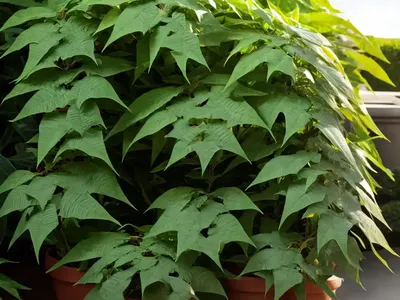
Thunberg’s Barberry (Berberis Thunbergii)
Thunberg’s barberry (Berberis thunbergii) is a versatile and attractive shrub that has become a popular choice for home gardeners and landscapers. With its.
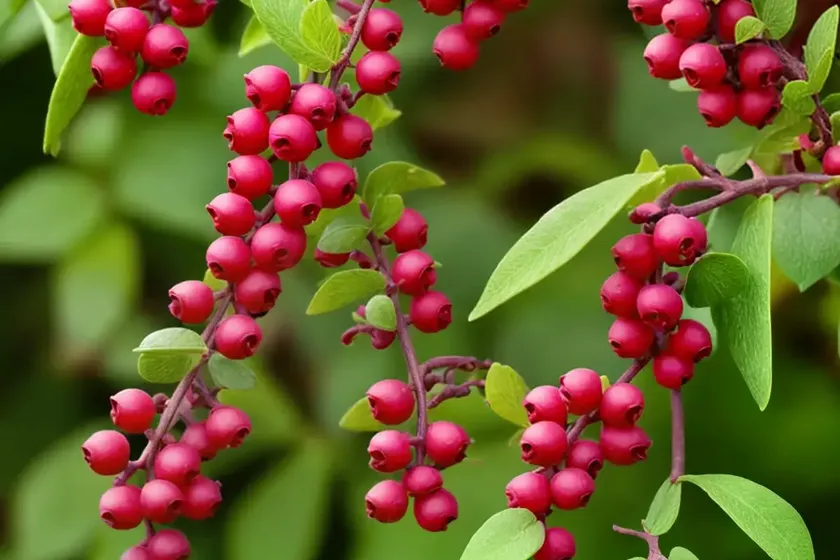
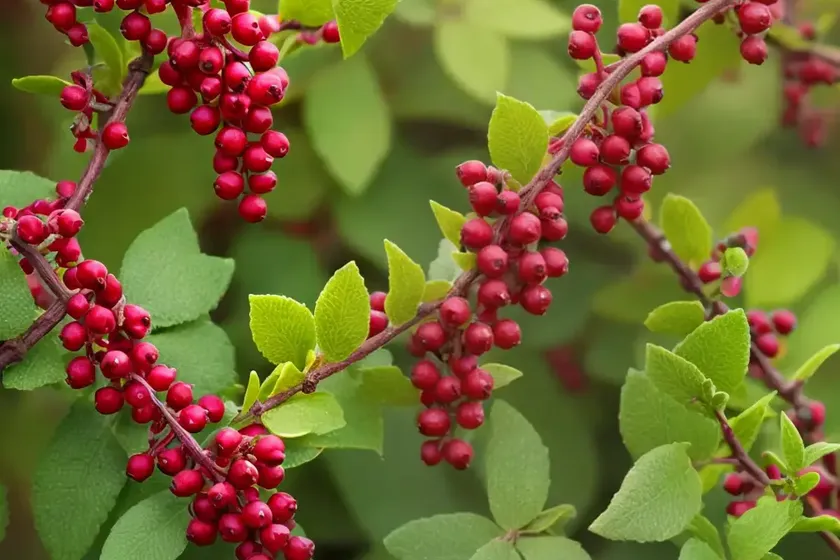
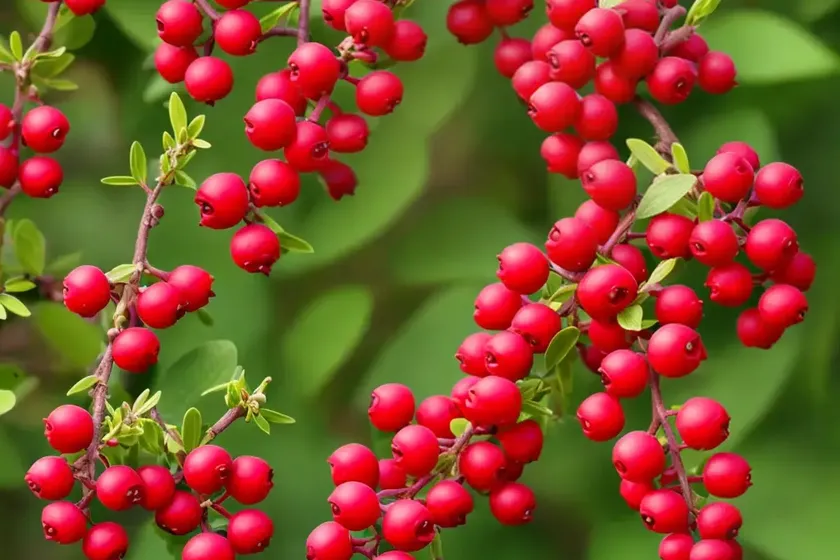
Thunberg’s barberry (Berberis thunbergii) is a versatile and attractive shrub that has become a popular choice for home gardeners and landscapers. With its vibrant foliage, easy care requirements, and multiple uses, this plant is a great addition to any garden or landscape design. Throughout the course of this article, we will explore the culture, uses, care requirements, and many more aspects of Thunberg’s barberry.
What is a Plant – Thunberg’s Barberry?
Thunberg’s barberry (Berberis thunbergii) is a deciduous shrub that belongs to the Berberidaceae family. It is native to Japan and is named after the Swedish botanist Carl Peter Thunberg. This plant is known for its dense, thorny growth, and its vibrant, colorful foliage, which makes it an excellent choice for ornamental purposes.
Plant Name: Thunberg’s Barberry (Berberis thunbergii)
Other common names include Japanese barberry, Thunberg’s berberis, and red barberry. Thunberg’s barberry comes in various varieties, offering a range of leaf colors, shapes, and growth habits.
Key Takeaways – Thunberg’s Barberry (Berberis thunbergii)
Thunberg’s barberry is a popular ornamental shrub known for its vibrant foliage and versatile uses. Below are some key takeaways about this plant:
- Vibrant, colorful foliage
- Versatile uses in landscaping and gardens
- Easy to care for
- Drought-tolerant once established
- Can be grown in containers
- Varied varieties for different design needs
Now, let’s dive deeper into the different aspects of Thunberg’s barberry, including its culture, uses, care requirements, and maintenance tips.
Culture
Cultivating Thunberg’s barberry requires an understanding of its preferred growing conditions. From water and sunlight to soil and fertilizer, providing the right cultural environment is essential for the plant’s health and overall development.
Water
Thunberg’s barberry is relatively drought-tolerant once it is established, making it well-suited for dry conditions. However, young plants should be watered regularly, especially during hot and dry periods, to help them establish a strong root system. Adequate moisture is crucial for the plant’s initial growth and establishment.
Sunlight
This shrub thrives in full sun to partial shade. When planted in full sun, it tends to exhibit its best foliage colors, enhancing its ornamental value. In regions with hot summers, some afternoon shade can be beneficial to prevent leaf scorch, especially for varieties with lighter-colored foliage.
Fertilizer
Thunberg’s barberry generally does well in average to poor soil conditions and doesn’t require heavy fertilization. However, if the plant shows signs of nutrient deficiency, a balanced fertilizer or organic compost can be applied in the spring to support healthy growth and vibrant foliage.
Soil
Well-draining soil is essential for Thunberg’s barberry. It can tolerate a wide range of soil types, as long as they are not waterlogged. However, it tends to perform best in slightly acidic to neutral soil pH levels. Amending heavy clay soil with organic matter can improve drainage and provide a better growing environment for the plant.
Pruning
Regular pruning helps maintain the shape and size of Thunberg’s barberry, promotes air circulation within the plant, and encourages new growth. Pruning should be done in late winter to early spring before new growth begins. Care should be taken while handling the plant, as the thorns can cause injuries.
Propagation
Thunberg’s barberry can be propagated through various methods such as seeds, softwood cuttings, or hardwood cuttings, depending on the specific variety. Softwood cuttings can be taken in early summer, while hardwood cuttings are best taken in late autumn. Propagation from seeds is also possible, but it may take longer to achieve mature plants.
Container Popularity
Due to its attractive foliage and manageable size, Thunberg’s barberry is a popular choice for container gardening. The plant’s adaptability to container growth makes it suitable for small gardens, patios, and urban landscapes. When grown in containers, the same cultural requirements apply, including adequate sunlight, well-draining soil, and regular watering.
Uses
Ornamental Use
Thunberg’s barberry is primarily valued for its ornamental features. The plant’s vibrant foliage provides a striking visual impact in gardens and landscapes. It can be used as a standalone specimen, in mixed borders, or as a hedge or barrier due to its thorny growth habit. The various leaf colors and compact growth of different cultivars make it a versatile choice for landscape design.
Wildlife Benefits
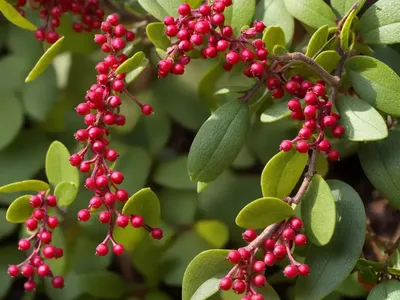
The thorny and dense growth of Thunberg’s barberry provides excellent shelter for birds and other small wildlife, offering nesting spaces and protective cover. Additionally, the plant’s small, colorful berries are a food source for birds during the colder months, contributing to the overall ecological value of the shrub.
Historical and Medicinal Uses
In addition to its ornamental and ecological benefits, some historical and medicinal uses have been associated with certain species of barberry. These uses, derived from different species within the Berberis genus, include traditional remedies for various ailments and the extraction of natural dyes from the plant’s roots.
Common Diseases
Disease Diagnosis
Thunberg’s barberry is generally resistant to many common plant diseases. However, it can occasionally be susceptible to certain fungal diseases, such as rust and powdery mildew, especially in prolonged periods of high humidity. Regular inspection of the plant can help identify signs of disease early, allowing for timely intervention.
Common Pests
Pests
The common pests that may affect Thunberg’s barberry include aphids, scale insects, and spider mites. Routine monitoring is essential for early pest detection and management. Insecticidal soaps or horticultural oils can be used to control minor pest infestations, while severe cases may require the intervention of professional pest management services or the use of specific pesticides.
Botanist’s Tips
As a plant scientist, I recommend the following tips to ensure the healthy growth and vitality of Thunberg’s barberry:
- Selecting varieties with vibrant foliage colors can enhance the visual appeal of the landscape.
- Regular pruning helps maintain the plant’s shape and promotes new growth.
- Providing adequate moisture during the establishment phase is crucial for the plant’s long-term health and resilience.
- Monitoring for signs of diseases and pests can help in early detection and management, preserving the plant’s overall vigor and appearance.
Fun Facts
To provide insight into the unique attributes and characteristics of Thunberg’s barberry, here are some fun facts about the plant:
- The genus name “Berberis” is derived from the Arabic name “barbaris,” which refers to a plant that was known to the ancient Arabs.
- Some species of barberry, not specific to Thunberg’s barberry, have been historically used in traditional medicine and as a source of natural dyes.
- The thorny growth of Thunberg’s barberry provides an effective natural barrier, making it suitable for hedging and creating protective boundaries within a landscape.
Links to External Resources
For additional information about Thunberg’s barberry, its cultivation, uses, and potential varieties, the following external resources can help broaden understanding and knowledge about this versatile plant:
In conclusion, Thunberg’s barberry (Berberis thunbergii) is a diverse and adaptable shrub that offers not only visual appeal but also practical uses in landscaping and ecological benefits for wildlife. Its vibrant foliage, resilience, and various cultivars make it a valuable addition to gardens and urban landscapes, enriching outdoor spaces with its distinctive characteristics and ornamental value. Following the recommended cultural practices and keeping an eye out for potential diseases and pests will ensure thriving Thunberg’s barberry plants in diverse horticultural settings.
Remember, when adding Thunberg’s barberry to your garden, you are not just adding a beautiful plant, but also providing shelter and food for wildlife, contributing to the ecological balance of your outdoor space. With the right care and attention, Thunberg’s barberry can be a captivating and functional component of any landscape design.