Maranta Lemon (Maranta leuconeura): A Complete Guide
Maranta Lemon, scientifically known as Maranta leuconeura, is a stunning plant that has captured the hearts of plant enthusiasts around the world. Its unique foliage and low-maintenance nature make it a popular choice for both indoor and outdoor gardening. In this comprehensive guide, we will delve into the culture, uses, care requirements, and interesting facts about the Maranta Lemon plant.
What is Maranta Lemon (Maranta leuconeura)?
Maranta Lemon, also known as the prayer plant, is a species of flowering plant in the family Marantaceae. It is native to the rainforests of Brazil and has gained popularity as an ornamental plant due to its strikingly beautiful foliage. The name “prayer plant” stems from the way its leaves fold upright resembling praying hands in the evening.
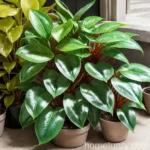
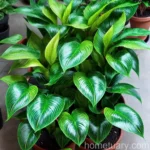
This plant is characterized by its distinct oval leaves with vibrant patterns of light and dark green, often accompanied by pink or red veins. The underside of the leaves is usually a deep shade of purple, adding to its allure. Maranta Lemon is a relatively low-growing plant, usually reaching a height of about 12 inches. Additionally, it produces small, delicate white flowers, although it is primarily cultivated for its foliage.
Maranta Lemon is not only a visually appealing plant, but it also offers several benefits. Its air-purifying properties and relatively straightforward care requirements have made it a sought-after addition to both homes and offices.
Key Takeaways – Maranta Lemon (Maranta leuconeura)
Before we delve into the specific care and cultural requirements of the Maranta Lemon plant, let’s take a look at some key takeaways that will be covered in this guide:
- Plant Name: Maranta Lemon (Maranta leuconeura)
- Cultural Requirements: Water, sunlight, fertilizer, soil, and pruning
- Propagation: Methods for propagating Maranta Lemon
- Container: Suitable containers and potting requirements
- Popularity: The growing popularity of Maranta Lemon
- Common Diseases and Pests: Identification, prevention, and management
- Botanist’s Tips: Expert recommendations for growing Maranta Lemon
- Fun Facts: Intriguing and lesser-known facts about the plant
- Links to External Resources: Additional references for in-depth information
Now, let’s embark on an exploration of the fascinating world of Maranta Lemon and how to best care for this captivating plant.
Culture
Water
Proper watering is a crucial aspect of caring for Maranta Lemon. As a tropical plant, it thrives in consistently moist soil but is susceptible to root rot if overwatered. It is essential to keep the soil evenly moist, but not waterlogged. To achieve this, consider the following watering practices:
- Frequency: Water your Maranta Lemon plant regularly, aiming to keep the soil consistently moist but not soggy.
- Water Quality: Use room temperature water to avoid shock to the plant.
- Drainage: Ensure proper drainage in the pot to prevent waterlogging, which can lead to root rot.
- Humidity: High humidity levels are beneficial for Maranta Lemon. Misting the plant or using a humidity tray can help maintain adequate moisture levels.
Sunlight
Maranta Lemon thrives in bright, indirect light. Direct sunlight can cause its vibrant foliage to fade or scorch, while insufficient light can lead to reduced growth and less vibrant leaf patterns. Consider the following sunlight requirements:
- Indoor Lighting: Place your Maranta Lemon plant near a window where it can receive bright, indirect light. Avoid placing it in direct sunlight, especially during the intense midday hours.
- Outdoor Placement: If grown outdoors, choose a location with dappled shade or where the plant is shielded from direct sunlight.
Fertilizer
Fertilizing your Maranta Lemon plant promotes healthy growth and vibrant foliage. A balanced, water-soluble fertilizer with an N-P-K ratio of 10-10-10 or 20-20-20 is suitable for this plant. Here are some fertilizer guidelines:
- Frequency: Fertilize your Maranta Lemon plant every 2-4 weeks during the growing season (spring and summer) to provide essential nutrients.
- Dilution: Always dilute the fertilizer to half the recommended strength to avoid over-fertilization.
- Winter Rest: Reduce fertilization during the plant’s dormant period in fall and winter.
Soil
The right soil type is crucial for the health and well-being of Maranta Lemon. It thrives in well-draining, peat-based mixtures that retain moisture without becoming waterlogged. Consider the following soil recommendations:
- Mix: Prepare a soil mix consisting of peat moss, perlite, and potting soil in a 2:1:1 ratio to provide adequate drainage and moisture retention.
- Acidity: Maranta Lemon prefers slightly acidic soil with a pH of 5.5 to 6.0.
Pruning
Regular pruning is not necessary for Maranta Lemon, but it can help maintain a tidy appearance and encourage new growth. Remove any yellowing or damaged leaves to promote the plant’s overall health. Additionally, trimming leggy or straggly stems can stimulate new growth, resulting in a fuller, bushier plant.
Uses
Decorative Plant
Maranta Lemon is primarily cultivated as a decorative houseplant due to its stunning foliage. Its unique leaf patterns and vibrant colors make it a standout addition to any indoor space, adding a touch of natural beauty to interiors.
Air Purification
Aside from its ornamental value, Maranta Lemon serves as an effective air purifier, helping to remove harmful toxins from indoor environments. Its lush foliage absorbs pollutants such as formaldehyde and benzene, thereby enhancing the air quality of its surroundings.
Indoor Decor
The striking foliage of Maranta Lemon makes it an ideal choice for enhancing indoor decor. Whether placed on a tabletop, shelf, or as part of a plant display, its eye-catching leaves add a refreshing and inviting element to interior spaces.
Propagation
Propagating Maranta Lemon can be a rewarding experience for plant enthusiasts. The following methods are commonly used to propagate this captivating plant:
Division
Division is a popular and straightforward method for propagating Maranta Lemon. Follow these steps to propagate your plant through division:
- Carefully remove the plant from its pot, ensuring minimal disturbance to the roots.
- Gently separate the rhizomes, ensuring that each division has healthy roots and several stems/leaves.
- Plant each division in a suitable pot with fresh, well-draining soil.
- Keep the newly propagated plants in a warm, humid environment and provide gentle moisture until they establish themselves.
Stem Cuttings
Stem cuttings offer another effective means of propagating Maranta Lemon. Here’s how to propagate your plant using stem cuttings:
- Select a healthy stem and use clean, sharp scissors or pruning shears to snip a section that includes at least one node.
- Remove the lower leaves from the cutting to expose the node.
- Plant the cutting in a small container with moist, well-draining potting soil.
- Keep the soil consistently moist and provide warmth and humidity to facilitate root development.
Container Popularity
The compact size and stunning foliage of Maranta Lemon make it a popular choice for container gardening. Whether grown indoors or outdoors, this plant thrives in various container settings and is often utilized for the following purposes:
- Indoor Plant: Maranta Lemon is widely appreciated as a striking indoor plant, adding a touch of natural beauty to homes, offices, and other indoor environments.
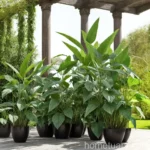
- Outdoor Plant: While it is primarily an indoor plant, Maranta Lemon can also be grown outdoors in suitable climates, adding vibrant foliage to garden landscapes and shaded patio areas.
- Houseplant: Due to its low-maintenance nature and ornamental value, Maranta Lemon is a favored choice as a houseplant, bringing life and color to living spaces.
- Decorative Plant: Its visually captivating foliage makes Maranta Lemon an ideal ornamental addition to various decorative plant arrangements and displays.
The versatile nature of Maranta Lemon as a container plant allows for creative and aesthetically pleasing gardening and decor options.
Common Diseases
While Maranta Lemon is generally resilient, it is susceptible to a few common diseases that can affect its overall health. These diseases can often be prevented or managed through proactive care and proper cultural practices.
Leaf Spot
Leaf spot is a common fungal disease that can affect Maranta Lemon, causing dark, water-soaked spots on the leaves. Here’s how to prevent and manage leaf spot:
- Avoid overwatering, which can create a conducive environment for fungal growth.
- Provide adequate air circulation around the plant to reduce humidity levels and minimize the risk of fungal diseases.
- Treat infected plants with a suitable fungicide to prevent the spread of the disease.
Root Rot
Root rot is a potentially serious condition that can affect Maranta Lemon when the roots are consistently waterlogged. To prevent and address root rot, consider the following measures:
- Ensure proper drainage in the pot to prevent water accumulation around the roots.
- Allow the soil to dry slightly between waterings to avoid creating excessively wet conditions.
- Trim and remove any rotted or damaged roots to prevent the spread of the disease.
Powdery Mildew
Powdery mildew appears as a white, powdery substance on the leaves of affected plants. To manage and prevent powdery mildew in Maranta Lemon, consider the following steps:
- Increase air circulation around the plant to reduce humidity and minimize the risk of fungal diseases.
- Treat infected plants with a suitable fungicide to mitigate the spread of powdery mildew.
Disease Diagnosis
Identifying common diseases in Maranta Lemon is essential for implementing the appropriate treatment measures. Here are some indicators and symptoms of potential diseases:
- Leaf Spot: Look for dark, water-soaked spots on the leaves, often accompanied by yellowing or browning.
- Root Rot: Check for soft, mushy roots and a foul odor emanating from the soil, indicating potential root rot.
- Powdery Mildew: Look for white, powdery patches on the leaves, particularly on the upper surfaces.
If you notice any of these symptoms in your Maranta Lemon plant, it is important to act promptly to prevent the spread of the disease and minimize its impact on the plant’s health.
Common Pests
In addition to diseases, Maranta Lemon can also be susceptible to certain pests that may affect its growth and vigor. Identifying and addressing these pests in a timely manner is crucial for maintaining the plant’s overall health.
Spider Mites
Spider mites are tiny pests that feed on the sap of plants, causing stippling, discoloration, and webbing on the leaves. To manage spider mites on Maranta Lemon, consider the following steps:
- Regularly mist the foliage to increase humidity levels and discourage spider mite infestations.
- Use a gentle insecticidal soap or neem oil to treat affected plants and control spider mite populations.
Mealybugs
Mealybugs are small, soft-bodied insects that often congregate on the undersides of leaves and leaf joints. To address mealybug infestations on Maranta Lemon, consider the following measures:
- Gently wipe the affected areas with a cotton swab dipped in isopropyl alcohol to remove mealybugs from the plant.
- Introduce natural predators such as ladybugs to help control mealybug populations in the garden.
Botanist’s Tips
To ensure the optimal growth and health of your Maranta Lemon plant, consider these expert tips and recommendations from botanists and experienced plant enthusiasts:
- Maintain Consistent Moisture: Strive to keep the soil consistently moist, as fluctuations in moisture levels can stress the plant.
- Provide Adequate Humidity: Consider using a humidifier or humidity tray to maintain the high humidity levels that Maranta Lemon prefers.
- Avoid Direct Sunlight: Protect the plant from direct sunlight, as it can cause the vibrant leaf colors to fade or lead to leaf scorch.
- Monitor for Pests and Diseases: Routinely inspect your Maranta Lemon for signs of pests and diseases, taking prompt action if any issues are identified.
- Prune Responsibly: While occasional pruning can be beneficial, avoid excessive pruning that can stress the plant and impede its growth.
Implementing these tips will contribute to the overall well-being and vitality of your Maranta Lemon plant, ensuring that it thrives in its environment.
Fun Facts
Maranta Lemon is a fascinating plant with several interesting and lesser-known facts that add to its allure. Here are some fun facts about Maranta Lemon (Maranta leuconeura):
- Circadian Rhythms: The leaves of Maranta Lemon exhibit a unique daily movement, with the foliage folding upright in the evening and relaxing back to a horizontal position during the day.
- Native Habitat: In its native habitat of Brazil, Maranta Lemon thrives in the shaded undergrowth of tropical rainforests, where it benefits from the warm, humid climate.
- Natural Purifier: In addition to its ornamental value, Maranta Lemon acts as a natural air purifier, helping to cleanse indoor environments by removing harmful airborne pollutants.
- Pet-Friendly Plant: Maranta Lemon is considered non-toxic to cats and dogs, making it a safe and pet-friendly choice for indoor plant enthusiasts.
- Historical Significance: Maranta species have historical significance, with some being used in traditional medicine and cultural practices by indigenous communities.
These intriguing facts shed light on the captivating nature of Maranta Lemon, adding to its appeal as a cherished plant species.
Links to External Resources
For additional information and resources on Maranta Lemon (Maranta leuconeura), consider exploring the following links:
- Royal Horticultural Society – Maranta leuconeura
- The Spruce – How to Grow and Care for Maranta Plants
- Plant Care Today – Maranta Plant Care: How to Grow the Maranta Plant
These resources offer valuable insights and comprehensive guidance on the cultivation, care, and appreciation of Maranta Lemon, enriching your understanding of this captivating plant species.
In conclusion, Maranta Lemon (Maranta leuconeura) stands out as a visually striking, low-maintenance plant with a rich history and a myriad of benefits for indoor and outdoor environments. By understanding and implementing the cultural requirements, propagation methods, and proactive care practices outlined in this guide, you can ensure the flourishing growth and longevity of your Maranta Lemon plant, allowing its captivating beauty to thrive in your living spaces.