Peacock Plant (Calathea Roseopicta)
The Peacock Plant, with its mesmerizing foliage, belongs to the Marantaceae family and is native to the tropical climates of Brazil. It is renowned for its.
Plants are not just a source of beauty in our homes and gardens; they also play a critical role in maintaining the ecological balance of our planet. Among the vast array of plant species, the Peacock Plant, scientifically known as Calathea roseopicta, stands out for its stunning appearance and unique care requirements. In this comprehensive guide, we will delve into the fascinating world of the Peacock Plant, exploring its cultural significance, care needs, common uses, as well as its role in indoor gardening. Whether you’re a seasoned plant enthusiast or just starting your journey with houseplants, this article will equip you with all the knowledge you need to cultivate and appreciate this remarkable plant.
What is the Peacock Plant (Calathea roseopicta)?
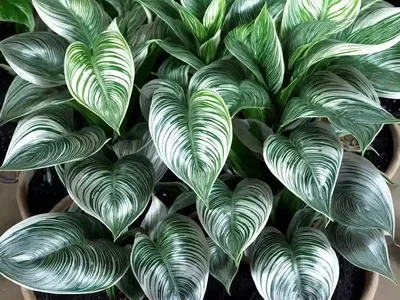
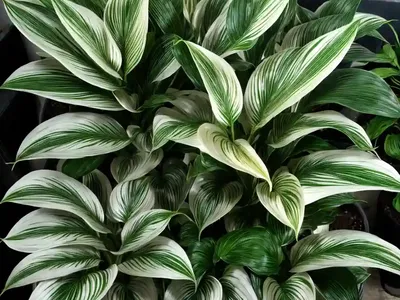
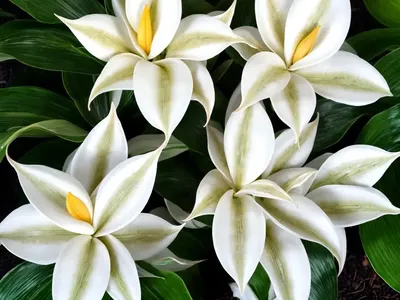
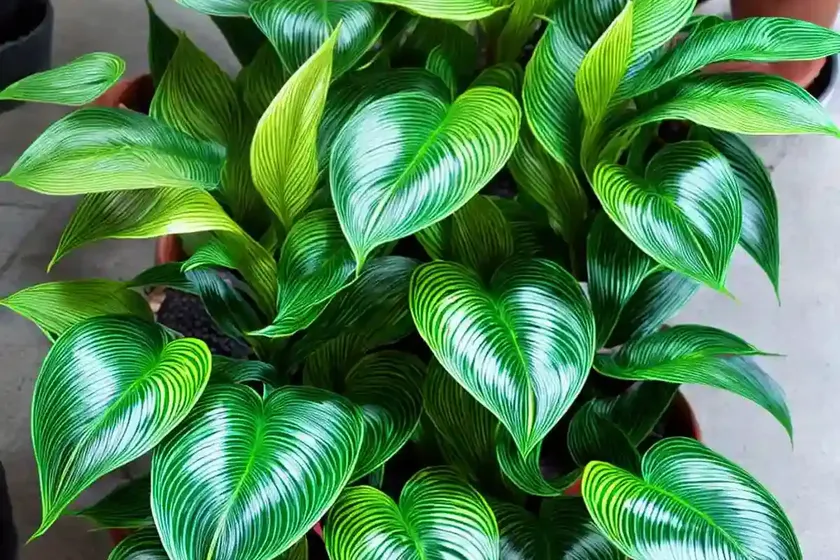
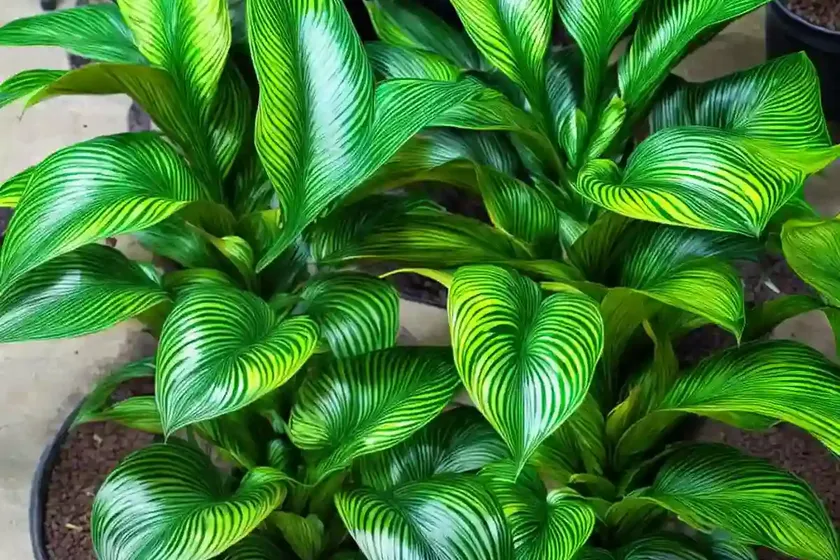
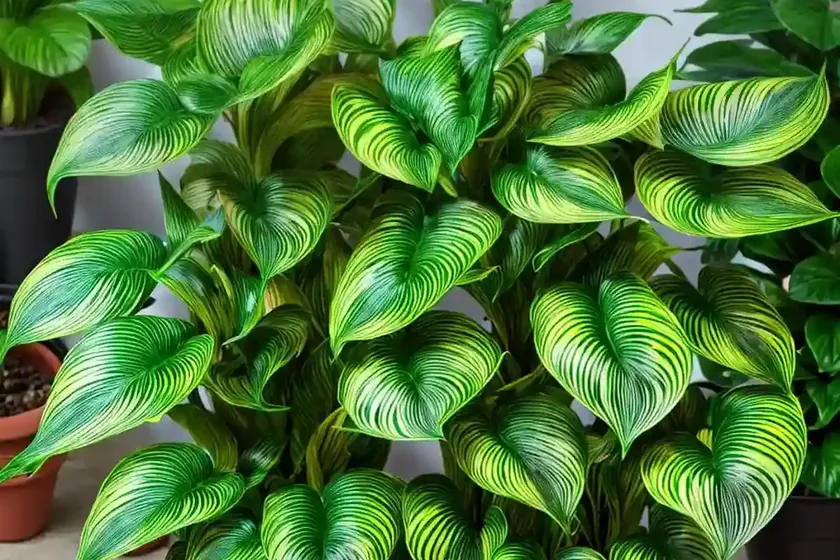
The Peacock Plant, with its mesmerizing foliage, belongs to the Marantaceae family and is native to the tropical climates of Brazil. It is renowned for its large, broad leaves that boast vibrant patterns, resembling the intricate feathers of a peacock hence its common name, “Peacock Plant.” This plant has prominent midribs and ranges in color from deep green to rich purple, while the undersides of the leaves often feature a contrasting hue.
The striking appearance of the Peacock Plant makes it a popular choice for indoor decoration, as it adds a touch of exotic elegance to any living space. Beyond its aesthetic appeal, the Peacock Plant also holds cultural significance in some regions, where it is believed to bring good fortune and positive energy to its surroundings.
Now that we have an overview of what the Peacock Plant is, let’s explore the key takeaways related to its care, uses, and maintenance requirements.
Key Takeaways: Peacock Plant (Calathea roseopicta)
Culture
The cultural significance of the Peacock Plant extends across different regions, where it is often regarded as a symbol of beauty, harmony, and prosperity. Its cultural associations have contributed to its popularity as a decorative plant in homes and public spaces.
Uses
The Peacock Plant is primarily cultivated for ornamental purposes, serving as a striking addition to indoor and outdoor gardens, as well as interior decor. Its vibrant foliage and distinct patterns make it a sought-after plant for adding visual interest and natural charm to various settings.
Water
Proper watering is crucial for the health of the Peacock Plant. It thrives in consistently moist, well-draining soil, and benefits from regular, moderate watering. Maintaining optimal soil moisture levels is essential to prevent issues such as leaf curling and browning.
Sunlight
The Peacock Plant prefers bright, indirect sunlight, making it an ideal choice for indoor spaces with filtered light. Exposure to direct sunlight can lead to leaf scorching, so it is important to shield the plant from harsh sun rays.
Fertilizer
Regular fertilization with a balanced, water-soluble fertilizer is recommended during the growing season to support the Peacock Plant’s lush foliage. However, it is important to follow a cautious approach, as over-fertilization can harm the plant.
Soil
A well-draining, high-quality potting mix is essential for the Peacock Plant’s well-being. The soil should retain moisture without becoming waterlogged, providing the plant’s roots with a healthy environment to thrive.
Pruning
Periodic pruning of discolored or damaged leaves is beneficial to maintain the Peacock Plant’s appearance and overall health. Pruning also helps manage the plant’s size and shape, promoting a tidy and well-groomed appearance.
Propagation
The Peacock Plant can be propagated through division or by taking stem cuttings. Both methods require careful handling and attention to environmental conditions to ensure successful root development.
Container Popularity
Due to its adaptability to indoor growing conditions, the Peacock Plant is a popular choice for container gardening. Its compact size and striking foliage make it an appealing addition to various types of containers and planters.
Container Common Diseases
The Peacock Plant is susceptible to certain diseases, especially when exposed to unfavorable growing conditions or inadequate care. Common diseases that affect this plant include root rot, leaf spot, and fungal infections.
Disease Diagnosis
Proper diagnosis of diseases affecting the Peacock Plant is essential for implementing effective treatment and preventive measures. Early detection of symptoms and prompt intervention can help mitigate the impact of plant diseases.
Common Pests
While the Peacock Plant is relatively resistant to pests, it can occasionally attract spider mites, aphids, and mealybugs. Vigilant monitoring and timely pest control measures are crucial for preserving the plant’s health.
Botanist’s Tips
Insights from botanists and plant experts can offer valuable guidance on the optimal care and maintenance practices for the Peacock Plant. Leveraging professional tips can enhance the success of cultivating and enjoying this captivating plant.
Fun Facts
Exploring intriguing and lesser-known facts about the Peacock Plant can deepen our appreciation for its unique characteristics and ecological significance. Fun facts about this plant add an element of discovery and wonder to the overall experience of growing and caring for it.
With our key takeaways outlined, we will now dive into each aspect in detail, providing comprehensive information on how to care for and appreciate the splendor of the Peacock Plant.
Cultural Significance of the Peacock Plant
The Peacock Plant has garnered cultural significance in various regions around the world, where it is celebrated for its symbolism and ornamental allure.
Cultural Symbolism
In some cultures, the patterns and colors of the Peacock Plant’s leaves are associated with positive attributes such as beauty, integrity, and harmony. As a result, the plant is often integrated into traditional rituals, celebrations, and decorative displays to evoke these desirable qualities.
Decorative Use
The vibrant and intricate foliage of the Peacock Plant makes it a favored choice for adorning living spaces, religious settings, and ceremonial venues. Its lush appearance adds a touch of natural elegance, and in some instances, the plant is believed to bring good fortune and blessings to its surroundings.
Rituals and Festivities
The Peacock Plant’s inclusion in rituals and festivals reflects its perceived auspiciousness and aesthetic appeal. It is often integrated into festive decorations, personal altars, and sacred spaces as a symbol of reverence and appreciation for nature’s beauty.
Superstitions and Beliefs
In certain cultures, the Peacock Plant is attributed with mystical properties, and its presence is believed to ward off negative energies and bring prosperity. These beliefs have contributed to the plant’s widespread popularity as a decorative element in homes and public areas.
Understanding the cultural significance of the Peacock Plant sheds light on its enduring appeal and the multifaceted ways in which it is woven into the fabric of human traditions and aesthetics. This insight adds depth to our appreciation of the plant’s visual charm and symbolic resonance.
Peacock Plant Care: A Closer Look
Caring for the Peacock Plant involves understanding and addressing its specific requirements for water, sunlight, soil, and overall maintenance. By following these guidelines, you can ensure the well-being and vibrancy of this captivating plant.
Water
Proper watering is crucial for the Peacock Plant, as it thrives in consistently moist soil. However, overwatering can lead to root rot and other complications. To achieve the right balance, consider the following watering tips:
- Frequency: Water the Peacock Plant regularly to maintain consistent soil moisture, but allow the top inch of the soil to dry out between watering sessions.
- Water Quality: Use room-temperature, distilled water or rainwater to avoid exposing the plant to harsh chemicals found in tap water.
- Drainage: Ensure that the plant’s container has drainage holes to prevent water from accumulating at the roots.
Sunlight
The Peacock Plant flourishes in bright, indirect light, making it an excellent choice for indoor cultivation. To optimize its light exposure:
- Placement: Position the plant in a location with filtered sunlight, such as near a north-facing window or in an area with dappled sunlight.
- Protection: Shield the plant from direct sunlight, as prolonged exposure can scorch the leaves and diminish their vibrant coloration.
Fertilizer
Feeding the Peacock Plant with a balanced, water-soluble fertilizer supports its growth and foliage development. However, it is crucial to adhere to the following guidelines:
- Frequency: Fertilize the plant monthly during the growing season, reducing the frequency during the dormant winter months.
- Dilution: Dilute the fertilizer to half or quarter strength to prevent overfeeding and potential damage to the plant.
Soil
The choice of soil greatly influences the Peacock Plant’s health and vitality. A well-draining, peat-based potting mix is ideal, complemented by the following considerations:
- Moisture Retention: Select a soil mix that retains moisture without becoming waterlogged, providing a balanced environment for the plant’s root system.
- Aeration: Ensure that the soil allows for proper aeration, preventing the accumulation of excess moisture around the roots.
Pruning
Routine pruning helps maintain the Peacock Plant’s visual appeal and overall health. Follow these tips when pruning the plant:
- Sanitization: Use clean, sharp scissors or pruning shears to remove discolored, damaged, or overgrown foliage.
- Selective Cutting: Focus on removing individual leaves rather than significant portions to maintain the plant’s natural form.
- Regular Inspection: Periodically inspect the plant for signs of leaf damage or discoloration to identify areas that require pruning.
These care guidelines provide a solid foundation for cultivating and nurturing the Peacock Plant, ensuring that it thrives in your indoor garden or decorative space.
Propagation and Container Gardening
Propagating the Peacock Plant allows you to expand your plant collection and share its beauty with others. Additionally, the Peacock Plant’s adaptability to container gardening makes it a versatile choice for various settings and preferences.
Propagation
Propagating the Peacock Plant can be achieved through division or stem cuttings. Each method offers unique advantages and requires specific steps for successful propagation:
- Division: Gently separate the plant into smaller sections, ensuring that each division contains healthy roots and foliage. Plant the divisions in individual containers with well-draining soil and provide adequate moisture and light for root establishment.
- Stem Cuttings: Select healthy stems with several leaves and propagate them in water or directly in soil. Maintain consistent moisture levels and moderate light as the cuttings develop roots and establish themselves as independent plants.
Container Gardening
The Peacock Plant’s compact size and striking foliage make it an ideal choice for containers and planters. When incorporating the Peacock Plant into your container garden, consider the following factors:
- Container Selection: Choose containers with adequate drainage to prevent waterlogging, and opt for sizes that accommodate the plant’s root system without excessive space.
- Potting Mix: Utilize a well-draining, peat-based potting mix that supports the plant’s moisture needs while providing essential aeration.
- Placement: Position the containers in locations with filtered sunlight and consistent temperatures, such as near windows or in well-lit indoor spaces.
By exploring the possibilities of propagation and container gardening, you can expand your horticultural ventures and appreciate the distinctive characteristics of the Peacock Plant within a controlled, contained environment.
Coping with Common Diseases and Pests
Protecting the Peacock Plant from potential diseases and pest infestations is essential for preserving its vitality and visual appeal. Understanding common issues and implementing effective control measures is vital in maintaining a healthy, flourishing plant.
Common Diseases
The Peacock Plant is susceptible to several diseases, with root rot, leaf spot, and fungal infections being the most prevalent. Recognizing the symptoms of these diseases enables prompt intervention and treatment:
- Root Rot: Symptoms include wilting, yellowing leaves, and a foul odor emanating from the soil. Adjusting the watering regimen and improving soil drainage can mitigate the impact of root rot.
- Leaf Spot: The development of dark, irregular spots on the leaves indicates a leaf spot infection. Prune affected foliage and maintain proper air circulation to prevent further spread.
- Fungal Infections: Overly damp conditions can lead to the onset of fungal infections, characterized by mold growth and spongy, discolored leaves. Address the root cause of excessive moisture to control fungal spread.
Disease Diagnosis
Accurate diagnosis of diseases affecting the Peacock Plant is essential for implementing targeted treatment and preventing recurrence. By closely observing the plant’s symptoms and consulting plant health resources, you can develop a sound disease diagnosis strategy:
- Symptom Recognition: Monitor the plant for signs of discoloration, wilting, or growth abnormalities, and note any changes in its overall appearance.
- Consultation: Seek advice from knowledgeable sources, such as horticulturists or plant health specialists, to identify specific diseases and implement recommended treatment methods.
Common Pests
While the Peacock Plant is generally resilient against pests, vigilance is necessary to address potential infestations promptly. Common pests that may affect the plant include spider mites, aphids, and mealybugs:
- Spider Mites: These tiny pests may cause stippling and webbing on the leaves. Regularly inspect the plant for signs of spider mite activity and employ appropriate pest control measures.
- Aphids: Aphids can cluster on tender foliage, sucking sap from the plant and causing leaf distortion. Promptly remove aphids through physical methods or employ natural predators to control the infestation.
- Mealybugs: These cottony, white pests often congregate in leaf axils and on the undersides of leaves. Use a targeted insecticidal treatment to eradicate mealybug populations and protect the plant.
By actively addressing common diseases and pests, you can safeguard the Peacock Plant and cultivate a thriving, resilient specimen that enchants with its captivating foliage.
Botanist’s Tips and Fun Facts
Engaging with botanists’ insights and intriguing facts about the Peacock Plant adds depth and enrichment to the experience of caring for this distinctive species. By exploring professional advice and lesser-known details, you can gain a deeper appreciation for the plant’s unique characteristics.
Botanist’s Tips
Professional tips from botanists and plant experts offer valuable guidance for enhancing the wellness and visual appeal of the Peacock Plant. By integrating expert insights into your care routine, you can optimize the plant’s growing conditions and longevity:
- Humidity Management: Maintain adequate humidity levels, especially during dry seasons or in indoor environments, to support the Peacock Plant’s lush foliage.
- Temperature Considerations: Protect the plant from extreme temperature fluctuations, providing a stable, mild climate for optimal growth and leaf development.
- Soil Assessment: Regularly assess the moisture retention and aeration capabilities of the soil to ensure it meets the Peacock Plant’s specific requirements.
Fun Facts
Exploring intriguing and lesser-known facts about the Peacock Plant adds an element of wonder and discovery to your horticultural journey. Delve into these fun facts to deepen your understanding and appreciation of this exceptional species:
- Ornamental Foliage: The Peacock Plant’s ornate foliage serves as a natural spectacle, attracting attention with its vivid colors and intricate patterns.
- Leaf Patterns: The plant’s distinct leaf patterns exhibit a remarkable diversity, ranging from striking geometric designs to delicate, asymmetrical motifs.
- Natural Habitat: In its native habitat in Brazil, the Peacock Plant thrives in the lush undergrowth of tropical forests, where it benefits from dappled sunlight and humid conditions.
- Pet-Friendly Qualities: The Peacock Plant is considered pet-friendly, making it a suitable choice for households with cats or dogs, as its foliage is non-toxic to pets.
- Indoor Gardening Appeal: The Peacock Plant’s adaptability to indoor settings and its elegant appearance make it a popular choice for interior landscaping and indoor gardening enthusiasts.
By embracing botanist’s tips and uncovering fascinating facts, you can cultivate a deeper connection with the Peacock Plant and celebrate its distinctive attributes within your personal horticultural endeavors.
Sources and External Resources
To further expand your understanding of the Peacock Plant and its care requirements, refer to the following external resources:
- Calathea Plant Care: How to Care for Different Calathea Varieties
- Calathea Roseopicta Care Guide: Tips for Healthy, Happy Calathea Plants
- The Joy of Houseplants: Calathea Plant Care
- How to Grow and Care for Calathea Plants
- Understanding Calathea Care Requirements
Explore these resources to gain additional insights and recommendations for nurturing the Peacock Plant and other Calathea varieties.
Conclusion
The Peacock Plant, or Calathea roseopicta, captivates with its vibrant foliage and cultural resonance, making it a favored choice for ornamental cultivation and indoor landscaping. By understanding its specific care requirements, cultural significance, and horticultural opportunities, you can embark on a rewarding journey of nurturing and appreciating this remarkable species.
In this comprehensive guide, we have delved into the key aspects of Peacock Plant care, propagation, common issues, and the significance of its presence in cultural traditions. Armed with this knowledge, you can confidently cultivate and adorn your living spaces with the enchanting beauty of the Peacock Plant, creating an oasis of natural elegance and vitality.
As you embark on your horticultural journey with the Peacock Plant, remember to leverage professional advice, engage with the plant’s cultural heritage, and enjoy the discoveries that come with nurturing this distinctive and captivating species.
Keywords: Calathea roseopicta care, Peacock plant care, Calathea roseopicta varieties, Peacock plant varieties, Calathea roseopicta care tips, Peacock plant care tips, how to grow Calathea roseopicta, how to care for Peacock plant, Calathea roseopicta watering, Peacock plant watering, Calathea roseopicta soil requirements, Peacock plant soil requirements, Calathea roseopicta light conditions, Peacock plant light conditions, Calathea roseopicta humidity needs, Peacock plant humidity needs, Calathea roseopicta propagation, Peacock plant propagation, Calathea roseopicta fertilizing, Peacock plant fertilizing, Calathea roseopicta pests and diseases, Peacock plant pests and diseases, common issues with Calathea roseopicta, common problems with Peacock plant, Calathea roseopicta leaf patterns, Peacock plant leaf patterns, Calathea roseopicta indoor gardening, Peacock plant indoor gardening, Calathea roseopicta potting mix, Peacock plant potting mix, Calathea roseopicta temperature requirements, Peacock plant temperature requirements, Calathea roseopicta leaf curling, Peacock plant leaf curling, Calathea roseopicta leaf care, Peacock plant leaf care, Calathea roseopicta pet-friendly, Peacock plant pet-friendly, Calathea roseopicta decorative plant, Peacock plant decorative plant, Calathea roseopicta indoor plant, Peacock