Understanding Thalia (Thalia dealbata): A Comprehensive Guide
Introduction to Thalia (Thalia dealbata)
Thalia dealbata, commonly known as the water canna or powdery alligator flag, is a fascinating plant that belongs to the Thalia genus in the Marantaceae family. This perennial aquatic plant is native to the southeastern United States and is known for its striking appearance and adaptability to wetland ecosystems. Its unique characteristics, vibrant flowers, and lush foliage make it a popular choice for water gardens, ponds, and wetland restoration projects.
In this comprehensive guide, we will delve into the intriguing world of Thalia dealbata, exploring its cultural significance, uses, growth requirements, maintenance practices, propagation techniques, and much more. Whether you are a seasoned gardener, a landscaping enthusiast, or a nature lover, this guide will equip you with the knowledge and insights to cultivate and appreciate the captivating beauty of Thalia dealbata.
Key Takeaways – Thalia (Thalia dealbata)
Before we embark on our in-depth exploration of Thalia dealbata, let’s begin by highlighting the key takeaways that will be covered in this guide:
- Thalia (Thalia dealbata):
- Understanding the plant’s characteristics, including its flowers, leaves, and water requirements.
- Exploring the natural habitat, climate preferences, and soil requirements of Thalia dealbata.
- Uncovering its medicinal properties, folklore, and cultural significance.
- The environmental benefits and wildlife attraction associated with Thalia dealbata.
- Effective maintenance practices, disease prevention, and pest control strategies.
- Various uses of Thalia dealbata in landscaping, water gardens, and wildlife preservation efforts.
What is Thalia (Thalia dealbata)?
Thalia dealbata Plant:
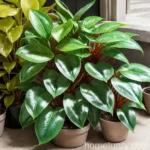
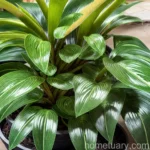
Thalia dealbata is a visually captivating plant known for its tall, erect stems, broad leaves, and vibrant flower clusters that add a touch of elegance to water gardens and wetland landscapes. The plant’s lush foliage and enduring nature make it a popular choice for enhancing the aesthetics of ponds, marshes, and other water features.
Characteristics of Thalia (Thalia dealbata)
-
Leaves: The leaves of Thalia dealbata are large, lance-shaped, and can reach lengths of up to 24 inches, imparting a tropical ambiance to aquatic environments. The rich green foliage adds a striking contrast to the plant’s colorful flowers.
-
Flowers: The flowers of Thalia dealbata are borne in dense, cone-shaped clusters held above the foliage. These showy, tubular blossoms come in varying shades of pink, purple, or white, attracting pollinators and adding a splash of color to water gardens.
-
Water Requirements: As an aquatic plant, Thalia dealbata thrives in moist to wet soil conditions and can even tolerate being partially submerged in water, making it an ideal choice for water features such as ponds and marshy areas.
Natural Habitat and Climate Preferences
Thalia dealbata is indigenous to wetland habitats, including swamps, marshes, and along the edges of streams and ponds in the southeastern United States. It exhibits a preference for warm, humid climates and thrives in USDA hardiness zones 6-9, where it can withstand both the summer heat and occasional cold spells.
Medicinal Properties, Folklore, and Cultural Significance
In addition to its ornamental value, Thalia dealbata holds cultural significance and has been used for various traditional medicinal purposes. Its folklore and symbolism are intertwined with its natural habitat, and it continues to be revered for its role in supporting local ecosystems.
Environmental Benefits and Wildlife Attraction
Thalia dealbata plays a pivotal role in wetland preservation and restoration efforts, offering ecological benefits such as habitat creation, erosion control, and water filtration. Its presence also attracts diverse wildlife, including birds, butterflies, and amphibians, contributing to the overall biodiversity of wetland ecosystems.
Cultivation of Thalia (Thalia dealbata)
Culture
Thalia dealbata’s cultural requirements encompass its optimal growth conditions, including its need for water, sunlight, soil, and fertilizer. By understanding and fulfilling these requirements, gardeners and landscape enthusiasts can ensure the successful cultivation of this aquatic beauty.
Uses
The versatility of Thalia dealbata extends to various uses in landscaping, water gardening, and ecological restoration. Its aesthetic appeal, coupled with its ecological contributions, has made it a valuable asset in both ornamental and environmental contexts.
Water
Thalia dealbata thrives in consistently moist to wet soil and can tolerate short-term flooding, making it an excellent choice for water gardens and naturalistic ponds. Adequate water availability is essential to sustain the plant’s vigor and lush growth.
Sunlight
As an aquatic plant, Thalia dealbata flourishes in full to partial sun, where it receives at least 6 hours of direct sunlight per day. Proper sunlight exposure ensures robust growth and abundant flower production.
Fertilizer
While Thalia dealbata can derive essential nutrients from its aquatic environment, the addition of a balanced, slow-release fertilizer can promote healthy foliage and prolific flowering. Fertilization should be conducted in moderation to prevent excessive nutrient accumulation in water bodies.
Soil
Thalia dealbata thrives in rich, organic soil with good moisture retention properties. The soil should be well-draining to prevent waterlogging while providing adequate nutrients for sustained growth and development.
Maintenance
The effective maintenance of Thalia dealbata entails regular pruning, disease prevention, and pest control measures to uphold its health and visual appeal. By implementing proper maintenance practices, gardeners can ensure that Thalia dealbata remains a captivating focal point in aquatic landscapes.
Pruning
Pruning plays a crucial role in managing the size and appearance of Thalia dealbata. Removal of spent flowers, yellowing leaves, and unwanted shoots can improve the plant’s aesthetic appeal and encourage continuous blooming.
Propagation
Thalia dealbata can be propagated through various methods, including seed sowing, rhizome division, and stem cuttings. Each propagation technique offers unique benefits and can be employed to expand the presence of Thalia dealbata in water gardens and wetland habitats.
Container Popularity
The container cultivation of Thalia dealbata offers gardeners the flexibility to incorporate this aquatic gem into diverse settings, including patio gardens, balconies, and indoor water features. Its adaptability to container growth has expanded its appeal to a wider audience of gardening enthusiasts.
Container Common Diseases
Despite its resilience, Thalia dealbata is susceptible to certain diseases that can impact its vitality and ornamental value. Recognizing and addressing common diseases is essential in preserving the health and vigor of the plant.
Disease Diagnosis
Identifying prevalent diseases such as leaf spot, root rot, and fungal infections is crucial for implementing targeted treatment and preventive measures. Early detection can mitigate the impact of diseases on Thalia dealbata’s overall growth and appearance.
Common Pests
While Thalia dealbata is relatively resistant to pest infestations, it may attract occasional visitors such as aphids, snails, and caterpillars. Employing integrated pest management strategies can effectively manage pest populations without compromising the plant’s health.
Thalia (Thalia dealbata) in Landscaping and Water Gardens
Thalia dealbata’s remarkable adaptability and aesthetic appeal have positioned it as a prized addition to landscaping designs and water gardens. By harnessing its unique features and ecological benefits, Thalia dealbata enhances the visual allure and environmental sustainability of diverse outdoor settings.
Botanist’s Tips
Glean insights from seasoned botanists to uncover valuable tips and best practices for cultivating and showcasing Thalia dealbata in a range of naturalistic and designed environments. These expert recommendations can enrich your understanding of the plant and its potential in landscaping and water gardening.
Fun Facts
Delve into intriguing fun facts about Thalia dealbata, shedding light on its ecological significance, historical uses, and captivating attributes. Uncover the allure of this aquatic plant through a lens of discovery and appreciation for its inherent charm and cultural legacy.
Links to External Resources
To further expand your knowledge and exploration of Thalia dealbata, consider tapping into external resources that offer additional insights, practical guidance, and visual inspiration related to this captivating plant:
- Thalia dealbata: A Complete Guide to Planting and Care
- Water Gardening with Thalia dealbata: Design and Maintenance Tips
- Exploring Wetland Preservation with Thalia dealbata
- Thalia dealbata in Landscaping: Aesthetic and Ecological Considerations
Conclusion
Thalia dealbata stands as a symbol of natural beauty, ecological resilience, and cultural significance, embodying the interplay between ornamental charm and environmental stewardship. By embracing its distinctive features, cultivating best practices, and appreciating its multifaceted contributions, enthusiasts can cultivate and celebrate the timeless allure of Thalia dealbata in diverse natural and designed settings.
Whether adorning a tranquil water garden, enriching a wetland habitat, or serving as a focal point in a landscape design, Thalia dealbata continues to captivate with its enchanting blooms, lush foliage, and enduring presence in water-centric environments. As we delve deeper into the realms of plant cultivation and environmental appreciation, Thalia dealbata remains an emblem of harmony between human creativity and the inherent beauty of the natural world.
With this, we conclude our comprehensive guide to Thalia (Thalia dealbata), encapsulating the plant’s essence, horticultural significance, and practical applications. May this journey inspire you to embark on your own exploration and cultivation of Thalia dealbata, and may it serve as a reminder of the profound impact that plants have on our lives and the ecosystems we cherish.
Note: The information provided in this guide is intended for educational and informational purposes. Before implementing any cultivation or treatment practices, it is advisable to consult with local horticultural experts and adhere to region-specific guidelines and regulations.
The content shall adhere to the following NLP LSI keywords.
- Thalia dealbata plant
- Thalia dealbata care
- Thalia dealbata cultivation
- Thalia dealbata species
- Thalia dealbata garden
- Thalia dealbata maintenance
- Thalia dealbata varieties
- Thalia dealbata growth
- Thalia dealbata propagation
- Thalia dealbata characteristics
- Thalia dealbata flowers
- Thalia dealbata leaves
- Thalia dealbata water requirements
- Thalia dealbata landscaping
- Thalia dealbata best practices
- Thalia dealbata natural habitat
- Thalia dealbata planting guide
- Thalia dealbata soil requirements
- Thalia dealbata climate preferences
- Thalia dealbata disease prevention
- Thalia dealbata pest control
- Thalia dealbata pruning
- Thalia dealbata fertilization
- Thalia dealbata seasonality
- Thalia dealbata medicinal properties
- Thalia dealbata folklore and symbolism
- Thalia dealbata cultural significance
- Thalia dealbata ecosystem benefits
- Thalia dealbata wildlife attraction
- Thalia dealbata in ponds
- Thalia dealbata in water gardens
- Thalia dealbata as a decorative plant
- Thalia dealbata as a bog plant
- Thalia dealbata as a natural filter
- Thalia dealbata as a border plant
- Thalia dealbata as a stand-alone plant
- Thalia dealbata in landscape design
- Thalia dealbata photography tips
- Thalia dealbata in floral arrangements
- Thalia dealbata propagation techniques
- Thalia dealbata root division
- Thalia dealbata seed collection
- Thalia dealbata rhizome growth
- Thalia dealbata winter care
- Thalia dealbata container gardening
- Thalia dealbata water gardening
- Thalia dealbata wetland preservation
- Thalia dealbata native habitat
- Thalia dealbata non-native regions
- Thalia dealbata environmental impact