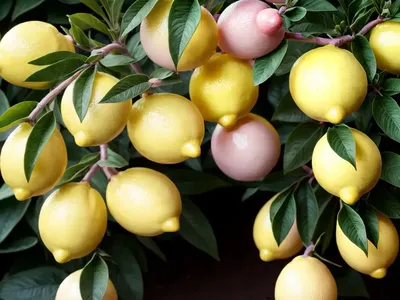
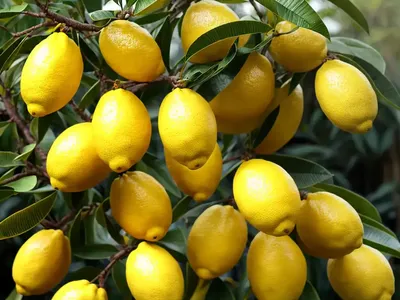
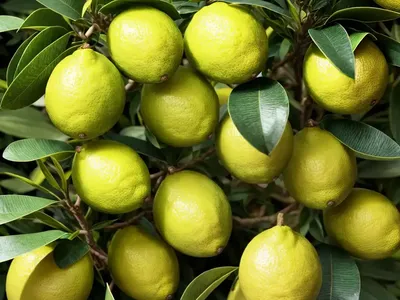
Limon Eureka (Citrus X Limon ‘Eureka’)
The Limon eureka, scientifically known as Citrus x limon ‘Eureka’, is a captivating and fruitful citrus tree that has gained popularity among gardeners and.
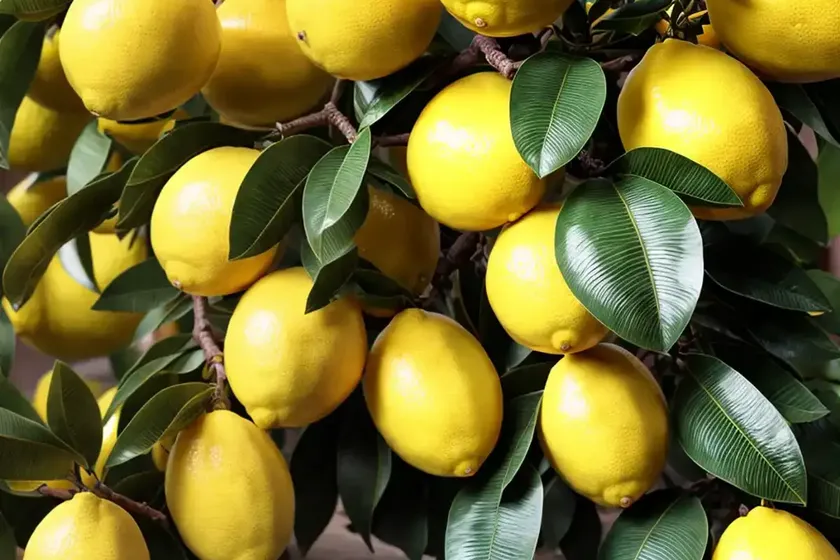
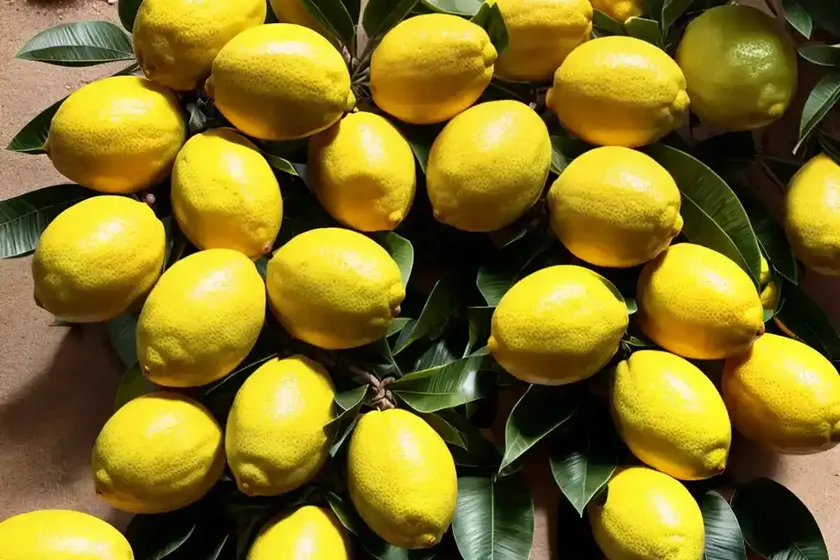
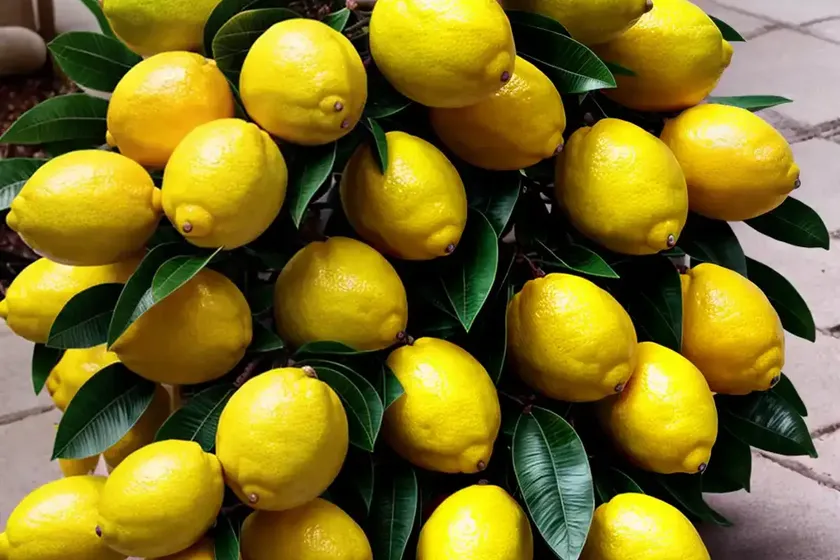
The Limon eureka, scientifically known as Citrus x limon ‘Eureka’, is a captivating and fruitful citrus tree that has gained popularity among gardeners and homeowners alike. This species is celebrated for its luscious and tangy fruit, as well as its manageable size, making it an ideal addition to various outdoor and indoor settings. In this extensive guide, we will delve into the various aspects of caring for and cultivating the Limon eureka, providing you with valuable insights into its culture, uses, maintenance, and much more.
What is Limon eureka (Citrus x limon ‘Eureka’)?
The Limon eureka, also known as the Eureka lemon tree, is a species of citrus plant that belongs to the Rutaceae family. The Eureka lemon variety is favored for its evergreen nature, glossy green leaves, and oblong, bright yellow fruit known for its refreshing lemon flavor. It thrives in warm climates and has become a staple in gardens, orchards, and even container cultivation.
Key Takeaways – Limon eureka (Citrus x limon ‘Eureka’)
Before we dive into the intricate details of growing and caring for the Limon eureka, let’s briefly touch upon the key takeaways:
- The Limon eureka, or Eureka lemon tree, is a citrus plant revered for its vibrant yellow fruit and evergreen foliage.
- It is well-suited for both outdoor and indoor cultivation, making it an adaptable and versatile addition to any garden or living space.
- Proper care, including adequate sunlight, watering, and soil nutrition, is essential for the healthy growth and fruitfulness of the Eureka lemon tree.
Now, let’s explore the various facets of cultivating and tending to the captivating Limon eureka, encompassing its culture, uses, water requirements, sunlight preferences, fertilizer needs, soil preferences, pruning techniques, propagation methods, and more.
Culture
Uses
The Limon eureka, with its bountiful lemon harvests, serves a multitude of purposes and can be utilized in various ways, such as:
- Culinary Delights: Eureka lemons are prized for their tangy flavor, used in an array of culinary delights, including beverages, salads, marinades, desserts, and savory dishes.
- Natural Cleaning Agent: The juice of Eureka lemons serves as an effective and natural cleaning agent due to its acidic properties, suitable for surface cleaning and removing stains.
- Aromatherapy and Beauty: The zest and essential oils extracted from Eureka lemons are often utilized in aromatherapy and beauty products for their invigorating and refreshing fragrance.
Water
Proper watering is crucial for the well-being and productivity of the Limon eureka. This species requires consistent moisture, especially during its initial growth stages, to establish strong roots and promote fruit development. However, overwatering can lead to root rot and other water-related issues, necessitating a balanced approach to watering.
- General Tips for Watering Eureka Lemon Trees:
- The soil should be evenly moist but not waterlogged. Adequate drainage is essential to prevent water accumulation around the roots.
- Regular checking of soil moisture levels is advisable, especially during warmer months, as Eureka lemons may require more frequent watering during periods of intense heat.
- Deep watering, allowing the moisture to penetrate the root zone, is preferable over frequent but shallow watering.
Sunlight
Sunlight Requirements for Eureka Lemon Trees
The Limon eureka thrives in full sunlight, showcasing optimal growth and fruitfulness when provided with ample sunshine. However, it can also tolerate partial shade, making it a versatile choice for various outdoor and indoor environments.
- Sunlight Guidelines for Eureka Lemon Trees:
- Placement: When cultivating Eureka lemon trees outdoors, choose a location that receives at least 6-8 hours of direct sunlight daily. This ensures robust growth and abundant fruit production.
- Indoor Considerations: When grown indoors, place the Eureka lemon tree near a sunny window or provide supplemental grow lights to mimic the conditions of natural sunlight.
Fertilizer
A nourishing fertilizer regimen is essential for maintaining the vigor and fertility of the Limon eureka, supplying the necessary nutrients for healthy growth and bountiful fruiting.
- Fertilizing Eureka Lemon Trees:
- Regular Feeding: During the growing season (spring and summer), use a balanced citrus fertilizer or a specialized formula for lemon trees every 6-8 weeks. This provides the tree with essential nutrients such as nitrogen, phosphorus, and potassium.
- Mindful Application: Follow the manufacturer’s instructions for the appropriate dosage and application method, ensuring that the fertilizer is evenly distributed around the tree’s drip line. Avoid direct contact of the fertilizer with the trunk to prevent potential damage.
Soil
Best Soil for Eureka Lemon Trees
The choice of soil directly impacts the health and vitality of the Limon eureka, influencing factors such as nutrient availability, drainage, and root development. The ideal soil for Eureka lemon trees is well-draining and rich in organic matter.
- Ideal Soil Characteristics:
- Well-Draining Texture: Loamy or sandy loam soils that facilitate water drainage and aeration are optimal for Eureka lemon tree cultivation.
- pH Range: The soil pH should ideally range between 6.0 and 7.5, providing a slightly acidic to neutral environment that supports nutrient uptake and overall plant health.
- Organic Enrichment: Amending the soil with organic matter, such as compost or well-rotted manure, enhances its fertility and texture, promoting robust root growth and moisture retention.
Pruning
Pruning Techniques for Eureka Lemon Trees
Pruning is an essential aspect of Eureka lemon tree care, contributing to overall tree health, fruit production, and aesthetic appeal. Proper pruning practices involve the removal of dead or diseased branches, shaping the tree, and managing its size to maintain a manageable and productive form.
- Key Pruning Considerations:
- Deadwood Removal: Regularly prune and remove dead, damaged, or diseased branches to prevent the spread of pathogens and enhance the tree’s vitality.
- Size Management: Trim back excessive growth and maintain a balanced shape to facilitate sunlight penetration and air circulation within the tree canopy, supporting fruit development.
- Pruning Timing: Optimal pruning time for Eureka lemon trees is during late winter or early spring before the onset of new growth, allowing the tree to recover and flourish during the growing season.
Propagation
The propagation of Limon eureka can be achieved through several methods, including seed propagation, cutting propagation, and grafting, each with its own set of considerations and challenges.
- Propagation Techniques:
- Seed Propagation: While Eureka lemon trees can be grown from seeds, the resulting plants may exhibit substantial variation in fruit quality and characteristics. Consequently, propagation via seeds is not the preferred method for maintaining the desired traits of the Eureka lemon variety.
- Cutting Propagation: Propagating Eureka lemon trees through stem cuttings, employing healthy and disease-free branches, allows for the production of genetically identical clones of the parent tree, ensuring consistent fruit quality and characteristics.
- Grafting: A common and effective propagation method involves grafting Eureka lemon scions onto compatible rootstock, promoting vigorous growth, disease resistance, and fruit production while controlling tree size and adaptability.
Container Popularity
The Limon eureka is well-suited for container cultivation, thriving in a controlled environment and adapting to various living spaces such as patios, balconies, and indoor settings. This adaptability has contributed to the popularity of Eureka lemon trees among urban dwellers and gardening enthusiasts with limited outdoor space.
- Advantages of Container Cultivation:
- Space Efficiency: Eureka lemon trees in containers are ideal for small gardens, urban landscapes, and indoor settings, offering fruit-bearing potential without the need for extensive garden plots.
- Mobility: Container-grown Eureka lemon trees can be moved to optimize sunlight exposure or protect them during inclement weather, providing flexibility in their care and maintenance.
- Ornamental Value: Beyond their fruit-bearing capabilities, Eureka lemon trees in containers add a decorative and aromatic element to outdoor and indoor settings, enhancing the aesthetics of the surroundings.
Common Diseases
Disease Diagnosis and Prevention for Eureka Lemon Trees
Eureka lemon trees are susceptible to various diseases and disorders that can affect their overall health and productivity. Identifying the signs and symptoms of common ailments is essential for prompt intervention and effective disease management.
- Common Diseases and Diagnostic Indicators:
- Citrus Canker: Characterized by the formation of raised lesions on leaves, stems, and fruit, citrus canker is a bacterial disease that can lead to defoliation and fruit drop. Implementing proper sanitation and disease-resistant cultivars contributes to canker prevention.
- Root Rot: Excessive soil moisture and poor drainage can lead to the development of root rot, causing yellowing, wilting, and eventual decline of the tree. Maintaining proper watering practices and improving soil drainage help mitigate the risk of root rot in Eureka lemon trees.
- Anthracnose: This fungal disease manifests as dark, sunken lesions on fruit and leaves, potentially leading to reduced fruit quality and yield. Disease management involves maintaining proper air circulation, implementing fungicidal treatments, and removing affected plant parts.
Common Pests
Pest Control Strategies for Eureka Lemon Trees
Eureka lemon trees are susceptible to attack by various pests, including insects and mites, which can cause damage to foliage, flowers, and fruit. Implementing pest control measures is crucial for preserving the health and productivity of the trees.
- Key Pest Management Practices:
- Citrus Leafminer: These tiny larvae create serpentine tunnels in new growth, causing distortion and leaf damage. Monitoring new growth and implementing cultural control measures, such as natural predators or oil applications, helps manage citrus leafminer infestations.
- Aphids: Aphids feed on plant sap, causing distortion of young shoots and an overall decline in tree vigor. Promoting natural predators, such as ladybugs and lacewings, and employing insecticidal soaps aid in controlling aphid populations without harming beneficial insects.
- Scale Insects: Scale insects can infest branches and stems, causing yellowing, wilting, and reduced growth. Pruning and removing heavily infested plant parts, along with targeted insecticidal treatments, contribute to scale insect management.
Botanist’s Tips
Expert Recommendations for Eureka Lemon Tree Care
To ensure the successful cultivation and maintenance of Limon eureka, it is beneficial to heed the advice of experienced botanists and citrus enthusiasts, incorporating their practical tips and insights into your growing practices.
- Botanist’s Recommendations:
- Disease Resistance: When selecting Eureka lemon trees for cultivation, opt for disease-resistant cultivars and reputable nursery sources to minimize the risk of infection and disease-related issues.
- Soil Testing: Periodically conduct soil tests to assess nutrient levels, pH balance, and potential deficiencies, allowing for targeted soil amendments and tailored fertilizer applications to meet the tree’s specific needs.
Fun Facts
Intriguing Tidbits about Eureka Lemons
While the Limon eureka is celebrated for its culinary utility and ornamental appeal, there are several intriguing and lesser-known facts that add to its allure and fascination.
- Fun Facts about Eureka Lemons:
- Thornless Varieties: Some cultivated forms of Eureka lemon trees exhibit reduced thorniness, enhancing their ease of handling during cultivation and harvest.
- Evergreen Nature: Eureka lemon trees maintain their lush, green foliage throughout the year, contributing to their visual appeal and ornamental value in garden settings and indoor spaces.
Links to External Resources
For additional insights, detailed information, and comprehensive resources related to the care and cultivation of Limon eureka (Citrus x limon ‘Eureka’), consider exploring the following external links:
- University of California Agriculture and Natural Resources – Citrus Publications:
The University of California provides a wealth of publications and resources dedicated to citrus cultivation, covering topics ranging from pest management to orchard care. - The Citrus Industry – Citrus Diseases:
This resource offers detailed insights into citrus diseases, their symptoms, and management strategies, serving as a comprehensive guide for disease diagnosis and prevention in citrus trees. - Master Gardener Program – Pest Notes:
The Master Gardener Program provides pest notes and educational materials for managing insect pests and diseases affecting citrus trees and other garden plants.
In this comprehensive guide, we have delved into the intriguing world of the Limon eureka (Citrus x limon ‘Eureka’), offering a holistic perspective on its cultivation, care, and management. By incorporating the recommended practices and insights outlined in this guide, you can embark on a rewarding journey of nurturing and enjoying the bountiful fruits and ornamental charm of the Eureka lemon tree.
Remember, while the world of plant care is vast and diverse, each step taken to understand and support the growth of the Limon eureka fosters a deeper connection with nature and the cycles of life.
Happy cultivating!
Disclaimer: The information provided in this guide is for educational purposes only and does not serve as a substitute for professional agricultural or horticultural advice. Always consult with certified experts and extension services for personalized recommendations and guidance.