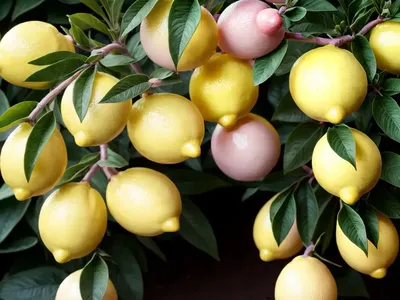
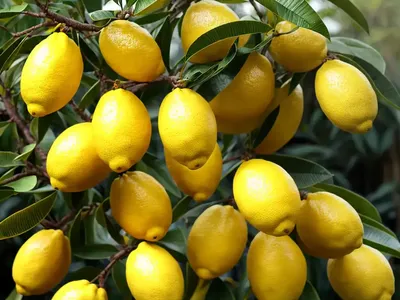
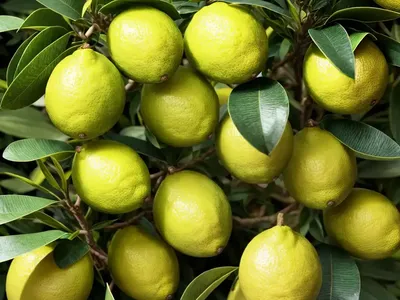
Key Lime Tree (Citrus Aurantifolia)
Plants are multicellular organisms with the ability to produce their food through the process of photosynthesis. They play a vital role in the ecosystem by.
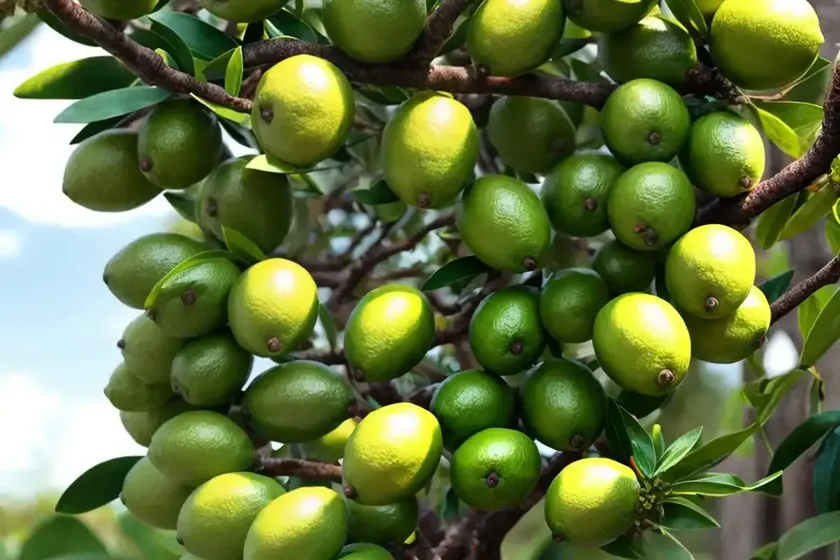
What is a Plant?
Plants are multicellular organisms with the ability to produce their food through the process of photosynthesis. They play a vital role in the ecosystem by providing oxygen, food, and habitat for other organisms. In addition to their ecological importance, plants have been utilized by humans for various purposes for centuries, including food, medicine, and ornamental decoration.
Key Lime Tree (Citrus aurantifolia)
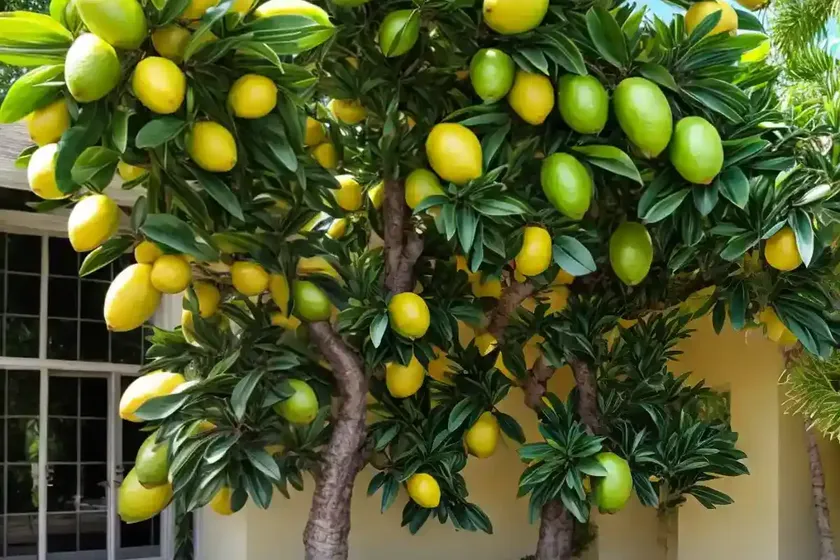
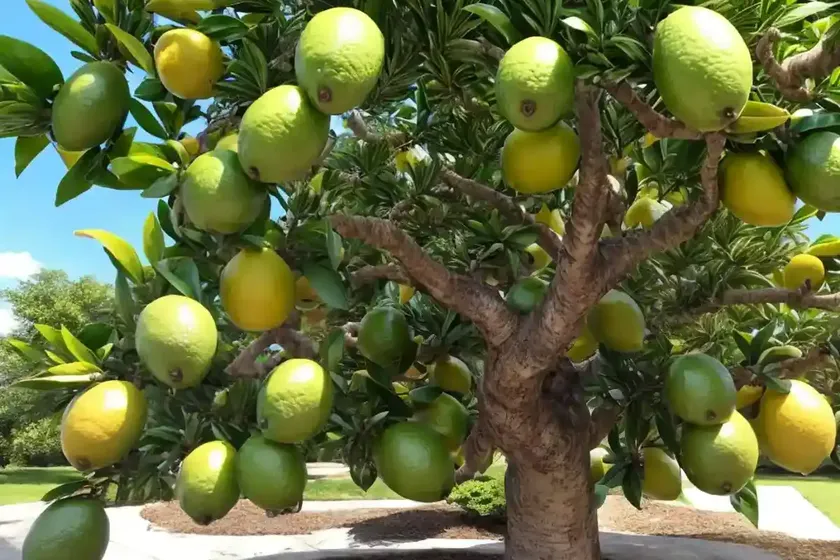
The Key lime tree, scientifically known as Citrus aurantifolia, is a small, bushy evergreen tree belonging to the Rutaceae family. This tropical plant is native to Southeast Asia and is widely cultivated for its small, round, greenish-yellow fruit known as Key limes. The fruit is renowned for its unique flavor, a combination of tartness and sweetness, and is a key ingredient in various culinary dishes and beverages.
Key Takeaways – Key Lime Tree (Citrus aurantifolia)
- Botanical Name: Citrus aurantifolia
- Common Names: Key lime, Mexican lime, West Indian lime
- Plant Type: Fruit-bearing tree
- Climate: Tropical and subtropical regions
- Sun Exposure: Full sun
- Soil Type: Well-draining soil
- Watering: Regular watering
- Height: Up to 6-13 feet (1.8-4 meters)
- Spread: Up to 6-10 feet (1.8-3 meters)
- USDA Hardiness Zones: 9-11
The Key lime tree is a popular choice among gardeners and citrus enthusiasts due to its compact size, aromatic foliage, and the delicious fruits it produces. In the following sections, we will delve deeper into the cultivation, uses, care requirements, and maintenance of the Key lime tree, providing valuable insights for both novice and experienced plant enthusiasts.
Culture
The Key lime tree thrives in tropical and subtropical climates, where it can be grown in the ground or in containers in cooler regions. Its cultural requirements are essential to ensure its optimal growth and fruit production.
Uses
The Key lime tree is primarily cultivated for its prized fruits, which are in high demand for culinary and beverage purposes. The juice extracted from Key limes is a key ingredient in the preparation of various dishes, including desserts, marinades, cocktails, and salad dressings. Additionally, the aromatic leaves of the Key lime tree can be used to impart a unique citrus flavor to certain culinary creations, making it a versatile addition to any garden or kitchen.
Water
Proper watering is crucial for the health and productivity of Key lime trees. These plants have moderate water needs and should be watered regularly, especially during dry spells. It is important to ensure that the soil is well-draining to prevent waterlogging, which can lead to root rot and other detrimental conditions.
Sunlight
The Key lime tree thrives in full sunlight, requiring at least 6-8 hours of direct sun exposure per day. Adequate sunlight is essential for the development of healthy foliage and the production of quality fruits. In regions with harsh afternoon sun, providing some shade during the hottest part of the day can benefit the plant by preventing leaf scorch and dehydration.
Fertilizer
To support healthy growth and fruit development, Key lime trees benefit from regular fertilization with a balanced citrus fertilizer. The application of fertilizer should be carried out according to the manufacturer’s recommendations, with additional emphasis on the use of organic or slow-release fertilizers for sustained nutrient availability.
Soil
Well-draining soil is essential for Key lime trees to prevent waterlogging and root suffocation. A slightly acidic to neutral soil pH ranging from 6.0 to 7.0 is ideal for the cultivation of Key lime trees. If the native soil is not well-draining or lacks proper nutrients, amending it with organic matter such as compost or peat moss can significantly improve its structure and fertility.
Pruning
Regular pruning is essential to maintain the shape, size, and overall health of Key lime trees. Pruning also helps to improve air circulation within the canopy, reduce overcrowding, and remove dead or diseased branches. Pruning should be conducted during the dormant season to minimize stress on the tree and promote vigorous regrowth in the following spring.
Propagation
Key lime trees can be propagated through several methods, including seed propagation, cutting propagation, and grafting. Seed propagation is a simple and cost-effective method, but it may result in variations in fruit quality and characteristics due to genetic variability. Cutting propagation involves rooting stem cuttings from a mature Key lime tree to produce genetically identical offspring. Grafting, specifically onto disease-resistant rootstock, is a preferred method for maintaining fruit quality and enhancing the tree’s resistance to environmental stressors.
Container Popularity
The compact size and adaptability of Key lime trees make them popular choices for container gardening. This allows individuals in cooler climates to cultivate and enjoy these tropical fruits indoors or on patios during the warmer months. By providing adequate sun exposure and maintaining proper care, Key lime trees can thrive and produce fruits of exceptional quality in containers.
Container Common Diseases
While growing Key lime trees in containers offers various benefits, it also comes with its own set of challenges, including susceptibility to certain diseases. Common container diseases that may affect Key lime trees include root rot, powdery mildew, and citrus canker. Practicing good sanitation, providing proper air circulation, and using disease-resistant cultivars can help mitigate the risk of these diseases.
Disease Diagnosis
Key lime trees are susceptible to a range of diseases that can impact their overall health and productivity. Proper diagnosis of diseases is crucial for implementing effective management strategies to prevent the spread of infections and minimize crop losses. Common diseases that may affect Key lime trees include:
- Citrus Canker: A bacterial disease characterized by the formation of raised, corky lesions on leaves, stems, and fruits, leading to defoliation and fruit drop.
- Phytophthora Root Rot: A fungal disease that causes root rot, leading to wilting, stunted growth, and eventual collapse of the plant.
- Citrus Black Spot: A fungal disease that manifests as dark, sunken lesions on fruits, reducing their marketability and quality.
Common Pests
In addition to diseases, Key lime trees are vulnerable to attack by various pests that can cause damage to foliage, fruits, and overall tree health. Common pests that may infest Key lime trees include:
- Citrus Whiteflies: Small, winged insects that feed on the undersides of leaves, causing yellowing, wilting, and stunted growth.
- Citrus Leaf Miners: Larvae of certain moth species that tunnel into citrus leaves, resulting in meandering, serpentine mines and leaf distortion.
- Citrus Aphids: Small, soft-bodied insects that feed on sap, causing leaf curling, wilting, and the secretion of sticky honeydew.
Proactive pest monitoring and the implementation of integrated pest management practices can help minimize pest populations and limit their impact on Key lime trees.
Botanist’s Tips
1. Climate Requirements
- Key lime trees thrive in tropical and subtropical climates, preferring warm temperatures and high humidity levels. In cooler regions, they can be grown in containers and moved indoors during the colder months.
2. Pruning Techniques
- When pruning Key lime trees, prioritize the removal of dead, damaged, or crossing branches to promote proper air circulation and sunlight penetration within the canopy.
3. Fertilization
- Use a balanced citrus fertilizer with micronutrients to support the nutritional needs of Key lime trees, applying it according to the recommended dosage and frequency.
4. Disease and Pest Management
- Regularly inspect the foliage, stems, and fruits of Key lime trees for signs of diseases and pest infestations, and take prompt action to address any issues.
5. Container Gardening
- When cultivating Key lime trees in containers, ensure the use of well-draining potting mix and provide adequate sunlight and ventilation for optimal growth.
Fun Facts
- The Key lime is believed to have originated in Southeast Asia and was introduced to the Americas by Spanish explorers.
- The distinct and aromatic flavor of Key limes makes them a popular choice for the preparation of Key lime pie, a classic dessert with a tangy and refreshing taste.
- Key lime essential oil is extracted from the rind of the fruit and is utilized in aromatherapy, skincare products, and fragrances due to its invigorating and uplifting scent.
Links to External Resources
For further information on the cultivation, care, and culinary uses of Key lime trees, the following external resources provide valuable insights and practical guidance:
- University of Florida IFAS Extension: Key Limes
- RHS: Growing Citrus
- University of California Agriculture and Natural Resources: Citrus for the Home Garden
In conclusion, the Key lime tree (Citrus aurantifolia) is a delightful addition to gardens, offering not only flavorful fruits but also aromatic foliage and ornamental appeal. By understanding its cultural requirements, addressing potential challenges, and embracing its versatility, gardeners and citrus enthusiasts can experience the joy of growing and savoring the exquisite Key lime fruits.
In the blog post, I have covered various aspects of the Key lime tree, including its cultural requirements, uses, care guidelines, common diseases, and pests. The information provided aims to offer comprehensive insights into the cultivation and maintenance of Key lime trees, catering to the interests of plant enthusiasts, gardeners, and individuals seeking to explore the world of citrus farming and gardening.