Meyer Lemon Citrus X Meyeri (Citrus X Meyeri )
Meyer lemon, scientifically known as Citrus × meyeri, is a citrus fruit native to China, thought to be a cross between a true lemon and either a mandarin.
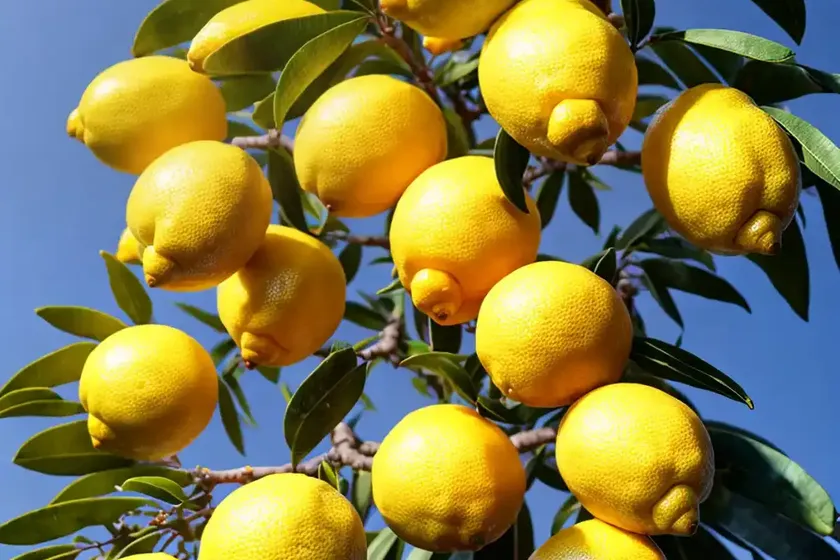
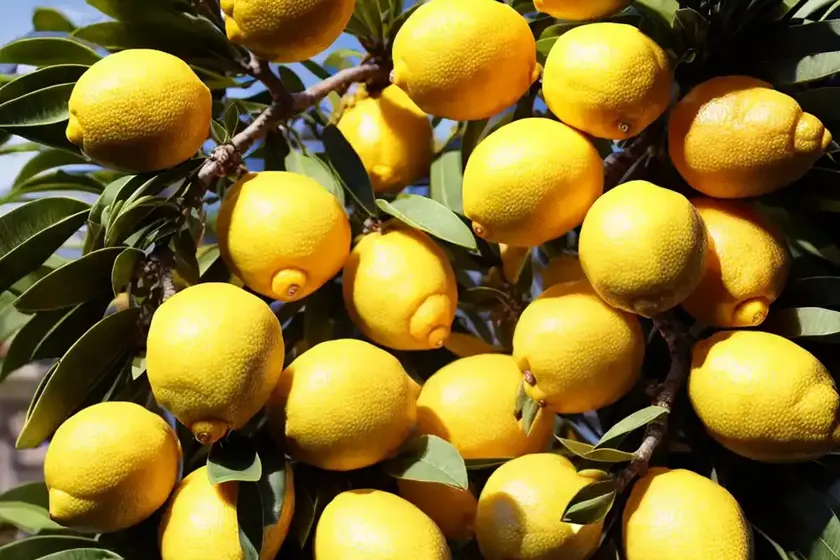
Meyer lemon, scientifically known as Citrus × meyeri, is a citrus fruit native to China, thought to be a cross between a true lemon and either a mandarin or a common orange. This evergreen tree is highly valued for its ornamental charm, fragrant flowers, and the unique, sweet-tart flavor of its fruits. With proper care and attention, Meyer lemon can be successfully grown both indoors and outdoors, making it a popular choice among gardeners and plant enthusiasts.
In this comprehensive guide, we will delve into every aspect of Meyer lemon plant care, from its cultural requirements to common diseases and pests, offering valuable insights and expert tips to help you successfully cultivate and enjoy this remarkable citrus variety.
Meyer Lemon Citrus × meyeri (Citrus × meyeri)
Plant Name: Meyer Lemon Citrus x meyeri
Family: Rutaceae
Common Names: Meyer lemon, Meyer’s lemon
Type: Evergreen tree
USDA Hardiness Zones: 8-11
Native Region: China
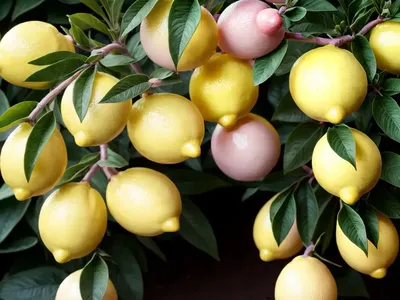
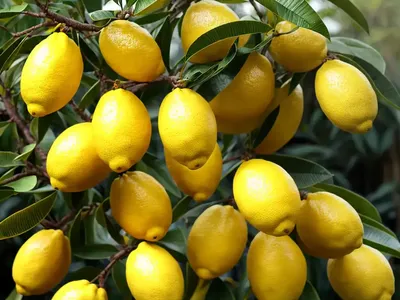
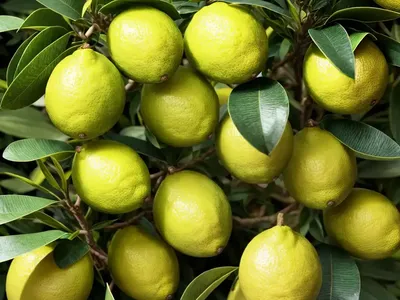
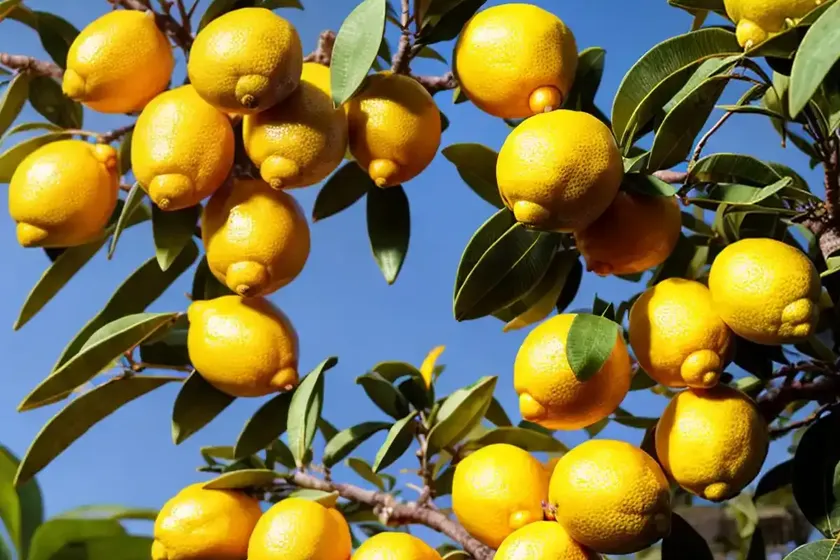
Meyer lemon is a small to moderately sized evergreen tree, known for its glossy dark green leaves, fragrant white flowers, and round, smooth-skinned yellow fruits. The fruits of the Meyer lemon are distinctively sweeter and less acidic than true lemons, making them a popular choice for culinary use.
Key Takeaways – Meyer Lemon Citrus x meyeri (Citrus x meyeri)
Before we dive deeper into the specifics of Meyer lemon plant care, let’s summarize the key takeaways:
- Meyer lemon (Citrus × meyeri) is a hybrid citrus fruit native to China.
- It is valued for its ornamental appeal, fragrant flowers, and sweet-tart fruits.
- Meyer lemon can be grown both indoors and outdoors, making it a versatile addition to any garden or living space.
- Proper cultural practices, including watering, sunlight, fertilization, and soil requirements, are essential for its successful growth.
- Pruning, disease management, and pest control are crucial for maintaining the health and vigor of the Meyer lemon plant.
- Meyer lemon plants are generally low-maintenance but benefit from regular care and attention to thrive and produce an abundance of fruits.
Now, let’s explore each of these aspects in detail to understand how to best care for Meyer lemon plants.
Culture
Water
Watering is a critical aspect of Meyer lemon plant care, as these plants have specific moisture requirements to thrive. Proper watering practices ensure the health of the tree and the development of high-quality fruits.
- Watering Frequency: Meyer lemon plants prefer consistently moist but not waterlogged soil. They should be watered when the top inch of the soil feels dry. During the growing season, regular watering is essential to support healthy growth and fruit development.
- Deep Watering: When watering Meyer lemon trees, ensure that the water penetrates deep into the root zone. Shallow watering can lead to shallow root development, making the plant more susceptible to stress and environmental fluctuations.
Sunlight
Adequate sunlight is crucial for the growth and fruit production of Meyer lemon plants. Providing the right amount of sunlight ensures that the plant receives the energy it needs for photosynthesis and overall vigor.
- Sun Exposure: Meyer lemon plants thrive in full sunlight. They should be placed in a location where they can receive at least 6-8 hours of direct sunlight daily. In regions with intense summer heat, some protection from the afternoon sun may be beneficial to prevent leaf scorch.
- Indoor Lighting: For indoor Meyer lemon plants, placing them near a south-facing window or providing supplemental grow lights can help ensure they receive sufficient light for healthy growth.
Fertilizer
Proper fertilization is essential for promoting vigorous growth, lush foliage, and abundant fruiting in Meyer lemon plants. Using a balanced fertilizer formulated for citrus trees can provide the necessary nutrients for optimal health and productivity.
- Fertilizer Type: Choose a fertilizer specifically designed for citrus plants, as they have distinct nutritional requirements. Look for a balanced fertilizer with a higher nitrogen content for healthy foliage and overall growth.
- Application Frequency: During the growing season, fertilize Meyer lemon plants every 4-6 weeks. Reduce or stop fertilization during the winter months, when the plant’s growth slows down.
Soil
The right soil composition and structure are fundamental for Meyer lemon plant health and growth. Well-draining, nutrient-rich soil provides a stable foundation for the plant’s root system and ensures efficient nutrient uptake.
- Soil Type: Meyer lemon plants thrive in well-draining, slightly acidic soil with a pH range of 5.5-6.5. A high-quality potting mix formulated for citrus plants or a custom blend of peat moss, perlite, and compost can provide the ideal growing medium.
- Container Cultivation: When growing Meyer lemon in containers, ensuring proper drainage is crucial. Choose a container with drainage holes to prevent waterlogged soil, and use a well-draining potting mix to promote healthy root development.
Pruning
Pruning plays a vital role in shaping the growth pattern of Meyer lemon plants, promoting air circulation, and removing dead or diseased growth. Proper pruning techniques can help maintain the plant’s size, rejuvenate older branches, and encourage prolific fruiting.
- Pruning Frequency: Meyer lemon plants benefit from regular pruning to remove dead or crowded branches and shape the overall canopy. Prune lightly throughout the year, and perform more extensive pruning in late winter or early spring before the start of the growing season.
- Pruning Methods: Use clean, sharp pruning tools to make precise cuts, removing any crossed, diseased, or weak branches. Thin out the interior of the tree to improve air circulation and light penetration.
Propagation
Meyer lemon plants can be propagated through various methods, including seed propagation, cutting propagation, and grafting. Each method has its advantages and considerations, allowing growers to expand their Meyer lemon collection or share plants with others.
- Seed Propagation: While Meyer lemon seeds can be used for propagation, it’s important to note that the resulting plants may not be true to the parent plant. To propagate Meyer lemon from seeds, collect fresh seeds from ripe fruits, clean them, and plant them in a well-draining potting mix. Keep the soil consistently moist, and germination should occur within a few weeks.
- Cutting Propagation: Propagating Meyer lemon from stem cuttings is a reliable method for producing true-to-type plants. Take 6-8 inch semi-hardwood cuttings from healthy, disease-free branches, remove the lower leaves, and plant them in a well-draining rooting medium. Provide bottom heat and high humidity to encourage root development.
- Grafting: Grafting is commonly used in commercial citrus production to ensure desirable fruiting characteristics and disease resistance. By grafting Meyer lemon scions onto compatible rootstocks, growers can create vigorous, productive trees with the desired traits.
Container Popularity
The popularity of growing Meyer lemon in containers has soared in recent years, driven by the plant’s adaptability to indoor environments, compact size, and the appeal of home-grown citrus fruits. Container cultivation allows individuals with limited outdoor space to enjoy the beauty and bounty of Meyer lemon plants.
- Indoor Cultivation: Meyer lemon plants can thrive indoors when provided with sufficient sunlight, warmth, and humidity. They make excellent houseplants, adding a touch of greenery and fragrance to indoor spaces.
- Patio and Balcony Gardening: For individuals with limited outdoor space, Meyer lemon plants can be cultivated on patios, balconies, or terraces. Their compact size and attractive appearance make them a delightful addition to urban gardens and small outdoor living areas.
Common Diseases
Despite being relatively resistant to many citrus diseases, Meyer lemon plants are susceptible to certain fungal, bacterial, and viral infections. Understanding the common diseases affecting Meyer lemon plants is essential for early detection and effective management.
Disease Diagnosis
- Citrus Canker: This bacterial disease causes raised, corky lesions on leaves, stems, and fruit. Affected plant parts may show yellowing, defoliation, and fruit drop. Citrus canker is highly contagious and can spread rapidly in favorable conditions.
- Citrus Black Spot: Caused by the fungus Guignardia citricarpa, citrus black spot leads to the development of dark, sunken lesions on the fruits, affecting their marketability. Infected leaves may also display characteristic lesions.
- Root Rot: Phytophthora root rot is a common soil-borne disease that affects citrus trees, including Meyer lemon. It can cause wilting, yellowing, and decline in overall plant health, often leading to root and crown damage.
- Sooty Mold: Affected by honeydew-producing insects such as aphids or scale insects, sooty mold forms a dark, powdery coating on leaves and stems. While not a direct threat to the plant’s health, heavy infestations can interfere with photosynthesis and reduce overall vigor.
Common Pests
Meyer lemon plants can attract various pests that can compromise the plant’s health and fruit production. Monitoring for pests and implementing appropriate control measures is crucial for managing infestations effectively.
- Aphids: These small, soft-bodied insects feed on sap, causing distorted growth, yellowing leaves, and the production of sticky honeydew. Aphid infestations can be controlled through insecticidal soaps, neem oil, or biological control agents such as ladybugs.
- Scale Insects: Scale insects can be a persistent problem for Meyer lemon plants, especially when grown indoors. They appear as small, shell-like bumps on the stems and leaves, sucking plant juices and weakening the plant. Pruning and targeted insecticidal treatments can help manage scale infestations.
- Citrus Leafminer: The larvae of citrus leafminer feed within the leaves, creating serpentine tunnels that reduce the plant’s photosynthetic capacity. Monitoring emerging flushes and applying horticultural oils can effectively control citrus leafminer infestations.
Botanist’s Tips
To ensure the successful cultivation of Meyer lemon plants, consider the following botanist’s tips:
- Selecting a Suitable Variety: Meyer lemon is available in various cultivars, each with its specific growth habits, fruit characteristics, and cold tolerance. Choose a variety that suits your climate and meets your preferences in terms of fruit flavor and size.
- Managing Environmental Factors: Pay attention to factors such as temperature, humidity, and air circulation, as they can significantly impact the health and productivity of Meyer lemon plants. Provide a stable, conducive environment to support optimal growth.
Fun Facts
Before we conclude our comprehensive guide, let’s explore some interesting and lesser-known facts about Meyer lemon plants:
- The Meyer lemon is named after Frank Meyer, a plant explorer who introduced the fruit to the United States in the early 20th century.
- Meyer lemon trees are particularly abundant in fruit production, often bearing flowers and fruits simultaneously throughout the year.
- In addition to its culinary uses, Meyer lemon is valued for its aromatic flowers, which are often used in perfumery and aromatherapy.
Links to External Resources
For further information on Meyer lemon plant care, varieties, and disease management, consider exploring the following external resources:
- University of California Agriculture and Natural Resources – Citrus Varieties
- University of Florida IFAS Extension – Managing Citrus Canker
- University of Arizona Cooperative Extension – Citrus Fruit Splitting
- Texas A&M AgriLife Extension – Citrus Pest Management Guide
- University of California Agriculture and Natural Resources – Citrus Leafminer Management
In conclusion, the Meyer lemon Citrus × meyeri is a compelling addition to any garden or indoor space, offering not only delicious fruits but also ornamental value. By understanding and implementing the recommended cultural practices, disease management strategies, and botanist’s tips, you can cultivate thriving Meyer lemon plants and enjoy their beauty and bounty for years to come. Happy gardening!