Manchurian Apricot (Prunus mandshurica): A Comprehensive Plant Profile

Manchurian apricot, scientifically known as Prunus mandshurica, is a captivating species that captivates the hearts of plant enthusiasts and landscape architects alike. This deciduous tree from the Rosaceae family is renowned for its ornamental value, cultural significance, and ecological benefits. In this blog post, we will explore the various facets of the Manchurian apricot, ranging from its cultural heritage to its environmental benefits, while also delving into its care requirements and propagation methods.
What is Manchurian Apricot?
The Manchurian apricot, or Prunus mandshurica, is a small to medium-sized tree native to northeastern Asia, particularly China, Korea, and Siberia. It is characterized by its attractive appearance, with a spreading canopy and fragrant flowers that bloom in early spring. The tree holds great cultural significance in its native regions and has been cultivated for centuries for both its ornamental and practical uses. With its diverse attributes and rich history, the Manchurian apricot has become a cherished plant species in various parts of the world.
Key Takeaways – Manchurian Apricot (Prunus mandshurica)
Before we delve into the intricacies of cultivating and caring for the Manchurian apricot, let’s briefly highlight its key takeaways:
- Plant Name: Manchurian Apricot (Prunus mandshurica)
- Scientific Classification: Kingdom – Plantae, Family – Rosaceae, Genus – Prunus, Species – P. mandshurica
- Native Habitat: Northeastern Asia (China, Korea, Siberia)
- Ornamental Value: Attractive flowers, spreading canopy
- Cultural Significance: Traditional uses, folklore legends
- Environmental Benefits: Wildlife habitat, ecological diversity
- Uses: Culinary, medicinal, landscaping
Now, as we embark on our journey to understand the Manchurian apricot in greater depth, let’s explore its cultural significance, uses, and environmental impact.
Culture
The Manchurian apricot holds a special place in the cultures and traditions of its native regions. Renowned for its ornamental beauty and symbolic value, this tree has been intertwined with various cultural practices and beliefs. From folklore and traditional medicine to culinary uses, the Manchurian apricot has left an indelible mark on the cultural tapestry of northeastern Asia.
Folklore and Symbolism
The Manchurian apricot features prominently in folklore and mythology, often symbolizing resilience, beauty, and the ephemeral nature of life. In Chinese culture, the apricot tree is associated with the concept of “xing fu” or happiness, and its blossoms are revered for their ability to bring good luck and ward off evil spirits. Similarly, in Korean folklore, the apricot tree is considered a symbol of longevity and vitality, with its flowers being cherished for their aesthetic appeal and symbolic significance.
Traditional Medicine and Culinary Uses
The Manchurian apricot has also been valued for its medicinal properties and culinary uses. In traditional Chinese medicine, various parts of the apricot tree, including the bark, leaves, and fruits, have been employed to treat ailments and promote overall well-being. The fruits themselves, with their tangy-sweet flavor and nutritional richness, have been utilized in a range of culinary delights, from jams and preserves to savory dishes and desserts.
Uses
One of the distinctive features of the Manchurian apricot is its versatility and utility. From its aesthetic allure to its practical applications, this tree offers a myriad of uses that enrich both the natural landscape and human experiences.
Ornamental Value
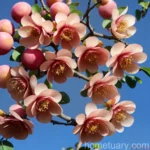
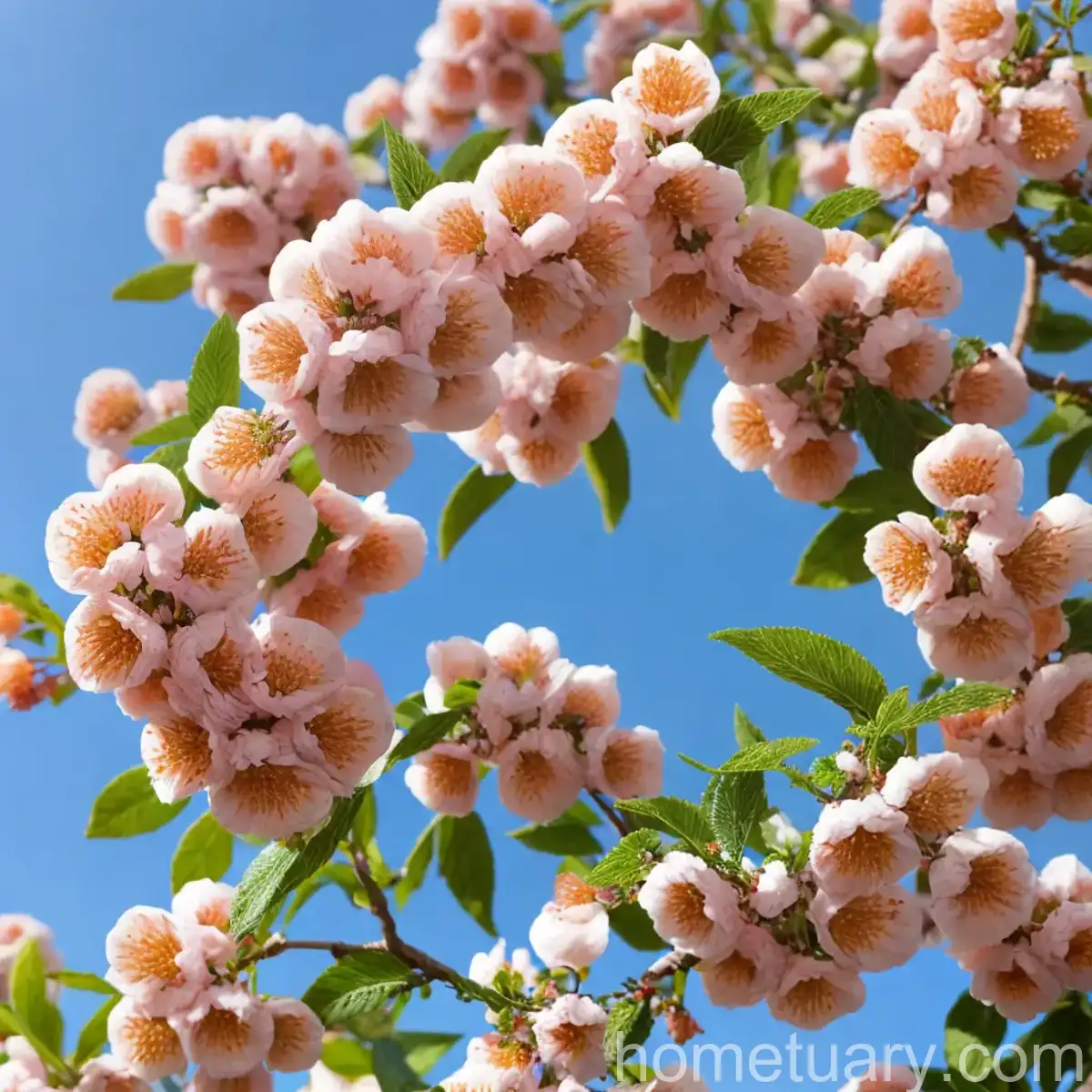
The Manchurian apricot is prized for its ornamental beauty, especially during the spring season when it bursts into a profusion of delicate, fragrant flowers. These blossoms, ranging in color from pale pink to vibrant magenta, adorn the spreading canopy of the tree, creating a stunning visual display that attracts pollinators and admirers alike. Whether in a garden, park, or urban setting, the Manchurian apricot lends a touch of elegance and charm to its surroundings.
Culinary Delights
In addition to its ornamental appeal, the fruits of the Manchurian apricot are cherished for their culinary versatility. Rich in nutrients and boasting a delightful flavor profile, these fruits have been used in a range of culinary creations, from jams, jellies, and sauces to baked goods and refreshing beverages. The tangy-sweet taste of the apricot lends itself well to both sweet and savory dishes, making it a popular choice in diverse cuisines.
Medicinal Properties
The Manchurian apricot is also esteemed for its medicinal properties, with various parts of the tree offering therapeutic benefits. In traditional medicine systems, the apricot tree has been utilized to address a multitude of health concerns, including digestive ailments, respiratory issues, and skin conditions. Additionally, the fruits are a rich source of vitamins, antioxidants, and dietary fiber, further enhancing their nutritional appeal.
Care Guide
Successfully cultivating and nurturing a Manchurian apricot tree entails an understanding of its specific care requirements. From suitable soil conditions to optimal sunlight exposure, providing the right environment for the tree is essential for its growth and well-being. Let’s delve into the key aspects of caring for a Manchurian apricot, encompassing water, sunlight, fertilizer, soil, pruning, propagation, and container cultivation.
Water
Proper watering is crucial for the health and vitality of a Manchurian apricot tree, especially during its early establishment and flowering phases. While the tree exhibits moderate drought tolerance once established, regular watering is essential, particularly during dry spells and hot summer months. To maintain adequate soil moisture, it is recommended to water the tree deeply but infrequently, allowing the soil to partially dry out between watering sessions.
Sunlight
The Manchurian apricot thrives in full sunlight, requiring at least six to eight hours of direct sun exposure daily for optimal growth and blooming. When selecting a planting site, it is advisable to choose a location with ample sunlight and good air circulation to promote the tree’s overall vigor and flowering potential.
Fertilizer
Fertilization plays a crucial role in supporting the growth and fruiting of the Manchurian apricot. A balanced, slow-release fertilizer formulated for fruit trees can be applied in early spring, just before the tree enters its active growth phase. Additionally, incorporating organic matter such as compost or well-rotted manure around the base of the tree can enrich the soil and provide essential nutrients over time.
Soil
The Manchurian apricot thrives in well-draining soil with a slightly acidic to neutral pH level. Loamy or sandy loam soils are ideal for promoting healthy root development and preventing waterlogging, which can be detrimental to the tree’s well-being. Conducting a soil test to assess its composition and pH can guide the necessary amendments and adjustments to create an optimal growing environment for the tree.
Pruning
Regular pruning is beneficial for shaping the tree, removing dead or diseased branches, and enhancing fruit production. Pruning should ideally be carried out during the dormant season, in late winter or early spring, to minimize stress on the tree and promote vigorous regrowth. It is advisable to prune lightly and selectively, aiming for an open canopy structure that allows sunlight penetration and air circulation.
Propagation
The propagation of Manchurian apricot trees can be achieved through various methods, including seed propagation, hardwood cuttings, and grafting. While growing the tree from seeds is possible, it may result in variable fruit quality and characteristics. Grafting onto compatible rootstocks or utilizing hardwood cuttings from a desirable cultivar can yield more predictable results and expedite the tree’s establishment.
Container Cultivation
For individuals with limited outdoor space or those living in colder climates, cultivating a Manchurian apricot in a container can be a viable option. When opting for container cultivation, it is essential to select a large, sturdy container with adequate drainage holes to prevent waterlogging. Additionally, using a well-draining potting mix and providing sufficient sunlight are crucial for the tree’s health and overall productivity.
Popularity
The Manchurian apricot has garnered significant popularity among gardening enthusiasts, landscapers, and conservationists, owing to its diverse attributes and cultural significance. Its striking ornamental value, culinary uses, and ecological contributions have contributed to its widespread recognition and appreciation. Moreover, with an increasing focus on native and regionally significant plant species, the Manchurian apricot has emerged as a favored choice for sustainable landscaping and habitat restoration efforts.
Common Diseases
As with any plant species, the Manchurian apricot is susceptible to certain diseases and disorders that can affect its growth and vitality. Understanding the common diseases and their associated symptoms is crucial for implementing timely preventive measures and treatments to protect the tree from potential harm.
Disease Diagnosis
Identifying and diagnosing diseases affecting the Manchurian apricot requires careful observation of the tree’s foliage, branches, and overall condition. Common diseases that may afflict the tree include:
- Leaf Curl: Manifests as puckered, distorted leaves, often caused by fungal pathogens.
- Brown Rot: Leads to the decay of fruits and blossoms, often appearing as brown, mushy spots on the affected parts.
- Powdery Mildew: Characterized by a white, powdery growth on the leaves and shoots, diminishing the tree’s aesthetic appeal.
Common Pests
In addition to diseases, the Manchurian apricot is vulnerable to attacks from various pests that can compromise the tree’s health and fruit production. Monitoring the tree for signs of pest infestation and taking proactive measures can help mitigate potential damage and safeguard the tree’s well-being.
Pest Management
Common pests that may target the Manchurian apricot include:
- Aphids: Small, sap-feeding insects that can distort new growth and excrete honeydew, leading to sooty mold development.
- Fruit Borers: Larvae that bore into fruits, causing internal damage and rendering the fruits inedible.
- Scale Insects: These pests attach themselves to the branches and stems, siphoning nutrients from the tree and weakening its overall vigor.
Implementing integrated pest management practices, such as pruning infested parts, introducing beneficial insects, and employing horticultural oils, can help in managing pest populations and protecting the tree from undue harm.
Botanist’s Tips
As botanists and plant enthusiasts, there are several key tips that can aid in the successful cultivation and stewardship of the Manchurian apricot. These tips encompass essential care practices, conservation considerations, and insights for creating a thriving environment for the tree.
-
Selecting Cultivars: When sourcing Manchurian apricot trees, consider selecting cultivars known for their exceptional fruit quality, disease resistance, and ornamental value to enhance the overall gardening experience.
-
Conservation Awareness: Given the ecological importance of native plant species, including the Manchurian apricot, raising awareness about its conservation and sustainable cultivation can contribute to its long-term viability in natural and cultivated settings.
-
Maintenance and Monitoring: Regularly monitoring the tree for signs of diseases, pest infestation, and nutrient deficiencies, and maintaining optimal growing conditions are essential for promoting its longevity and productivity.
-
Ecological Planting: Incorporating Manchurian apricot trees in ecological restoration projects, wildlife habitats, and urban green spaces can bolster biodiversity and ecological resilience in various landscapes.
Fun Facts
Unveiling some intriguing fun facts about the Manchurian apricot can add to the allure and fascination surrounding this captivating tree:
- In traditional Korean folklore, the apricot tree is associated with the legend of the “Apricot Princess,” embodying themes of love, sacrifice, and enduring beauty.
- Manchurian apricot wood has been utilized in woodworking and crafts, prized for its strength, durability, and attractive grain patterns.
- The blooming of Manchurian apricot trees symbolizes the arrival of spring and is celebrated in various cultural festivals and events across Asia.
Links to External Resources
For further exploration and in-depth understanding of the Manchurian apricot, the following external resources are invaluable sources of information and insights:
- Royal Horticultural Society – Prunus mandshurica
- Missouri Botanical Garden – Prunus mandshurica
- Flora of China – Prunus mandshurica
As we conclude our exploration of the Manchurian apricot, we are reminded of its enduring legacy, cultural significance, and ecological contributions. Whether gracing gardens with its blossoms, enriching ecosystems with its wildlife value, or inspiring artistic and culinary endeavors, the Manchurian apricot stands as a timeless emblem of beauty and resilience.
In cultivating and cherishing this remarkable tree, we embrace the enduring connections between nature and culture, and the profound impact of plants on our lives and surroundings. May the allure of the Manchurian apricot continue to inspire and captivate generations, perpetuating its timeless allure and significance for years to come.
Keywords: Manchurian apricot tree, Prunus mandshurica plant, Manchurian apricot uses, Prunus mandshurica characteristics, Manchurian apricot medicinal properties, Prunus mandshurica habitat, Manchurian apricot pruning, Prunus mandshurica climate requirements, Manchurian apricot diseases, Prunus mandshurica pests, Manchurian apricot propagation methods, Prunus mandshurica conservation, Manchurian apricot planting guide, Prunus mandshurica care tips, Manchurian apricot folklore legends, Prunus mandshurica traditional medicine, Manchurian apricot culinary uses, Prunus mandshurica landscape design, Manchurian apricot symbolism, Prunus mandshurica cultural significance, Manchurian apricot habitat loss, Prunus mandshurica conservation efforts, Manchurian apricot endangered status, Prunus mandshurica environmental benefits, Manchurian apricot folklore legends, Prunus mandshurica traditional medicine, Manchurian apricot oil benefits, Prunus mandshurica wood uses, Manchurian apricot bonsai, Prunus mandshurica landscape tree, Manchurian apricot pollination, Prunus mandshurica fruiting, Manchurian apricot growing conditions, Prunus mandshurica leaf characteristics, Manchurian apricot propagation techniques, Prunus mandshurica insect pollinators, Manchurian apricot climate adaptability, Prunus mandshurica fruit harvest, Manchurian apricot garden cultivation, Prunus mandshurica scientific classification-