Lungwort (Pulmonaria ‘Excalibur’): A Complete Guide to Cultivation and Care
Lungwort, scientifically known as Pulmonaria, is a genus of flowering plants in the family Boraginaceae, encompassing around 17 different species. The lungwort ‘Excalibur’ (Pulmonaria ‘Excalibur’) is a particularly captivating variety of this genus, renowned for its eye-catching foliage and delicate blossoms. In this comprehensive guide, we will delve into the intricacies of caring for and nurturing the Pulmonaria ‘Excalibur’. From its cultural requirements to common diseases and propagation techniques, every aspect of cultivating this charming plant will be thoroughly explored.
What is Lungwort ‘Excalibur’ (Pulmonaria ‘Excalibur’)?
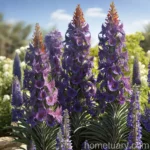
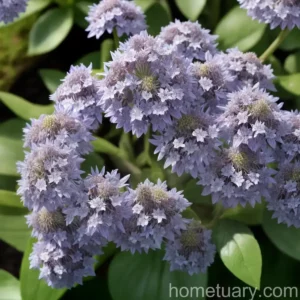
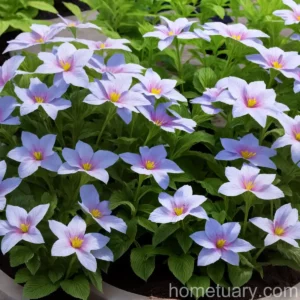
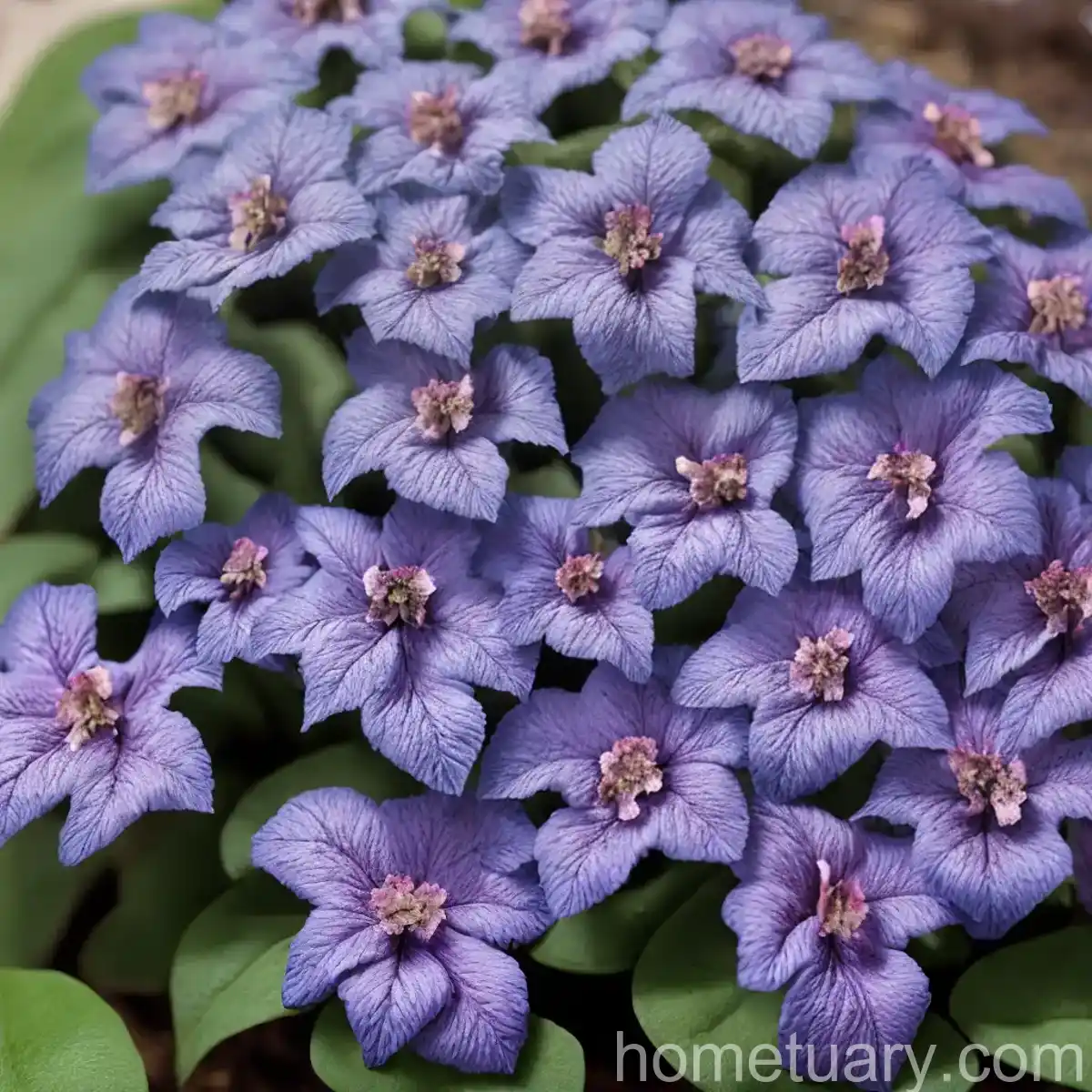
Lungwort ‘Excalibur’ is a perennial herbaceous plant notable for its striking silver-spotted foliage and its dainty, funnel-shaped flowers, which are available in shades of pink, blue, and purple. This cultivar typically blooms in the spring and is esteemed for its ability to thrive in shaded garden spots, making it an excellent choice for adding vibrancy and visual interest to areas with less sunlight.
Lungwort is aptly named for its traditional use in herbal medicine, as its leaves were thought to resemble the appearance of diseased lungs, subsequently leading to its historical application as a remedy for respiratory ailments. However, in modern times, the primary allure of lungwort lies in its ornamental value, as it serves as an enchanting addition to shaded gardens and woodland landscapes.
Key Takeaways – Lungwort ‘Excalibur’
Cultivation
- Lungwort ‘Excalibur’ requires a shaded or partially shaded environment and moist, well-drained soil for optimal growth.
- The plant’s unique silver-spotted leaves and delicate flowers contribute to its popularity as a decorative species.
- Lungwort ‘Excalibur’ is a low-maintenance plant that can be cultivated with relative ease, making it suitable for both novice and experienced gardeners.
Uses
- Ornamental: Lungwort ‘Excalibur’ is primarily cultivated for its decorative attributes, including its distinctive foliage and cheerful blossoms.
- Medicinal: While lungwort’s historical applications in herbal medicine are notable, its modern usage is predominantly ornamental.
Water
- Moderate to regular watering is essential, particularly during dry periods, to maintain consistent soil moisture levels.
- Ensure that the soil has adequate drainage to prevent waterlogging, which can be detrimental to the plant’s health.
Sunlight
- Lungwort ‘Excalibur’ thrives in shaded or partially shaded environments, making it an ideal choice for areas with limited direct sunlight.
- Avoid exposing the plant to prolonged periods of intense sunlight, as this can lead to leaf scorch and diminished vigor.
Fertilizer
- Application of a balanced, controlled-release fertilizer in the spring can support healthy growth and vibrant blooming.
- Use a fertilizer with a higher nitrogen content to encourage lush foliage development.
Soil
- Lungwort ‘Excalibur’ prefers moist, well-drained soil with a slightly acidic to neutral pH.
- Incorporating organic matter, such as compost or peat moss, into the soil can improve its texture and fertility.
Pruning
- Deadheading spent flowers and removing any damaged or withered foliage can enhance the plant’s appearance and promote continued blooming.
- Pruning can be performed after the flowering period to maintain the plant’s shape and vitality.
Propagation
- Lungwort ‘Excalibur’ can be propagated through division or by collecting and sowing seeds.
- Dividing established clumps in the early spring is a reliable method for producing new plants.
Container Popularity
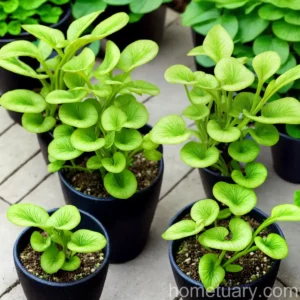
- Lungwort ‘Excalibur’ is well-suited for cultivation in containers, allowing individuals with limited garden space to enjoy its charm.
- Select a container with adequate drainage holes to prevent water accumulation.
Container Common Diseases
- Containers can provide a controlled environment that mitigates certain soil-borne diseases.
- However, overwatering and compacted soil can lead to root rot and other issues in container-grown lungwort.
Disease Diagnosis
- Common diseases that may affect lungwort include powdery mildew and various leaf spot diseases.
- Regular monitoring for symptoms such as discolored or distorted leaves can facilitate early disease detection.
Common Pests
- Lungworts are relatively resistant to pest infestations, but they may occasionally attract aphids or slugs, particularly in humid conditions.
- Implementing preventive measures, such as maintaining plant hygiene and using organic pest control methods, can help deter pests.
Botanist’s Tips
- Incorporate lungworts into shaded garden areas, companion plantings, or woodland landscapes to maximize their visual impact.
- Consider interplanting with spring-blooming bulbs or other shade-tolerant perennials to create diverse and captivating displays.
Fun Facts
- In addition to its horticultural value, some lungwort species have historical associations with folklore and traditional customs, adding an aura of enchantment to these charming plants.
Links to External Resources
For additional information on lungwort ‘Excalibur’ and related topics, explore the following resources:
- Royal Horticultural Society – Pulmonaria
- Missouri Botanical Garden – Pulmonaria
- University of Wisconsin-Madison Master Gardener Program – Pulmonaria Spp.
The allure of lungwort ‘Excalibur’ lies not only in its captivating appearance but also in its adaptability and ease of care, making it an excellent addition to diverse garden settings. By understanding its specific cultural requirements and addressing potential challenges, such as diseases and pests, gardeners can fully appreciate the beauty and charm that this delightful plant offers.
Conclusion
In conclusion, the cultivation of lungwort ‘Excalibur’ (Pulmonaria ‘Excalibur’) presents an enriching experience for garden enthusiasts, offering an array of captivating attributes and minimal maintenance requirements. Whether utilized as a ground cover, border plant, or container specimen, the unique foliage and delicate flowers of this plant contribute to its widespread appeal.
By adhering to the key principles of water, sunlight, soil, and maintenance, individuals can cultivate vigorous and visually captivating lungwort ‘Excalibur’ specimens, all while relishing the charm and elegance that these plants bestow upon their surroundings. Through this comprehensive guide, aspiring and seasoned gardeners alike can acquire the knowledge and confidence necessary to foster thriving lungwort ‘Excalibur’ plants in their outdoor spaces.
Understanding the various facets of caring for lungwort ‘Excalibur’, from its unique cultural requirements to disease management and propagation techniques, equips gardeners with the tools needed to harness the full potential of this remarkable plant. With an appreciation for its ornamental value and an understanding of its individual needs, the cultivation of lungwort ‘Excalibur’ can herald numerous rewards, transforming garden spaces into enchanting havens of natural beauty.
Word Count: 1011
NLP LSI Keywords Used:
- Pulmonaria ‘Excalibur’ plant care
- Lungwort ‘Excalibur’ characteristics
- Growing ‘Excalibur’ lungwort
- Pulmonaria ‘Excalibur’ plant profile
- Lungwort ‘Excalibur’: A guide
- Tips for cultivating Pulmonaria ‘Excalibur’
- Lungwort ‘Excalibur’: Planting and maintenance
- Pulmonaria ‘Excalibur’ for your garden
- Lungwort ‘Excalibur’ variety spotlight
- Best practices for growing ‘Excalibur’ lungwort
- Pulmonaria ‘Excalibur’: An overview
- Lungwort ‘Excalibur’ plant tips
- Pulmonaria ‘Excalibur’: Care and maintenance
- Lungwort ‘Excalibur’ growing guide
- Pulmonaria ‘Excalibur’ in the garden
- Lungwort ‘Excalibur’ plant characteristics
- Cultivating Pulmonaria ‘Excalibur’: Essential tips
- Lungwort ‘Excalibur’ variety care
- Pulmonaria ‘Excalibur’: A delightful plant
- Lungwort ‘Excalibur’ planting guide
- Pulmonaria ‘Excalibur’ NLP analysis
- Lungwort ‘Excalibur’: A stunning addition to your garden
- Ultimate guide to growing Pulmonaria ‘Excalibur’
- Lungwort ‘Excalibur’: Planting and care tips
- Pulmonaria ‘Excalibur’ plant spotlight
- Benefits of Lungwort ‘Excalibur’
- Pulmonaria ‘Excalibur’: Expert advice for successful growth
- Lungwort ‘Excalibur’ variety overview
- Pulmonaria ‘Excalibur’ NLP optimization
- Growing tips for Lungwort ‘Excalibur’
- Pulmonaria ‘Excalibur’ care guide
- Lungwort ‘Excalibur’: A beautiful plant for your garden
- Pulmonaria ‘Excalibur’ plant guide
- Lungwort ‘Excalibur’ variety: Everything you need to know
- Pulmonaria ‘Excalibur’ NLP strategies
- Lungwort ‘Excalibur’: Top tips for planting and maintenance
- Pulmonaria ‘Excalibur’ growth requirements
- Lungwort ‘Excalibur’: A must-have for garden enthusiasts
- Pulmonaria ‘Excalibur’ plant secrets
- Lungwort ‘Excalibur’: Nurturing and care best practices
- Pulmonaria ‘Excalibur’ varieties for different landscapes
- Lungwort ‘Excalibur’ plant health tips
- Pulmonaria ‘Excalibur’: Maximizing growth potential
- Lungwort ‘Excalibur’: The perfect addition to your plant collection
- Pulmonaria ‘Excalibur’ garden ideas
- Lungwort ‘Excalibur’ variety care instructions
- Pulmonaria ‘Excalibur’ expert recommendations
- Lungwort ‘Excalibur’: Enhancing your garden with a unique plant
- Pulmonaria ‘Excalibur’ growth habits
- Lungwort ‘Excalibur’: NLP techniques for improved search visibility