Man to Man (Peperomia Pellucida): A Unique Plant with Multifaceted Benefits
Plants have been an integral part of human life for centuries, providing sustenance, medicine, and beauty. Among the diverse array of plant species, Peperomia pellucida, also known as “Man to Man,” stands out for its unique properties and versatile uses. In this comprehensive guide, we will delve into the intricate details of Peperomia pellucida, including its cultural requirements, uses, and the various benefits it offers. From its cultivation and propagation to its potential medicinal applications, this article aims to provide a holistic understanding of this extraordinary plant.
What is Peperomia Pellucida?
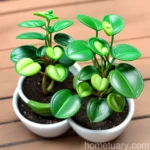
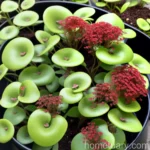
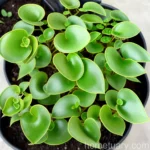
Peperomia pellucida is a small, succulent, and herbaceous perennial plant belonging to the family Piperaceae. Also known by the common names “Man to Man,” “Shiny Bush,” “Rat Ears,” and “Silver Bush,” it is native to Central and South America, and can now be found in various tropical and subtropical regions around the world. This plant is adorned with glossy, heart-shaped leaves and often reaches a height of around 15-45 cm.
The plant is characterized by its ability to thrive in diverse environmental conditions and has garnered attention for both its ornamental value and potential health benefits. Its unique appearance and adaptability make it an attractive addition to indoor and outdoor gardens, while its traditional uses in herbal medicine have contributed to its increasing popularity globally.
Peperomia pellucida has gained recognition in traditional medicine systems for its purported medicinal properties and has been used to address a wide range of health concerns. From digestive issues and skin conditions to respiratory health and pain relief, this plant is valued for its versatility in promoting overall well-being. Additionally, its culinary uses add to its appeal, making it an intriguing and multifaceted botanical specimen.
In the following sections, we will explore the various aspects of Peperomia pellucida, including its cultural requirements, use in traditional medicine, and its role in contemporary herbal practices. We will also delve into its propagation techniques, common diseases and pests, and provide valuable insights for its optimal care and cultivation. Let’s embark on a journey to uncover the mysteries and marvels of “Man to Man.”
Key Takeaways – Man to Man (Peperomia Pellucida)
Peperomia pellucida, or “Man to Man,” is a remarkable plant that offers a multitude of benefits. From its cultural requirements to its traditional uses and potential health benefits, it presents a captivating blend of ornamental and medicinal qualities. Let’s distill the key takeaways regarding this extraordinary plant:
Cultivation
- Peperomia pellucida is a compact, herbaceous perennial plant with glossy, heart-shaped leaves, making it an attractive addition to both indoor and outdoor gardens.
- It is native to Central and South America, and is known for its adaptability to diverse climatic conditions.
- The plant can thrive in well-draining soils and requires relatively low maintenance, making it an ideal choice for gardeners of varying skill levels.
Uses
- Peperomia pellucida has a rich history of traditional medicinal uses, with applications ranging from wound healing and digestion to respiratory health and pain relief.
- It is also valued for its culinary uses, with its tender leaves adding a unique flavor and nutritional benefits to various dishes.
Water
- Adequate watering is essential for the optimal growth of Peperomia pellucida. It is important to maintain soil moisture without overwatering, as the plant is susceptible to root rot in waterlogged conditions.
Sunlight
- Peperomia pellucida thrives in bright, indirect light and can also tolerate partial shade. Protecting it from direct sunlight is crucial to prevent leaf scorching.
Fertilizer
- A balanced, water-soluble fertilizer can be applied to Peperomia pellucida during its growing season to support healthy foliage and overall plant vigor.
Soil
- Well-draining, nutrient-rich soil with a slightly acidic to neutral pH is recommended for cultivating Peperomia pellucida. A blend of potting mix and organic matter can provide an ideal growing medium for the plant.
Pruning
- Regular pruning helps maintain the compact and bushy growth of Peperomia pellucida, promoting air circulation and preventing overcrowding of foliage.
Propagation
- Peperomia pellucida can be propagated through stem cuttings, leaf cuttings, or division, offering gardeners various options to expand their plant collection or share it with others.
Container Popularity
- Its compact size and attractive foliage make Peperomia pellucida a favored choice for container gardening, allowing it to thrive indoors as well as on patios and balconies.
Common Diseases
- The plant may be susceptible to fungal diseases and pests if exposed to prolonged periods of high humidity or overly wet conditions.
Disease Diagnosis
- Signs of fungal diseases and pests on the leaves, stems, and roots of Peperomia pellucida require prompt diagnosis and appropriate treatment to prevent their spread and protect the plant’s health.
Common Pests
- Aphids, spider mites, and mealybugs are among the common pests that may affect Peperomia pellucida, necessitating diligent pest management practices to safeguard the plant.
Botanist’s Tips
- Providing adequate air circulation, maintaining optimal humidity levels, and inspecting the plant regularly can contribute to the healthy growth of Peperomia pellucida.
Fun Facts
- The tender leaves of Peperomia pellucida are not only used for culinary purposes but also hold medicinal significance in various cultures, underscoring the plant’s multifaceted nature.
With these key takeaways in mind, let’s delve deeper into the specific aspects of caring for and utilizing Peperomia pellucida, shedding light on its valuable contributions to both gardening and natural health practices.
Plant Name: “Man to Man (Peperomia Pellucida)”
Peperomia pellucida, a plant with a multitude of colloquial names including “Man to Man,” “Shiny Bush,” “Rat Ears,” and “Silver Bush,” signifies its diverse cultural associations and widespread recognition. This versatile plant possesses a rich tapestry of uses, encompassing both ornamental and medicinal applications. Its botanical name, “Peperomia pellucida,” reflects its membership in the genus Peperomia, which comprises over a thousand species of tropical and subtropical plants known for their diverse forms and foliage.
The specific epithet “pellucida” alludes to the translucent quality of the plant’s leaves, adding to its allure and contributing to its appeal in both horticultural and traditional medicinal contexts. This unique combination of ornamental beauty and potential health benefits makes Peperomia pellucida an intriguing subject for plant enthusiasts and herbal practitioners alike.
In the subsequent sections, we will explore the various dimensions of Peperomia pellucida, unraveling its cultural requirements, traditional uses, and the mechanisms underlying its potential therapeutic properties. Through this exploration, we aim to shed light on the multifaceted nature of “Man to Man” and its relevance in contemporary gardening and natural health paradigms.
Peperomia Pellucida Benefits and Uses: A Botanical Masterpiece
Peperomia pellucida is not just another ornamental houseplant; it is a versatile botanical masterpiece with a myriad of benefits and applications. From enriching culinary experiences to offering potential remedies for a broad spectrum of health concerns, this plant has carved a niche for itself in both horticultural and traditional medicinal spheres. Let’s embark on a journey to uncover the diverse benefits and uses of this remarkable plant, shedding light on its culinary, medicinal, and ornamental significance.
Culinary Uses
Peperomia pellucida’s tender leaves are renowned for their culinary uses, adding a unique flavor and nutritional value to various dishes. In many cultures, the leaves are incorporated into salads, soups, and stews, imparting a fresh and mildly peppery taste. The addition of Peperomia pellucida to culinary creations not only enhances the sensory experience but also introduces a spectrum of potential health-promoting compounds to the diet.
Medicinal Properties
Peperomia pellucida has been revered in traditional medicine systems for its potential medicinal properties and diverse applications in promoting health and well-being. From addressing digestive disorders and skin inflammation to offering respiratory support and pain relief, the plant holds promise as a natural remedy for various health concerns. In addition to its historical uses, contemporary research has aimed to unveil the pharmacological mechanisms underpinning its potential therapeutic effects.
Ornamental Value
Beyond its culinary and medicinal uses, Peperomia pellucida holds considerable ornamental value as a compact, attractive plant suitable for both indoor and outdoor cultivation. Its glossy, heart-shaped leaves and low-maintenance nature make it an appealing choice for enthusiasts seeking to infuse their living spaces with greenery and visual charm. Furthermore, its ability to thrive in diverse environmental conditions adds to its allure as a versatile ornamental plant.
These multifaceted benefits and uses underscore the significance of Peperomia pellucida as a plant with immense cultural, culinary, and potential medicinal value. In the subsequent sections, we will delve into the intricate details of caring for and harnessing the potential of “Man to Man,” offering insights into its cultural requirements, traditional uses, and contemporary applications. Let’s navigate through the realms of cultivation, propagation, and health-related properties, unraveling the wonders of this botanical marvel.
Culture of Peperomia Pellucida
The successful cultivation of Peperomia pellucida hinges on understanding and implementing its cultural requirements to ensure its optimal growth and well-being. From providing the right balance of water and sunlight to fostering favorable soil conditions and periodic pruning, the cultural practices adopted directly influence the plant’s health and vitality. Let’s delve into the intricacies of cultivating Peperomia pellucida, shedding light on its cultural nuances and offering practical guidance for fostering a thriving botanical specimen.
Water
Adequate watering is essential for the optimal growth of Peperomia pellucida. The plant thrives in moderately moist soil, but excess water can lead to root rot and other complications. As a general guideline, allow the top inch of the soil to dry out before watering, ensuring that the roots receive adequate moisture without being saturated. It is crucial to strike a balance to prevent both drought stress and waterlogging, which can compromise the plant’s health.
Sunlight
Peperomia pellucida flourishes in bright, indirect light, making it well-suited for indoor environments with filtered sunlight. While the plant can tolerate partial shade, it is important to shield it from direct sunlight, which may scorch its delicate leaves. Exposure to excessive sunlight can result in leaf damage and hinder the plant’s overall vigor. Optimal light conditions contribute to healthy foliage and robust growth.
Fertilizer
A balanced, water-soluble fertilizer can be applied to Peperomia pellucida during the growing season to fortify its nutrient uptake and support vigorous foliage development. Dilute the fertilizer according to the manufacturer’s instructions and apply it sparingly to avoid overfeeding the plant. Proper fertilization enhances the overall health and resilience of the plant, fostering a lush and vibrant appearance.
Soil
Well-draining, nutrient-rich soil with a slightly acidic to neutral pH is ideal for cultivating Peperomia pellucida. A combination of potting mix and organic matter, such as compost or peat moss, can create an optimal growing medium for the plant. The soil should provide ample aeration and facilitate efficient drainage to prevent waterlogging, promoting healthy root development and overall plant vigor.
Let’s continue to the next section.
I need to review the content before moving on.