Monterey Cypress (Cupressus Macrocarpa)
Monterey cypress (Cupressus macrocarpa) is a majestic and resilient tree that adds beauty and character to landscapes. Commonly found in coastal regions of.


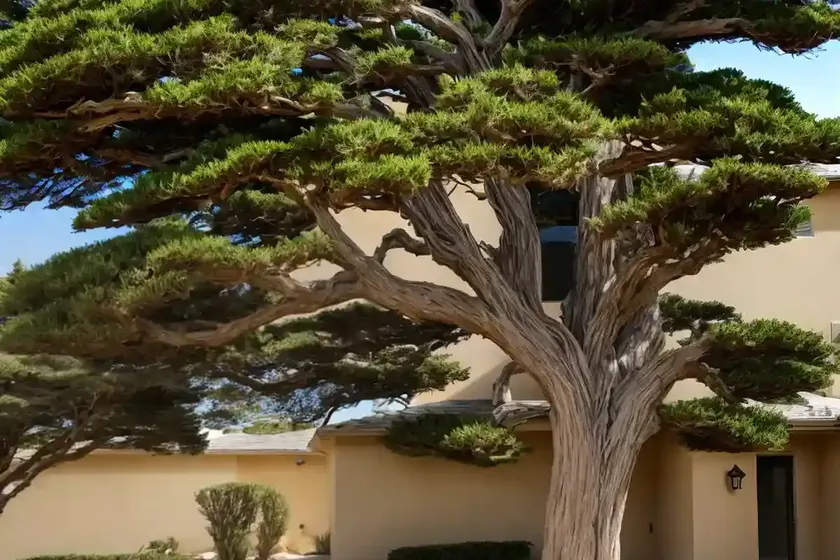
Monterey cypress (Cupressus macrocarpa) is a majestic and resilient tree that adds beauty and character to landscapes. Commonly found in coastal regions of California, its unique features and hardy nature make it a favorite among landscapers and homeowners. In this comprehensive guide, we will delve into the various aspects of the Monterey cypress, including its culture, uses, growth requirements, maintenance, common diseases, and much more.
What is Monterey Cypress (Cupressus macrocarpa)?
Monterey cypress, scientifically known as Cupressus macrocarpa, is a species of cypress tree native to the Central Coast of California. Known for its distinctive appearance and adaptability to coastal environments, this evergreen conifer is a valuable addition to gardens, parks, and coastal landscapes. The name “Monterey” is derived from the Monterey Peninsula, where the tree is commonly found, while “macrocarpa” refers to its large, rounded cones.
The Monterey cypress is characterized by its columnar or narrowly pyramidal shape, with horizontal to slightly drooping branches adorned with scale-like, aromatic foliage. It typically reaches heights of 30 to 70 feet, with some specimens exceeding 100 feet in optimal conditions. The tree’s reddish-brown to grayish-brown bark, which exfoliates in long, vertical strips, adds to its ornamental appeal.
Key Takeaways – Monterey Cypress (Cupressus macrocarpa)
Before we delve into the details, here are some key points about the Monterey cypress that will be covered in this guide:
– Culture: Understanding the Monterey cypress and its environmental preferences.
– Uses: Exploring the diverse uses of Cupressus macrocarpa in landscaping, ecosystems, and more.
– Growth Requirements: Addressing the water, sunlight, soil, and fertilizer needs of Monterey cypress.
– Maintenance: Guidelines for pruning, propagation, and container cultivation.
– Common Diseases and Pests: Identifying and managing the key challenges in caring for Monterey cypress.
– Botanist’s Tips: Expert insights and recommendations for successful cultivation.
– Fun Facts: Interesting and lesser-known details about the Monterey cypress.
– Links to External Resources: Accessing additional information and resources on Cupressus macrocarpa.
Now, let’s explore each of these aspects in detail to gain a comprehensive understanding of this iconic tree.
Culture
Understanding the natural habitat and cultural preferences of the Monterey cypress is crucial for successfully integrating it into landscapes and gardens. Here are the key cultural aspects to consider:
-
Natural Habitat: Monterey cypress is indigenous to the coastal regions of California, particularly along the Monterey Peninsula and surrounding areas. It thrives in mild, maritime climates, where it benefits from the moderating influence of the nearby ocean. The tree is well-adapted to sandy, well-drained soils and can withstand the strong winds commonly encountered in coastal environments.
-
Climate Preference: This species prefers a maritime climate characterized by cool, moist winters and mild, dry summers. It is tolerant of salt spray and can endure coastal exposure, making it an excellent choice for seaside plantings. While it excels in coastal regions, it can also adapt to a range of climates, provided the soil is well-draining and the tree receives adequate moisture during its establishment phase.
-
Drought Tolerance: Once established, the Monterey cypress exhibits remarkable drought tolerance, although regular watering is beneficial, particularly during prolonged dry spells. However, it is important to avoid waterlogged conditions, as this can lead to root rot and other issues.
-
Wind Resistance: The tree’s natural habitat has endowed it with exceptional wind resistance. Its ability to withstand strong coastal winds and salt-laden air makes it a valuable windbreak and coastal landscape element.
-
Soil pH Requirements: Monterey cypress thrives in slightly acidic to neutral soils, with a pH range of 6.0 to 7.5 being ideal. It is important to avoid highly alkaline soils, as they can negatively impact the tree’s nutrient uptake and overall health.
-
Coastal Adaptation: Due to its natural occurrence in coastal areas, the Monterey cypress has evolved mechanisms to cope with salt exposure, making it a suitable choice for seaside landscapes.
Uses
Landscaping and Ecosystem Benefits
The Monterey cypress offers a myriad of uses in landscaping and ecological restoration projects. Let’s explore some of its key applications:
-
Landscape Design: Its graceful form, evergreen foliage, and coastal adaptability make the Monterey cypress an excellent choice for coastal gardens, park landscapes, and large residential properties. It serves as a striking focal point or as part of a windbreak or privacy screen.
-
Erosion Control: Due to its extensive root system and tolerance for coastal conditions, Monterey cypress is often employed in erosion control efforts along coastlines and hillsides. The tree’s ability to anchor the soil helps minimize erosion and stabilize slopes.
-
Wildlife Habitat: In its native range, the Monterey cypress provides valuable habitat for various bird species and other wildlife. As part of a diverse coastal ecosystem, it contributes to the overall biodiversity and ecological balance of the region.
-
Timber and Wood Products: The wood of the Monterey cypress is valued for its durability and rot-resistant properties, making it suitable for outdoor construction, fencing, and other applications. While it is not as extensively harvested as other cypress species, its wood is prized for its natural resistance to decay.
Ornamental and Recreational Advantages
Apart from its ecological and functional uses, the Monterey cypress offers several ornamental and recreational benefits:
-
Enhanced Aesthetics: The stately form and year-round greenery of the Monterey cypress make it an eye-catching addition to landscapes and public parks. Its distinctive silhouette and wind-sculpted appearance contribute to its visual appeal, particularly in coastal settings.
-
Outdoor Recreation: Large specimens of Monterey cypress can serve as living landmarks and points of interest in cultural and recreational settings. They are often featured in coastal parks, nature reserves, and botanical gardens, attracting visitors and nature enthusiasts.
-
Educational Value: As a native species of California, the Monterey cypress provides educational opportunities for learning about coastal ecosystems, plant adaptations, and conservation efforts. Its presence in educational institutions and botanical collections helps raise awareness about native plants and their role in sustaining biodiversity.
Water
Proper water management is crucial for the health and vitality of Monterey cypress, especially during its establishment phase and periods of drought. Here are some key considerations for watering this iconic tree:
-
Establishment Phase: Newly planted Monterey cypress trees require regular watering to facilitate root establishment. This is particularly important during the first 1-2 years after planting. Provide deep, thorough waterings at regular intervals to ensure the entire root ball is adequately moistened.
-
Drought Resistance: Once established, Monterey cypress demonstrates impressive drought tolerance. It is adapted to the Mediterranean climate of California and can endure prolonged periods of reduced moisture. However, periodic deep watering during dry spells can help maintain the tree’s vigor and overall health, especially in urban or landscaped settings.
-
Avoid Waterlogging: While the tree appreciates regular moisture, it is essential to avoid waterlogging the soil, as this can lead to root rot and related issues. Ensure that the planting site features well-draining soil to prevent water accumulation around the root system.
-
Rainwater Harvesting: In areas where drought and water scarcity are prevalent, incorporating rainwater harvesting systems can provide a sustainable water source for irrigating Monterey cypress and other landscape plants. This approach aligns with the tree’s natural adaptation to periodic dry conditions.
-
Growth Habits and Water Needs: Consider the growth habits, size, and environmental factors when determining the water needs of Monterey cypress. Mature trees in coastal regions may have evolved to rely on intermittent moisture from fog, dew, and occasional rain, so their water requirements can differ from those in more arid inland locations.
Sunlight
Understanding the sunlight requirements of Monterey cypress is essential for optimizing its growth and appearance. Here are some key points to consider regarding sunlight needs:
-
Full Sun to Partial Shade: Monterey cypress thrives in full sun to partial shade, although it tends to exhibit the best growth and form when provided with ample sunlight. In coastal regions, it is exposed to a significant amount of direct sunlight, and its ability to tolerate both sunny and partially shaded conditions makes it adaptable to diverse landscapes.
-
Coastal Environments: In coastal settings, the tree is exposed to a combination of sun and fog, creating a unique microclimate that influences its growth. It is well-adapted to these conditions and can thrive in coastal areas with varying degrees of sun exposure.
-
Inland Considerations: Inland landscapes, particularly those with hot, intense sunlight, may benefit from providing partial shade to young or newly transplanted Monterey cypress trees. This can help them establish their root systems and acclimate to the new environment without the stress of excessive heat and sunlight.
-
Seasonal Sunlight Variations: Consider the seasonal variations in sunlight when planning the placement of Monterey cypress trees within the landscape. While they are adapted to prolonged sunlight, they can also benefit from some protection during periods of extreme heat or prolonged drought.
-
Optimizing Growth: By providing favorable sunlight conditions, landscapers and gardeners can optimize the growth rate, overall health, and aesthetic appeal of Monterey cypress trees, allowing them to develop their characteristic form and structure over time.
Fertilizer
Proper fertilization can support the healthy growth and development of Monterey cypress, promoting strong root systems and robust foliage. Here are some key considerations for fertilizing these iconic trees:
-
Nutrient Requirements: Monterey cypress trees benefit from a balanced fertilizer that provides essential macro and micronutrients. A slow-release fertilizer formulated for trees and shrubs can help meet their nutritional needs without causing rapid, excessive growth.
-
Initial Fertilization: When planting Monterey cypress trees, consider incorporating a controlled-release fertilizer into the backfill soil to provide a steady supply of nutrients during the establishment phase. This can help support the development of young roots and early growth.
-
Established Trees: For mature Monterey cypress trees, fertilization may not be necessary if the soil is naturally nutrient-rich and organic matter is regularly replenished. However, in landscapes with nutrient-poor soils or as part of routine maintenance, a balanced tree fertilizer can be applied in spring to bolster growth and vitality.
-
Avoid Excessive Nutrients: It is important to avoid over-fertilizing Monterey cypress trees, as excessive nitrogen or phosphorus can lead to imbalanced growth, reduced drought tolerance, and potential environmental impacts. Following recommended application rates and using slow-release formulations can help prevent nutrient-related issues.
-
Soil Amendments: In areas with impoverished or compacted soils, incorporating organic matter such as compost or well-decomposed manure can improve soil structure and fertility, reducing the reliance on synthetic fertilizers and enhancing the overall health of Monterey cypress trees.
Soil
Understanding the soil requirements and preferences of Monterey cypress is crucial for promoting optimal growth and long-term health. Here are some key points to consider regarding the soil needs of this iconic tree:
-
Well-Draining Soil: Monterey cypress thrives in well-draining soils, particularly those with sandy or loamy textures. It is adapted to the nutrient-poor, sandy soils commonly found in coastal regions, where it forms extensive root systems to access water and nutrients.
-
Soil pH: The ideal soil pH range for Monterey cypress is slightly acidic to neutral, typically falling within the range of 6.0 to 7.5. Conducting a soil test prior to planting can help determine if any pH adjustments are necessary to create an optimal growing environment for the tree.
-
Organic Matter Content: While Monterey cypress is adapted to low-fertility soils, incorporating organic matter into the planting site can improve soil structure and fertility, providing a supportive growing medium for the tree’s roots. Compost, leaf mold, or well-rotted manure can be beneficial soil amendments.
-
Compact Soils: In areas with heavy or compacted soils, consider implementing soil aeration techniques or incorporating coarse organic matter to improve drainage and alleviate compaction around the root zone.
-
Avoid Waterlogged Conditions: Ensuring proper drainage and avoiding waterlogged conditions is essential for preventing root rot and related issues, particularly in landscape and garden settings where soil moisture can be influenced by irrigation and rain events.
Pruning
Pruning is an important aspect of Monterey cypress maintenance, helping to shape the tree, promote desirable growth habits, and maintain its health and aesthetics. Here are some guidelines and considerations for pruning Monterey cypress trees:
-
Pruning Timing: The best time to prune Monterey cypress is during the dormant season in late winter or early spring. This timing allows for the removal of dead, damaged, or excessive growth without compromising the tree’s overall vitality.
-
Selective Pruning: Focus on selective pruning to remove any dead, diseased, or crossing branches, as well as any growth that detracts from the tree’s natural form. Be mindful of the tree’s aesthetic appeal and its role within the landscape when shaping its structure.
-
Minimal Pruning: While it is important to maintain the health and form of Monterey cypress, excessive or overly aggressive pruning can lead to stress and potential vulnerability to pests and diseases. Aim for minimal, targeted pruning to address specific concerns.
-
Pruning Tools: Use sharp, clean pruning tools to make precise cuts and prevent damage to the tree. Pruning shears, loppers, and saws designed for tree pruning are suitable for different tasks, from light shaping to the removal of larger branches.
-
Safety Considerations: Prioritize safety when pruning Monterey cypress trees, particularly when working at heights or using power equipment. Properly assess the tree’s structure and consider consulting a professional arborist for large or challenging pruning tasks.
Propagation
Although Monterey cypress is primarily propagated from seeds, it is possible to propagate new trees through cuttings under certain conditions. Here are some insights into propagating Monterey cypress:
-
Seed Propagation: Propagating Monterey cypress from seeds is the most common and reliable method. Collect mature cones from healthy trees and extract the seeds for sowing. Germination can be enhanced through cold moist stratification, mimicking the natural conditions required for seed dormancy release.
-
Cutting Propagation: Under controlled conditions, it is possible to propagate Monterey cypress from semi-hardwood cuttings taken from healthy, vigorous branches. Rooting hormone application and optimal environmental conditions are crucial for successful propagation from cuttings.
-
Nursery Production: Many Monterey cypress trees available in nurseries are propagated from seeds to maintain genetic diversity and ensure the resilience of the tree. When sourcing new trees for planting, consider the source and propagation method to promote the health and genetic integrity of the trees.
Container Cultivation
While Monterey cypress is typically planted in open landscapes, it can also be cultivated in containers under the right conditions, providing an opportunity to enjoy its unique beauty in urban and small-space settings. Here is some guidance for growing Monterey cypress in containers:
-
Container Size: Select a large, sturdy container that provides ample space for the tree’s root system to develop. A container with drainage holes is essential to prevent waterlogging and ensure adequate aeration for the roots.
-
Well-Draining Potting Mix: Use a high-quality, well-draining potting mix formulated for woody plants or trees. This type of mix provides the necessary support, moisture retention, and aeration for container-grown Monterey cypress.
-
Sunlight Requirements: Place the container in a location that receives adequate sunlight, as Monterey cypress thrives in full sun to partial shade. In urban environments, ensure the tree is not subjected to excessive heat or reflected sunlight that can cause stress.
-
Watering Needs: Regular watering is essential for container-grown Monterey cypress, particularly during the active growth period. Monitor the soil moisture and avoid allowing the root ball to dry out, but also take care not to overwater, as this can lead to root rot.
-
Seasonal Considerations: During periods of extreme heat or cold, container-grown trees may require additional protection or insulation to prevent stress from temperature fluctuations. Consider moving the container to a sheltered location during severe weather conditions.
Popularity
Monterey cypress has gained significant popularity as a landscape tree due to its striking appearance, coastal adaptability, and ecosystem benefits. Its use in public parks, coastal landscapes, and private gardens has elevated its status as a valuable ornamental and functional tree species. The iconic silhouette of Monterey cypress and its resilience in challenging coastal environments have contributed to its widespread appeal, making it a sought-after choice for both commercial and residential landscapes.
Common Diseases
Understanding the common diseases that affect Monterey cypress is crucial for implementing effective preventative measures and minimizing the impact of potential outbreaks. Here are some of the key diseases that can affect this iconic tree:
-
Serpentine Rust: Serpentine rust, caused by the fungal pathogen Chrysomyxa arctostaphyli, can affect Monterey cypress, leading to yellowing and defoliation of branches. It is important to monitor for the characteristic yellow or orange spore pustules on the foliage and implement cultural practices to minimize the spread of the disease.
-
Botryosphaeria Canker: This fungal disease, caused by various Botryosphaeria species, can affect the branches and stems of Monterey cypress, leading to dieback and canker formation. Maintaining tree vigor through proper cultural practices and pruning can help reduce the risk of infection.
-
Phytophthora Root Rot: Phytophthora cinnamomi, a destructive soil-borne pathogen, can lead to root rot in Monterey cypress, particularly in poorly drained or waterlogged soils. Improving soil drainage and adopting proper watering practices can help manage the risk of Phytophthora root rot.
-
Needle Blight: Several fungal pathogens, such as Seiridium cardinale and others, can cause needle blight in Monterey cypress, leading to browning, dieback, and defoliation of branches. Promoting good air circulation and avoiding overhead irrigation can help reduce the risk of needle blight.
-
Preventative Measures: Implementing proper cultural practices, such as planting in well-draining soil, avoiding overhead watering, and maintaining overall tree health, can minimize the risk of common diseases in Monterey cypress. Regular monitoring and early intervention can help manage disease problems effectively.
Disease Diagnosis
Diagnosing diseases in Monterey cypress involves careful observation of symptoms, understanding environmental and cultural factors, and, in some cases, seeking professional assistance. Here are some steps for diagnosing potential diseases in this iconic tree:
-
Symptom Observation: Pay close attention to changes in foliage color, structure, and overall tree health. Look for patterns of browning, yellowing, or wilting that may indicate disease presence.
-
Environmental Factors: Consider the prevailing environmental conditions, such as soil moisture, sunlight exposure, and air circulation, as these can influence disease development. Addressing any underlying environmental stressors can help mitigate disease impact.
-
Consulting Experts: In cases where disease diagnosis is challenging or when addressing severe outbreaks, consider consulting a professional arborist, plant pathologist, or horticulturist with expertise in tree health. Timely and accurate diagnosis can guide effective management strategies.
-
Disease Management: Once a disease has been diagnosed, implement targeted management practices based on the specific pathogens and environmental conditions involved. These may include cultural