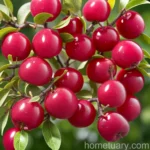
Malus ‘Snowdrift’ (Crabapple): A Comprehensive Guide
Malus ‘Snowdrift’ is a versatile ornamental tree appreciated for its abundant white blossoms and attractive fruit. In this guide, we will delve into the characteristics, cultivation requirements, uses, and maintenance of the Malus ‘Snowdrift’ (Crabapple) variety. Whether you are a seasoned gardener or a beginner, this detailed overview will provide valuable insights into maximizing the potential of this beautiful cultivar in your landscape. Let’s embark on a journey to explore the captivating world of Malus ‘Snowdrift’!
What is Malus ‘Snowdrift’ (Crabapple)?
Malus ‘Snowdrift’, commonly known as Crabapple, is a deciduous flowering tree that belongs to the Rosaceae family. It is renowned for its profusion of white blossoms in the spring and the abundance of miniature fruits that follow, adding a touch of elegance and charm to gardens, parks, and urban landscapes. The scientific name “Malus” refers to the genus, encompassing a diverse range of apple and crabapple species, while the cultivar name “Snowdrift” highlights the variety’s resemblance to a gentle cascade of snow when in full bloom.
Key Takeaways – Malus ‘Snowdrift’ (Crabapple)
Here are the key takeaways that we will explore in detail in this comprehensive guide:
- Culture
- Uses
- Water
- Sunlight
- Fertilizer
- Soil
- Pruning
- Propagation
- Container Popularity
- Container Common Diseases
- Disease Diagnosis
- Common Pests
- Botanist’s Tips
- Fun Facts
- Links to External Resources
Now, let’s dive into the intricacies of each of these aspects to gain an in-depth understanding of cultivating and appreciating the Malus ‘Snowdrift’ variety.
Culture
Uses of Malus ‘Snowdrift’ (Crabapple)
Ornamental Beauty
Malus ‘Snowdrift’ is primarily valued for its ornamental appeal. Adorning landscapes with a profusion of delicate white flowers in the spring, it stands out as a visual spectacle. Furthermore, the tree’s tiny fruit adds a decorative element to the surroundings, especially when it transforms into a vibrant burst of color in the fall. Its aesthetic contribution makes it a sought-after choice for residential, commercial, and public landscapes, contributing to the creation of a captivating outdoor environment.
Wildlife Attraction
Beyond its visual allure, Malus ‘Snowdrift’ supports biodiversity by attracting a variety of wildlife, including birds and pollinators. The abundance of small fruit serves as a food source for birds during the colder months, allowing for an enhanced interaction between nature and the cultivated environment. This enhances the ecological value of the tree, making it an asset in wildlife-friendly landscapes.
Water
Effective watering is essential for the optimal growth and development of Malus ‘Snowdrift’. While these trees are generally resilient, especially when established, providing adequate moisture is crucial for encouraging robust flowering and fruiting.
Watering Guidelines
- Young Trees: Newly planted Malus ‘Snowdrift’ trees require regular watering to help them establish a strong root system. When planting, ensure thorough hydration and continue to monitor soil moisture during the initial growth phase. Water deeply to penetrate the root zone, promoting healthy root development.
- Established Trees: Once the tree is established, moderate watering is usually sufficient. During periods of extended dryness, or in regions with low rainfall, supplemental watering can aid in sustaining the tree’s vitality and ensuring consistent blooming and fruiting.
Sunlight
Malus ‘Snowdrift’ thrives in full sun to partial shade, with a preference for ample sunlight. Providing the tree with adequate sunlight is essential for promoting vigorous growth, profuse flowering, and an abundant fruit set.
Ideal Sunlight Conditions
- Full Sun: Placing the tree in a location that receives at least 6-8 hours of direct sunlight daily is optimal. This allows for the maximization of photosynthesis, which is crucial for the production of energy and the development of flowers and fruit.
- Partial Shade: While Malus ‘Snowdrift’ prefers full sun, it can tolerate partial shade, especially in regions with intense summer heat. In such conditions, partial shade can provide protection from excessive sun exposure during the hottest part of the day.
Fertilizer
Proper fertilization is a key component of promoting the health and vitality of Malus ‘Snowdrift’. Providing essential nutrients supports robust growth, abundant blooms, and a bountiful fruiting season.
Fertilization Recommendations
- Timing: Apply fertilizer in the early spring before the start of new growth. This allows the tree to benefit from the nutrients as it enters its active growth phase.
- Type of Fertilizer: A balanced, slow-release fertilizer specifically formulated for trees and shrubs is suitable for Malus ‘Snowdrift’. Look for a formulation with a balanced NPK ratio, along with micronutrients to ensure comprehensive nutrition.
- Application: Spread the fertilizer evenly over the root zone, which extends beyond the drip line. Avoid direct contact with the trunk to prevent potential damage. Water thoroughly after the application to facilitate the absorption of nutrients by the roots.
Soil
Malus ‘Snowdrift’ thrives in well-drained, fertile soil that provides a supportive growing environment for the development of a robust root system and overall plant health.
Soil Requirements
- Drainage: Good drainage is crucial for preventing waterlogging, which can lead to root rot and other detrimental conditions. Avoid planting in areas prone to standing water, and consider incorporating organic matter or amendments to enhance soil structure and drainage if necessary.
- Fertility: Rich, loamy soil with a balanced nutrient profile is ideal for Malus ‘Snowdrift’. Soil that is slightly acidic to neutral (pH 6.0-7.0) is generally well-suited for these trees, promoting nutrient uptake and overall vitality.
Pruning
Pruning plays a pivotal role in maintaining the health, form, and flowering potential of Malus ‘Snowdrift’. Strategic pruning helps to manage the tree’s structure, remove dead or diseased wood, and encourage robust flowering and fruiting.
Pruning Guidelines
- Timing: Prune Malus ‘Snowdrift’ during the dormant season, typically in late winter to early spring before new growth emerges. This timing minimizes stress on the tree and allows for the assessment of the overall structure before the start of the growing season.
- Techniques: Remove any dead, damaged, or crossing branches to enhance air circulation and light penetration. Additionally, selectively thin out crowded branches to promote a well-ventilated canopy.
- Formative Pruning: When the tree is young, formative pruning can help shape its structure and establish a balanced framework for future growth. This includes removing competing leaders and shaping the overall silhouette of the tree.
Propagation
While Malus ‘Snowdrift’ is often propagated through grafting to maintain the desired characteristics of the cultivar, it is also possible to propagate the tree through seed or cuttings.
Propagation Methods
- Grafting: The most common method of propagation for Malus ‘Snowdrift’ is grafting onto suitable rootstock. This ensures that the new plants retain the desired traits and characteristics of the parent tree.
- Seed Propagation: While seeds collected from the fruit can be used for propagation, the resulting seedlings may not necessarily exhibit the same traits as the parent tree. This method is often used for the development of new cultivars through selective breeding.
- Cuttings: Propagation from hardwood or softwood cuttings is possible, although it requires specific timing and care to encourage successful root development. This method is often used in controlled nursery settings to propagate specific cultivars.
Container Popularity
Malus ‘Snowdrift’ can be cultivated in containers, making it a versatile choice for small gardens, urban spaces, or patios. The compact size and ornamental beauty of the tree make it well-suited for container cultivation, offering the opportunity to enjoy its captivating blooms and fruit in a confined space.
Container Cultivation Tips
- Container Selection: Choose a large, sturdy container with adequate drainage holes to support the growth of Malus ‘Snowdrift’. A container with a capacity of at least 15 gallons provides ample space for root development.
- Potting Mix: Select a high-quality, well-draining potting mix suitable for trees and shrubs. Avoid compacted or heavy soils, as they can impede root growth and drainage.
- Watering and Maintenance: Container-grown trees may require more frequent watering, especially during periods of hot weather. Monitor soil moisture regularly and ensure that the tree receives sufficient sunlight for optimal growth.
Container Common Diseases
When growing Malus ‘Snowdrift’ in containers, it is important to be mindful of potential diseases that can affect the tree in a confined environment. Common diseases such as apple scab, powdery mildew, and fire blight can impact container-grown trees if suitable precautions are not taken.
Disease Prevention and Management
- Sanitation: Keep the container and surrounding area clean and free of debris to minimize the risk of disease spread. Remove fallen leaves and fruit promptly to reduce the potential for disease inoculum.
- Fungicide Applications: In high-risk areas or when disease pressure is prevalent, consider preventive fungicide treatments to protect the tree from common fungal diseases. Follow label instructions and guidelines for safe and effective application.
Disease Diagnosis
Common Diseases of Malus ‘Snowdrift’
- Apple Scab (Venturia inaequalis): This fungal disease causes dark, scabby lesions on leaves and fruit, leading to defoliation and reduced fruit quality.
- Powdery Mildew (Podosphaera leucotricha): White powdery patches on leaves and shoots characterize this fungal disease, affecting the overall vigor and aesthetics of the tree.
- Fire Blight (Erwinia amylovora): A bacterial disease that causes wilting, blackening, and a scorched appearance of shoots and blossoms, often resulting in severe damage to the tree.
Early detection and prompt intervention are crucial in managing and mitigating the impact of these diseases on Malus ‘Snowdrift’. Regular monitoring, proper sanitation, and targeted treatments are essential components of disease management.
Common Pests
Malus ‘Snowdrift’ is susceptible to certain pests that can affect its foliage, fruit, and overall health. Being vigilant and proactive in pest management is vital for preserving the tree’s vitality and aesthetic appeal.
Pest Identification and Control
- Aphids: These small, sap-sucking insects can distort young growth and cause honeydew secretion, leading to sooty mold development. Natural predators and carefully timed insecticidal treatments can help manage aphid infestations.
- Caterpillars: Various caterpillar species can feed on the leaves of Malus ‘Snowdrift’, leading to defoliation and aesthetic damage. Bacillus thuringiensis (Bt) products and selective insecticides can aid in controlling caterpillar populations.
Implementing integrated pest management practices, including cultural controls and targeted treatments, can help minimize the impact of pests on Malus ‘Snowdrift’ while maintaining a balanced ecosystem in the landscape.
Botanist’s Tips
Nurturing Malus ‘Snowdrift’ for Optimal Performance
- Mulching: Apply a layer of organic mulch around the base of the tree, avoiding direct contact with the trunk. Mulch helps retain soil moisture, regulate soil temperature, and suppress weed growth.
- Pollination: To ensure a good fruit set, consider planting multiple compatible crabapple varieties for cross-pollination. This can enhance fruit production and the overall ornamental value of the landscape.
- Winter Protection: In regions with harsh winters, protect young trees from frost and cold temperatures. Wrapping the trunk with burlap and providing a layer of mulch around the base can help insulate the tree and prevent winter damage.
Incorporating these botanist’s tips into the care and maintenance of Malus ‘Snowdrift’ can contribute to the tree’s overall health and longevity, ensuring a rewarding and vibrant display in the landscape.
Fun Facts
- The blossoms of Malus ‘Snowdrift’ are not only visually appealing but also emit a delicate, sweet fragrance, enhancing the sensory experience in the garden.
- Crabapples, including the ‘Snowdrift’ variety, are an excellent source of pectin, a natural thickening agent used in jams and jellies.
- The small fruits of Malus ‘Snowdrift’ can persist on the tree well into the winter, providing a valuable food source for birds during the colder months.
Links to External Resources
For further information on Malus ‘Snowdrift’ (Crabapple) and related topics, the following external resources can provide valuable insights and practical guidance:
- Royal Horticultural Society (RHS): A trusted source of horticultural information, including plant profiles, cultivation guidelines, and gardening advice.
- University Extension Programs: Cooperative Extension services, such as the University of Minnesota Extension, offer comprehensive resources on fruit tree cultivation and landscape management.
- American Society of Landscape Architects (ASLA): An organization dedicated to promoting the art and science of landscape architecture, offering insights on incorporating crabapples into landscape designs.
By leveraging these external resources, enthusiasts and horticultural practitioners can access a wealth of knowledge and expertise to support the successful cultivation and appreciation of Malus ‘Snowdrift’ and related plant species. Whether seeking technical guidance or design inspiration, these resources serve as valuable tools for enhancing the understanding and enjoyment of ornamental trees and their ecological contributions.
In conclusion, Malus ‘Snowdrift’ stands as a compelling choice for enhancing the visual appeal and ecological integrity of diverse landscapes. Its ornamental beauty, wildlife-supporting attributes, and cultural significance make it a treasured addition to gardens, public spaces, and urban environments. By understanding and implementing the recommended practices for cultivation and maintenance, enthusiasts can navigate the nuances of nurturing Malus ‘Snowdrift’ to achieve a flourishing and captivating display in the outdoor environment. Whether adorning the landscape with delicate blooms in the spring or providing sustenance for wildlife in the winter, the enduring allure of Malus ‘Snowdrift’ as a Crabapple variety serves to enrich and enliven the tapestry of nature within cultivated settings.