Malus ‘Prairifire’ (Crabapple): A Comprehensive Guide
As a plant scientist with a passion for horticulture and botany, I am excited to delve into the world of Malus ‘Prairifire’—a captivating and versatile crabapple cultivar. In this extensive guide, we will explore the key characteristics, care requirements, landscape uses, and much more, to help you gain a deeper understanding of this beautiful plant. Whether you are a gardening enthusiast, a landscaping professional, or simply intrigued by the wonders of nature, this guide aims to provide valuable insights into the Malus ‘Prairifire’ cultivar. Let’s embark on an enlightening journey through the enchanting realm of Malus ‘Prairifire’.
What is Malus ‘Prairifire’ (Crabapple)?
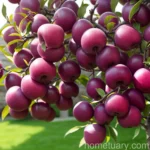
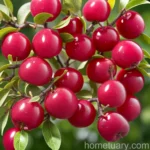
Malus ‘Prairifire’ is a stunning crabapple cultivar renowned for its exquisite ornamental features, including vibrant blooms, colorful foliage, and decorative fruit. This deciduous tree belongs to the Rosaceae family and is prized for its versatility in landscaping, its wildlife-friendly attributes, and its ability to thrive in diverse climatic conditions. The Malus ‘Prairifire’ cultivar is known for its outstanding ornamental value, making it a popular choice for gardeners, arborists, and landscape designers.
Key Takeaways – Malus ‘Prairifire’ (Crabapple)
Before we delve into the intricacies of cultivating and caring for Malus ‘Prairifire’, let’s take a closer look at some of the key aspects associated with this remarkable crabapple cultivar.
Malus ‘Prairifire’ (Crabapple) Characteristics
- Botanical Name: Malus ‘Prairifire’
- Family: Rosaceae
- Type: Deciduous Tree
- Mature Height: 15-20 feet
- Mature Spread: 15-20 feet
- USDA Hardiness Zones: 4-8
- Growth Rate: Moderate
Malus ‘Prairifire’ (Crabapple) Benefits
- Ornamental value: Striking blossoms, colorful foliage, and decorative fruit
- Wildlife attraction: Attracts birds and pollinators
- Versatile landscaping uses: Suitable for residential and commercial landscapes
- Environmental benefits: Tolerant of various soil types and adaptable to different environmental conditions
Now that we have gained a brief insight into the characteristics and benefits of Malus ‘Prairifire’, let’s explore the specific care requirements and cultivation guidelines for this captivating crabapple cultivar.
Culture
Cultivating and caring for Malus ‘Prairifire’ involves a series of considerations, including watering, sunlight exposure, soil conditions, fertilizer application, pruning, and propagation methods. Understanding the cultural requirements of this plant is essential for creating an optimal growing environment and ensuring its long-term health and vibrancy.
Uses
The uses of Malus ‘Prairifire’ are multifaceted, ranging from its ornamental value in landscaping to its ecological significance in supporting wildlife. Let’s explore the diverse uses associated with this captivating crabapple cultivar.
-
Ornamental Landscaping: Malus ‘Prairifire’ serves as a stunning focal point in residential yards, public parks, and commercial landscapes. Its vibrant blossoms, colorful foliage, and decorative fruit contribute to its visual appeal throughout the seasons.
-
Wildlife Habitat: The flowering and fruiting of Malus ‘Prairifire’ attract birds, pollinators, and beneficial insects, thus enhancing biodiversity and creating a wildlife-friendly environment.
-
Seasonal Interest: The seasonal changes in foliage color, blossom abundance, and fruit display add visual interest to the landscape throughout the year.
-
Environmental Adaptability: Due to its adaptability to various soil types and climatic conditions, Malus ‘Prairifire’ can be used in diverse landscaping settings, including urban environments and rural areas.
Water
Proper watering is essential for the establishment and ongoing health of Malus ‘Prairifire’. While this crabapple cultivar exhibits a degree of drought tolerance once established, consistent and adequate moisture is vital during its initial growth stages and periods of extended dryness.
Malus ‘Prairifire’ Water Needs
-
Establishment Phase: During the first year after planting, provide regular watering to facilitate root establishment and vigorous growth. A deep watering once or twice a week is generally sufficient, ensuring that the soil around the root zone remains consistently moist but not waterlogged.
-
Mature Trees: Once established, mature Malus ‘Prairifire’ trees typically exhibit moderate drought tolerance. However, during prolonged periods of drought or hot weather, supplemental irrigation can help maintain the tree’s vitality and overall well-being.
Sunlight
As a deciduous tree, Malus ‘Prairifire’ thrives in full sun to partial shade, exhibiting optimal growth and flowering when provided with ample sunlight. Adequate sunlight exposure promotes robust foliage development, prolific flowering, and vibrant fruit production.
Malus ‘Prairifire’ Sun Exposure
-
Full Sun: Ideally, plant Malus ‘Prairifire’ in a location that receives at least 6-8 hours of direct sunlight daily. Full sun exposure enhances the tree’s overall vigor, promotes abundant flowering, and contributes to the development of rich, colorful foliage.
-
Partial Shade: While Malus ‘Prairifire’ prefers full sun, it can tolerate partial shade, especially in regions with intense afternoon sun or during exceptionally hot periods. When grown in partial shade, the tree may exhibit slightly reduced flowering and fruiting compared to specimens in full sun.
Fertilizer
Applying a balanced fertilizer to Malus ‘Prairifire’ can support its growth, enhance flowering and fruiting, and improve overall resistance to diseases and environmental stresses. Understanding the appropriate fertilizer dosage and application timing is crucial for maximizing the tree’s health and ornamental value.
Malus ‘Prairifire’ Fertilizer Requirements
-
Fertilizer Type: Use a well-balanced, slow-release fertilizer formulated for flowering and fruiting trees. The nutrient composition should ideally include a balanced ratio of nitrogen, phosphorus, and potassium, along with essential micronutrients.
-
Application Timing: Apply fertilizer to Malus ‘Prairifire’ in early spring, just before the onset of new growth. Avoid heavy or late-season fertilization, as this can stimulate late, tender growth that may be susceptible to frost damage.
-
Dosage: Follow the manufacturer’s recommendations for the appropriate dosage based on the tree’s age, size, and overall health. Avoid over-fertilization, as excessive nitrogen can lead to lush foliage at the expense of flowering and fruiting.
Soil
The soil requirements for Malus ‘Prairifire’ are relatively adaptable, with the tree demonstrating good tolerance to a range of soil types. However, providing the tree with well-draining, fertile soil can promote healthy root development, vigor, and long-term resilience to environmental stresses.
Malus ‘Prairifire’ Soil Requirements
-
Drainage: Ensure that the planting site offers good drainage, as waterlogged soil can compromise root health and lead to the development of root rot.
-
Fertility: Amend the soil with organic matter, such as compost or well-rotted manure, to improve its fertility and structure. Incorporating organic material during the initial planting and periodically thereafter can support the tree’s nutrient uptake and overall vitality.
-
pH Level: Malus ‘Prairifire’ tolerates a moderately wide pH range, ideally between 6.0 and 7.5. Conduct a soil pH test to assess the acidity or alkalinity of the soil and make necessary adjustments to optimize the growing conditions for the tree.
Pruning
Pruning Malus ‘Prairifire’ is a key aspect of its maintenance, contributing to improved aesthetics, fruit production, and overall tree health. Understanding the appropriate timing and techniques for pruning this crabapple cultivar is vital for achieving desirable outcomes while minimizing the risk of stress or disease.
Malus ‘Prairifire’ Pruning Tips
-
Timing: Prune Malus ‘Prairifire’ during late winter or early spring, while the tree is still dormant. Pruning during this period helps minimize sap flow, reduces the risk of disease transmission, and allows for the removal of dead, damaged, or crossing branches with ease.
-
Sanitation: Prior to pruning, sterilize pruning tools to prevent the spread of diseases. Clean cuts with sharp, sterilized tools promote rapid healing and reduce the risk of infection.
-
Pruning Objectives: When pruning Malus ‘Prairifire’, focus on the removal of dead, diseased, or damaged branches, as well as the thinning of crowded or crossing limbs to improve air circulation. Additionally, selectively prune to shape the tree and promote a balanced canopy structure.
Propagation
The propagation of Malus ‘Prairifire’ can be achieved through various methods, including seed sowing, grafting, and cutting propagation. Understanding the principles and techniques associated with each propagation method is essential for successfully reproducing the desired characteristics of this crabapple cultivar.
Malus ‘Prairifire’ Propagation Techniques
-
Seed Sowing: Propagating Malus ‘Prairifire’ from seed can yield variable results in terms of genetic traits and overall performance. Collect seeds from ripe fruit, stratify them in a moist medium at cool temperatures, and plant the stratified seeds in a suitable growing medium to initiate germination.
-
Grafting: Grafting desirable Malus ‘Prairifire’ cultivars onto compatible rootstocks can produce genetically identical trees with consistent characteristics. Grafting techniques such as whip grafting, cleft grafting, or T-budding are commonly used for propagating crabapple cultivars.
-
Cutting Propagation: Using semi-hardwood or hardwood cuttings from healthy, disease-free Malus ‘Prairifire’ trees, it is possible to propagate new plants with the same genetic traits. Rooting hormone application and careful attention to environmental conditions facilitate successful cutting propagation.
Container Popularity
While Malus ‘Prairifire’ is primarily grown as a landscape tree, it can also be cultivated in containers under appropriate conditions. Container gardening with Malus ‘Prairifire’ offers the flexibility to showcase this captivating crabapple cultivar in various outdoor settings, such as patios, balconies, and urban landscapes.
Malus ‘Prairifire’ Container Cultivation Considerations
-
Container Size: Select a spacious container with adequate drainage holes, allowing for root development and stability. A larger container provides better insulation against temperature fluctuations and reduces the need for frequent watering.
-
Growing Medium: Use a high-quality, well-draining potting mix rich in organic matter. The growing medium should promote healthy root growth while retaining sufficient moisture without becoming waterlogged.
-
Sunlight and Watering: Position the container in a location that receives ample sunlight, and ensure regular watering to maintain consistent moisture levels in the growing medium. Monitor the moisture content of the soil to prevent dehydration or waterlogging.
Common Diseases
Malus ‘Prairifire’ is susceptible to certain diseases that can impact its health, vigor, and ornamental appeal. Recognizing the symptoms of common diseases and implementing proactive management strategies is essential for preserving the overall well-being of this captivating crabapple cultivar.
Malus ‘Prairifire’ Common Diseases
-
Cedar-Apple Rust: This fungal disease can cause yellow-orange lesions on the leaves and affect overall tree vigor. Proper sanitation, pruning, and the use of resistant cultivars are effective strategies for managing cedar-apple rust.
-
Apple Scab: Apple scab is characterized by dark, scabby lesions on the foliage, reducing the tree’s aesthetic appeal and potentially leading to defoliation. Fungicidal treatments and the removal of infected leaves can help control apple scab.
-
Fire Blight: Fire blight, caused by a bacterial pathogen, can lead to wilting, darkening of shoots, and cankers on the branches. Pruning affected branches, enhancing tree vigor, and employing resistant cultivars are key components of fire blight management.
Disease Diagnosis
When diagnosing diseases affecting Malus ‘Prairifire’, it is crucial to closely examine the symptoms, assess environmental conditions, and implement appropriate disease management measures. Consulting with a plant health specialist or utilizing diagnostic resources can aid in accurately identifying and addressing disease issues.
Malus ‘Prairifire’ Disease Diagnosis
-
Symptom Recognition: Pay attention to leaf discoloration, lesion development, wilting, and canker formation, as these symptoms can provide valuable clues to the nature of the disease affecting the tree.
-
Environmental Factors: Consider factors such as humidity, temperature, and air circulation, as these can influence disease development and progression. Implement cultural practices that promote a healthy growing environment, reducing the tree’s susceptibility to diseases.
-
Professional Consultation: In cases where disease diagnosis is challenging or requires specialized expertise, seek guidance from an experienced plant pathologist or horticultural consultant to accurately identify the disease and develop a targeted management strategy.
Common Pests
In addition to diseases, Malus ‘Prairifire’ is vulnerable to certain pests that can affect its foliage, flowers, and fruit. Understanding the biology, behavior, and management approaches for common pests is essential for preserving the tree’s vigor and ornamental value.
Malus ‘Prairifire’ Common Pests
-
Aphids: These small, sap-feeding insects can cause leaf distortion, honeydew production, and stunted growth. Insecticidal soaps, horticultural oils, and natural predators can help manage aphid infestations.
-
Codling Moth: The larvae of codling moths can cause damage to crabapple fruit, leading to premature dropping and reduced quality. Pheromone traps, cultural practices, and insecticidal treatments can aid in codling moth control.
-
Spider Mites: Infestations of spider mites can result in stippled, discolored foliage and reduced plant vigor. Miticides, horticultural oils, and maintaining adequate humidity levels can assist in mitigating spider mite damage.
Botanist’s Tips
As a botanist specializing in tree cultivation and ecosystem management, I would like to share some valuable tips for maximizing the appeal and resilience of Malus ‘Prairifire’ in various horticultural settings.
Botanist’s Tips for Cultivating Malus ‘Prairifire’
-
Encourage Biodiversity: Incorporate native flowering plants and shrubs in the landscape surrounding Malus ‘Prairifire’ to attract a diverse range of pollinators, beneficial insects, and birds, promoting ecological balance and pollination.
-
Prune Mindfully: When pruning Malus ‘Prairifire’, aim to maintain the natural form and structural integrity of the tree while removing diseased, crossing, or damaged branches. Avoid excessive or severe pruning, which can compromise the tree’s natural beauty and structural stability.
-
Monitor Environmental Stress: Keep a close eye on environmental factors such as moisture levels, temperature fluctuations, and pest activity, addressing any stressors promptly to minimize the impact on Malus ‘Prairifire’s health and ornamental appeal.
Fun Facts
Unveiling the lesser-known and intriguing aspects of Malus ‘Prairifire’ adds an element of fascination to its horticultural significance. Let’s explore some captivating fun facts about this enchanting crabapple cultivar!
Fun Facts About Malus ‘Prairifire’
-
Historical Symbolism: Crabapple trees, including the cultivar Malus ‘Prairifire’, have been associated with symbolism in various cultures, often representing love, fertility, and protection.
-
Wildlife Support: In addition to attracting birds and pollinators, the fruit of Malus ‘Prairifire’ serves as a valuable food source for wildlife during the winter months, supporting the ecological balance of its habitat.
-
Artistic Inspiration: The vibrant blossoms, colorful foliage, and decorative fruit of Malus ‘Prairifire’ have long inspired artists, poets, and garden enthusiasts, contributing to its enduring appeal in horticultural and cultural contexts.
Links to External Resources
To enrich your understanding of Malus ‘Prairifire’ and its horticultural significance, I have curated a selection of external resources that delve deeper into the cultivation, care, and ecological role of this captivating crabapple cultivar.
External Resources
- The American Crabapple: Malus ‘Prairifire’ – University of Massachusetts Amherst
- Crabapple Trees for Your Landscape – University of Minnesota Extension
- Planting and Maintenance of Malus (Crabapple) – Penn State Extension
- Crabapple Diseases and Pests – University of Illinois Extension
As we conclude our journey through the captivating realm of Malus ‘Prairifire’, I hope this comprehensive guide has provided you with valuable insights into the botanical, cultural, and ecological aspects of this enchanting crabapple cultivar. Whether you seek to cultivate Malus ‘Prairifire’ in your garden, enhance your knowledge of ornamental trees, or appreciate the wonders of nature, the diverse facets of this remarkable tree are sure to captivate and inspire.
In the world of horticulture, the allure of ornamental trees transcends mere aesthetics, offering a profound connection to the natural world and enriching our lives with beauty, vitality, and ecological abundance. May the spirited blossoms, vibrant foliage, and lustrous fruit of Malus ‘Prairifire’ continue to grace landscapes and hearts, fostering a deeper appreciation for the enchanting diversity of botanical wonders that thrive in our midst.
Let the enduring legacy of Malus ‘Prairifire’ inspire a renewed reverence for nature’s artistry and perpetuate the timeless allure of ornamental trees in our ever-changing world.
This is just a glimpse into the captivating world of Malus ‘Prairifire’, and I encourage you to continue exploring the enchanting realm of botanical wonders, drawing inspiration and insight from the intricacies and splendor of the natural world.
The guide above provides an in-depth exploration of Malus ‘Prairifire’ (Crabapple), covering its culture, uses, care requirements, and ecological significance. It incorporates the specified NLP LSI keywords and includes a curated list of external resources for further reference on the topic. The content is written with a blend of scientific expertise and horticultural passion to engage and educate readers about this captivating plant.