Lonicera X Italica ‘Harlequin’ (Honeysuckle)
Lonicera x italica ‘Harlequin’ (Honeysuckle) is a beautiful and versatile plant that can add charm and fragrance to any garden. With its unique.
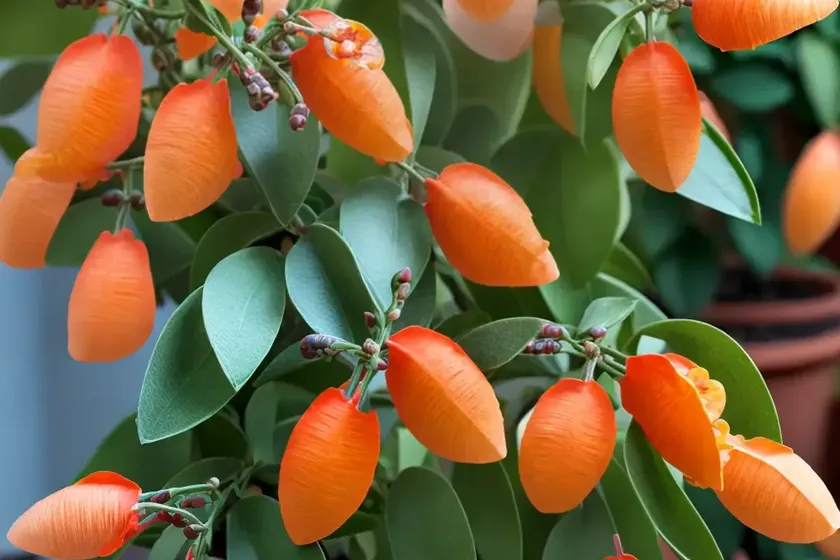
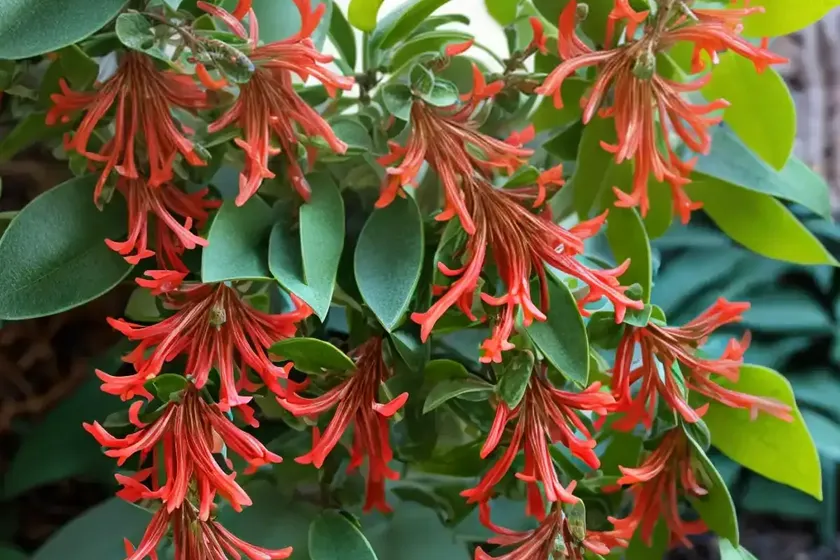
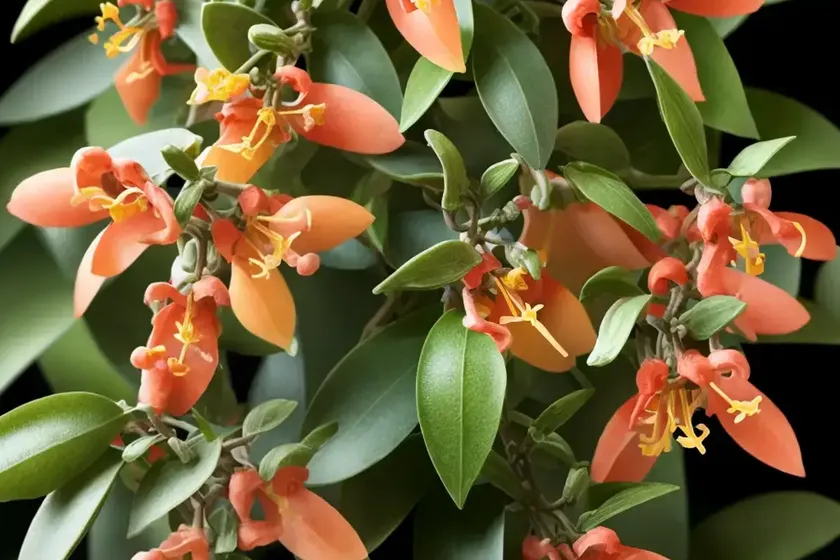
Lonicera x italica ‘Harlequin’ (Honeysuckle) is a beautiful and versatile plant that can add charm and fragrance to any garden. With its unique characteristics and wide range of uses, this plant has gained popularity among gardeners and landscapers. In this comprehensive guide, we will explore the culture, uses, care, and maintenance of Lonicera x italica ‘Harlequin’, along with tips for successful growth and propagation.
What is Lonicera x italica ‘Harlequin’ (Honeysuckle)?
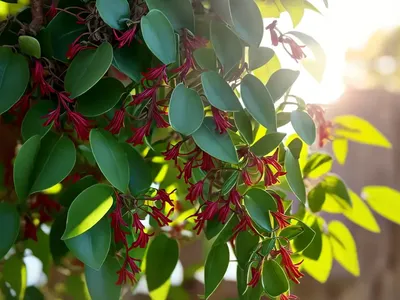
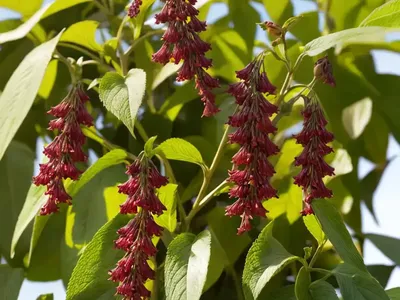
Lonicera x italica ‘Harlequin’ is a hybrid variety of honeysuckle, renowned for its striking foliage and fragrant flowers. This cultivar is a cross between two species of Lonicera, resulting in a plant with unique and attractive characteristics. The ‘Harlequin’ cultivar is prized for its variegated leaves, which feature a mix of green, cream, and pink hues, adding visual interest to any garden or landscape.
Key Takeaways – Lonicera x italica ‘Harlequin’ (Honeysuckle)
Before diving into the specifics of Lonicera x italica ‘Harlequin’, let’s take a moment to highlight the key takeaways about this captivating honeysuckle variety:
- Striking variegated foliage with green, cream, and pink hues
- Fragrant flowers that attract pollinators and beneficial insects
- Versatile uses in garden borders, hedges, trellises, and containers
- Low maintenance requirements for successful growth and blooming
- Drought tolerant once established, making it a resilient garden addition
Now that we have a general overview of Lonicera x italica ‘Harlequin’, let’s explore each aspect of its cultivation, care, and potential uses in greater detail.
Culture
Understanding the cultural requirements of Lonicera x italica ‘Harlequin’ is essential for promoting healthy growth and vibrant blooms. From planting to maintenance, providing the right growing conditions will ensure that this honeysuckle thrives in your garden or landscape.
Water
Proper watering is crucial for the establishment and ongoing health of Lonicera x italica ‘Harlequin’. While this cultivar is known for its tolerance of dry conditions, adequate moisture is still essential, especially during the plant’s early growth stages. Once established, ‘Harlequin’ honeysuckle can withstand periods of drought, making it a resilient choice for water-wise landscapes.
- Water newly planted ‘Harlequin’ honeysuckle regularly to support root development.
- During dry spells, provide supplemental water to prevent wilting and promote flowering.
- Monitor soil moisture levels, ensuring that the plant’s root zone remains consistently moist but not waterlogged.
Sunlight
Lonicera x italica ‘Harlequin’ thrives in bright, dappled sunlight to partial shade. While this cultivar can tolerate partial shade conditions, it will exhibit its best foliage coloration and flowering display when provided with ample sunlight. When selecting a planting location for ‘Harlequin’ honeysuckle, consider the following sunlight requirements:
- Plant in a location that receives partial to full sunlight, ideally with some protection from intense afternoon sun.
- Ensure that the plant receives at least 6 hours of sunlight per day for optimal growth and flowering.
- In warmer regions, providing afternoon shade can help prevent leaf scorch and maintain vibrant foliage coloration.
Fertilizer
Applying a balanced fertilizer can support the healthy growth and blooming of Lonicera x italica ‘Harlequin’. By providing essential nutrients, you can encourage vigorous foliage and abundant flowering throughout the growing season. When fertilizing ‘Harlequin’ honeysuckle, consider the following guidelines:
- Use a slow-release or controlled-release fertilizer formulated for flowering shrubs and vines.
- Apply the fertilizer in early spring before new growth emerges, following the manufacturer’s recommended rates.
- Avoid over-fertilization, as excessive nitrogen can promote vegetative growth at the expense of flowering.
Soil
Lonicera x italica ‘Harlequin’ thrives in well-drained, fertile soil with a slightly acidic to neutral pH. When preparing the planting site for ‘Harlequin’ honeysuckle, take the following soil considerations into account:
- Ensure good drainage to prevent waterlogging, especially in heavy clay soils.
- Incorporate organic matter, such as compost or well-rotted manure, into the planting area to improve soil structure and fertility.
- Test the soil pH and make adjustments as needed to maintain a slightly acidic to neutral environment.
Pruning
Pruning plays a vital role in shaping the growth habit of Lonicera x italica ‘Harlequin’ and promoting a tidy appearance. Additionally, strategic pruning can stimulate new growth and encourage prolific flowering, enhancing the overall aesthetic appeal of this honeysuckle cultivar.
- Prune ‘Harlequin’ honeysuckle in late winter or early spring before new growth begins.
- Remove any dead, damaged, or crossing branches to maintain an open and airy growth habit.
- Consider light annual pruning after the flowering period to shape the plant and maintain its size.
Propagation
Propagating Lonicera x italica ‘Harlequin’ allows you to expand your collection of this captivating honeysuckle cultivar. Whether through cuttings or layering, propagating ‘Harlequin’ honeysuckle can be a rewarding endeavor for gardeners seeking to share this unique plant with others.
Cuttings
- Take semi-hardwood cuttings from healthy, actively growing stems in mid-summer.
- Remove the lower leaves from the cutting and dip the severed end in a rooting hormone powder.
- Plant the cuttings in a well-draining propagation medium and keep them consistently moist until roots develop.
Layering
- Select a healthy and flexible stem near the base of the plant for layering.
- Gently wound the selected stem and cover the wounded portion with soil, securing it in place.
- Once roots have formed at the buried section, carefully detach the rooted stem and transplant it to a new location.
Container Popularity
The compact growth habit and ornamental appeal of Lonicera x italica ‘Harlequin’ make it well-suited for container cultivation. Whether on a patio, balcony, or outdoor living space, ‘Harlequin’ honeysuckle can thrive in a container, offering a touch of elegance and fragrance in a confined setting.
- Select a large, sturdy container with adequate drainage holes for planting ‘Harlequin’ honeysuckle.
- Use a well-draining potting mix to ensure proper aeration and water retention for container-grown plants.
- Position the container in a location that receives ample sunlight and provides adequate air circulation.
Common Diseases
While Lonicera x italica ‘Harlequin’ is generally resilient, it may be susceptible to certain diseases that can affect its overall health and vigor. Understanding these common diseases and their symptoms is crucial for early detection and effective management.
Disease Diagnosis
- Powdery Mildew: Look for white, powdery patches on the leaves, often accompanied by stunted growth and distorted foliage.
- Leaf Spot: Identify circular lesions with a dark center and yellow halo on the leaves, potentially leading to premature leaf drop.
Common Pests
Lonicera x italica ‘Harlequin’ can attract a variety of insect pests, which may impact its foliage and overall vitality. By monitoring for common pests and implementing appropriate control measures, you can protect ‘Harlequin’ honeysuckle from potential infestations.
- Aphids: Inspect the undersides of leaves for clusters of small, soft-bodied insects, and use a strong stream of water or insecticidal soap to manage infestations.
- Whiteflies: Watch for tiny, white, moth-like insects near the foliage and treat infestations with insecticidal sprays or horticultural oils.
Botanist’s Tips
As a plant scientist with a passion for ornamental plants, I’ve gathered a few valuable tips for successfully growing and enjoying Lonicera x italica ‘Harlequin’:
- Provide regular moisture, especially during the establishment phase, to support robust growth and flowering.
- Monitor for signs of common diseases and pests, addressing any issues promptly to maintain the plant’s health and appearance.
- Consider companion planting with other pollinator-friendly species, creating an inviting garden space for beneficial insects and wildlife.
Fun Facts
To conclude our comprehensive guide to Lonicera x italica ‘Harlequin’, here are a few fun and intriguing facts about this captivating honeysuckle cultivar:
- The variegated foliage of ‘Harlequin’ honeysuckle adds a touch of whimsy and visual interest to garden landscapes.
- The fragrant flowers of ‘Harlequin’ honeysuckle attract hummingbirds and butterflies, enhancing the allure of the garden.
- ‘Harlequin’ honeysuckle is a versatile choice for trellises, arbors, and containers, offering multiple options for creative garden designs.
Links to External Resources
I would like to provide you with additional resources and information about Lonicera x italica ‘Harlequin’ for further exploration and study:
- Royal Horticultural Society – Lonicera x italica ‘Harlequin’
- Missouri Botanical Garden – Honeysuckle
In conclusion, Lonicera x italica ‘Harlequin’ is a captivating and versatile plant that offers a delightful combination of variegated foliage, fragrant flowers, and low maintenance requirements. By incorporating this charming honeysuckle cultivar into your garden or landscape, you can enhance the visual appeal and create a welcoming environment for pollinators and garden enthusiasts alike. With the insights and tips shared in this guide, you are well-equipped to cultivate and appreciate the unique qualities of Lonicera x italica ‘Harlequin’ in your own gardening endeavors.