Plant Scientist’s Guide to Magnolia x soulangeana ‘Lennei’ (Saucer Magnolia)
Magnolia x soulangeana ‘Lennei’, commonly known as Saucer Magnolia, is a stunning flowering tree that belongs to the Magnoliaceae family. This hybrid cultivar is the result of crossing Magnolia denudata and Magnolia liliiflora. It is revered for its large, saucer-shaped flowers that emerge in early spring, adding a burst of color and fragrance to the landscape. In this comprehensive guide, we will explore the culture, uses, care requirements, propagation, common diseases, and more about the magnificent Saucer Magnolia.
What is Magnolia x soulangeana ‘Lennei’?
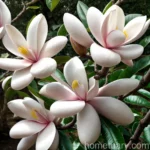
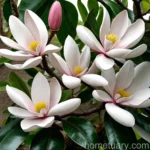
Also known as Saucer Magnolia, Magnolia x soulangeana ‘Lennei’ is a deciduous tree that typically reaches a height of 20 to 25 feet and spreads 25 to 30 feet wide when fully mature. It features large, showy flowers that can vary from pure white to various shades of pink, creating a captivating display in the spring garden. The beautiful flowers are often the first to appear in the botanical landscape, signaling the arrival of the much-anticipated spring season.
Key Takeaways – Magnolia x soulangeana ‘Lennei’ (Saucer Magnolia)
Before delving into the specifics, let’s highlight the key takeaways about Saucer Magnolia, which will be discussed in detail in the subsequent sections:
- Scientific Name: Magnolia x soulangeana ‘Lennei’
- Common Name: Saucer Magnolia
- Family: Magnoliaceae
- Type: Deciduous flowering tree
- Flower Color: Various shades of pink and white
- Flowering Season: Early spring
- Growth Habitat: 20-25 feet in height, 25-30 feet in spread
- Uses: Ornamental, landscaping
- Care Requirements: Average water, full to partial sunlight, well-drained soil
- Pruning: Minimal pruning required
- Propagation: Through seeds and semi-hardwood cuttings
- Common Pests: Scale insects, aphids
- Common Diseases: Bacterial blight, powdery mildew
Now, let’s explore each aspect of Saucer Magnolia in detail.
Culture
Uses
Magnolia x soulangeana ‘Lennei’ is primarily cultivated for its ornamental value. It is widely used in landscaping and gardening to enhance the aesthetic appeal of outdoor spaces. The tree’s exquisite flowers and elegant foliage make it a popular choice for residential gardens, parks, and public landscapes.
Water
When it comes to water requirements, Saucer Magnolia prefers moderate and consistent moisture. While it is important to ensure that the soil does not dry out completely, it is equally crucial to avoid waterlogging, which can lead to root rot and other problems. As a general guideline, watering the tree deeply once a week should suffice, particularly during dry spells or in the absence of rainfall.
Sunlight
Saucer Magnolia thrives in full to partial sunlight. Ideally, it should be planted in a location that receives at least 6-8 hours of direct sunlight per day. Adequate sunlight not only promotes healthy growth but also encourages profuse flowering, ensuring a striking display of blooms in the spring season.
Fertilizer
To support the growth and blooming of Magnolia x soulangeana ‘Lennei’, it is beneficial to apply a balanced fertilizer in early spring, just before the tree enters its active growth phase. A slow-release fertilizer formulated specifically for trees and shrubs can provide the necessary nutrients for healthy foliage and vibrant flowers. It is advisable to follow the manufacturer’s instructions regarding the application and dosage of the fertilizer.
Soil
The soil requirements for Saucer Magnolia include a well-draining, slightly acidic to neutral soil with good fertility. Loamy, rich, and moist soils are well-suited for the optimal development of the tree. Prior to planting, it is advisable to amend the soil with organic matter, such as compost or well-rotted manure, to enhance its structure and nutrient content.
Pruning
Proper pruning is essential to maintain the health, shape, and aesthetics of Magnolia x soulangeana ‘Lennei’. While the tree generally requires minimal pruning, occasional removal of dead or damaged branches, as well as light shaping, can be beneficial. It is best to prune Saucer Magnolia immediately after flowering to avoid interfering with the formation of flower buds for the following year.
Propagation
Seed Propagation
Magnolia x soulangeana ‘Lennei’ can be propagated from seeds, although it is important to note that seed-grown plants may not retain the exact characteristics of the parent plant. To propagate through seeds, collect ripe seeds from the tree and plant them in a well-prepared seedbed or containers. It is advisable to stratify the seeds by cold treatment before sowing to enhance germination.
Semi-Hardwood Cuttings
Propagation through semi-hardwood cuttings is another viable method to propagate Saucer Magnolia. Select healthy, semi-hardwood cuttings from the current season’s growth and treat the base with a rooting hormone to promote the development of roots. The cuttings should be placed in a well-draining propagation medium and provided with the appropriate moisture and warmth for successful rooting.
Container Popularity
Saucer Magnolia is well-suited for container cultivation, making it an excellent choice for small gardens, patios, and urban landscapes. When grown in containers, it is essential to select a spacious and sturdy container that provides ample room for the tree’s root system to grow. Additionally, using a high-quality potting mix and ensuring proper drainage are crucial for the overall health and vitality of the tree in a container environment.
Common Diseases
Bacterial Blight
Bacterial blight, caused by the bacterium Pseudomonas syringae, can affect Saucer Magnolia, leading to dark, water-soaked spots on the leaves, premature leaf drop, and overall decline in the tree’s health. Pruning affected branches, promoting good air circulation, and avoiding overhead irrigation can help manage and prevent the spread of bacterial blight. In severe cases, application of copper-based fungicides may be necessary.
Powdery Mildew
Powdery mildew, a common fungal disease, can manifest as a white, powdery coating on the leaves and young shoots of Magnolia x soulangeana ‘Lennei’. This disease thrives in conditions of high humidity and poor air circulation. To mitigate powdery mildew, it is important to promote good air flow around the tree, remove and dispose of affected plant parts, and consider fungicidal treatments if the infestation is severe.
Common Pests
Scale Insects
Scale insects are occasional pests that may infest Saucer Magnolia, feeding on the sap of the tree and causing yellowing of leaves, stunted growth, and general weakness. Control measures for scale insects include physical removal, horticultural oils, and insecticidal soaps. Maintaining overall tree health and reducing stress factors can also contribute to the prevention of scale insect infestations.
Aphids
Aphids are another common pest that may target Saucer Magnolia, particularly during the growing season. These small, soft-bodied insects feed on the sap of the tree, leading to distorted growth and the presence of honeydew. Natural predators, such as ladybugs and lacewings, can assist in controlling aphid populations. Additionally, the application of insecticidal soap or neem oil can be effective in managing aphids.
Botanist’s Tips
Optimal Planting Time
For the successful establishment of Saucer Magnolia, it is advisable to plant it in the fall or early spring, allowing the tree to acclimate and develop its root system before the onset of harsh weather or intense heat. Cooler temperatures and ample moisture during the planting period can promote better root growth and overall resilience.
Mulching Benefits
Applying a layer of organic mulch around the base of the tree offers numerous benefits, including moisture retention, temperature moderation, weed suppression, and organic matter enrichment. However, it is crucial to maintain a gap between the mulch and the trunk to prevent excessive moisture accumulation, which can lead to rot and other potential issues.
Fun Facts
- Saucer Magnolia is a popular subject for botanical illustration and has been depicted in numerous artworks due to its striking flowers.
- The fragrance of Saucer Magnolia’s blooms is often described as delicate and citrusy, adding an olfactory dimension to its ornamental appeal.
- While the flowers of Saucer Magnolia steal the spotlight, the tree also exhibits attractive, glossy green foliage that provides year-round interest in the landscape.
- In some regions, Saucer Magnolia is celebrated as a herald of spring, marking the transition from winter to the vibrant renewal of nature.
Links to External Resources
To further expand your knowledge and appreciation of Magnolia x soulangeana ‘Lennei’ and related topics, consider exploring the following resources:
- Royal Horticultural Society – Magnolia x soulangeana
- Missouri Botanical Garden – Saucer Magnolia
- University of Florida IFAS Extension – Magnolia Cultivars
In conclusion, Magnolia x soulangeana ‘Lennei’ (Saucer Magnolia) stands out as a captivating and enchanting addition to the botanical realm, enriching landscapes with its stunning flowers and graceful form. By understanding its culture, care requirements, propagation methods, and potential challenges, plant enthusiasts can cultivate and appreciate this remarkable tree, contributing to the ever-evolving tapestry of horticultural diversity.
Keywords: Saucer Magnolia ‘Lennei, Magnolia x soulangeana, Lennei Saucer Magnolia, Magnolia ‘Lennei’, Saucer Magnolia, Pink Magnolia, Spring blooming Magnolia, Tree Magnolia, Deciduous Magnolia, Magnolia hybrids, Magnolia cultivars, Flowering tree, Spring garden plant, Ornamental tree, Saucer-shaped flowers, Saucer Magnolia varieties, Magnolia soulangeana ‘Lennei’, Saucer Magnolia hybrid, Garden trees, Magnolia family, Magnolia shrub, Magnolia blossom, Early blooming Magnolia, Saucer Magnolia colors, Magnolia ‘Lennei’ characteristics, Magnolia ‘Lennei’ growth, Saucer Magnolia care, Flowering ornamental trees, Magnolia ‘Lennei’ appearance, Magnolia x soulangeana varieties, Magnolia x soulangeana ‘Lennei’ features, Magnolia x soulangeana ‘Lennei’ care tips, Saucer Magnolia landscape design, Saucer Magnolia ‘Lennei’ blooms, Magnolia ‘Lennei’ planting, Saucer Magnolia pruning, Magnolia ‘Lennei’ fragrance, Saucer Magnolia ‘Lennei’ maintenance, Magnolia x soulangeana ‘Lennei’ growth habit, Magnolia x soulangeana ‘Lennei’ landscape uses, Saucer Magnolia ‘Lennei’ blooming season, Magnolia x soulangeana ‘Lennei’ disease resistance, Saucer Magnolia ‘Lennei’ pollinators, Magnolia x soulangeana ‘Lennei’ soil requirements, Saucer Magnolia ‘Lennei’ pruning tips, Magnolia x soulangeana ‘Lennei’ water needs, Saucer Magnolia ‘Lennei’ sunlight exposure, Magnolia x soulangeana ‘Lennei’ leaf color, Saucer Magnolia ‘Lennei’ winter hardiness, Magnolia x soulangeana ‘Lennei’ garden uses”