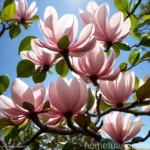
Magnolia sieboldii (Oyama Magnolia) – An Exquisite Ornamental Plant
Magnolia sieboldii, commonly known as Oyama Magnolia, is a captivating ornamental plant that has been cherished for centuries for its enchanting flowers and graceful form. In this comprehensive guide, we will delve into the fascinating world of Magnolia sieboldii, exploring its characteristics, cultivation, uses, and much more. Whether you are a seasoned gardener or an enthusiast seeking to enrich your knowledge of ornamental plants, this article aims to provide valuable insights into the care and cultivation of Magnolia sieboldii.
What is Magnolia sieboldii (Oyama Magnolia)?
Magnolia sieboldii, a species in the Magnoliaceae family, is native to Japan and Korea. It is a deciduous shrub or small tree, renowned for its stunning, white, fragrant flowers and elegant foliage. The Oyama Magnolia typically reaches a height of 15 to 20 feet and features large, saucer-shaped flowers that bloom in late spring and early summer.
The botanical features of Magnolia sieboldii include:
- Flowers: The flowers of Magnolia sieboldii are large, white, and imbued with a delicate fragrance, adding a touch of elegance to the landscape.
- Foliage: The leaves are lustrous, dark green, and oval-shaped, providing a beautiful backdrop to the resplendent flowers.
- Habit: The overall habit of this plant is a rounded, multi-stemmed shrub, making it an excellent choice for ornamental use in gardens and landscapes.
- Fruit: Following the blooming period, Oyama Magnolia produces cone-like fruits that add to the visual appeal of the plant.
Key Takeaways – Magnolia sieboldii (Oyama Magnolia)
Before we delve into the specific aspects of cultivating and caring for Magnolia sieboldii, let’s summarize the key takeaways:
- Botanical Name: Magnolia sieboldii
- Common Name: Oyama Magnolia
- Family: Magnoliaceae
- Native: Japan and Korea
- Growth Habit: Deciduous shrub or small tree
- Flowering: Large, white, fragrant flowers in late spring and early summer
- Foliage: Lustrous, dark green leaves
- Uses: Ornamental gardens, landscapes
- Challenges: Susceptible to specific diseases and pests
Now that we have an overview of Magnolia sieboldii, let’s explore the various aspects of its care and cultivation.
Culture
Water
Proper watering is crucial for the health and vitality of Magnolia sieboldii. Here are some essential considerations regarding watering:
- Young Plants: Newly planted Oyama Magnolia specimens require regular watering to establish a strong root system. Ensure that the soil is consistently moist but not waterlogged during the initial phase after planting.
- Mature Plants: Once established, Magnolia sieboldii generally exhibits good drought tolerance. However, during prolonged dry spells, it is advisable to water the plant deeply to ensure that the roots receive adequate moisture.
Sunlight
Magnolia sieboldii thrives in locations with ample sunlight, preferably partial shade to full sun. When selecting a site for planting, consider the following sunlight requirements:
- Partial Shade: In warmer climates, providing partial shade during the hottest part of the day can help protect the plant from excessive heat and sun exposure.
- Full Sun: In cooler regions, Oyama Magnolia can be cultivated in full sun, allowing it to benefit from the maximum sunlight available.
Fertilizer
Fertilizing Magnolia sieboldii can contribute to robust growth and prolific flowering. Here are some fertilizer guidelines for this ornamental plant:
- Timing: Apply a balanced, slow-release fertilizer in early spring to provide essential nutrients as the plant enters the active growing season.
- Application: Spread the fertilizer evenly around the root zone, ensuring that it does not come into direct contact with the trunk or stems.
- Frequency: As a general rule, a once-yearly application of fertilizer is often adequate for maintaining the vigor of Magnolia sieboldii. However, monitor the plant’s growth and adjust the fertilization regimen as necessary.
Soil
The soil requirements of Magnolia sieboldii are integral to its overall health and performance. When creating an optimal growing environment for Oyama Magnolia, consider the following soil-related aspects:
- Well-Draining Soil: Oyama Magnolia flourishes in well-draining, loamy soil that allows excess moisture to percolate freely, preventing waterlogging.
- Soil pH: Although moderately adaptable to varying soil pH levels, Magnolia sieboldii generally prefers slightly acidic to neutral soil (pH 6.0-7.0). Conduct a soil test to determine the pH of the planting site and make any necessary amendments to optimize the soil pH for the plant.
Pruning
Pruning plays a vital role in maintaining the form and vitality of Magnolia sieboldii. Here are some key considerations when pruning Oyama Magnolia:
- Timing: Prune Oyama Magnolia immediately after the flowering period to avoid interfering with the formation of next season’s flower buds.
- Deadheading: Remove spent flowers to encourage a neat appearance and promote the formation of new buds for the following year.
- Structural Pruning: Periodic structural pruning can help shape the plant and remove any damaged or crossing branches, contributing to the overall health and aesthetics of Magnolia sieboldii.
Propagation
Propagating Magnolia sieboldii allows for the expansion of its presence in gardens and landscapes. Consider the following propagation methods for Oyama Magnolia:
- Seed Propagation: While possible, seed propagation of Magnolia sieboldii is a time-consuming process, as the seeds require specific conditions to germinate. Patience is essential when attempting to grow Oyama Magnolia from seeds.
- Cutting Propagation: Propagating from semi-hardwood cuttings in late summer or early autumn can yield quicker results compared to seed propagation. Ensure that the cuttings are taken from healthy, disease-free plants and are treated with a rooting hormone to enhance success rates.
Container Popularity
As a versatile ornamental plant, Magnolia sieboldii is well-suited for container cultivation. The adaptability of Oyama Magnolia to containers makes it an excellent choice for individuals with limited gardening space or those seeking to showcase its beauty on patios, balconies, or small gardens.
Container Common Diseases
When grown in containers, Oyama Magnolia may be susceptible to specific diseases that can impact its health and aesthetics. Common container-related diseases include:
- Root Rot: Overwatering or inadequate drainage in containers can predispose Magnolia sieboldii to root rot, leading to wilting, yellowing leaves, and overall decline in plant vigor.
- Potting Mix Fungal Diseases: Poor-quality potting mixes or excessively moist conditions can result in fungal diseases that affect the root system and overall plant health.
Disease Diagnosis
Timely diagnosis of plant diseases is essential to initiate appropriate management strategies and safeguard the health of Magnolia sieboldii. When observing any signs of disease, such as leaf spots, wilting, or abnormal growth, consider the following steps for disease diagnosis:
- Visual Inspection: Carefully examine the plant for any visible symptoms, including spots, lesions, discoloration, or abnormal growth patterns.
- Consultation: Seek guidance from local horticulturists or plant pathologists to accurately diagnose any suspected diseases and receive tailored recommendations for treatment and management.
Common Pests
While generally resilient to pests, Magnolia sieboldii may occasionally encounter pest-related challenges, including:
- Scale Insects: These small, immobile insects can infest the foliage and stems of Magnolia sieboldii, leading to reduced plant vigor and aesthetic appeal.
- Aphids: Piercing-sucking insects, such as aphids, can affect the new growth of Oyama Magnolia, causing deformities and honeydew secretion.
When addressing pest infestations, consider environmentally friendly control measures, such as horticultural oils or insecticidal soaps, to minimize the impact on beneficial organisms and the surrounding ecosystem.
Botanist’s Tips
To maximize the success of cultivating and caring for Magnolia sieboldii, consider the following expert tips from botanists and horticultural professionals:
- Mulching: Apply a layer of organic mulch around the base of the plant to conserve soil moisture, suppress weed growth, and enhance the overall soil structure.
- Monitoring: Regularly monitor the plant for any signs of stress, disease, or pest activity, allowing for prompt intervention and corrective measures.
- Protection from Extreme Conditions: During periods of extreme weather, such as heatwaves or cold snaps, consider providing additional protection, such as shade cloth or frost cloth, to shield the plant and minimize stress.
Fun Facts
Delve into the intriguing world of Magnolia sieboldii with these captivating fun facts:
- Cultural Significance: In Japanese culture, Magnolia sieboldii holds cultural significance and is celebrated for its graceful beauty and symbolic representation.
- Wildlife Habitat: Oyama Magnolia serves as a valuable source of nectar for pollinators, attracting bees, butterflies, and other beneficial insects to the garden.
Links to External Resources
For further exploration of Magnolia sieboldii and related topics, consider the following external resources:
- American Public Gardens Association – Link
- The Royal Horticultural Society – Link
- University Cooperative Extension Services – Link
In conclusion, Magnolia sieboldii, or Oyama Magnolia, is an enchanting ornamental plant that captivates with its resplendent flowers and graceful form. By understanding its cultivation, care requirements, and botanical attributes, enthusiasts can cultivate and appreciate the exceptional beauty of this magnificent species.
As you embark on your journey of discovering and nurturing Magnolia sieboldii, may the insights shared in this comprehensive guide serve as valuable resources, inspiring a deeper connection with this exquisite ornamental plant.
Whether adorning a garden, landscape, or container, the allure of Magnolia sieboldii enriches the natural tapestry and enthralls all who encounter its captivating presence.