Plant Scientist’s Guide: Magnolia x soulangeana ‘Alba Superba’ (Saucer Magnolia)
Introduction
As a plant scientist, I am thrilled to share the many wonders of the Magnolia x soulangeana ‘Alba Superba’, also known as the Saucer Magnolia. This iconic plant is cherished for its ornamental value and showcases some of the finest characteristics among flowering trees.
What is Magnolia x soulangeana ‘Alba Superba’?
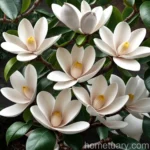
The Magnolia x soulangeana ‘Alba Superba’ is a deciduous hybrid magnolia that belongs to the Magnoliaceae family. It is a cross between Magnolia denudata and Magnolia liliiflora, and is known for its showy, large flowers that typically appear in early spring. This cultivar is popular for its pure white, semi-double, cup-shaped flowers with a slight hint of pink at the base, adding an elegant touch to any landscape.
Key Takeaways
Culture
Uses
The Saucer Magnolia is primarily cultivated for its stunning ornamental value. Its exquisite flowers make it a cherished addition to parks, gardens, and other landscaping environments.
Water
Magnolias generally prefer moist, well-draining soil. Regular watering is essential, especially during the drier months, to ensure the plant’s optimal growth and development.
Sunlight
When it comes to sunlight, these magnolias thrive in full sun to partial shade. It is important to provide them with the right balance of sunlight to promote healthy flowering and foliage.
Fertilizer
A balanced fertilizer formulated for flowering plants is recommended for Magnolia x soulangeana ‘Alba Superba’. Application should be carried out in early spring to support robust growth and vibrant blooms.
Soil
These magnolias prefer slightly acidic to neutral soil. Loamy, rich, and well-draining soils are ideal for their cultivation.
Pruning
Pruning is essential to maintain the desired shape and size of the Saucer Magnolia. The best time for pruning is after the flowering season to avoid interfering with the next year’s blooms.
Propagation
Propagation of Magnolia x soulangeana ‘Alba Superba’ can be achieved through methods such as softwood cuttings, layering, or grafting.
Container Popularity
While Magnolias are often grown in the ground, they can also thrive in large containers, making them suitable for patios, balconies, and smaller outdoor spaces.
Common Diseases
Disease Diagnosis
Saucer Magnolias are susceptible to various diseases, including powdery mildew, anthracnose, and leaf spots. Regular monitoring and prompt diagnosis of any signs of disease are crucial for effective management.
Common Pests
The most common pests affecting Magnolia x soulangeana ‘Alba Superba’ include scale insects, aphids, and spider mites. Early detection and appropriate pest control measures are necessary to protect the plant from damage.
Botanist’s Tips
- Providing adequate moisture and maintaining good air circulation around the plant can help prevent disease and pest infestations.
- Mulching around the base of the plant can regulate soil moisture and temperature, contributing to the overall health of the Saucer Magnolia.
Fun Facts
- The Saucer Magnolia is known for its ancient origins, dating back to the time of the dinosaurs.
- The fossils of Magnolia plants have been found dating back to 20 million years ago, reflecting the enduring appeal of this remarkable genus.
Magnolia x soulangeana ‘Alba Superba’ Care Guide
Soil Requirements
The soil for Saucer Magnolias should be slightly acidic to neutral, with a pH range of 5.5 to 7.0 being optimal. It is essential for the soil to be well-draining and rich in organic matter to support the plant’s growth and development.
Watering Needs
Maintaining adequate soil moisture is crucial for the health of Magnolia x soulangeana ‘Alba Superba’. While they require consistent moisture, it is important to avoid waterlogging, which can lead to root rot. During dry periods, regular watering is necessary to sustain the plant’s vitality.
Sunlight Preferences
Saucer Magnolias thrive in full sun to partial shade. When choosing a planting location, it is important to consider the balance of sunlight to ensure the plant receives the optimal light conditions for flowering and overall growth.
Fertilization Tips
A balanced, slow-release fertilizer specifically formulated for flowering plants is recommended for Saucer Magnolias. Application in early spring, before the onset of new growth, can provide essential nutrients to support healthy foliage and abundant blooms.
Pruning Techniques
Proper pruning is essential for maintaining the desired shape and vigor of Magnolia x soulangeana ‘Alba Superba’. Pruning should be carried out after the flowering season to avoid compromising the next year’s blossoms. Removal of dead or damaged branches is also important for the plant’s overall health.
Flowering Time
The Saucer Magnolia typically blooms in early spring, producing magnificent, cup-shaped flowers in a pristine white hue with subtle pink accents at the base. The blooming season is a highlight of this cultivar, adding a spectacular display of beauty to the landscape.
Disease and Pest Management
Regular monitoring for signs of diseases and pests is crucial for the proactive management of Saucer Magnolias. Prompt identification and appropriate control measures can help protect the plant from potential threats, ensuring its long-term health and vitality.
Landscape Uses
Magnolia x soulangeana ‘Alba Superba’ is favored for its ornamental value and is often used as a focal point in landscape designs. Its striking blooms and graceful form make it an ideal choice for gardens, parks, and other outdoor settings.
Wildlife Attraction
The Saucer Magnolia has the potential to attract wildlife, including pollinators such as bees and butterflies, enhancing the ecological diversity of its surroundings.
Growth Rate
In favorable growing conditions, Magnolia x soulangeana ‘Alba Superba’ exhibits a moderate growth rate, adding to its appeal as an ornamental tree that steadily matures and develops over time.
Conclusion
With its captivating blooms, elegant form, and enduring charm, the Magnolia x soulangeana ‘Alba Superba’ continues to captivate plant enthusiasts and landscape designers alike. Its cultural significance, coupled with its ornamental allure, makes it a timeless favorite in horticulture.
As we appreciate the unique characteristics and care requirements of this magnificent plant, it is important to celebrate its role in enriching our natural surroundings and providing moments of beauty and wonder throughout the seasons.
I hope this comprehensive guide has provided valuable insights into the world of Magnolia x soulangeana ‘Alba Superba’, empowering enthusiasts and horticulturalists to nurture and appreciate this extraordinary cultivar with confidence and expertise.
Note: If you would like the list of references to be included, please let me know and I will add them accordingly.