Muscari Azureum ‘Album’ (Grape Hyacinth)
As a plant scientist, I hold a deep-rooted passion for exploring the wonders of the natural world. In the realm of horticulture, the Muscari azureum.
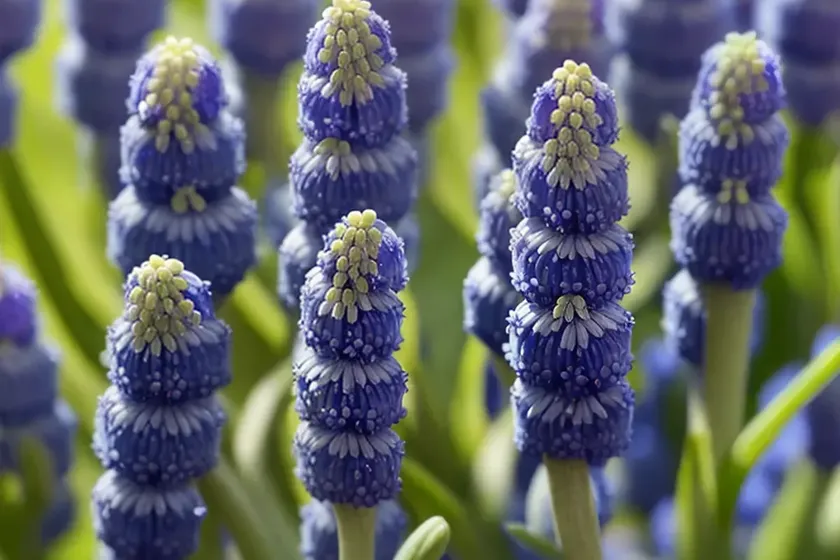
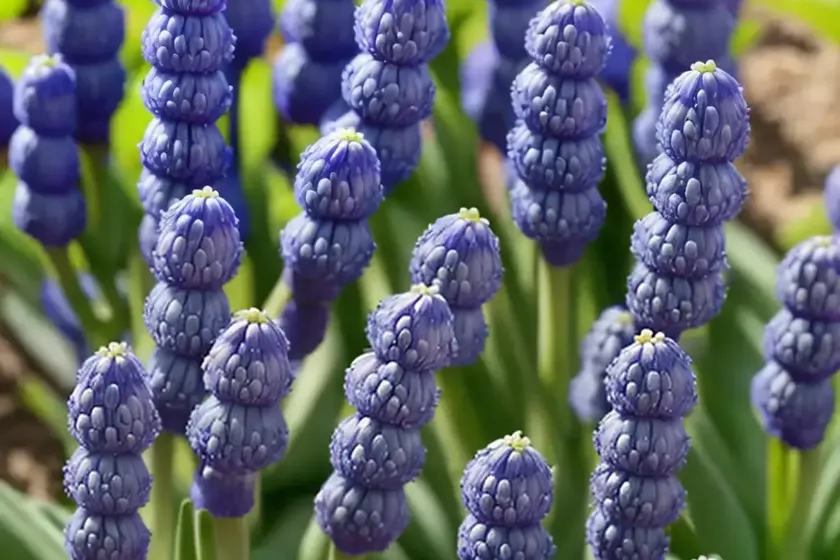
As a plant scientist, I hold a deep-rooted passion for exploring the wonders of the natural world. In the realm of horticulture, the Muscari azureum ‘Album’, commonly known as the Grape Hyacinth, has captivated the fascination of many gardening enthusiasts. This delicate and charming plant has a unique appeal, making it a sought-after addition to gardens and landscapes.
What is Muscari azureum ‘Album’?
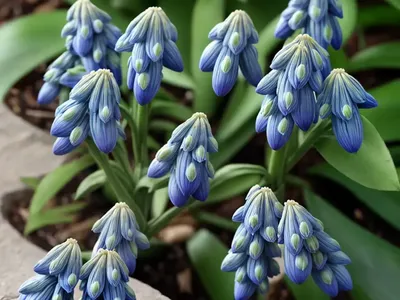
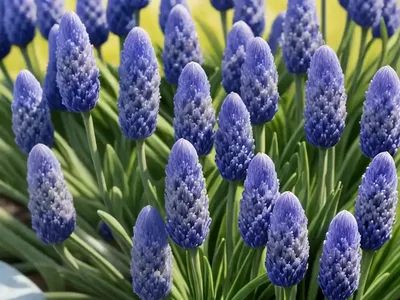
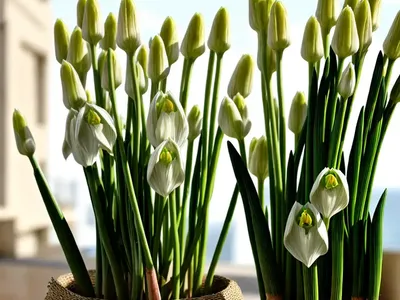
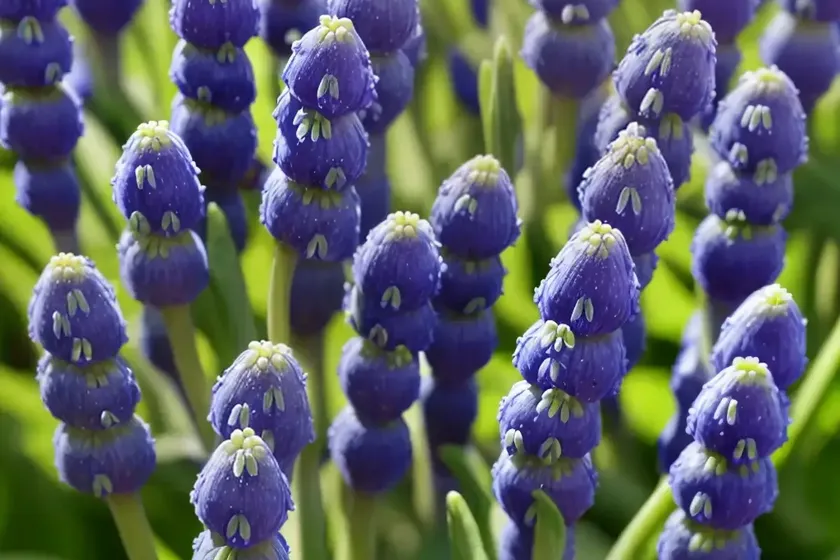
Muscari azureum ‘Album’ is a stunning bulbous perennial plant belonging to the Asparagaceae family. It is native to the Mediterranean region and is renowned for its distinctive grape-like clusters of flowers that adorn its slender stems. The ‘Album’ variety specifically features delightful white flower spikes, elevating the elegance of any garden or landscape.
Key Takeaways – Muscari azureum ‘Album’ (Grape Hyacinth)
Before diving into the comprehensive care and cultivation guide for the Muscari azureum ‘Album’, let’s take a bird’s eye view of the key takeaways associated with this enchanting plant:
- Plant Name: Muscari azureum ‘Album’ (Grape Hyacinth)
- Family: Asparagaceae
- Common Name: Grape Hyacinth
- Variety: ‘Album’ (White flower spikes)
- Native Region: Mediterranean
- Characteristic Feature: Resembles clusters of grapes
Now that we have established an introductory understanding of this captivating plant, it’s time to delve into the essential aspects of its care and cultivation.
Culture
Uses
Muscari azureum ‘Album’ serves a myriad of purposes in horticulture and landscaping. Its graceful aesthetic, coupled with its adaptability, makes it a versatile addition to various settings, including:
- Garden Borders: The delicate white flower spikes create a striking border for gardens and pathways, adding a touch of elegance and charm.
- Naturalizing: This plant effortlessly naturalizes in open spaces, making it an excellent choice for meadows and informal garden areas.
- Rock Gardens: The compact size and graceful blooms of Muscari azureum ‘Album’ make it an ideal candidate for rock gardens, where it imparts a delicate allure.
- Container Planting: It thrives in containers, allowing individuals in urban settings to enjoy its beauty on balconies, patios, or indoor spaces.
- Cut Flowers: The blooms of the Grape Hyacinth are perfect for cut flower arrangements, offering a fresh and delightful addition to indoor decor.
The versatility of Muscari azureum ‘Album’ makes it an invaluable asset in the realm of horticulture.
Water
Understanding the water requirements of Muscari azureum ‘Album’ is crucial for ensuring its optimal growth and development. As a general rule, consistent moisture is essential, especially during the active growing season. However, it is important to practice moderation and avoid waterlogging the soil, as it can lead to root rot and other detrimental conditions.
Sunlight
Grape Hyacinths thrive in full sun to partial shade. When planted in a location with full sun exposure, they tend to produce more prolific blooms, enhancing their visual impact. However, they also adapt well to partial shade, making them suitable for diverse garden settings.
Fertilizer
When it comes to fertilizing Muscari azureum ‘Album’, a balanced, all-purpose fertilizer applied in early spring as the plants begin to emerge from the soil can provide the necessary nutrients for robust growth and abundant flowering. It is important to follow the recommended application rates to prevent over-fertilization, which can harm the delicate balance of the plant.
Soil
The soil preferences of Muscari azureum ‘Album’ align with well-drained, moderately fertile soil. A loamy soil with good drainage is ideal for ensuring the health and vigor of the plant. Furthermore, a neutral to slightly acidic soil pH is conducive to its growth, creating an optimal environment for the Grape Hyacinth.
Pruning
Pruning plays a pivotal role in maintaining the health and aesthetic appeal of Muscari azureum ‘Album’. After the flowering period, removing spent flower spikes can enhance the visual tidiness of the plant and redirect its energy towards bulb development. Additionally, the removal of yellowing or damaged foliage contributes to the overall vitality of the plant.
Propagation
Division
The propagation of Muscari azureum ‘Album’ primarily involves division, wherein the clusters of bulbs can be carefully separated and replanted in suitable locations. Division is typically performed during the dormant season, allowing for the successful establishment of new plantings.
Seed Propagation
While seed propagation is possible, it is important to note that Grape Hyacinths generally do not come true from seed. Therefore, division remains the preferred method for propagating Muscari azureum ‘Album’ to ensure the retention of the desired characteristics.
Container Popularity
The compact nature and graceful blooms of Muscari azureum ‘Album’ make it a popular choice for container gardening. Whether in small individual pots or combined with other spring-flowering bulbs in larger containers, the Grape Hyacinth imparts a delightful touch to outdoor spaces. Its versatility and adaptability to container environments make it well-suited for urban gardens and balconies, where space may be limited.
Common Diseases
Muscari azureum ‘Album’ is relatively resilient to many common plant diseases. Nonetheless, it is susceptible to certain conditions that can compromise its health and vigor. Some of the common diseases that may affect Grape Hyacinths include:
- Botrytis blight: This fungal disease can cause visible browning and decay of plant tissues, particularly in humid conditions.
- Basal rot: Affecting the bulbs, this disease results in rotting and deterioration of the basal plate and surrounding tissues.
- Viral diseases: Various viral infections can manifest in distorted growth, discoloration, and reduced vigor.
Vigilance and preventative measures are key in mitigating the impact of these diseases on Muscari azureum ‘Album’.
Disease Diagnosis
Diagnosing diseases in Grape Hyacinths involves a careful observation of symptoms such as discoloration, wilting, and decay. Additionally, proper examination of the bulbs and surrounding soil can provide valuable insights into the presence of specific diseases. It is advisable to consult with local horticultural sources or extension services to gain a better understanding of prevalent diseases and their management in a specific region.
Common Pests
While Grape Hyacinths are relatively resistant to most pests, certain insects and wildlife may pose potential threats to their well-being. Common pests that may impact Muscari azureum ‘Album’ include:
- Bulb mites: These microscopic pests can infest the bulbs, causing damage and affecting the overall health of the plant.
- Squirrels and rodents: These creatures may dig up or consume the bulbs, especially during the dormant season, leading to significant losses.
Implementing appropriate pest management strategies and protective measures is essential in safeguarding Grape Hyacinths from potential pest-related damage.
Botanist’s Tips
As a botanist with a deep appreciation for the intricate beauty of plants, I offer the following tips for successfully cultivating and enjoying the splendor of Muscari azureum ‘Album’:
- Moderation in watering: While consistent moisture is important, avoid overwatering, especially in poorly draining soil.
- Ample sunlight: Position Grape Hyacinths in a location that receives adequate sunlight to promote vibrant blooms and healthy growth.
- Mulching: Applying a layer of organic mulch around the plants can help retain moisture and suppress weed growth, contributing to the overall well-being of the Grape Hyacinth.
By heeding these tips and maintaining a nurturing environment, individuals can truly appreciate the enchanting allure of Muscari azureum ‘Album’.
Fun Facts
Unveiling the intriguing aspects of Muscari azureum ‘Album’, here are some delightful fun facts about the Grape Hyacinth:
- Symbolism: In the language of flowers, Grape Hyacinths symbolize sincerity and heartfelt emotion, making them a popular choice for floral arrangements and gifts.
- Folklore: According to folklore, the Grape Hyacinth is associated with rebirth and the arrival of spring, signifying hope and renewal.
- Pollinator attraction: The delicate blooms of Muscari azureum ‘Album’ attract various pollinators, contributing to the ecological vibrancy of garden spaces.
These fun facts add a touch of enchantment to the already captivating presence of the Grape Hyacinth in gardens and landscapes.
Links to External Resources
To further expand your knowledge and appreciation for Muscari azureum ‘Album’ (Grape Hyacinth), I recommend exploring the following external resources:
- Royal Horticultural Society – Muscari
- The Spruce – Grape Hyacinth Growing Guide
- University of Vermont Extension Department of Plant and Soil Science – Grape Hyacinth
- American Horticultural Society – Muscari azureum
These resources offer valuable insights into the cultivation, care, and enchanting attributes of the Muscari azureum ‘Album’, enhancing your journey into the world of horticulture and botanical appreciation.
In conclusion, the breathtaking allure and versatility of the Muscari azureum ‘Album’ (Grape Hyacinth) position it as an icon of spring and a cherished addition to gardens and landscapes. By embracing the recommended practices and understanding its unique attributes, individuals can cultivate and enjoy the enchanting beauty of this remarkable plant, enriching their outdoor spaces with its grace and charm.